B.A. in Journalism and Mass Communication: Fees, Scope, Careers & Emerging Alternatives
In today’s fast-paced, content-driven world, a Bachelor of Arts in Journalism and Mass Communication (BA-JMC) has become one of the most…
B.A. in Journalism and Mass Communication: Fees, Scope, Careers & Emerging Alternatives
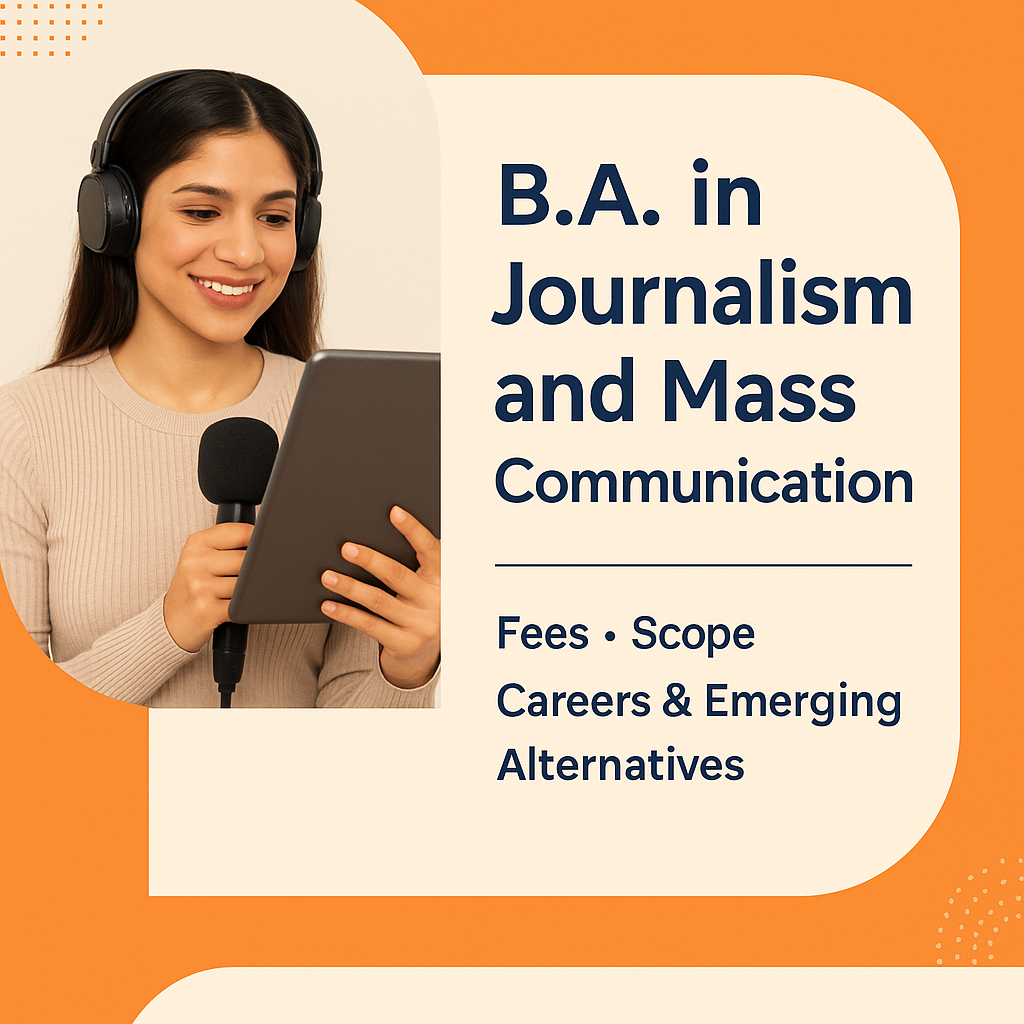
Bachelor of Arts in Journalism and Mass Communication
In today’s fast-paced, content-driven world, a **Bachelor of Arts in Journalism and Mass Communication (BA-JMC)** has become one of the most dynamic undergraduate courses. This program opens the door to a wide range of career opportunities in media, public relations, advertising, digital content creation, and beyond. With the media industry evolving rapidly, the demand for trained communication professionals continues to grow.
Course Overview: BA in Journalism and Mass Communication
The BA in Journalism and Mass Communication is a three-year undergraduate program that trains students in:
- News writing and editing
- Media laws and ethics
- Film studies
- Television and radio production
- Public relations and advertising
The curriculum combines theoretical knowledge with practical exposure to journalism tools, broadcasting equipment, media software, and content production techniques.
Fee Structure: What to Expect
The fees for BA in Journalism and Mass Communication vary depending on the institution and its facilities. On average:
- Private universities: ₹1.5 — ₹4 lakhs for the full course
- Government colleges: ₹20,000 — ₹70,000 annually
- Media schools and specialized institutes may charge higher due to industry tie-ups and placement services.
Many institutes also offer scholarships or allow EMI options to ease the financial burden.
Scope After Graduation
Graduates in Journalism and Mass Communication have vast career options:
- News reporting (TV, print, digital)
- Social media management
- Content creation and blogging
- Public relations and corporate communications
- Advertising and branding
- Film and documentary production
With the rise of digital platforms and streaming services, professionals in this space can work both as salaried employees and freelancers. Additionally, job roles in digital video production, podcasting, and interactive media are on the rise.
Emerging Alternatives: Animation, VFX & Multimedia Courses
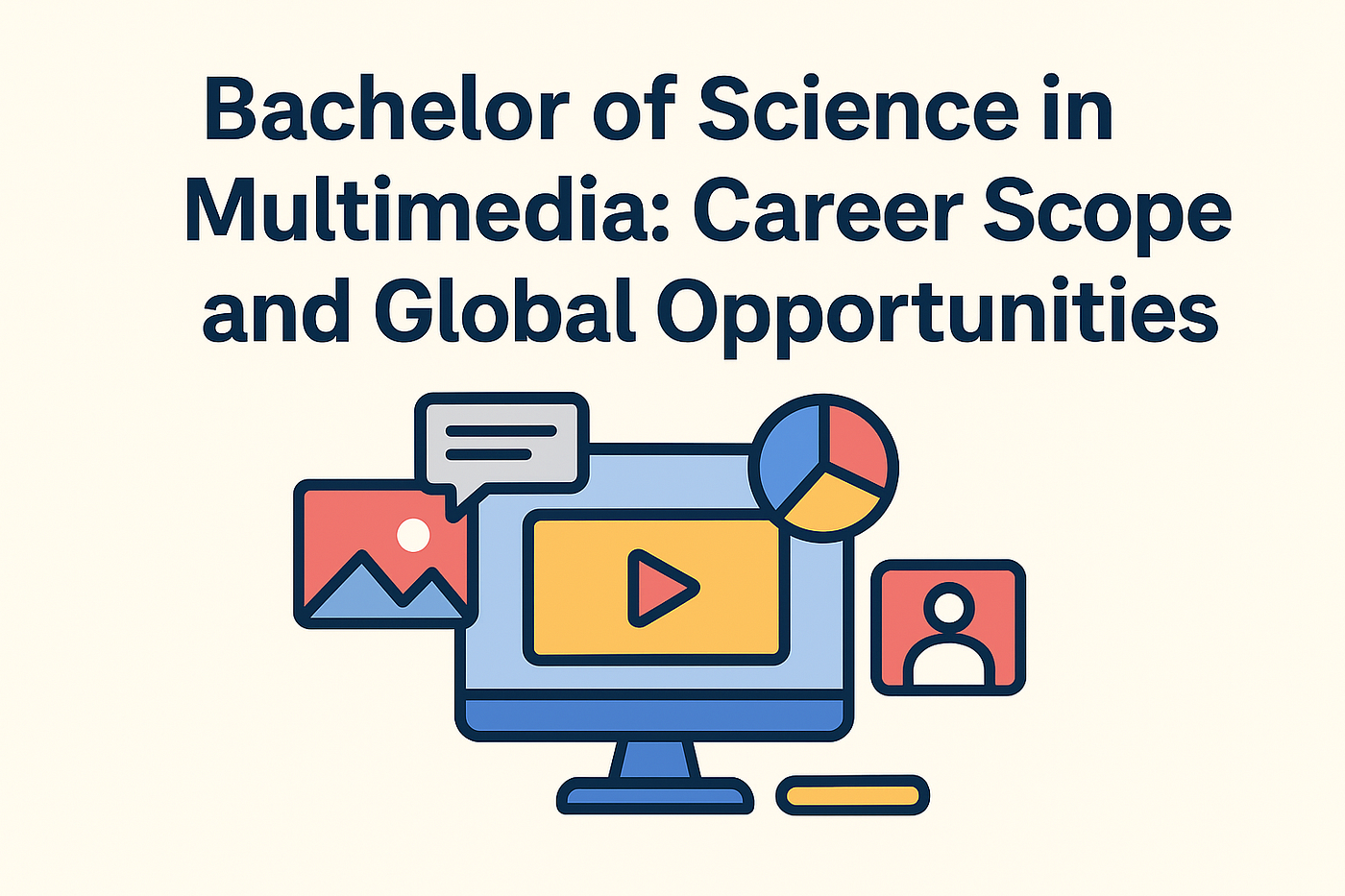
Students interested in visual storytelling, graphics, and immersive media may consider alternatives like the **B.Sc in Animation and VFX**. This program teaches you:
- 2D and 3D animation
- Motion graphics
- Visual effects for film and television
- Game design and interactive media
The Bachelor of Science in Animation and VFX is an ideal option for creative students looking to work in film studios, advertising agencies, and game development companies. It also allows for collaboration with journalism professionals on multimedia content, documentaries, and animated storytelling.
Admissions Made Easy with GMCET
Choosing the right college and course can be overwhelming, especially with so many entrance exams and different application requirements. This is where the GMCET (Global Media Common Entrance Test) platform can help.
GMCET is a centralized entrance exam for students aspiring to join undergraduate programs in journalism, mass communication, animation, and media-related courses. It simplifies the BMS application process by connecting students with top media colleges across India.
Whether you’re applying for a BA in Journalism or a B.Sc in Animation and VFX, GMCET helps match your interest with institutions that offer industry-relevant programs.
FAQs: Journalism and Related Media Courses
Q1. What is the eligibility for BA in Journalism and Mass Communication? You must have passed 10+2 from a recognized board in any stream. A minimum of 50% is usually required, though it may vary by institution.
Q2. What’s the difference between BA Journalism and BSc in Animation and VFX? BA Journalism focuses on communication, news, and public media. B.Sc in Animation and VFX is geared toward visual storytelling, motion graphics, and digital content. Both are media-related but cater to different skill sets.
Q3. Can I apply to multiple media programs with one test? Yes, through GMCET, you can apply to various courses like BA Journalism, Bachelor of Science in Animation and VFX, and multimedia programs using a single application.
Q4. Is there good career scope in Journalism in India? Absolutely. From digital journalism to public relations and content creation, the media sector offers diverse job roles with growth potential, especially in metropolitan cities.
Q5. Are there government colleges offering these courses? Yes, some government and state universities offer BA in Journalism and similar programs at a much lower cost. However, private institutions may provide better infrastructure and placement opportunities.
Conclusion
A B.A. in Journalism and Mass Communication offers an excellent launchpad for anyone interested in storytelling, public discourse, or content creation. As technology and media blend, new-age courses like B.Sc in Animation and VFX are also rising in popularity, offering visual and technical dimensions to communication.
메타데이터
- post_id
- fb6013cdf94f
- slug
- b-a-in-journalism-and-mass-communication-fees-scope-careers-emerging-alternatives-fb6013cdf94f
- url
- https://medium.com/@arorasneha/b-a-in-journalism-and-mass-communication-fees-scope-careers-emerging-alternatives-fb6013cdf94f
- canonical_url
- https://medium.com/@arorasneha/b-a-in-journalism-and-mass-communication-fees-scope-careers-emerging-alternatives-fb6013cdf94f
- author_url
- https://medium.com/@arorasneha
- status
- ok
- fetched_at
- 2026-06-25 12:15:08