Breaking: Federal Judge Blocks $100,000 H-1B Surcharge
On June 8, 2026, Judge Leo T. Sorokin of the United States District Court for the District of Massachusetts issued a landmark ruling…
Breaking: Federal Judge Blocks $100,000 H-1B Surcharge
On June 8, 2026, Judge Leo T. Sorokin of the United States District Court for the District of Massachusetts issued a landmark ruling, officially striking down the Trump administration’s policy of imposing a $100,000 premium surcharge on new H-1B visa applicants. The court confirmed that the hefty surcharge constitutes an unauthorized tax levied without congressional approval, violating provisions of the U.S. Administrative Procedure Act. It also issued a formal injunction against the U.S. Department of Homeland Security (DHS) and U.S. Citizenship and Immigration Services (USCIS), ordering the immediate termination of all enforcement related to this policy.
This ruling serves as a typical example of judicial power checking administrative overreach under the U.S. system of separation of powers. The judgment explicitly states: “Regardless of the label applied, the nature and intended use of this fee classify it as a form of taxation, and the imposition of such a financial burden lacks legitimate authorization from the U.S. Congress.”
Landmark Ruling Halts Administrative Overreach
The H-1B visa program is the core channel for the United States to recruit foreign high-skilled talents, designed to help domestic enterprises, medical institutions, universities and research institutes fill talent gaps in technology, healthcare, academic research and other high-end fields by employing qualified foreign professionals with advanced academic backgrounds. In September 2025, the Trump administration issued a presidential proclamation, introducing an additional sky-high surcharge of $100,000 for all new H-1B applicants on top of the standard application fees ranging from several thousand U.S. dollars, which significantly raised corporate talent recruitment costs and barriers for foreign professionals seeking employment in the United States.
Following the policy implementation, attorneys general from 20 states including California, New York and Massachusetts jointly filed a lawsuit, challenging the policy’s severe compliance flaws. The litigation argued that the exorbitant surcharge placed enormous pressure on public institutions such as public universities and hospitals, hindering the recruitment of essential researchers, faculty and medical staff, disrupting the normal operation of public services and undermining public interests. After months of judicial debates and hearings, the court ultimately issued a restraining order to suspend the controversial surcharge policy, completely invalidating its enforceability under U.S. law.
Immediate Nationwide Effect: Impacts on H-1B Petitioners and Immigration Employers
The judicial ruling took effect immediately and applies to all H-1B application scenarios across all industries nationwide. Moving forward, U.S. enterprises and employers are no longer required to pay the $100,000 surcharge when submitting new H-1B visa petitions. Standard H-1B application fees have been fully restored to the regular range of several thousand dollars, greatly alleviating the nationwide cost burden for corporate talent recruitment.
Issued in accordance with the U.S. Administrative Procedure Act, the ruling carries nationwide legal validity and is not limited to the 20 states that initiated the litigation. All U.S. employers and foreign applicants nationwide are eligible to benefit from this judgment, which permanently halts the nationwide enforcement of the $100,000 surcharge policy.
Nevertheless, the industry remains cautious about future policy trends. The federal government is highly likely to file an appeal against the ruling, leaving room for potential adjustments to the H-1B fee policy. For the time being, the suspension of the sky-high surcharge marks a significant phased benefit for both recruiting enterprises and foreign applicants.
Policy Follow-Up: Fee Clarifications and U.S. Immigration Planning Advice
The court ruling does not address refund arrangements for previously paid surcharges. There are no official regulations or clear guidelines regarding whether employers and applicants who paid the $100,000 fee during the policy implementation period are eligible for refunds, nor are there confirmed refund procedures or standards. Further judicial decisions and official announcements will govern refund-related matters. It is confirmed that all new H-1B petitions filed after the ruling take effect are exempt from the surcharge.
In light of this major policy adjustment, Law offices of Brian Jiang(蒋百庚律师事务所), a professional U.S. immigration legal firm, offers three core planning suggestions for international talents holding OPT/CPT status who intend to pursue long-term employment and residency in the United States.
-
Track corporate recruitment updates actively. Affected by the former surcharge policy, numerous enterprises suspended, scaled back or canceled their H-1B recruitment and application plans. With the policy injunction in place and recruitment costs returning to normal, candidates are advised to proactively communicate with corporate HR and immigration departments to follow up on reopened recruitment and H-1B petition opportunities.
-
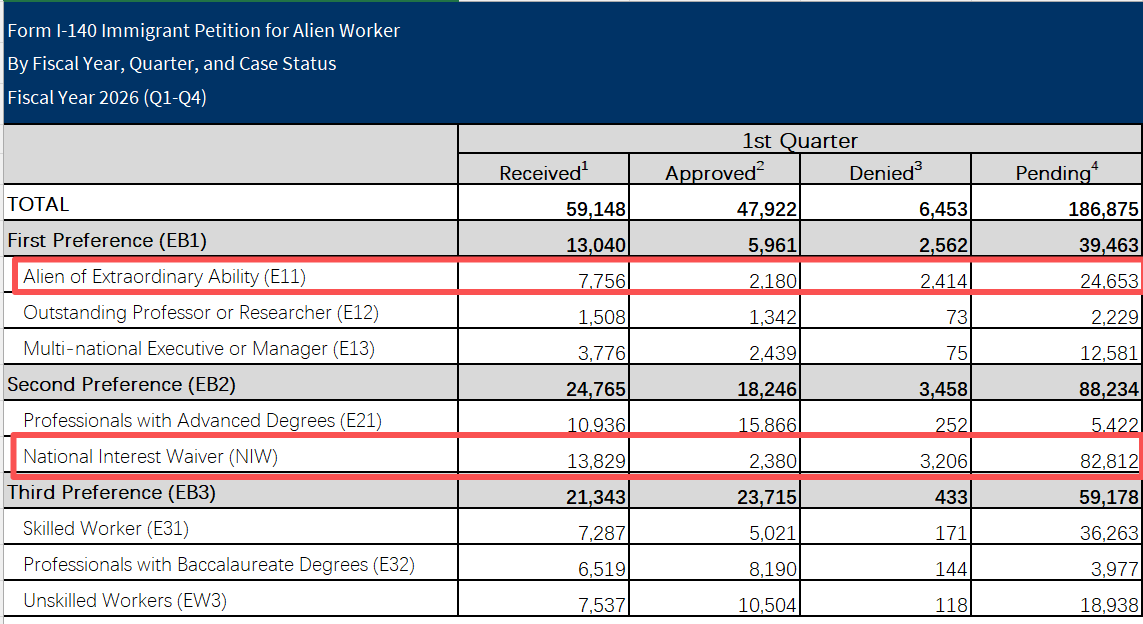
Plan permanent immigration in advance to mitigate single-channel risks. Reliance solely on H-1B visas for temporary U.S. residency is not advisable. Applicants should proactively plan for green card immigration. Professionals with outstanding achievements including research outputs, industry awards, high-value commercial experience and high-level employment qualifications are strongly recommended to consider the EB-1A Extraordinary Ability Green Card or NIW (National Interest Waiver) program. These self-petitioning categories require no employer sponsorship and serve as efficient, stable pathways for long-term U.S. settlement.
-
Maintain immigration compliance and streamline application procedures. As employers resume H-1B talent recruitment programs, applicants shall fully cooperate with document submission and petition review processes, ensure continuous legal immigration status without gaps or procedural errors, and facilitate smooth long-term employment in the United States.
Conclusion
The federal court’s suspension of the $100,000 H-1B surcharge effectively resolves the dual dilemma of corporate talent recruitment difficulties and restricted residency pathways for foreign professionals, rebuilding a fair environment for high-end talent recruitment in the United States. As a remarkable achievement of judicial checks on administrative overreach, this ruling fully safeguards the employment rights of foreign technical professionals, medical practitioners and academic researchers. While H-1B application thresholds have returned to reasonable levels and employment channels for foreign talents have been optimized, long-term stable U.S. settlement requires proactive green card planning and professional legal support to complete the final stage of immigration layout.
For further details and inquiries, please visit the firm’s official website: https://www.usaym.com.cn/
메타데이터
- post_id
- fb909d97e9fb
- slug
- breaking-federal-judge-blocks-100-000-h-1b-surcharge-fb909d97e9fb
- url
- https://medium.com/@USA_EB1/breaking-federal-judge-blocks-100-000-h-1b-surcharge-fb909d97e9fb
- canonical_url
- https://medium.com/@USA_EB1/breaking-federal-judge-blocks-100-000-h-1b-surcharge-fb909d97e9fb
- author_url
- https://medium.com/@USA_EB1
- status
- ok
- fetched_at
- 2026-06-11 10:13:20