Mastering Java Thread Safety: A Guide to Writing Reliable Multithreaded Code
A few months ago, I built a high-frequency data scraper designed to pull live updates from multiple sources in real-time. Initially, the…
Mastering Java Thread Safety: A Guide to Writing Reliable Multithreaded Code
A few months ago, I built a high-frequency data scraper designed to pull live updates from multiple sources in real-time. Initially, the system worked flawlessly. It efficiently fetched and processed data, and everything seemed to be running smoothly. However, as traffic increased and the system scaled, we began to notice inconsistencies in the retrieved data. Some records were missing, while others appeared duplicated. After hours of debugging, we discovered the root cause: multiple threads were accessing shared memory without proper synchronization, leading to race conditions.
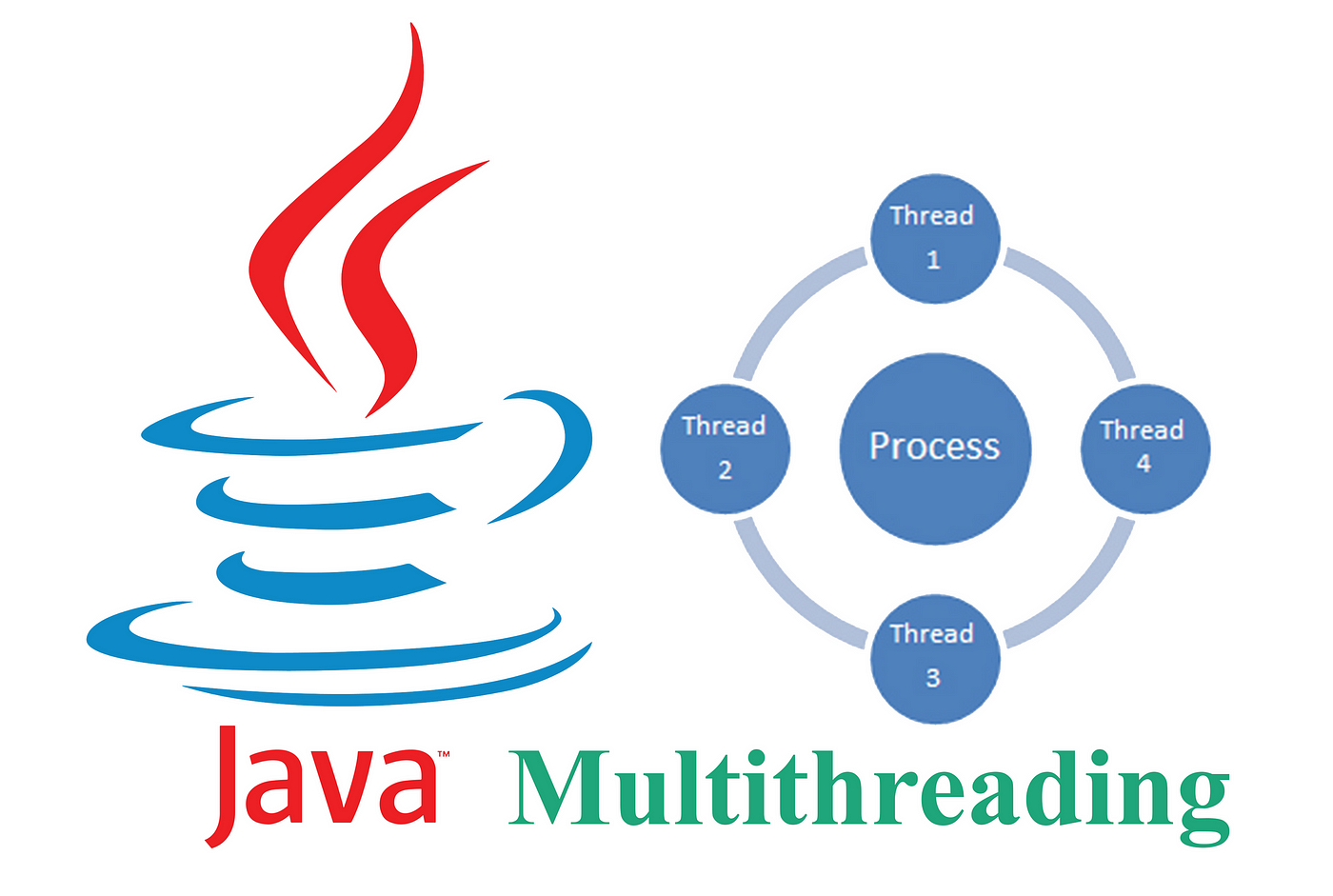
This experience was a wake-up call. It highlighted the critical importance of thread safety in real-world applications, especially those handling high concurrency and large volumes of data. It also motivated me to dive deeper into Java’s concurrency mechanisms and explore robust ways to handle multi-threaded environments.
In this article, I’ll share what I’ve learned about thread safety in Java. We’ll explore what thread safety means, why it’s crucial for building reliable applications, and how you can achieve it in your Java projects. Whether you’re working on a high-frequency scraper, a real-time analytics system, or any multi-threaded application, understanding thread safety is essential to avoid the pitfalls we encounter.
Why thread safety is important
Thread safety refers to the property of a program, class, or method that ensures it behaves correctly when accessed by multiple threads simultaneously. In other words, a thread-safe piece of code guarantees that no race conditions, data corruption, or inconsistent states occur during concurrent execution.
For example, consider a shared counter variable that multiple threads increment. Without proper synchronization, two threads might read the same value simultaneously, increment it, and write back the same value, resulting in lost updates. A thread-safe implementation would prevent such issues
- Race Conditions: When the behavior of your program depends on the timing or interleaving of threads, leading to unpredictable and often incorrect results.
- Data Corruption: When multiple threads modify shared data simultaneously, causing inconsistencies or corruption.
- Deadlocks: When two or more threads are blocked forever, waiting for each other to release resources.
- Performance Bottlenecks: Poorly synchronized code can lead to excessive contention, reducing the efficiency of your application.
Key Concepts for Achieving Thread Safety in Java
To write thread-safe code in Java, you need to understand and apply several key concepts. Let’s explore them one by one.
1. Immutable Objects
Immutable objects are inherently thread-safe because their state cannot be modified after creation. If multiple threads access an immutable object, they can’t interfere with each other. For example, the String class in Java is immutable.
public final class ImmutableCounter {
    private final int value;

    public ImmutableCounter(int value) {
        this.value = value;
    }

    public int getValue() {
        return value;
    }

    public ImmutableCounter increment() {
        return new ImmutableCounter(value + 1);
    }
}
2. Synchronization
Synchronization is the process of controlling access to shared resources to prevent concurrent modifications. In Java, you can use the synchronized keyword to create synchronized methods or blocks.
public class SynchronizedCounter {
    private int count = 0;

    public synchronized void increment() {
        count++;
    }

    public synchronized int getCount() {
        return count;
    }
}
3. Volatile Keyword
The volatile keyword ensures that changes to a variable are visible to all threads. It prevents thread-local caching of the variable’s value, ensuring that reads and writes are always performed on the main memory.
public class VolatileExample {
    private volatile boolean flag = false;

    public void toggleFlag() {
        flag = !flag;
    }

    public boolean isFlag() {
        return flag;
    }
}
4. Atomic Classes
The java.util.concurrent.atomic package provides atomic classes like AtomicInteger, AtomicLong, and AtomicReference that support lock-free, thread-safe operations on single variables.
import java.util.concurrent.atomic.AtomicInteger;

public class AtomicCounter {
    private AtomicInteger count = new AtomicInteger(0);

    public void increment() {
        count.incrementAndGet();
    }

    public int getCount() {
        return count.get();
    }
}
5. Thread-Local Storage
Thread-local storage allows each thread to have its own independent copy of a variable. This is useful when you want to avoid sharing data between threads.
public class ThreadLocalExample {
    private static final ThreadLocal<Integer> threadLocalCount = ThreadLocal.withInitial(() -> 0);

    public void increment() {
        threadLocalCount.set(threadLocalCount.get() + 1);
    }

    public int getCount() {
        return threadLocalCount.get();
    }
}
6. Concurrent Collections
The java.util.concurrent package provides thread-safe collections like ConcurrentHashMap, CopyOnWriteArrayList, and BlockingQueue that are optimized for concurrent access
import java.util.concurrent.ConcurrentHashMap;

public class ConcurrentExample {
    private ConcurrentHashMap<String, Integer> map = new ConcurrentHashMap<>();

    public void add(String key, int value) {
        map.put(key, value);
    }

    public int get(String key) {
        return map.getOrDefault(key, -1);
    }
}
Best Practices for Thread Safety
- Minimize Shared State: Reduce the amount of shared data between threads. The less shared state, the easier it is to achieve thread safety.
- Use Immutable Objects: Whenever possible, design your classes to be immutable.
- Prefer High-Level Concurrency Utilities: Use classes from the
java.util.concurrentpackage instead of manually managing locks and synchronization. - Avoid Deadlocks: Always acquire locks in a consistent order and use timeouts where applicable.
- Test Thoroughly: Use tools like stress testing and static analysis to identify and fix thread-safety issues.
Take Aways:
My experience with the high-frequency data scraper taught us several valuable lessons:
- Thread Safety is Non-Negotiable: Even if your application works fine under low traffic, concurrency issues can surface as you scale. Always design with thread safety in mind.
- Debugging Concurrency Issues is Hard: Race conditions and data corruption can be difficult to reproduce and diagnose. Proactively writing thread-safe code saves time and effort in the long run.
- Leverage Java’s Concurrency Utilities: Java provides a rich set of tools for handling concurrency. Use them instead of reinventing the wheel.
If you found this article helpful, feel free to share it with your peers. And if you have any questions or additional tips on thread safety, let’s discuss them in the comments below!
메타데이터
- post_id
- fbb5f5af23c9
- slug
- mastering-java-thread-safety-a-guide-to-writing-reliable-multithreaded-code-fbb5f5af23c9
- url
- https://medium.com/@suvra1/mastering-java-thread-safety-a-guide-to-writing-reliable-multithreaded-code-fbb5f5af23c9
- canonical_url
- https://medium.com/@suvra1/mastering-java-thread-safety-a-guide-to-writing-reliable-multithreaded-code-fbb5f5af23c9
- author_url
- https://medium.com/@suvra1
- status
- ok
- fetched_at
- 2026-06-12 07:40:50