Len Bias: A Tragic Legacy of Talent, Drugs, and Cultural Change in American Sports
The 40th Anniversary of the Death of Len Bias
Len Bias: A Tragic Legacy of Talent, Drugs, and Cultural Change in American Sports
The 40th Anniversary of the Death of Len Bias
Forty years ago today, on June 19, 1986, college basketball star Len Bias died from cardiac arrhythmia caused by a cocaine overdose, just two days after the Boston Celtics picked him second overall in the 1986 NBA draft. At the time, crack cocaine was dominating media coverage, and although Bias actually used powdered cocaine, his death received widespread attention. This event helped intensify the war on drugs as politicians focused on his story.
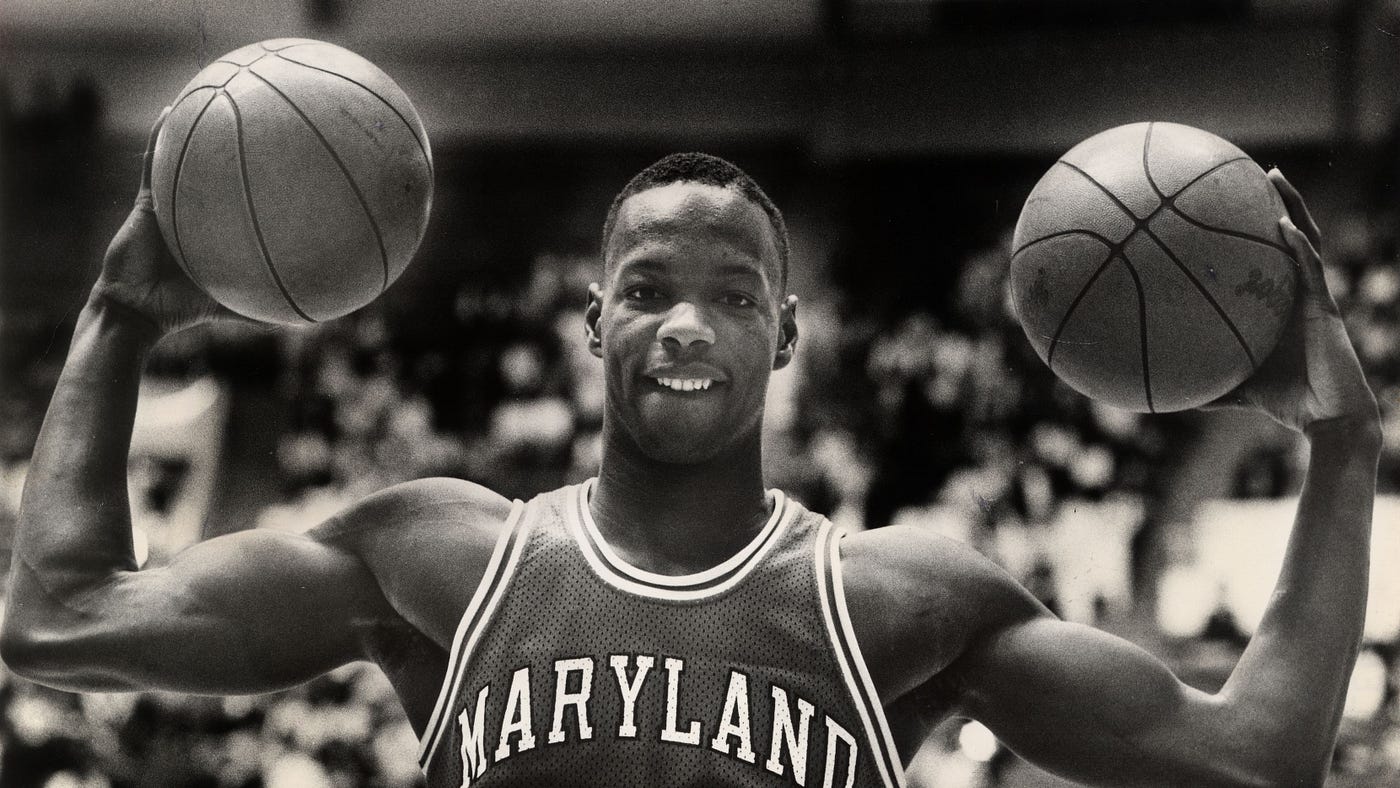
Bias attended the University of Maryland. As a freshman for the Terrapins, he was viewed as “raw and undisciplined.” Bias ultimately developed into an All-American player. He led the Atlantic Coast Conference (ACC) in scoring in his junior year and was named the ACC Player of the Year. His senior season was highlighted by his performance in an overtime victory against top-ranked North Carolina, in which he scored 35 points, including seven in the last three minutes of regulation and four in overtime. Bias collected his second ACC Player of the Year award at the end of the year and was named to two All-America teams.
Bias wowed basketball fans with his incredible jumping, strong build, and skillful playmaking. By his senior year, NBA scouts saw him as the most well-rounded forward in the 1986 class. Celtics scout Ed Badger described Bias as an “explosive and exciting kind of player” and even compared him to Michael Jordan.
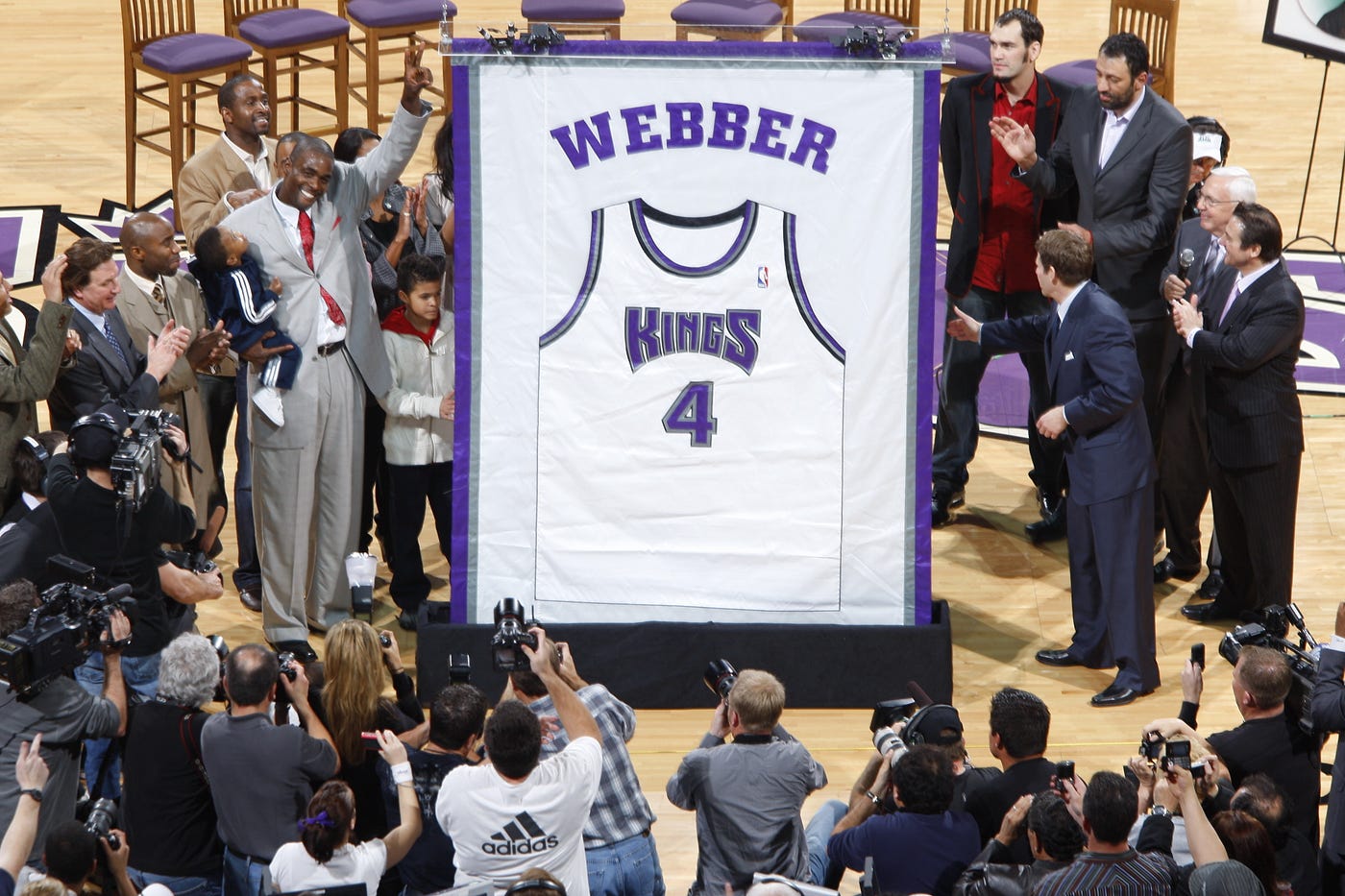
More than 11,000 people attended a June 23 memorial service at Cole Field House, the university’s basketball arena and student center, where Bias played for the Terrapins. Those speaking at the service included Auerbach, who said that he had planned to draft Bias for three years. On June 30, 1986, the Celtics held a memorial service for Bias. During the service, the Celtics organization gave his unused #30 jersey to his mother, Lonise.
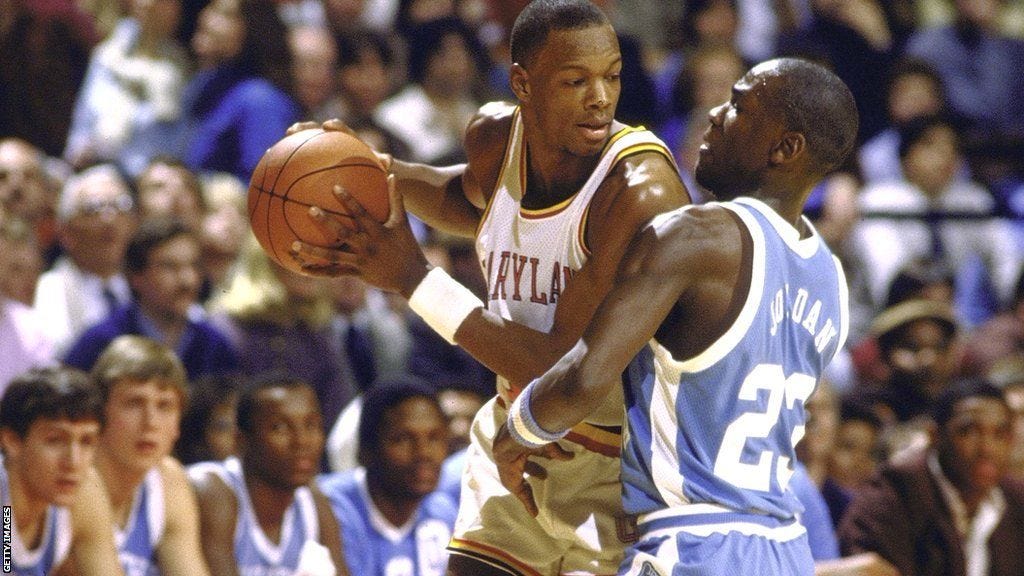
Len Bias’s Cultural Impact
Len Bias’s death had a deep cultural impact that went well beyond basketball. His tragic passing became a key moment in public conversations about drug use, especially during the crack cocaine crisis sweeping the U.S. at the time. Bias came to symbolize the dangers of drug abuse, even though he had actually used powdered cocaine.
After his death, media coverage of drug issues grew significantly, helping to drive the ongoing War on Drugs. Politicians and advocates used Bias’s story to warn about the dangers of drug use, which led to stricter drug laws and more awareness about addiction’s consequences. His story struck a chord, especially in communities where basketball plays a big role in youth culture, sparking talks about the pressures young athletes face and drug influence.
Bias’s legacy still resonates in the sports world. His promising career was cut short, and his death became a warning for young athletes about the need to make healthy choices and the dangers that come with fame and fortune. Len Bias’s death has sparked more conversations about mental health and substance abuse in sports, leading to programs that help players handle these challenges.
Len Bias also impacted how the nation viewed college athletes. His rise to stardom highlighted that Len Bias also changed how we see college athletes. His rise highlighted the immense pressure student-athletes face to perform while managing their personal lives, prompting greater awareness of the need for support systems in college sports. His story reminds us that an athlete’s well-being requires a full approach, since their challenges go beyond just the game.e, influencing perceptions of drug use, mental health, and the responsibilities that come with athletic talent. His legacy remains an important part of the narrative surrounding sports and the complexities of life as a young athlete.
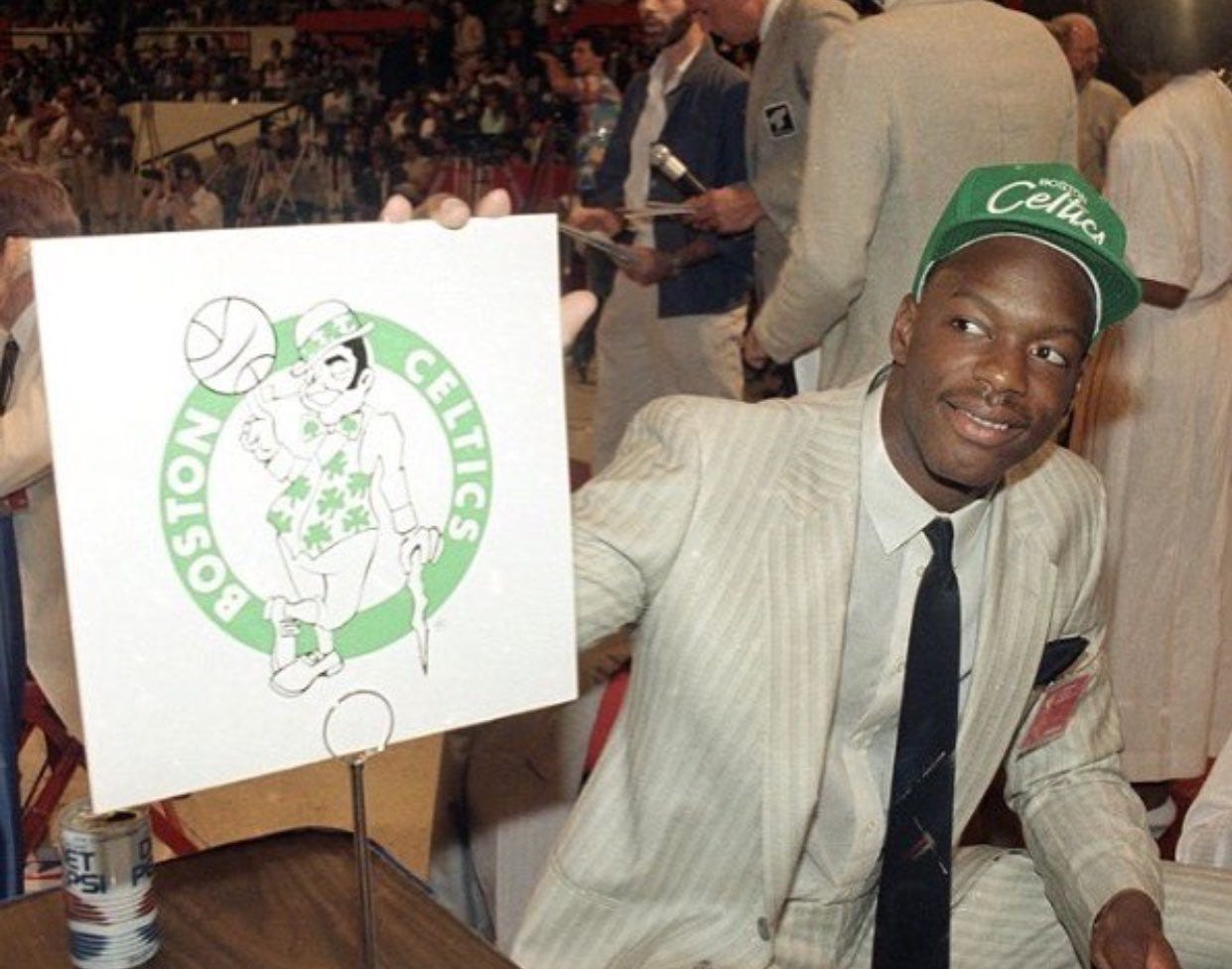
The Legacy of Len Bias
Len Bias’s legacy is complex and still deeply felt in sports, drug policy, and youth culture. As a star at the University of Maryland, he was about to start a great NBA career when his life was tragically cut short by a cocaine overdose just days after being drafted by the Boston Celtics. His death shocked the sports world and sparked important talks about drug use and its effects, making his story a key moment in American culture.
A major part of Bias’s legacy is its impact on drug policy and awareness. His death happened during the peak of the crack cocaine crisis, and although he died from powdered cocaine, the media often linked his story to wider drug abuse issues. The increased media attention and political debate about drugs helped to fuel the War on Drugs. Policymakers and advocates used Bias’s story to highlight the risks of drug use, leading to tougher drug laws.
In the realm of sports, Bias’s legacy serves as a cautionary tale for young athletes. His remarkable talent and potential were overshadowed by his tragic death, highlighting the pressures of stardom and the challenges athletes face. Len Bias’s death prompted ongoing discussions about mental health, substance abuse, and the need for support systems in collegiate and professional sports. Many organizations have since focused on addressing these issues, recognizing the importance of providing athletes with the resources to navigate the complexities of their careers and personal lives.
Moreover, Bias’s journey has shaped the way the country views college athletes. It shows the huge pressure student-athletes face to succeed while handling life off the court. Because of this, there’s more focus on caring for athletes as whole people, pushing for mental health support and better environments in college sports, and the responsibilities that come with athletic talent. His story remains a powerful reminder of the fragility of life and the importance of making informed choices, serving as a touchstone for discussions about the well-being of young athletes and the societal implications of drug culture.
메타데이터
- post_id
- fbd34c8f2f32
- slug
- len-bias-a-tragic-legacy-of-talent-drugs-and-cultural-change-in-american-sports-fbd34c8f2f32
- url
- https://medium.com/@ShamarieKnight/len-bias-a-tragic-legacy-of-talent-drugs-and-cultural-change-in-american-sports-fbd34c8f2f32
- canonical_url
- https://medium.com/@ShamarieKnight/len-bias-a-tragic-legacy-of-talent-drugs-and-cultural-change-in-american-sports-fbd34c8f2f32
- author_url
- https://medium.com/@ShamarieKnight
- status
- ok
- fetched_at
- 2026-07-21 03:11:18