Improve O-ring lifespan and structural integrity
As indispensable sealing components in industrial engineering, O-rings guarantee the tightness of mechanical systems under dynamic and…
Improve O-ring lifespan and structural integrity
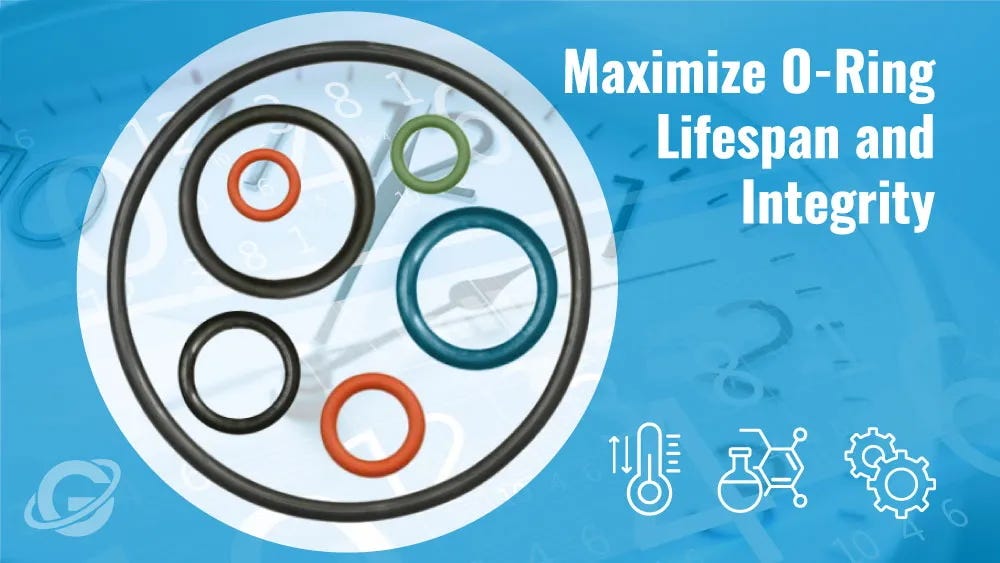
As indispensable sealing components in industrial engineering, O-rings guarantee the tightness of mechanical systems under dynamic and static operating conditions. Enhancing O-ring lifespan and structural integrity is critical to reducing industrial leakage failures, minimizing unplanned downtime, and improving the overall reliability of hydraulic, pneumatic, and aerospace equipment. Many manufacturers face frequent O-ring failures not due to poor product quality, but due to mismatched operating conditions, structural stress defects, and improper operational management. Optimizing comprehensive protection solutions can significantly extend O-ring service cycles and maintain stable structural performance in long-term industrial operation.
Hidden Structural Risks That Shorten O-ring Service Life

Most O-ring structural failures occur due to cumulative stress damage and environmental fatigue, rather than instantaneous damage. In high-frequency dynamic operation, repeated stretching and compression lead to material fatigue, causing tiny internal cracks that gradually expand and destroy structural integrity. Pressure shock is another key risk factor; sudden pressure surges in hydraulic systems cause uneven stress on local O-ring areas, resulting in distortion and permanent deformation. Besides, oxidative aging caused by long-term exposure to air and ultraviolet radiation will degrade the elasticity of rubber materials, making O-rings lose their original sealing structure and accelerate scrapping. Micro particle abrasion in industrial environments will also continuously polish the O-ring surface, leading to seal gaps and functional failure.
Precision Structural Optimization to Preserve Integrity
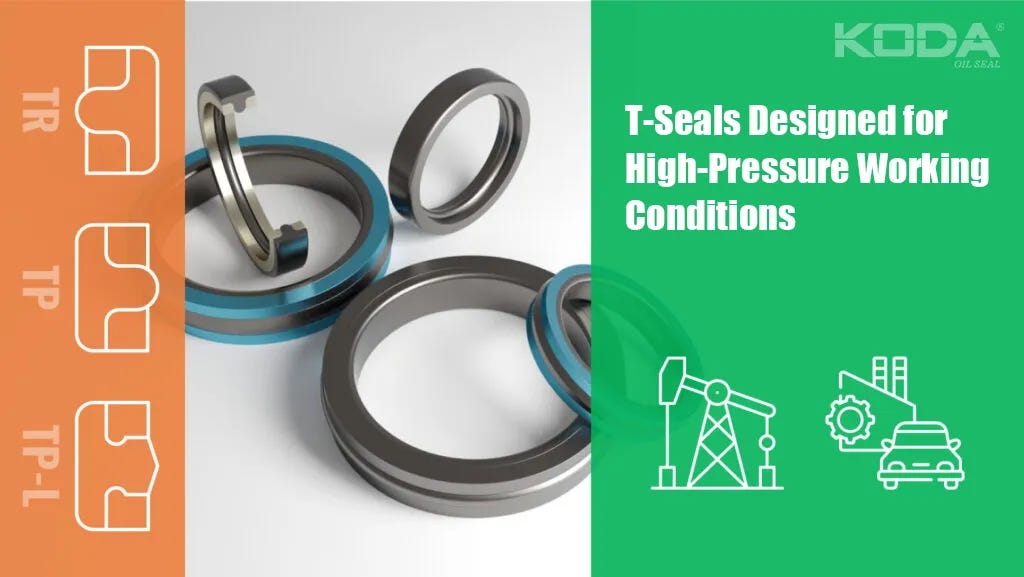
To effectively improve O-ring lifespan, targeted structural optimization based on operating scenarios is essential. Traditional single-size O-rings are prone to stress concentration under extreme working conditions. Adopting improved sealing structure matching can disperse mechanical pressure and avoid local over-compression. Designers can properly optimize the sealing groove tolerance to ensure uniform compression rate of the O-ring within the standard range. A reasonable compression ratio can balance sealing performance and structural bearing capacity, effectively preventing permanent compression set. In addition, adding anti-extrusion rings for high-pressure working environments can avoid O-ring extrusion deformation caused by pressure gaps, fundamentally protecting the overall structural stability of the seal.
Scenario-Based Material Optimization for Long-Term Durability
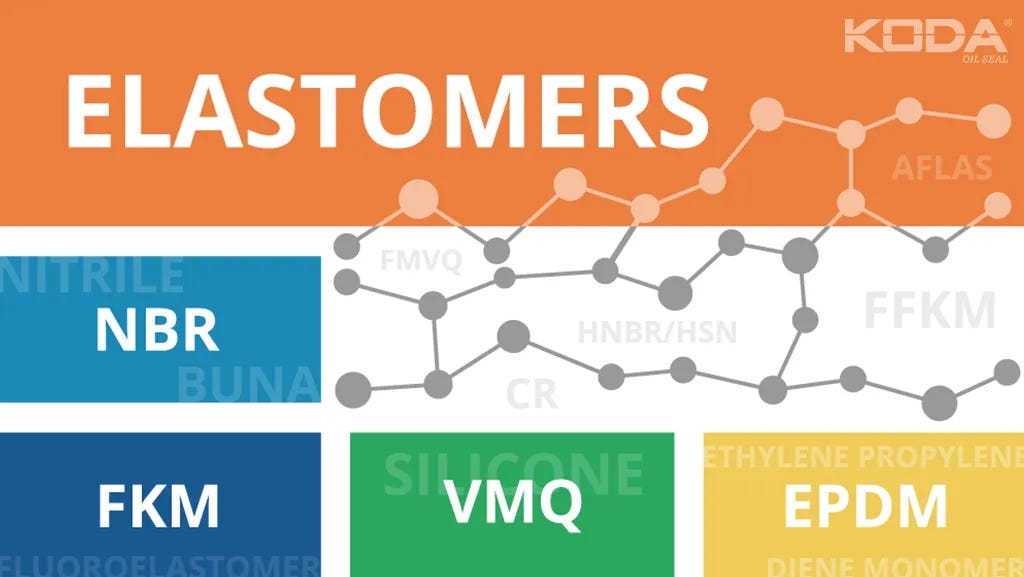
Material performance determines the upper limit of O-ring lifespan, and scenario-based customized selection is the key to avoiding structural failure. For conventional indoor mechanical equipment, upgraded modified nitrile rubber with better oxidation resistance can effectively resist daily aging and wear. For outdoor and ultraviolet-exposed equipment, EPDM rubber is the optimal choice, with excellent weather resistance to prevent structural cracking and aging. In ultra-high-pressure and chemical industrial environments, high-purity fluororubber materials can resist medium erosion and maintain stable structural elasticity. Compared with blind material selection, accurate matching based on temperature, pressure, and medium characteristics can double the service life of O-rings.
Standardized Operation and Maintenance for Sustainable Protection
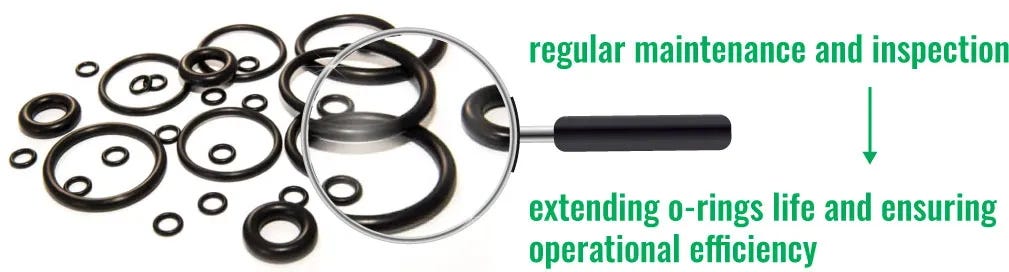
Scientific daily operation and maintenance are low-cost and high-efficiency measures to improve O-ring lifespan and structural integrity. During equipment assembly, standardized operation must be strictly implemented to avoid sharp tool scratching and artificial torsion damage. It is necessary to select compatible lubricants to reduce dynamic friction and avoid material deterioration caused by chemical incompatibility. In daily equipment operation, regular system pressure detection can prevent long-term over-pressure operation from causing structural fatigue. Meanwhile, establishing a regular inspection mechanism to check for O-ring surface aging, deformation and wear can realize early replacement and avoid secondary damage caused by failure.
Final Thoughts
Improving O-ring lifespan and structural integrity relies on the combination of structural optimization, precise material selection and standardized maintenance. Eliminating structural stress risks, adapting materials to actual working scenarios, and regulating daily operation can effectively avoid common O-ring failure problems. Stable O-ring performance not only reduces equipment maintenance costs and replacement frequency, but also ensures the long-term safe and efficient operation of industrial mechanical systems, bringing stable economic benefits for industrial production.
메타데이터
- post_id
- fc192fbe4ffb
- slug
- improve-o-ring-lifespan-and-structural-integrity-fc192fbe4ffb
- url
- https://medium.com/@autopartskoda/improve-o-ring-lifespan-and-structural-integrity-fc192fbe4ffb
- canonical_url
- https://medium.com/@autopartskoda/improve-o-ring-lifespan-and-structural-integrity-fc192fbe4ffb
- author_url
- https://medium.com/@autopartskoda
- status
- ok
- fetched_at
- 2026-06-21 12:17:11