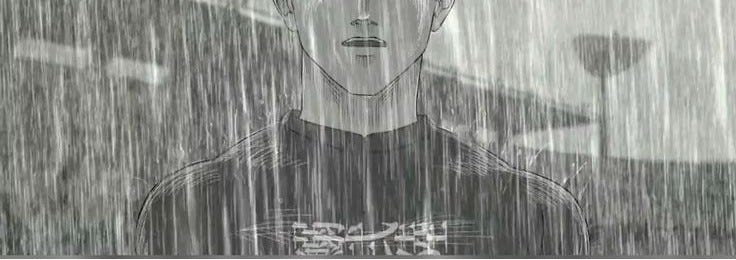
How Trauma Shapes Men’s Emotional Detachment
It’s hard to fully explain why some men seem to freeze emotionally when faced with life’s challenges.
How Trauma Shapes Men’s Emotional Detachment

Photo by Kenny Eliason on Unsplash
It’s hard to fully explain why some men seem to freeze emotionally when faced with life’s challenges.
You see it in yourself or the men around you — the inability to open up, the cold distance that feels so unnatural but persistent. There’s a chilling void where empathy and connection should be, and the longer it lasts, the harder it is to thaw out.
The common assumption is that these men simply don’t care, that their indifference is natural. But this oversimplifies the truth. It’s not always a lack of feeling that drives emotional withdrawal.
Often, it’s the result of years of conditioning — beginning in childhood and compounded by trauma — that leads them to push others away as a means of self-preservation.
When you’re a boy, you learn early what the world expects of you.
Imagine a childhood filled with emotional neglect, where affection is seen as a weakness and vulnerability is punished, even mocked. Now contrast that with a boy raised in an environment that encourages expression, connection, and emotional security.
The first grows up constantly on guard, distrustful of closeness; the second learns that emotions are to be embraced, not feared.
Trauma, whether it’s a broken family, early loss, or abuse, reinforces that emotional detachment. In the wake of severe pain, men develop psychological defense mechanisms.
They learn that to avoid more hurt, they must stay distant, unfeeling, and detached. This isn’t just an accident; it’s a survival strategy. When being vulnerable has led to agony before, staying cold feels safer.

Photo by Tessa Rampersad on Unsplash
Let’s look at real-life examples. A man who has faced betrayal from a loved one may retreat completely, not just from that person, but from any future relationships. He’s learned that love is a risk not worth taking.
Another man might lose someone close to him and cope by cutting off his emotions entirely. Detachment becomes his way of avoiding more grief — a preemptive strike against the pain he fears.
But not all men choose the distance. Some react with anger, lashing out instead of shutting down. The pain is still there, buried under layers of rage, but the emotional response is just as destructive.
The outward coldness you see in the emotionally distant man is another form of defense, just like the explosive anger of another. Both are desperate attempts to control the uncontrollable.
Beneath this icy exterior, though, there often lies a quiet longing for connection. These men aren’t incapable of love or empathy.
They crave it but have been conditioned to believe that letting someone in will only lead to more hurt. The desire for closeness conflicts with their instinct to protect themselves, creating an internal battle between fear and need.
This is the struggle we need to understand. It’s easy to label emotionally distant men as uncaring, but their distance is a learned behavior, not a permanent state.
Empathy allows us to see past the cold front to the hurt beneath. Healing doesn’t come easily — it requires patience, vulnerability, and a willingness to confront deeply rooted fears.
Pain, in this sense, is a profound teacher. It forces men to build walls, but it also gives them the strength to break those walls down once they understand their purpose.
Every step toward healing and every moment of vulnerability is a victory. And that journey? It’s worth every effort.
-Dewa-
메타데이터
- post_id
- fc4422189aaf
- slug
- how-trauma-shapes-mens-emotional-detachment-fc4422189aaf
- url
- https://medium.com/journal-kita/how-trauma-shapes-mens-emotional-detachment-fc4422189aaf
- canonical_url
- https://medium.com/journal-kita/how-trauma-shapes-mens-emotional-detachment-fc4422189aaf
- author_url
- https://medium.com/@dewakd
- status
- ok
- fetched_at
- 2026-06-18 00:10:23