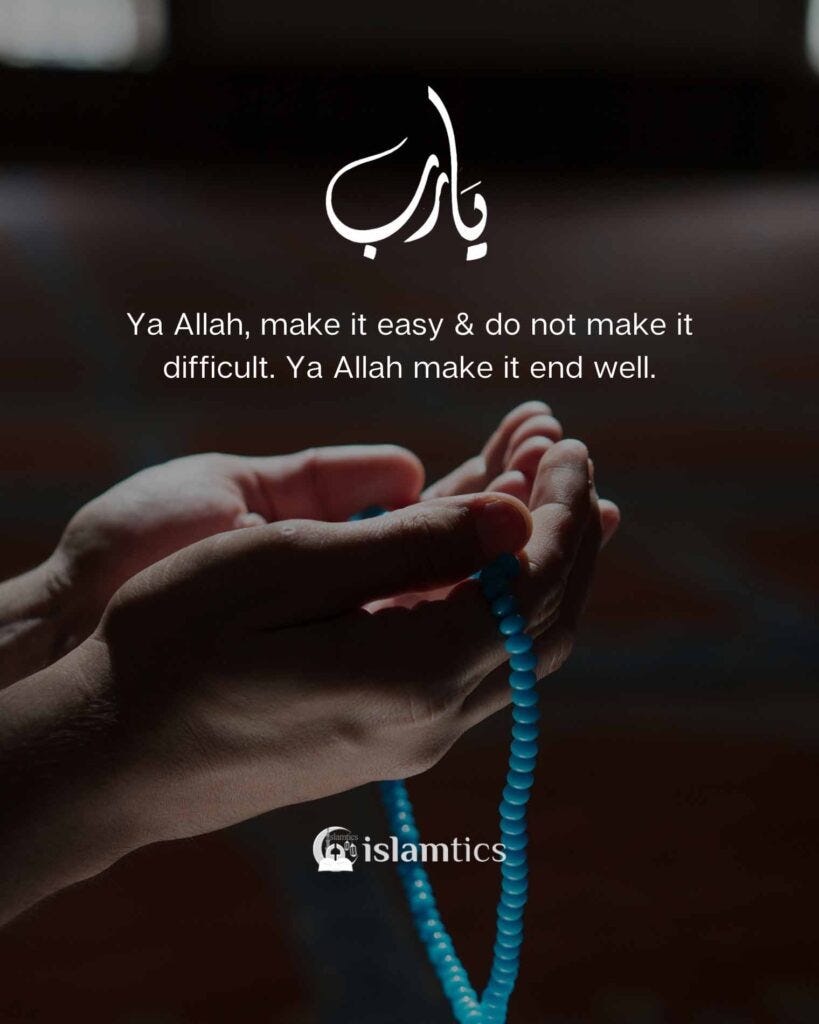
A Day in the Life of a Muslim
Islam is more than just a religion; it’s a comprehensive way of life that shapes a Muslim’s daily routine with devotion, discipline, and…
A Day in the Life of a Muslim
Islam is more than just a religion; it’s a comprehensive way of life that shapes a Muslim’s daily routine with devotion, discipline, and purpose. From the moment they rise in the morning until they go to bed at night, their actions are guided by faith, prayer, and the remembrance of Allah. This article explores a typical day in the life of a practicing Muslim, emphasizing the significance of each moment and how Islamic teachings influence their daily activities.
Morning: Waking Up with Gratitude
A Muslim’s day starts before dawn with the Fajr prayer, the first of the five daily obligatory prayers. Upon waking, they recite a supplication:
"All praise is for Allah who gave us life after having taken it from us, and unto Him is the resurrection."
This heartfelt prayer expresses gratitude and acknowledges Allah’s authority over life and death. After waking, a Muslim performs wudu (ablution), which involves washing their hands, mouth, nose, face, arms, wiping their head, and washing their feet. This purification ritual not only cleanses the body but also prepares the soul for prayer.
Picture downloaded from Google
Fajr Prayer (Pre-Dawn Prayer)
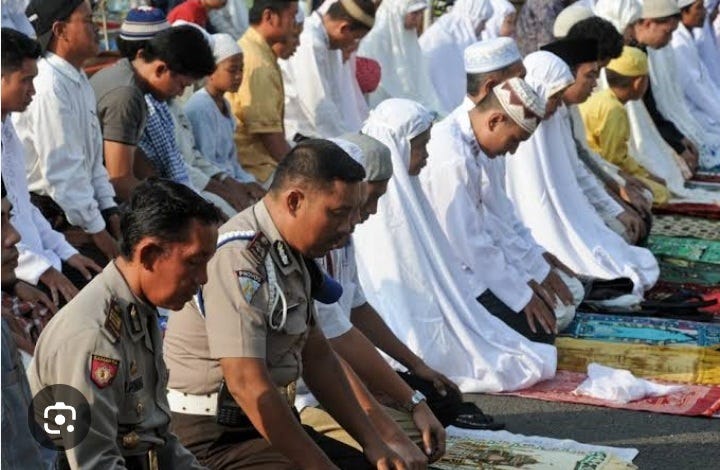
Fajr is performed before sunrise, during a tranquil time when the world is still asleep. Muslims stand in prayer, reciting verses from the Quran and seeking guidance for the day ahead. The Prophet Muhammad (PBUH) highlighted the significance of this prayer, stating that those who pray Fajr are under Allah’s protection throughout the day.
After Fajr, some Muslims opt to stay awake and engage in dhikr (remembrance of Allah), read the Quran, or make supplications. Others may choose to rest for a bit before starting their daily activities. Morning Routine: Work, Study, and Responsibilities
After the morning prayer, Muslims begin their daily activities, whether that involves work, school, or household duties. Islam promotes productivity, honesty, and striving for excellence in every aspect of life. The Prophet Muhammad (PBUH) stated:
"The best among you are those who are best in their work."
Before diving into work or studies, many Muslims recite Bismillah (In the name of Allah) to remind themselves that all actions should be performed with sincerity and for a noble purpose.
During the morning hours, they may also participate in charitable acts, assist others, or simply show kindness in their interactions, as Islam places great importance on good character and manners.
Midday: The Second Prayer and Sustenance
Dhuhr Prayer (Noon Prayer)
As midday approaches, it’s time for the second prayer, Dhuhr. This prayer is typically performed at work, school, or home. In Muslim-majority countries, businesses often pause for prayer, while in other regions, Muslims seek out designated prayer spaces. This moment serves as a break from daily concerns to reconnect with Allah.
Lunch: Eating with Mindfulness
Muslims adhere to the teachings of the Prophet Muhammad (PBUH) when it comes to eating:
- Eating with the right hand
- Reciting Bismillah before starting
- Eating in moderation
("Eat and drink but do not be excessive" – Quran 7:31)
Some choose to take a brief nap after lunch, known as Qailulah, as the Prophet Muhammad (PBUH) recommended it to enhance productivity. Afternoon: Continuing with Faith and Hard Work
Asr Prayer (Afternoon Prayer)
As the day moves forward, Muslims engage in the Asr prayer during the late afternoon. This prayer acts as a reminder to remain steadfast in faith, even amidst the busyness of life. It offers a moment to pause, reflect, and regain focus.
The Quran states:
"Indeed, prayer prevents immorality and wrongdoing." (Quran 29:45)
For many, this is the time to wrap up work, study, or other responsibilities before returning home to family.
Evening: Family Time, Worship, and Reflection
Maghrib Prayer (Sunset Prayer)
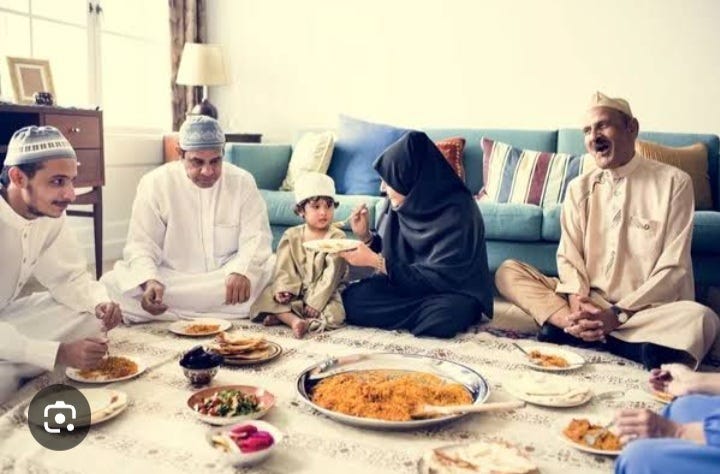
At sunset, Muslims perform Maghrib, signaling the shift from day to night. This is often followed by a family meal, where everyone comes together, strengthening family ties.
In Islam, family holds great importance, and spending time with loved ones is seen as an act of worship. Parents are honored, and kindness towards spouses and children is greatly emphasized.
Dinner and Evening Activities
In the evening, Muslims may participate in community events, religious studies, or social gatherings. Many use this time to read the Quran, seeking wisdom from its teachings. Others might watch Islamic lectures or engage in discussions about religious topics with friends and family.
Picture downloaded from Google
Night: Preparing for Rest and the Hereafter
Isha Prayer (Night Prayer)
The final obligatory prayer of the day is Isha. This prayer offers spiritual nourishment and is often followed by witr, an odd-numbered voluntary prayer that the Prophet Muhammad (PBUH) highly recommended.
Reflection and Repentance
Before going to bed, Muslims take a moment to reflect on their day:
- Did they fulfill their religious obligations?
- Were they kind to others?
- Did they seek forgiveness for their shortcomings?
Islam promotes self-improvement and daily repentance. The Prophet Muhammad (PBUH) said:
"The best of those who sin are those who repent often." Nighttime Supplications
Before drifting off to sleep, a Muslim recites bedtime supplications, placing their soul in the care of Allah. One of the prayers often recited is:
"In Your name, O Allah, I live and die."
The Cycle Continues
A Muslim’s day is a harmonious blend of worship, work, family, and personal growth. Every moment presents a chance to enhance their spirituality, nurture relationships, and contribute to the well-being of others. By adhering to Islamic principles, they seek inner peace, fulfillment, and success in this life and the Hereafter.
This daily practice illustrates that Islam encompasses more than just rituals; it represents a holistic way of life, guiding a Muslim with intention, discipline, and steadfast faith from dawn until dusk.
메타데이터
- post_id
- fc490bc2b109
- slug
- a-day-in-the-life-of-a-muslim-fc490bc2b109
- url
- https://medium.com/@fahadbaloch2618/a-day-in-the-life-of-a-muslim-fc490bc2b109
- canonical_url
- https://medium.com/@fahadbaloch2618/a-day-in-the-life-of-a-muslim-fc490bc2b109
- author_url
- https://medium.com/@fahadbaloch2618
- status
- ok
- fetched_at
- 2026-07-20 22:59:00