The Body Speaks: Hurston’s Dust Tracks on a Road
I am Alrieca Vernal, an English graduate student at the University of Central Florida. Welcome to my blog! Throughout this post I’ll be…
The Body Speaks: Hurston’s Dust Tracks on a Road

Illustration by Monica Ahanonu
I am Alrieca Vernal, an English graduate student at the University of Central Florida. Welcome to my blog! Throughout this post I’ll be examining embodiment ass a theoretical elements of autobiographical writing in Zora Neale Hurston’s autobiography ***Dust Tracks on a Road*. I’ll also be looking at how embodiment is represented in Harriett Jacobs’s autobiography* Incidents in the Life of a Slave Girl.***
The body has a strong connection to identity.
Life writers use autobiographies as a means of identifying themselves. Throughout their autobiographies narrators identify themselves to their audience through different acts. But what is their identity contingent upon? How can life writers “identify” themselves? What happens to the unavoidable aspects of the narrator’s identity? Some aspects of identification are not determined by the writer, they are determined by the body the writer occupies. The body has a strong connection to identity. Smith and Watson’s theoretical concept embodiment asserts that “life narrative is a site of embodied knowledge because autobiographical narrators are embodied subjects”. This means that the `body that houses the narrator is automatically a part of the text.
According to Smith and Watson “our lives in and as bodies profoundly shape our sense of identity”. Our bodies shape the way we identify ourselves to others. Some life writers attempt to remove their body from the text to assert authority over their voice. Hurston’s Dust Tracks exemplifies a failed attempt of this, as the body remains an inescapable place from which the autobiographer speaks.
Hurston’s body attempts to move away from the text.
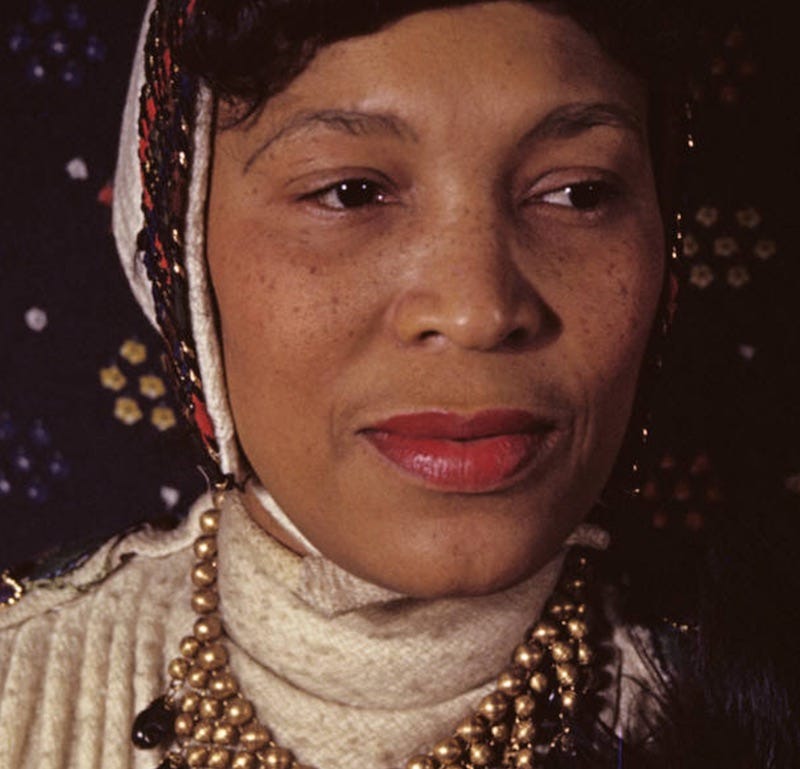
Source: Illustration by Carl Van Vechten for The New York Times
In the chapter titled “Love” from Dust Tracks Hurston details her experience with romantic love. Hurston speaks about her relationship with A.W.P., a man who she describes as “perfect”. Throughout the course of their relationship, they faced a major conflict. He wanted her to focus on him, not her career. Hurston also talks about A.W.P’s jealousy as a result of her work engagements that would take her attention away from him. As she details their relationship, she tries to remain impartial. So, Hurston insists that their “bitterest enemies could not have contrived a more exquisite torture”. This suggest that there is no one to blame for their issues, issues that clearly stem from a place of misogyny.
Hurston’s experience with love ties into her body as a woman and the inescapable subjectivity of the female body. Although Hurston attempts to step away from her body by not directly placing blame on either party for the shortcomings in the relationship, her body continuously resurfaces as the center of the text. She talks about A.W.P.’s issues with her career, and how his “manliness” made them both suffer as he struggles to come to terms with her success. She also talks about her career “continuously calling”, a call women must sometimes choose to ignore. The conflict between love and her career puts her identity as a woman at the center of the text.
This is a conflict that is uncommon among males. Why should Hurston sacrifice her career for love? Would a man be asked to do the same? Even though Hurston tries to remain objective by not addressing the conflicts that are a result of her female body, it is the elephant in the room. She does not discuss her subjectivity as a woman and its connection to her relationship with A.W.P. However, the body speaks for itself. This is because the body is unavoidable, the body will always surround the text whether the writer wants it to or not. Hurston attempts to assert her identity outside of female subjectivity, leveling the playing field, but this is impossible. Autobiographies speak from the body, and there are no exceptions for Dust Tracks on a Road.
Jacobs’ body moves towards the text.
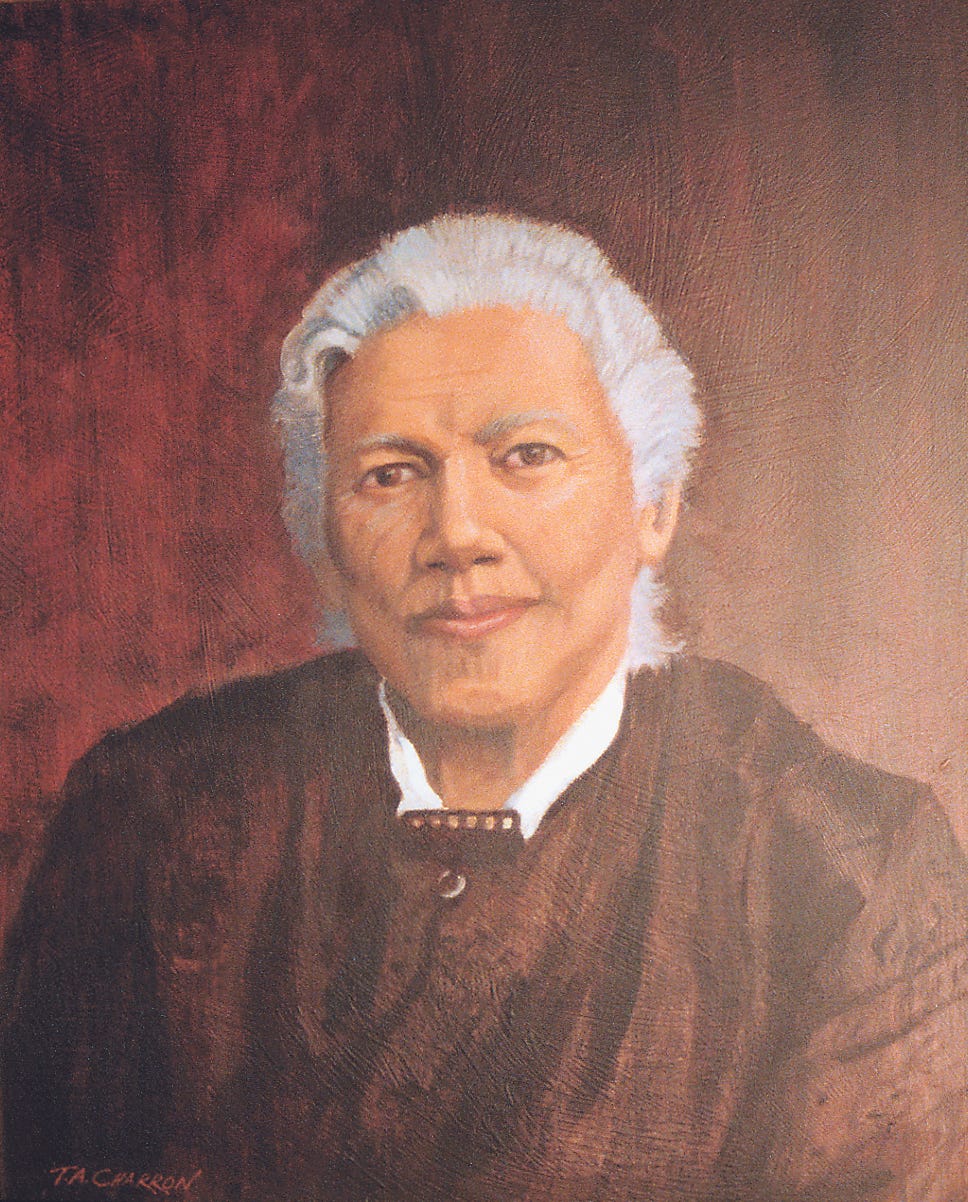
Source: Illustration by T.A. Charron for Bridgewater State University
Similar to Dust Tracks, in Jacobs’s Incidents in the life of a Slave Girl the body speaks for the writer’s identity. Incidents places the body at the center of the text. However, Jacobs is more intentional in this regard. Jacobs does not try to remove the body from the text. Instead, she writes to speak about the life of a slave girl. Jacob writes from a place of isolation, she’s one of the first to tell a story like hers, the story of the sexual abuse and suffering slave women are subjected to. Her story is not that of the victorious slave. It’s the story of a woman who fights to gain ownership of her body, held captive by her “owner”. In the chapter “Trials of Girlhood” Jacobs talks about how her master began to whisper “foul words” in her ears. This is the beginning of him taking ownership of her body in a new way. A man forty years her senior violated “the most sacred commandment of nature” through sexual abuse. Jacobs describes this experience as the “war of my life”, the war over her body. This war does not end until Flint dies. The male and female power relationship is strongly emphasized in Jacobs’s story as Jacobs fights to assert ownership over her own body, literally.
Texts are written from the body.
The body symbolizes how women are characterized socially. As Smith states “the body functions as a powerful source of metaphor for the social” . How the female body is represented in both texts, is evidence of the fact that the autobiographical body is subjectivity’s body. Hurston attempts to fight all that is assigned to the female body culturally, for her voice to be heard, she moves away from the body. However, Jacobs highlights the realities of what her body experiences, she claims the body of a “slave girl”, so that her voice can be heard. In both texts the bodies speak for themselves, whether the writer wants it to or not. Through autobiographies the body connects with female subjectivity as writers identify themselves to their readers. This is represented in both texts as the body stands as an inevitable place of narration that determines aspects of the writer’s identity.
Douglass, Frederick and Harriet Jacobs. Narrative of the Life of Frederick Douglass, an American Slave & Incidents in the Life of a Slave Girl. New York: Modern Library, 2011.
Hurston, Zora Neale. “Dust Tracks on a Road.” Parini, Jay. The Norton Book of American Autobiography. New York: W.W. Norton & Company, 1999. 333–342.
Smith, Sidonie. “Identity's Body.”266–292.
Smith, Sidonie and Julia Watson. Reading Autobiography. Minneapolis: University of Minnesota Press, 2010.
메타데이터
- post_id
- fc725e4c8a90
- slug
- the-body-speaks-dust-tracks-on-a-road-fc725e4c8a90
- url
- https://medium.com/@alriecaaa/the-body-speaks-dust-tracks-on-a-road-fc725e4c8a90
- canonical_url
- https://medium.com/@alriecaaa/the-body-speaks-dust-tracks-on-a-road-fc725e4c8a90
- author_url
- https://medium.com/@alriecaaa
- status
- ok
- fetched_at
- 2026-06-09 14:34:10




