The UK Felt Like A Place I Already Knew, Until I Actually Went There
🧜♀️
The UK Felt Like A Place I Already Knew, Until I Actually Went There
🧜♀️
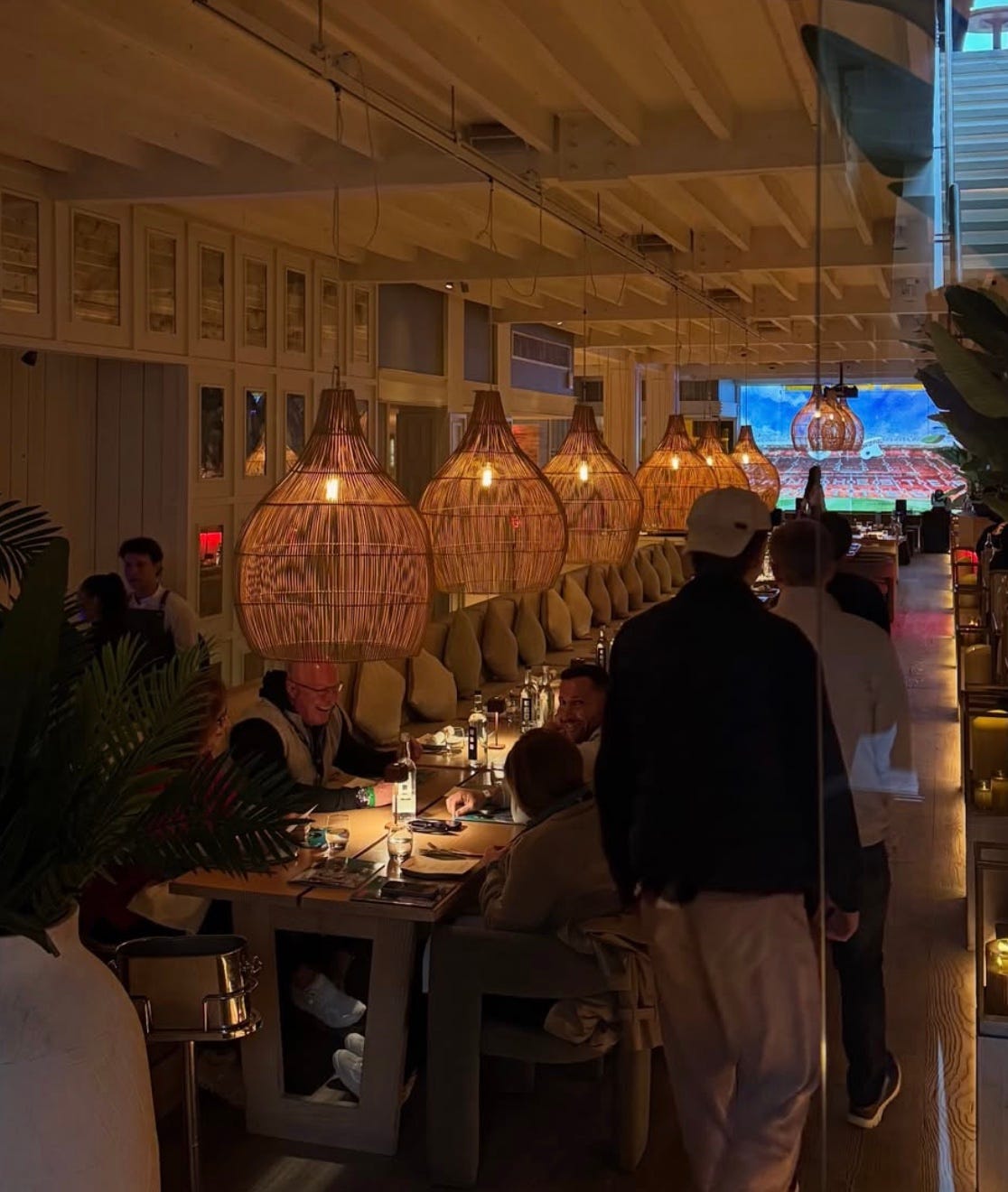
I thought the UK would feel familiar.
That was the first thing I got wrong.
Not because I had been there many times before. I had not. But the UK arrives in your head long before the plane lands.
Movies. Music. Football. Books. Royal buildings. Red buses. Rain jokes. Pub scenes. People saying “sorry” in ways that can mean apology, warning, irritation, or please move immediately.
So when I arrived, part of me expected recognition.
Like the country would open like a tab I had already visited.
Instead, it felt familiar and strange at the same time.
London looked exactly like London and nothing like the London in my head. The old buildings were real, but so were the delivery bikes, construction fences, impatient crowds, overpriced coffee, wet shoes, and tourists standing confidently in the wrong place.
The UK did not feel like a postcard.
It felt like a place where postcards are sold next to train delays, warm pubs, ancient stones, modern glass, gothic churches, and people quietly pretending the weather is normal.
That was much better.
London Did Not Introduce Itself Politely
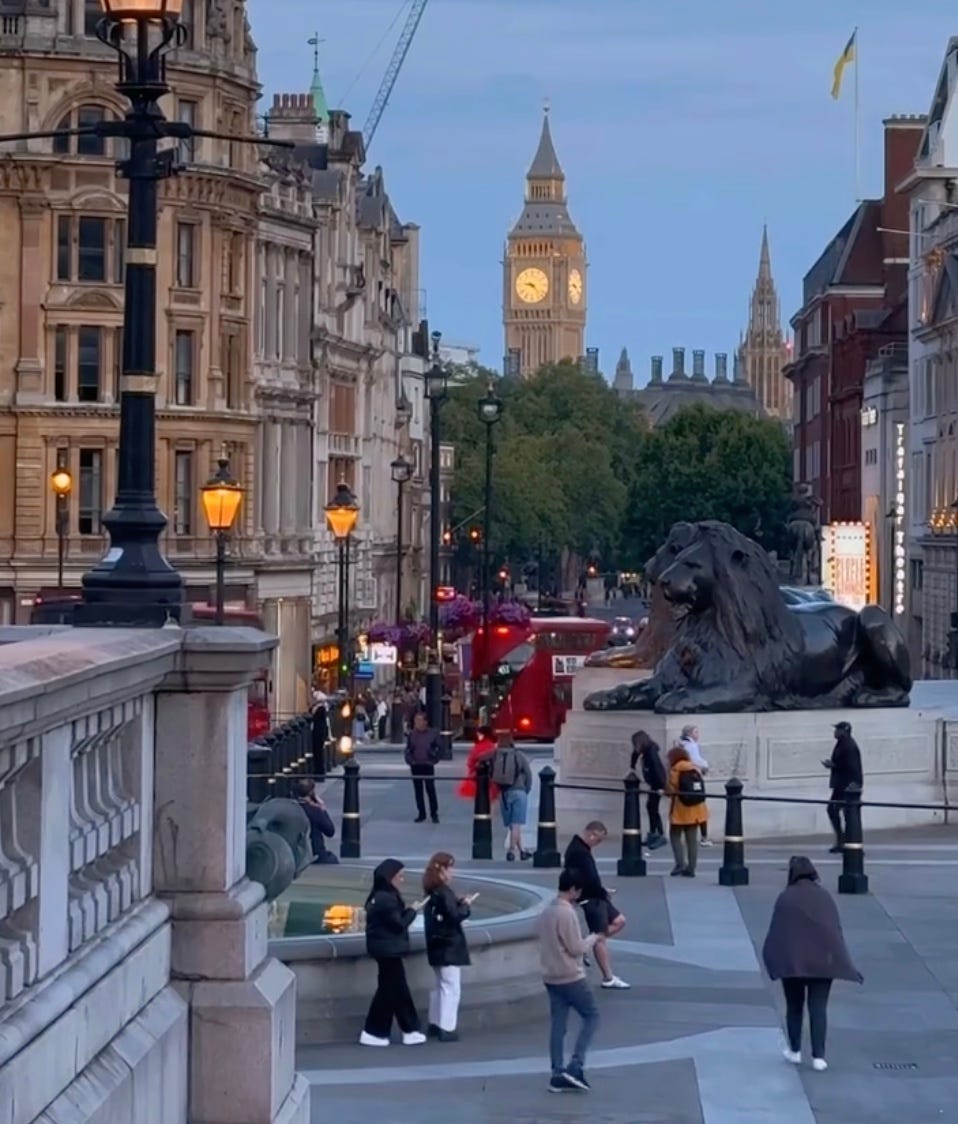
London does not really say hello.
London just starts.
You come out of a station and suddenly there is a bus, a cyclist, a person walking faster than reason, a building older than your country’s tax system, a pub on the corner, and five different directions that all look correct.
It is not a city that waits for you to settle in.
It moves.
And you either move with it or become part of the pavement scenery.
The funny thing is that London is both dramatic and completely normal at the same time.
You can stand somewhere near a famous square, see Big Ben glowing in the distance, and think:
“This is one of the most recognizable places in the world.”
Then two minutes later, someone almost walks into you while eating a sandwich and looking deeply annoyed at their phone.
That contrast is what made London interesting to me.
It was not trying to preserve the fantasy.
It was too busy being used.
People work around the monuments. Buses pass the icons. Restaurants fill up. Sirens move through historic streets. The city keeps going while tourists try to turn every corner into a memory.
I liked that.
A city this famous could easily feel like a museum.
London felt more like a machine with history stuck inside it.
Big Ben Still Works, Even If You Think You Are Too Cool For It
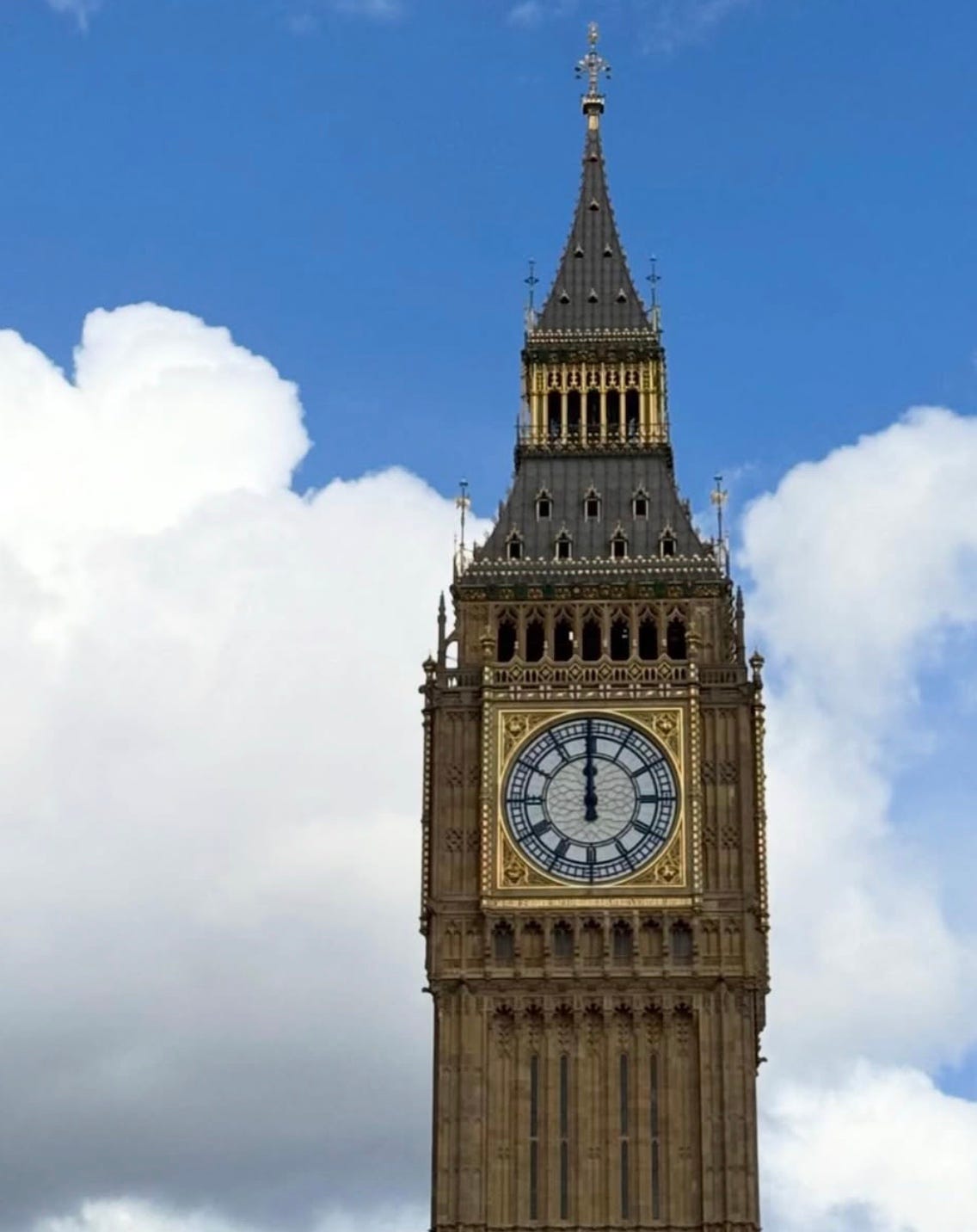
Some landmarks are so famous that you almost expect to feel nothing.
Big Ben is one of them.
You have seen it too many times before seeing it.
On screens. On mugs. In films. In cheap souvenirs. In every travel article that needed a fast visual shortcut for London.
So part of me thought I would look at it and simply confirm that yes, the clock exists.
But then it was there.
Huge, detailed, golden, serious, almost theatrical against the clouds.
And I had to admit the obvious thing:
It is famous for a reason.
That is the annoying thing about some landmarks. You want to be original. You want to pretend you are above the classic stops. Then the classic stop appears in real life and quietly wins.
Big Ben did not give me some deep spiritual moment.
It just gave me that simple travel feeling:
“Okay. I am actually here.”
Sometimes that is enough.
The Weather Was Not The Problem. My Expectations Were.
I had been warned about the weather.
Everyone gets warned about the weather.
People talk about British weather like it is a national personality trait with clouds.
But the weather itself was not the real problem.
The problem was my optimism.
I kept thinking:
“Maybe it will clear up.”
Sometimes it did.
For twelve minutes.
Then the sky changed its mind again.
In the UK, the weather does not ruin the day. It edits the day.
It changes the pacing, the lighting, the route, the mood. It makes you enter places you might have walked past. It turns a quick coffee into a small shelter. It makes pubs feel less like an option and more like infrastructure.
After a while, I stopped fighting it.
Clouds gave old buildings more character. Rain made streets look cinematic. Grey skies made warm interiors feel better. And every bit of sunlight felt like a limited-time offer.
That is probably the trick.
Do not wait for perfect weather in the UK.
Use whatever weather you get.
It is usually trying to tell the story anyway.
A Red Phone Box Is Still Ridiculous, And That Is Why It Works
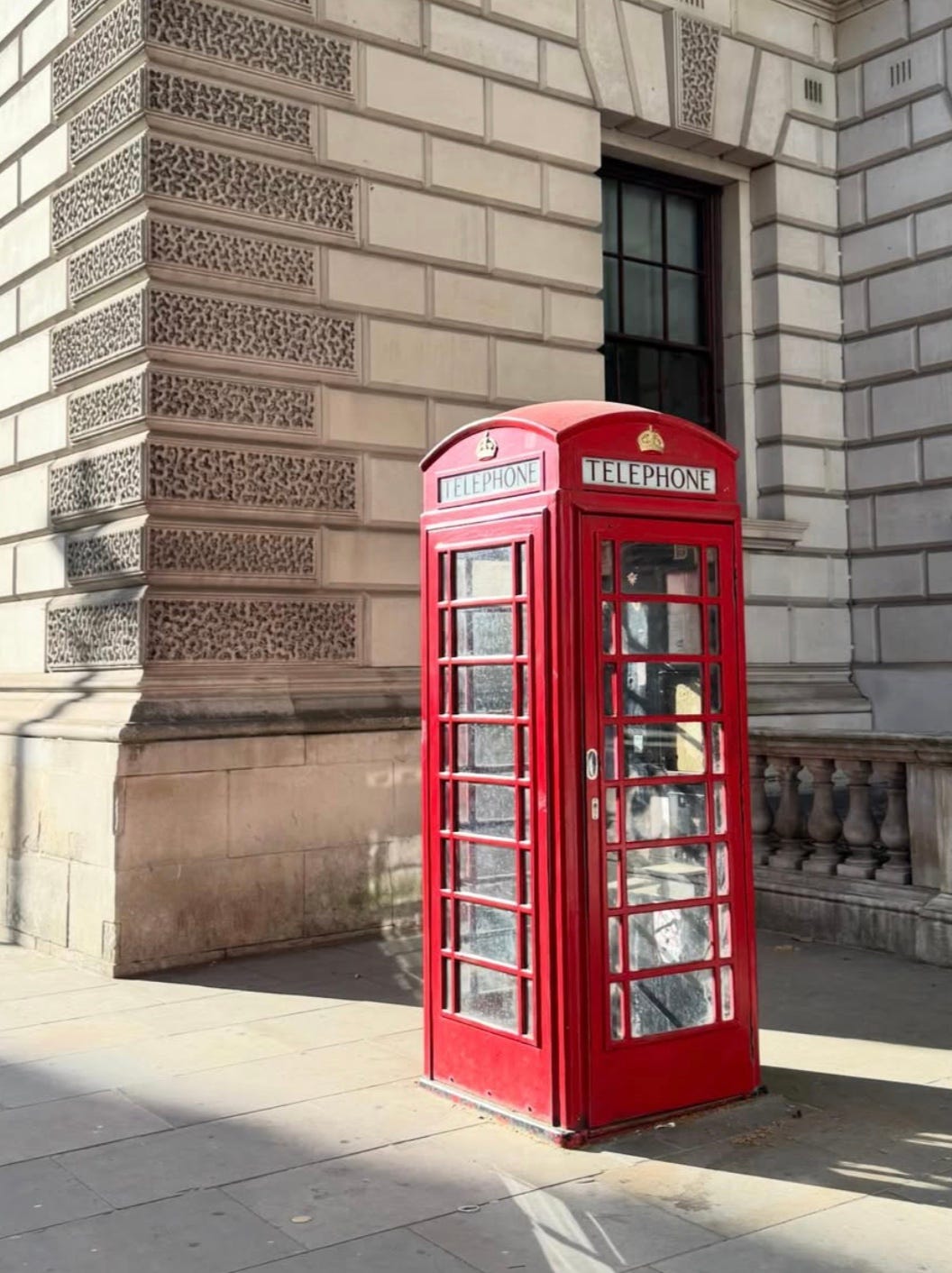
There are objects that should have become boring because we have seen them too often.
A red telephone box is one of them.
It is everywhere in images of Britain. Travel guides, postcards, magnets, films, Instagram posts, airport shops selling things nobody needed but someone bought anyway.
So I expected to ignore it.
Then I saw one in real life and immediately became the tourist I thought I was above being.
Because it works.
The red is too red. The shape is too perfect. The whole thing looks designed to survive rain, nostalgia, and people taking the same photo forever.
It is not useful in the modern sense.
That is almost the point.
Travel is full of things that do not need to be useful to matter.
A phone box. A black cab. A pub sign. An old clock. A stone wall. A bridge you have seen in films.
You know them already.
But seeing them in context still does something.
Not a big emotional explosion.
Just a quiet click in the brain:
“Yes. This is Britain.”
The UK Does Gothic Very Well
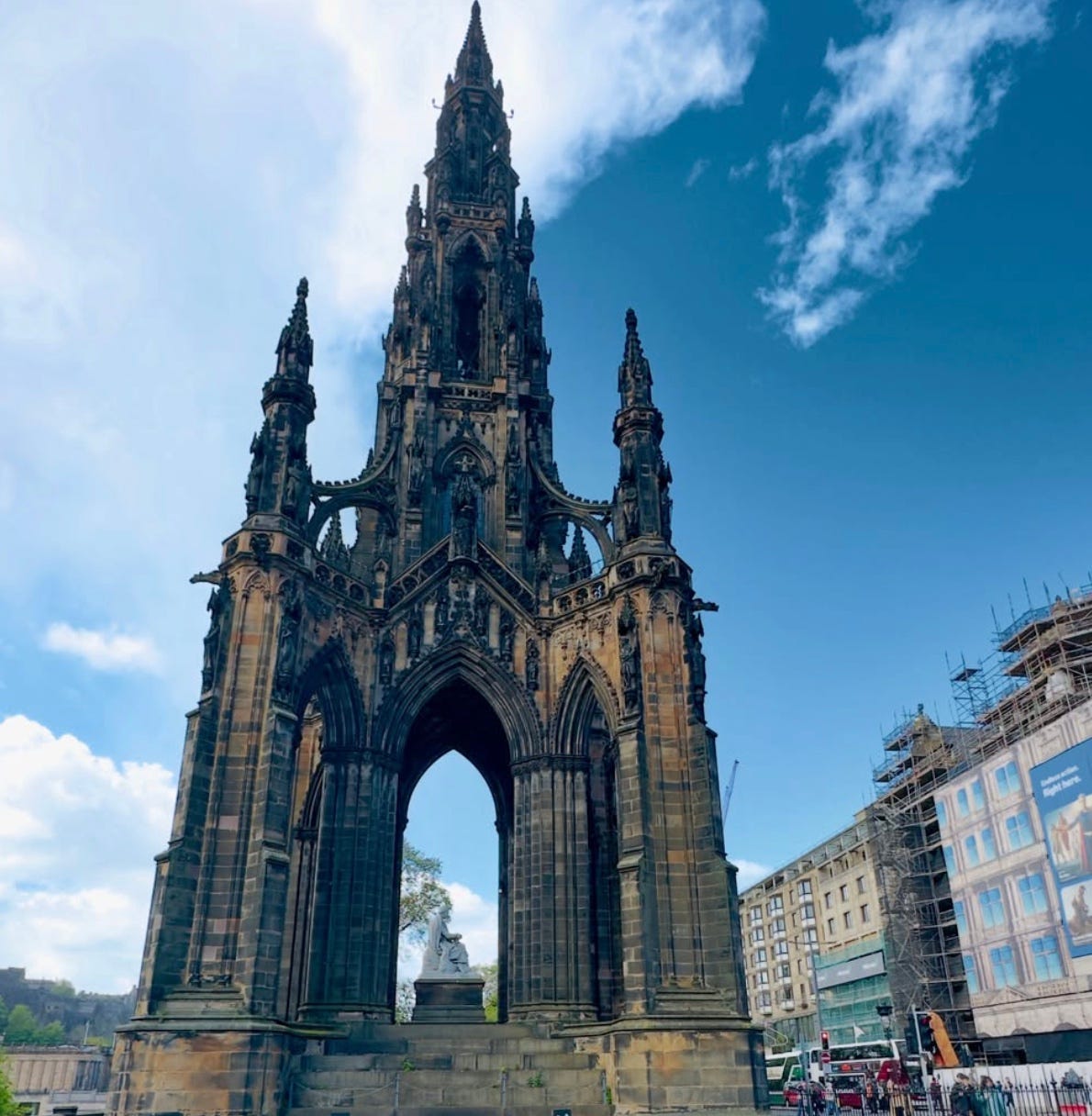
There is a specific kind of British stone that looks dramatic even when nothing is happening.
Dark, vertical, serious, slightly moody.
The kind of architecture that makes the sky look more intentional.
I kept noticing it.
Towers. Arches. Churches. Monuments. Old civic buildings that looked like they had opinions.
In some countries, old buildings feel decorative. In the UK, they often feel atmospheric. They do not just sit in the city. They change the mood around them.
Especially under clouds.
A gothic tower on a sunny day is impressive.
A gothic tower under a grey sky feels like it is about to begin a novel.
And yes, that sounds dramatic, but Britain encourages this kind of thinking. You walk around long enough and suddenly everything feels like it needs a soundtrack, a mystery, or at least someone in a long coat looking concerned.
That is part of the fun.
The UK knows how to make stone feel like weather.
Some Places Felt Like They Were Built For Grey Skies
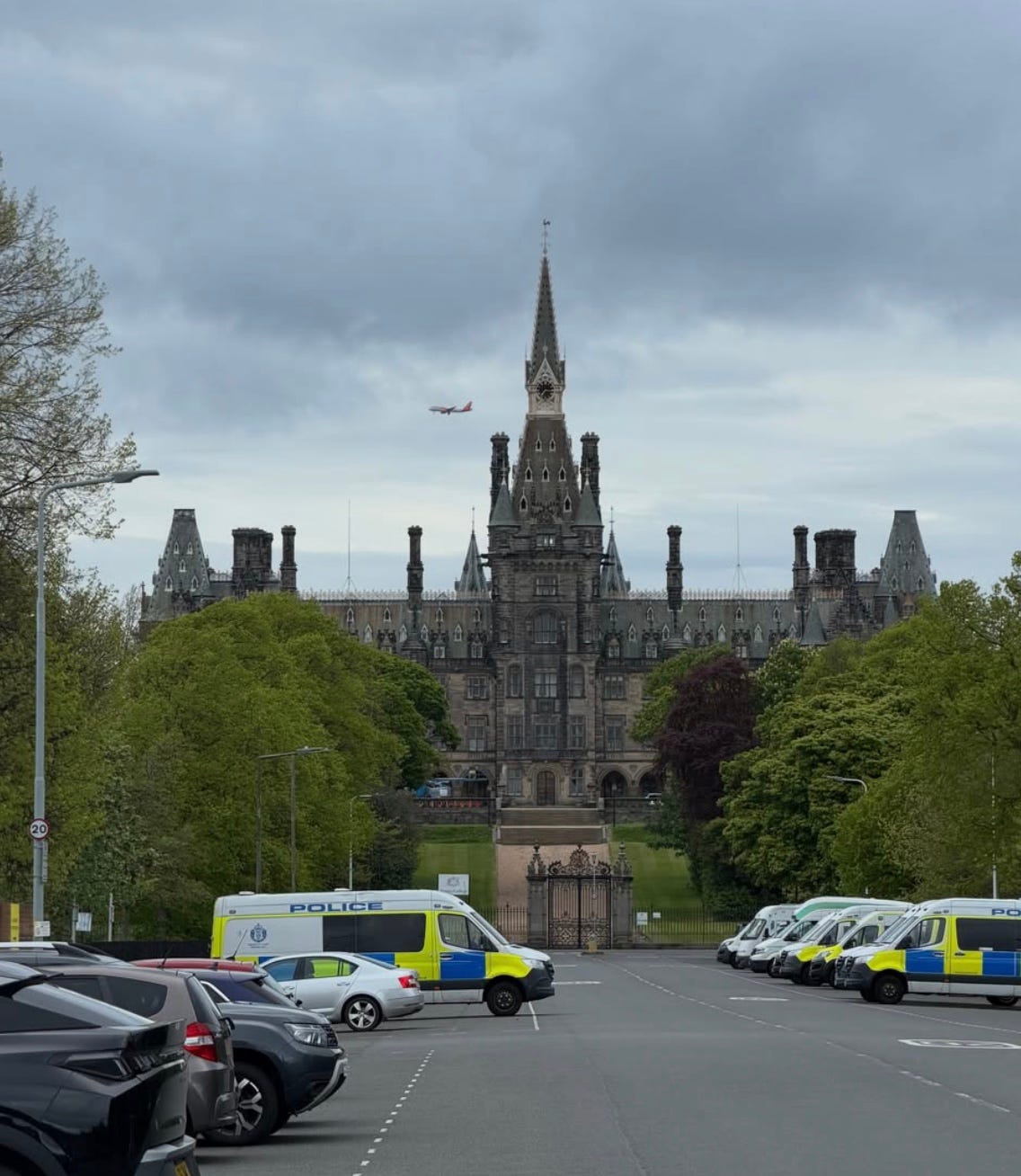
There were moments when the sky and the architecture seemed to have made an agreement.
No bright colors. No dramatic sunshine. No easy postcard beauty.
Just dark stone, heavy clouds, green trees, and a building that looked like it had been waiting patiently for this exact weather.
I liked that.
Not every place needs to be cheerful to be beautiful.
Some places work because they lean into the mood.
The UK is good at that kind of beauty. It does not always sparkle. It does not always try to charm you immediately. Sometimes it stands there under a grey sky and lets you decide whether you are patient enough to look properly.
At first, I found that a little cold.
Then I started to enjoy it.
There is a strange comfort in a country that does not constantly beg to be liked.
Churches Were The Places Where The Noise Dropped
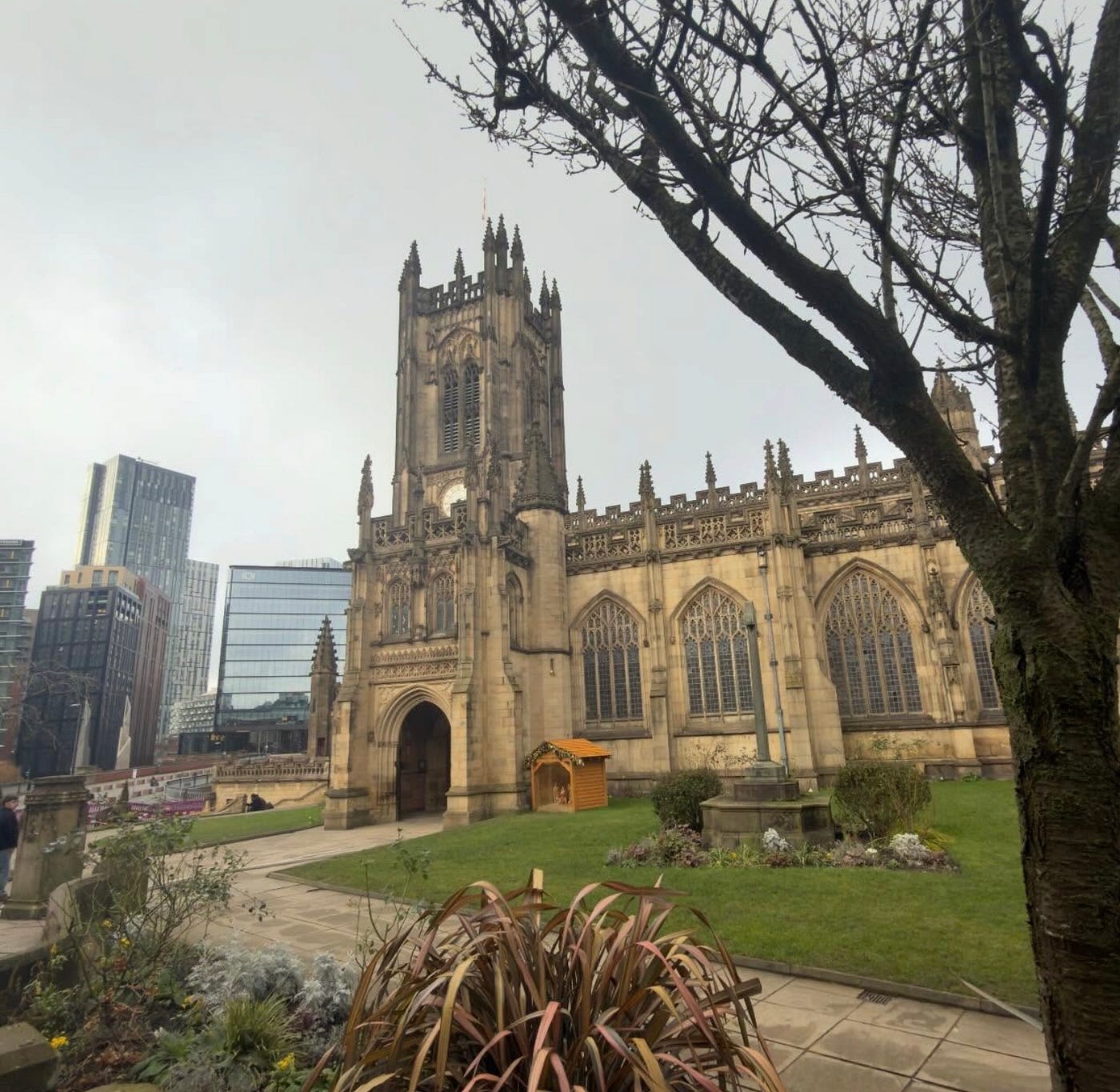
I did not plan the trip around churches.
But churches kept becoming pauses.
Not always the famous ones. Sometimes it was a church sitting quietly between glass buildings, traffic, office workers, shops, and all the modern things pretending to be permanent.
That contrast stayed with me.
Old stone on one side.
New buildings on the other.
Wet grass.
People walking past.
A door that looked like it had seen more centuries than I could properly imagine.
Inside or outside, these places changed the speed of the day.
That is what I liked.
The UK can be busy in a very specific way. Not always chaotic, but dense. Streets, signs, stations, queues, conversations, card taps, escalators, announcements, road crossings, constant movement.
Then suddenly there is a church.
And the city lowers its voice a little.
Not for long.
But enough.
The Pub Is Not Just A Place To Drink
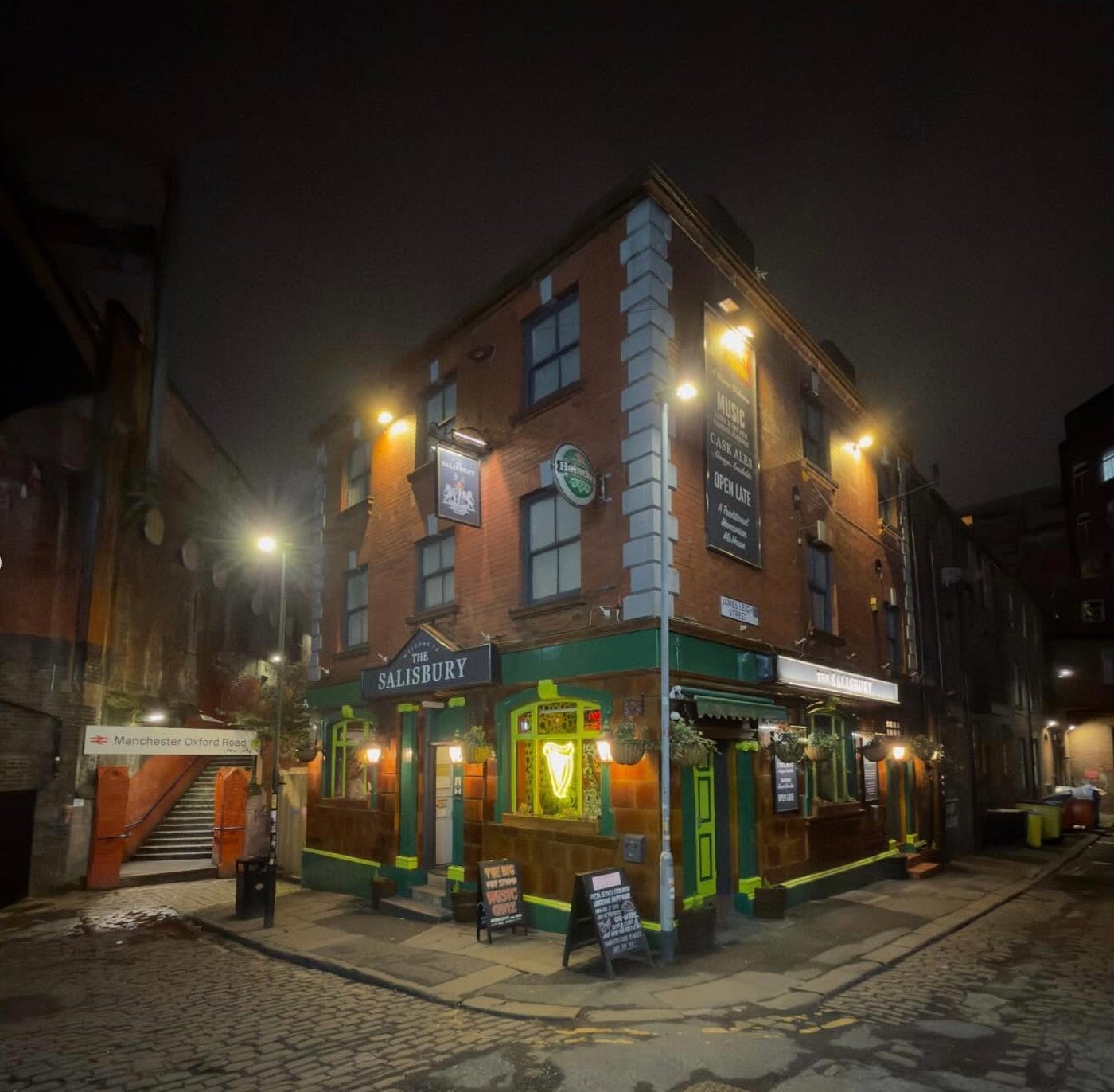
I understand now why people talk about British pubs with emotional seriousness.
A pub is not only a bar.
It is a weather solution.
A social room.
A navigation break.
A place to sit when your legs have started negotiating with your brain.
A small public living room with beer taps.
The best pub moments were not dramatic. Nobody gave a speech. Nothing life-changing happened. I just sat down, warmed up, looked around, and felt the day become less complicated.
That is a travel luxury people do not mention enough.
A place where you do not need to achieve anything.
No viewpoint.
No ticket.
No must-see.
Just a table, low light, background conversations, a pint, and the feeling that walking in the cold suddenly had a purpose.
The UK does this well.
It gives you long, grey, slightly tiring days and then rewards you with rooms that understand exactly what those days require.
Food In The UK Was Better When I Stopped Asking It To Be Something Else

British food has a reputation problem.
Some of it is deserved.
Some of it is lazy internet repetition by people who had one bad sandwich and built a personality around it.
My experience was simpler.
The food was best when I stopped expecting elegance and started appreciating comfort.
Crispy potatoes.
Warm plates.
Pub meals.
Sauces.
Breakfasts that felt like a challenge and a hug at the same time.
Food that did not always look delicate but made complete sense when it was raining outside and you had walked far enough to stop pretending you were not tired.
The UK also has another advantage: it is not only “British food.”
It is Indian food, Middle Eastern food, Caribbean food, Chinese food, Italian food, Turkish food, and a hundred other meals shaped by the people who actually live there.
That is where the country becomes more interesting than its stereotypes.
A place can have old traditions and still be changed every day by new kitchens, new neighborhoods, new habits.
That felt very British too.
Not the postcard version.
The real one.
The Best London Moments Happened Between Famous Places
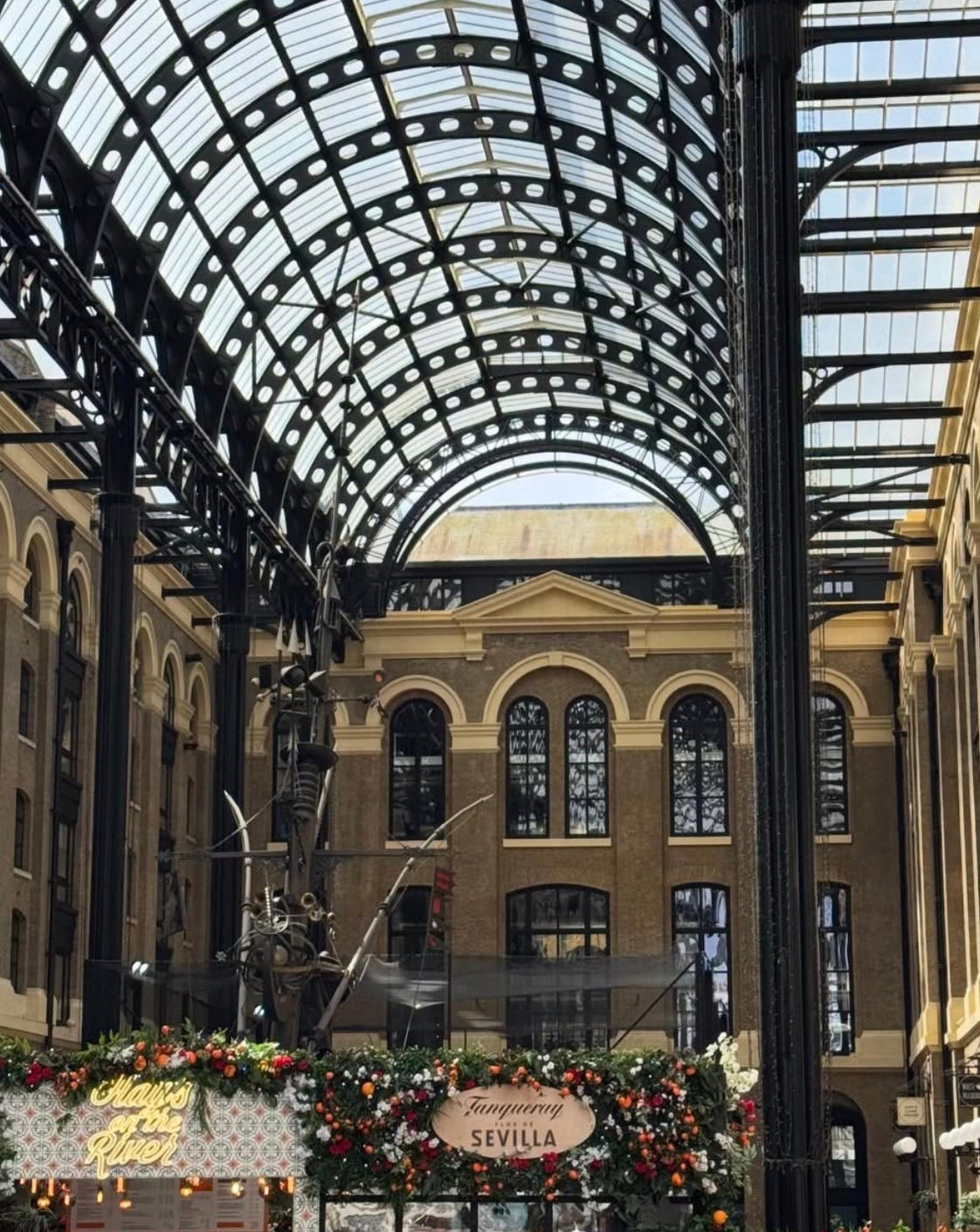
Some cities are best understood through landmarks.
London is not one of them.
The landmarks matter, of course.
Tower Bridge. Big Ben. Westminster. The palace buildings. The museums. The squares.
But the better moments happened between them.
Walking through a covered market.
Turning into a smaller street.
Finding a place to sit.
Watching people move through the city with the quiet confidence of people who know which exit is best.
Seeing old brick next to glass.
Hearing different accents within ten minutes.
Realizing that London is not one city but a pile of cities pretending to be one.
That is why it can be exhausting.
That is also why it works.
A perfect London day is not necessarily one where you see everything.
It is one where the city gives you enough fragments to make you want to come back.
Westminster From A Moving City
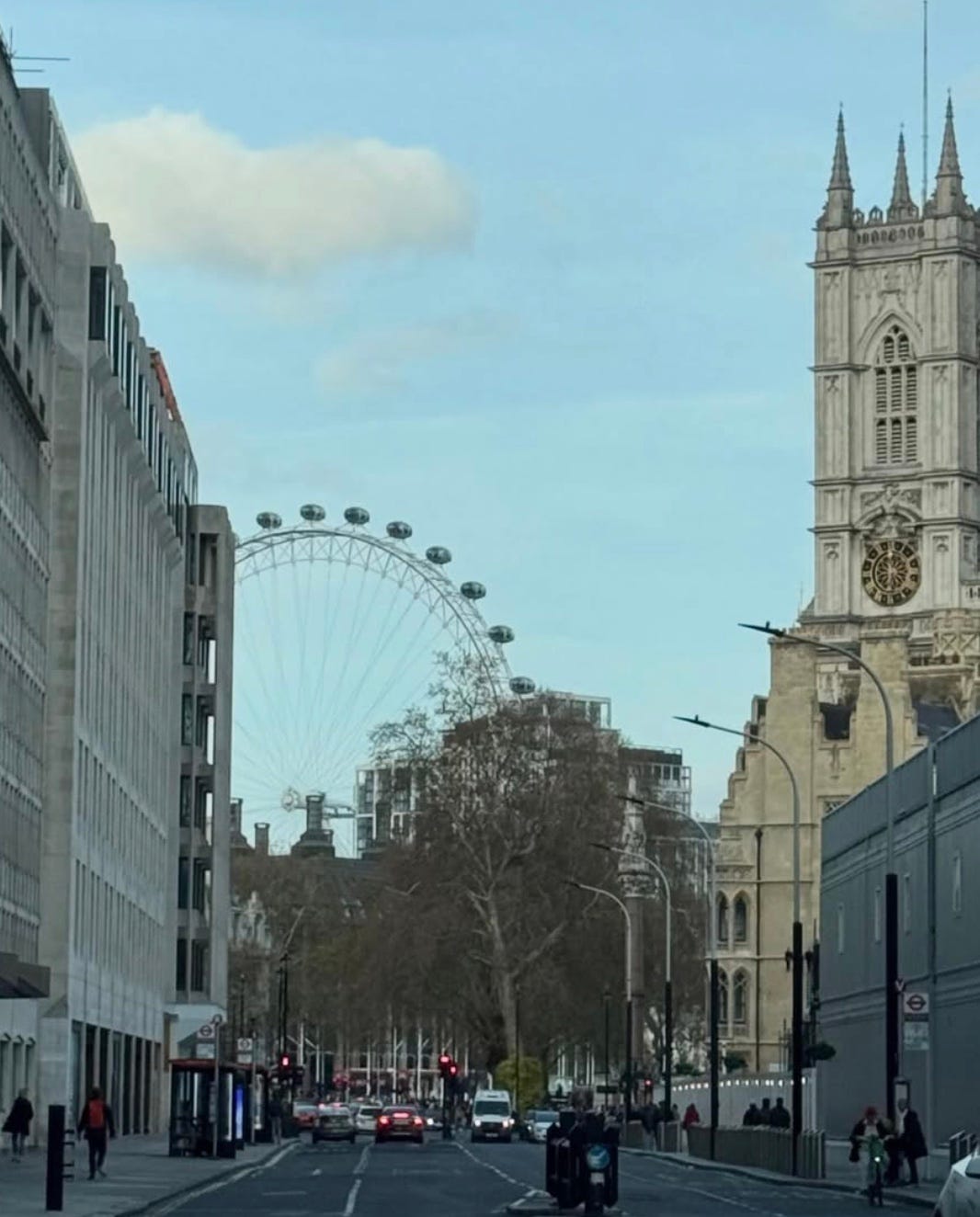
There are views in London that feel like they were assembled from symbols.
A church tower. A modern wheel. Traffic lights. Office buildings. A grey-blue sky. People crossing streets without caring that the background is famous.
That is what I liked about seeing Westminster from the city, not only from the obvious postcard angles.
The famous things were there.
But they were not isolated.
They were surrounded by buses, cars, glass buildings, road signs, commuters, construction, traffic, and ordinary city movement.
That made them feel more real.
London’s landmarks do not float above the city.
They are trapped inside it.
And somehow that makes them better.
Tower Bridge Looked Famous And Still Impressed Me
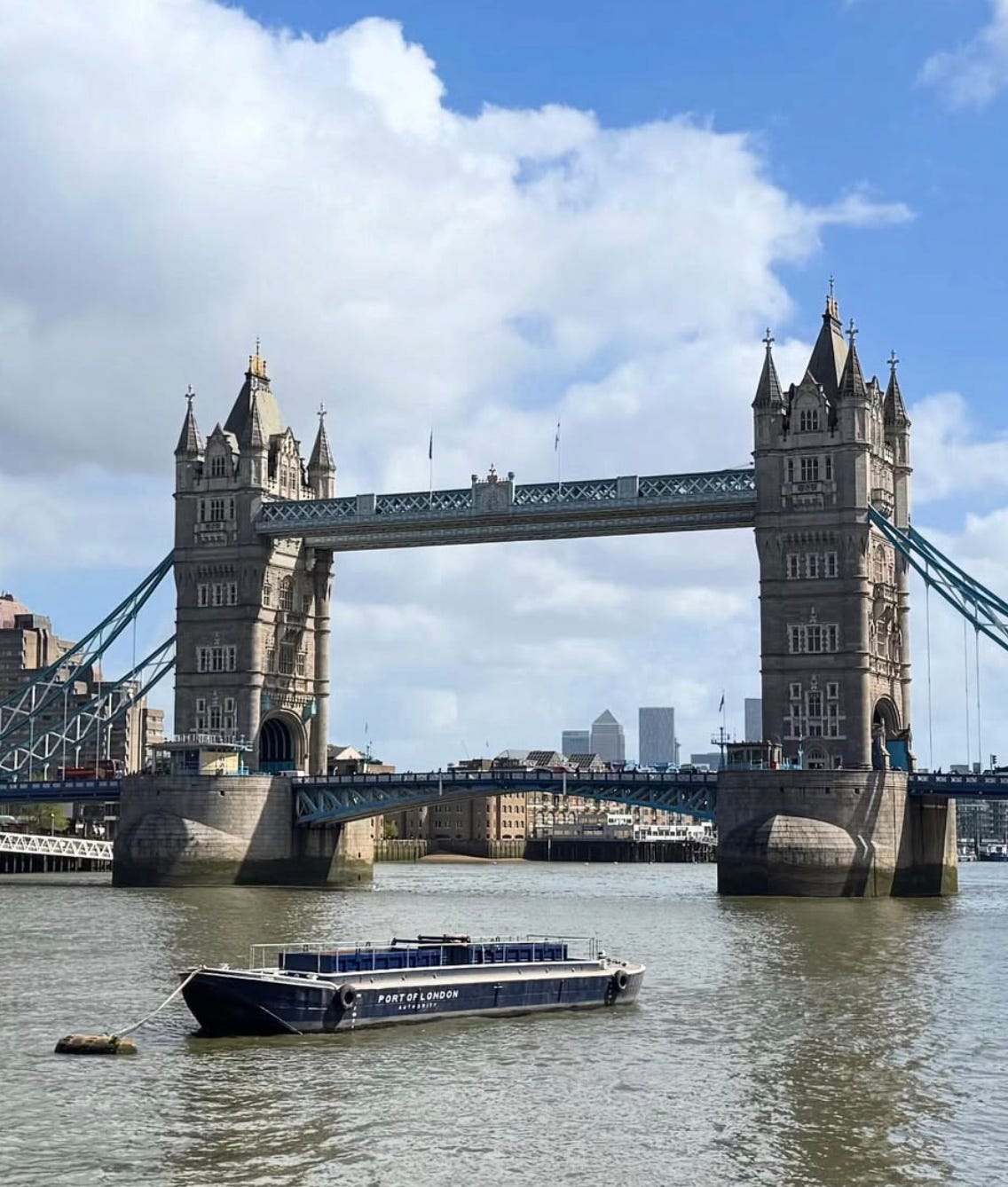
Some places are so famous that you expect them to disappoint you.
Tower Bridge did not.
Maybe because it looks almost unreal even in person. Too balanced. Too theatrical. Too ready for a film scene.
And yet it still functions as part of the city. Boats move. People walk. Traffic continues. The river does not care that everyone is taking photos.
That is what I liked about it.
It was iconic without feeling frozen.
London has a talent for that. It takes buildings that could become museum pieces and surrounds them with ordinary movement.
Someone is commuting.
Someone is lost.
Someone is late.
Someone is posing.
Someone is just crossing the bridge because it is the way to get somewhere.
The landmark keeps being used.
That makes it feel alive.
The Practical Side: You Need The Internet More Than You Think
This is the least romantic part of the trip, which means it matters.
The UK is easy to travel, but it is still full of small decisions.
Which train? Which platform? Which exit? Which bus stop? Which museum time slot? Which pub is actually open? Which route avoids twenty unnecessary minutes in the rain?
You can absolutely travel without being online all the time.
But having mobile data makes the difference between “nice spontaneous wandering” and “why am I standing under a bridge pretending this is part of the plan?”
**I usually use Skyalo** now because it has become one of those travel tools I check before almost every trip. Not because it is the exciting part, but because it removes one boring problem before the airport even happens.
In the UK, that mattered more than I expected.
Not for posting photos.
For trains. For maps. For restaurant hours. For tickets. For finding the right door in a city where the right door is somehow always around the corner.
Travel looks more romantic when you describe it later.
While it is happening, you often just need your phone to load.
Stonehenge Was Stranger Than I Expected
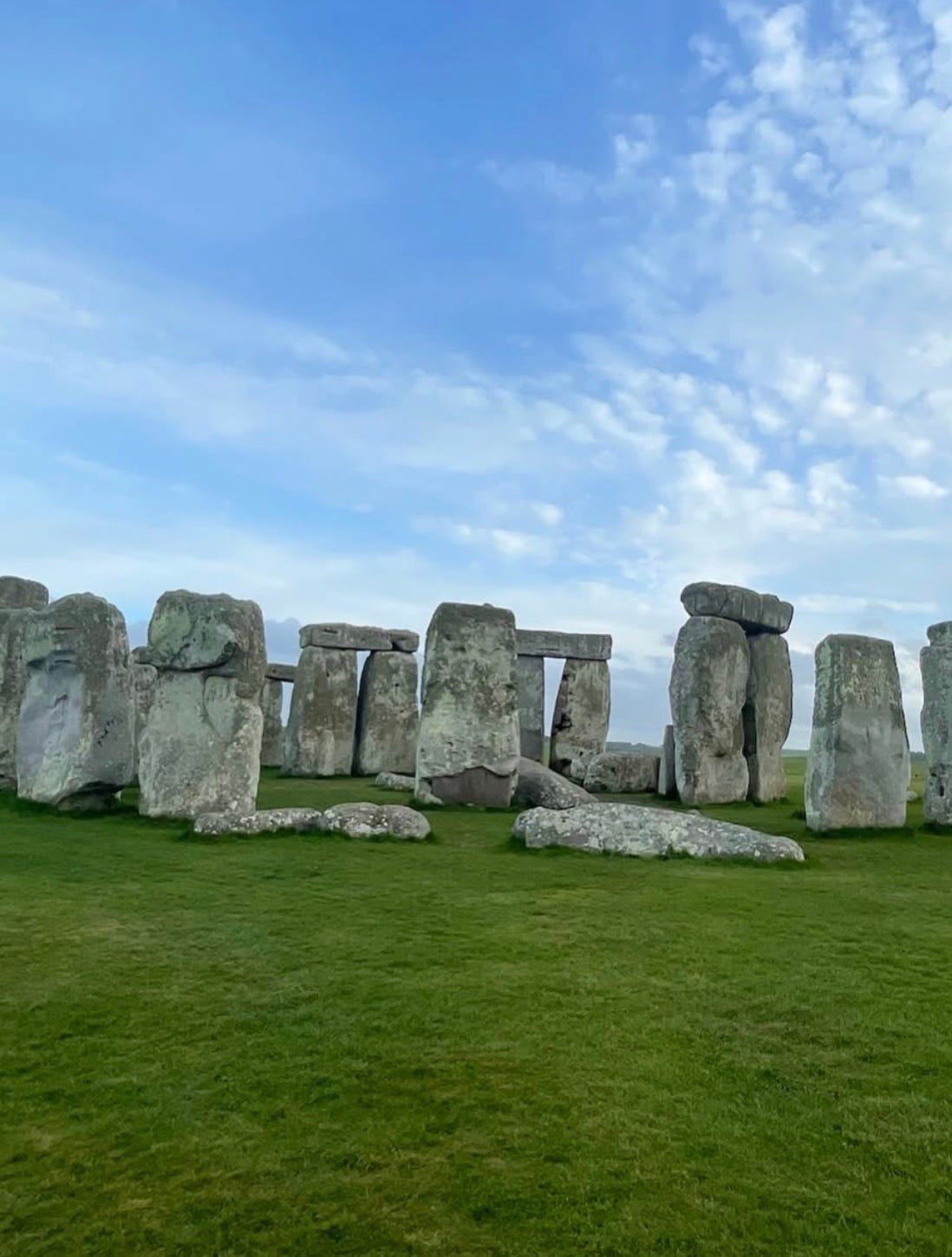
Stonehenge is strange because everyone knows what it looks like.
That makes it harder to visit.
You arrive with the image already loaded in your head. The stones cannot surprise you by shape. They have been photographed too many times for that.
But they can surprise you by silence.
Not total silence, obviously. There are people. There are paths. There are explanations. There is the practical machinery of tourism doing what tourism does.
But the stones themselves have a different kind of presence.
They do not perform.
They do not care if you understand them.
They do not care if your photo is good.
They just stand there, older than almost every thought you brought with you.
I liked that distance.
Some places invite you in.
Stonehenge keeps you slightly outside.
And maybe that is why it works.
You do not leave with full understanding.
You leave with a feeling that human beings have always been building things, moving things, fearing things, celebrating things, and trying to make the sky mean something.
That is enough.
Some Bridges Feel Like Weather Made Them
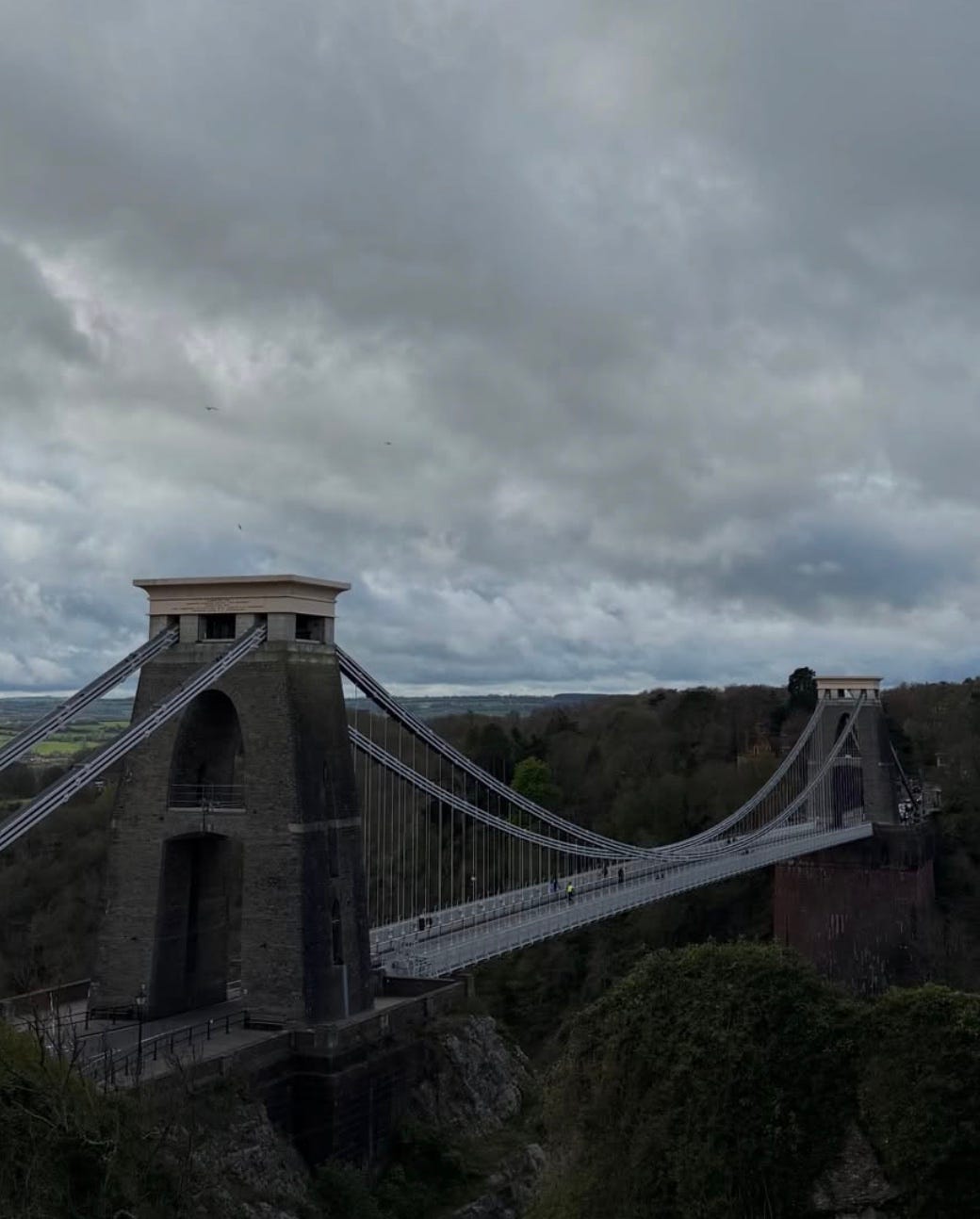
There was one moment when the landscape changed the tone of the trip.
A bridge, heavy clouds, green edges, dark stone, and the feeling that the country was older, rougher, and more dramatic than the London version suggests.
That is the thing about the UK.
It can move from polished city to ancient-looking landscape very quickly.
One moment you are in a station buying coffee.
Later you are looking at a bridge or a coastline or a hill and thinking the weather has become part of the architecture.
I liked those moments because they broke the rhythm.
The trip stopped being about sights and became about atmosphere.
Not everything needed a big explanation.
Sometimes the sky did most of the writing.
The Flag, The Buildings, And The Version I Did Not Expect
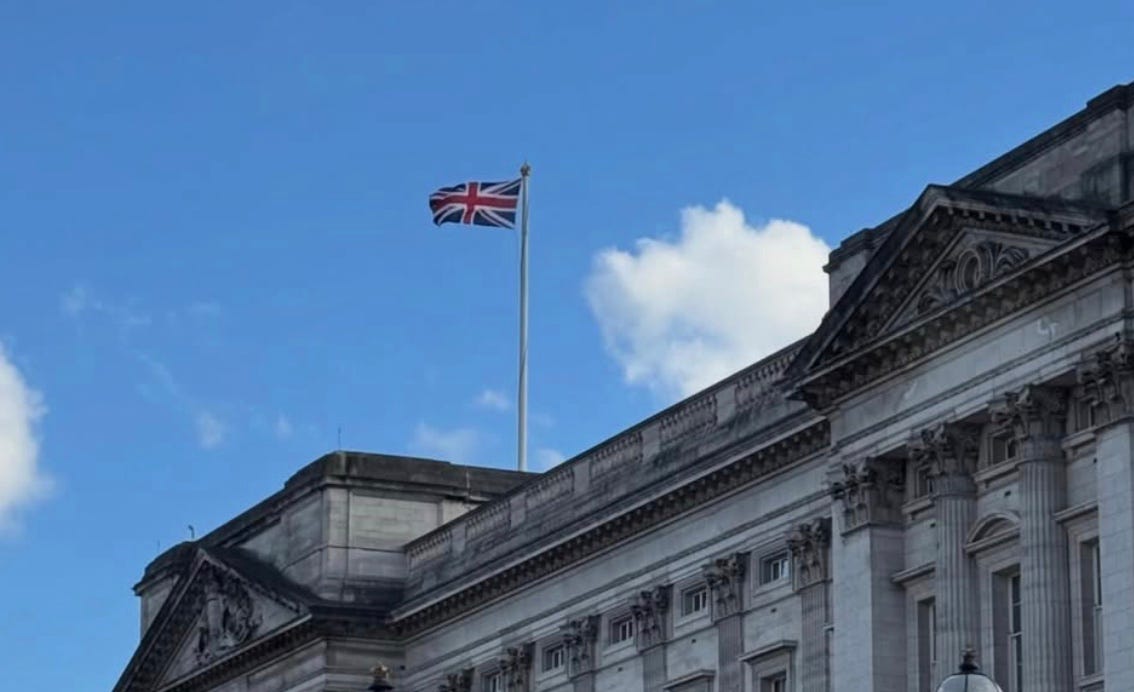
By the end, I did not feel like I had “done” the UK.
That phrase sounds especially wrong there.
The country did not feel like a checklist.
It felt like a series of contradictions that somehow made sense together.
Formal and messy.
Polite and impatient.
Old and modern.
Grey and colorful.
Expensive and surprisingly simple in small moments.
Familiar and completely strange.
I liked the UK most when I stopped asking it to match the version I had built from films, books, music, and lazy stereotypes.
The real thing was better.
Not always easier.
Not always prettier.
Not always cheaper.
But better.
Because it had friction.
It had weather.
It had pub light, stone towers, red phone boxes, crowded stations, quiet churches, big landmarks, small streets, and that very British ability to make a grey day feel like part of the design.
I thought I already knew the UK before I arrived.
Then I went there and realized I had only known the symbols.
The country itself was stranger, heavier, funnier, warmer, and much more alive.
That is the version I would return for.
메타데이터
- post_id
- fc7b1a2a1656
- slug
- the-uk-felt-like-a-place-i-already-knew-until-i-actually-went-there-fc7b1a2a1656
- url
- https://medium.com/@ellionf/the-uk-felt-like-a-place-i-already-knew-until-i-actually-went-there-fc7b1a2a1656
- canonical_url
- https://medium.com/@ellionf/the-uk-felt-like-a-place-i-already-knew-until-i-actually-went-there-fc7b1a2a1656
- author_url
- https://medium.com/@ellionf
- status
- ok
- fetched_at
- 2026-06-13 09:42:26