Myth and Reality Intertwined: The Chimera’s Allegory in “Saint Omer”
The film “Saint Omer” (2022) is a French legal drama directed by Alice Diop. The plot revolves around Rama, a literature professor and…
Myth and Reality Intertwined: The Chimera’s Allegory in “Saint Omer”
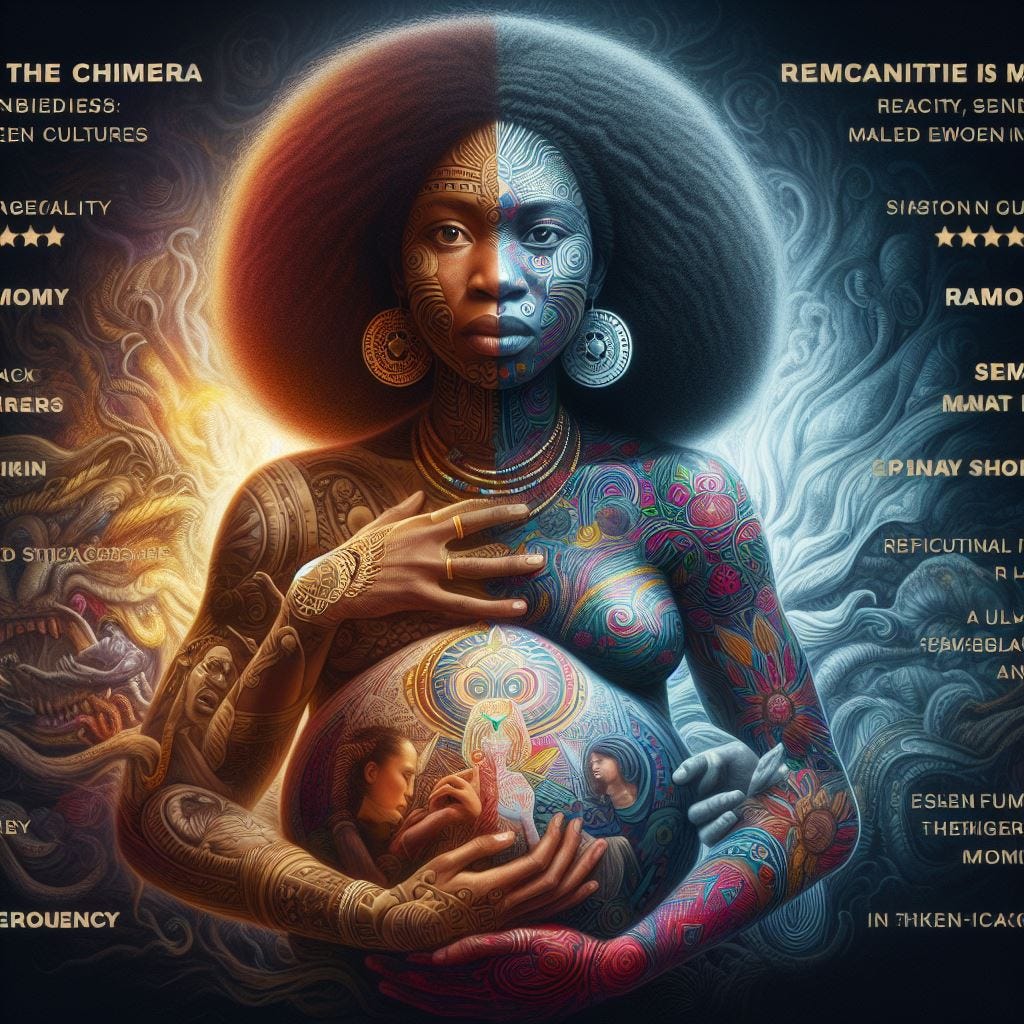
The film “Saint Omer” (2022) is a French legal drama directed by Alice Diop. The plot revolves around Rama, a literature professor and novelist, who travels to Saint-Omer to observe the trial of Laurence Coly, a student and Senegalese immigrant. Coly is accused of leaving her 15-month-old daughter on a beach to be swept away by the tide. Rama, who is pregnant and shares a similar background with Coly, feels a personal connection and plans to write a modern retelling of the Greek Medea myth based on the case. The myth of Medea explores themes of love, betrayal, revenge, and the consequences of one’s actions. It also touches on the status of women and foreigners, as Medea is often depicted as an outsider whose skills and knowledge are admired and feared. Her story has been retold and adapted countless times, highlighting the enduring impact of her character and the myth itself on literature and culture.
The main theme
The film’s central idea explores themes of motherhood, personal flaws, societal circumstances, and the complexities of immigrant life in France. It delves into Coly’s isolation and the pressures of the justice system, which seeks to reconcile events in black-and-white terms. The film also examines Rama’s increasing anxiety about her own life and pregnancy as she learns more about Coly’s life.
“Saint Omer” is noted for its haunting style and for raising questions about the nature of motherhood and the societal expectations placed upon it. The film does not reveal the trial’s outcome but focuses on Rama’s journey and relationship with her mother. It’s a thought-provoking piece that challenges viewers to consider the characters’ situations’ complexities and their actions’ broader implications over the idea of another mythological character: the Chimera.
Chimera
In Greek mythology, the Chimera is a monstrous creature that embodies a terrifying mix of different animals. It is typically described as having the body of a lion, with a goat’s head emerging from its back and a serpent or dragon as its tail.
The term “chimera” has since transcended its mythological roots to denote any fantastical idea or figment of the imagination and any creature or thing composed of wildly disparate parts. It can also refer to a genetic chimera, an organism composed of cells from different zygotes. This ties back to the mythological creature’s composite nature. Then, in mythology, a chimera is a creature composed of parts from other animals, often symbolizing something that is hoped for but impossible to achieve.
The theme of the Chimera in “Saint Omer” can be interpreted as a metaphor for the complex and multifaceted nature of identity, particularly in the context of immigration and motherhood.
In the film, this theme is reflected in the character of Laurence Coly, who embodies a chimera-like identity. She is a Senegalese immigrant in France, caught between cultures and struggling with her sense of belonging. Her life is a blend of different influences and expectations, which makes her feel fragmented, like an illusion. This is further complicated by her role as a mother, where she faces societal pressures and personal flaws that challenge the intuitive nature of motherhood.
The film’s protagonist, Rama, also grapples with a chimera-like existence. As she observes Coly’s trial and reflects on her own life, she confronts the disparate elements of her identity: her pregnancy, her mixed-race relationship, and her complex relationship with her Senegalese mother. Rama’s journey in the film mirrors the mythological Chimera as she navigates the conflicting parts of her life and the elusive nature of a cohesive identity.
“Saint Omer” uses the chimera theme to explore the characters’ internal conflicts and external pressures, ultimately questioning the possibility of a harmonious existence within a society that often seeks to categorize and simplify complex human experiences.
Microchimerism occurs when pregnant women absorb the DNA of their unborn children, allowing cells from the fetus to integrate into the mother’s own tissues. Consequently, mothers possess their children’s distinct genetic markers, potentially influencing their being in myriad ways. This scientific phenomenon resonates with the film’s narrative, particularly through the character Laurence Coly’s turmoil. Laurence grapples with the rigid standards of motherhood imposed by society, which precipitates her mental anguish. “Saint Omer” juxtaposes her struggle with the literal merging of her child’s DNA within her, drawing a parallel that underscores the intricate nexus between motherhood and personal identity. It also critiques the profound effects societal norms can have on an individual.
메타데이터
- post_id
- fc9d41dedf68
- slug
- myth-and-reality-intertwined-the-chimeras-allegory-in-saint-omer-fc9d41dedf68
- url
- https://medium.com/@FeyzaToprak/myth-and-reality-intertwined-the-chimeras-allegory-in-saint-omer-fc9d41dedf68
- canonical_url
- https://medium.com/@FeyzaToprak/myth-and-reality-intertwined-the-chimeras-allegory-in-saint-omer-fc9d41dedf68
- author_url
- https://medium.com/@FeyzaToprak
- status
- ok
- fetched_at
- 2026-06-27 08:54:08