Integrating Agentic AI into Enterprise Workflows: What Developers Should Know
Enterprise software is entering a new phase. Systems are no longer expected to simply respond to inputs or automate predefined steps…
Integrating Agentic AI into Enterprise Workflows: What Developers Should Know
Enterprise software is entering a new phase. Systems are no longer expected to simply respond to inputs or automate predefined steps. They’re expected to reason, adapt, and act independently within complex environments. This shift is driving growing interest in **agentic AI in enterprises**, especially among development teams responsible for building scalable, intelligent workflows.
For developers, agentic AI is not just another AI trend. It introduces a new way of thinking about application behavior, orchestration, and responsibility. Understanding how these systems work and how to integrate them correctly, is becoming a critical skill.
Understanding Agentic AI from a Developer’s Perspective
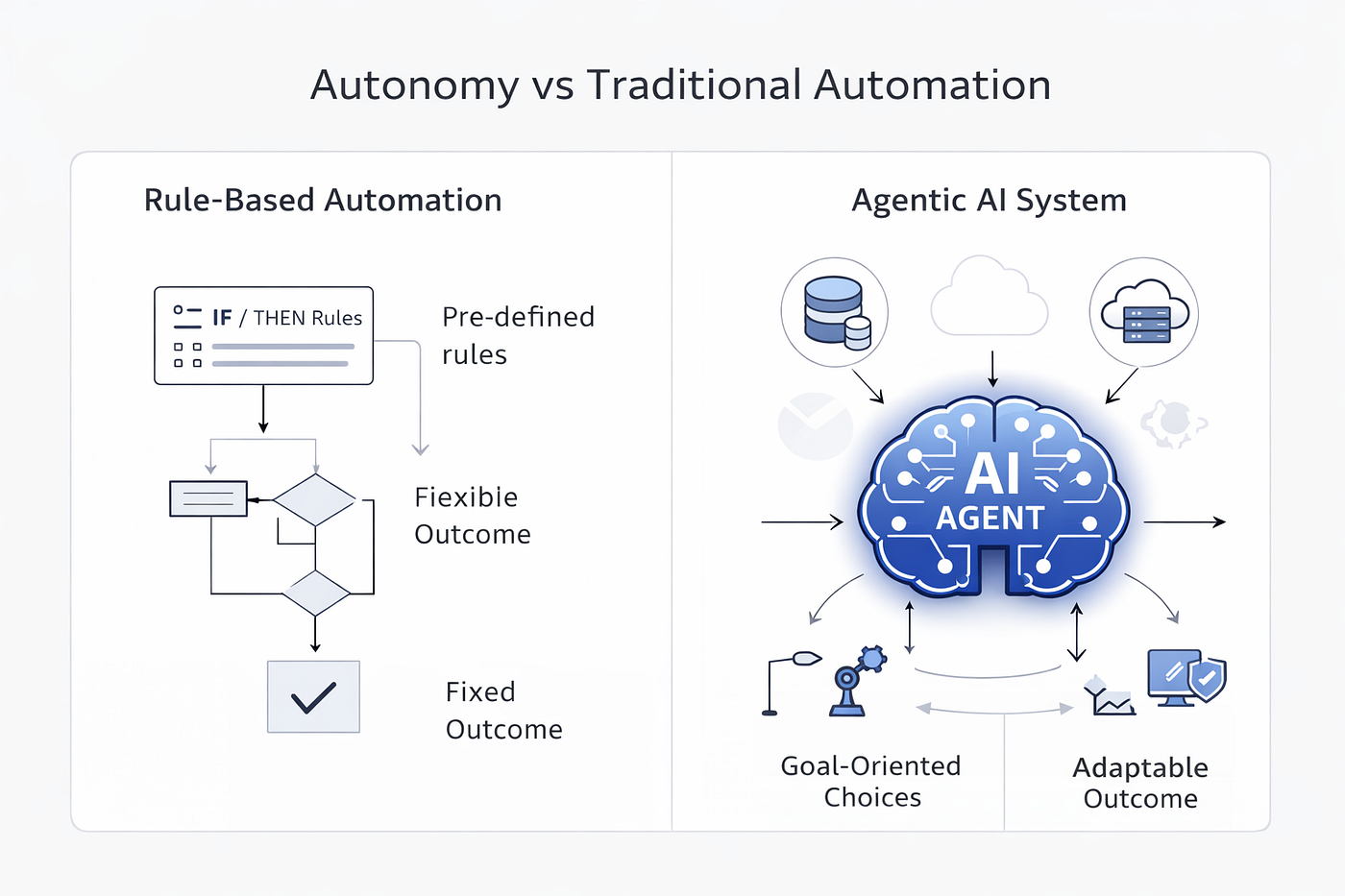
Agentic AI systems are designed to pursue goals rather than execute static instructions. Instead of being triggered by a single request, an agent can evaluate context, decide next steps, and carry out actions across multiple systems.
From a development standpoint, this means working with software components that can:
- Interpret high-level objectives
- Break those objectives into smaller tasks
- Decide which tools, APIs, or services to use
- Adjust behavior based on outcomes and feedback
This is what differentiates agentic ai services from traditional automation or rule-based workflows. The logic is no longer fully predefined; it evolves during execution.
Why Agentic AI Fits Enterprise Workflows
Enterprise environments are messy by nature. They involve fragmented data sources, legacy systems, frequent state changes, and competing priorities. Agentic AI aligns well with these conditions because it is designed to operate under uncertainty.
Key advantages include:
- Context awareness: Agents reason over business data, system state, and constraints.
- Dynamic orchestration: Workflows can change mid-execution instead of failing or waiting for manual intervention.
- Reduced operational overhead: Fewer hard-coded decision trees to maintain as processes evolve.
This is why agentic ai in enterprises is increasingly applied to operations, analytics, support systems, and internal platforms.
How Agentic AI Is Typically Integrated
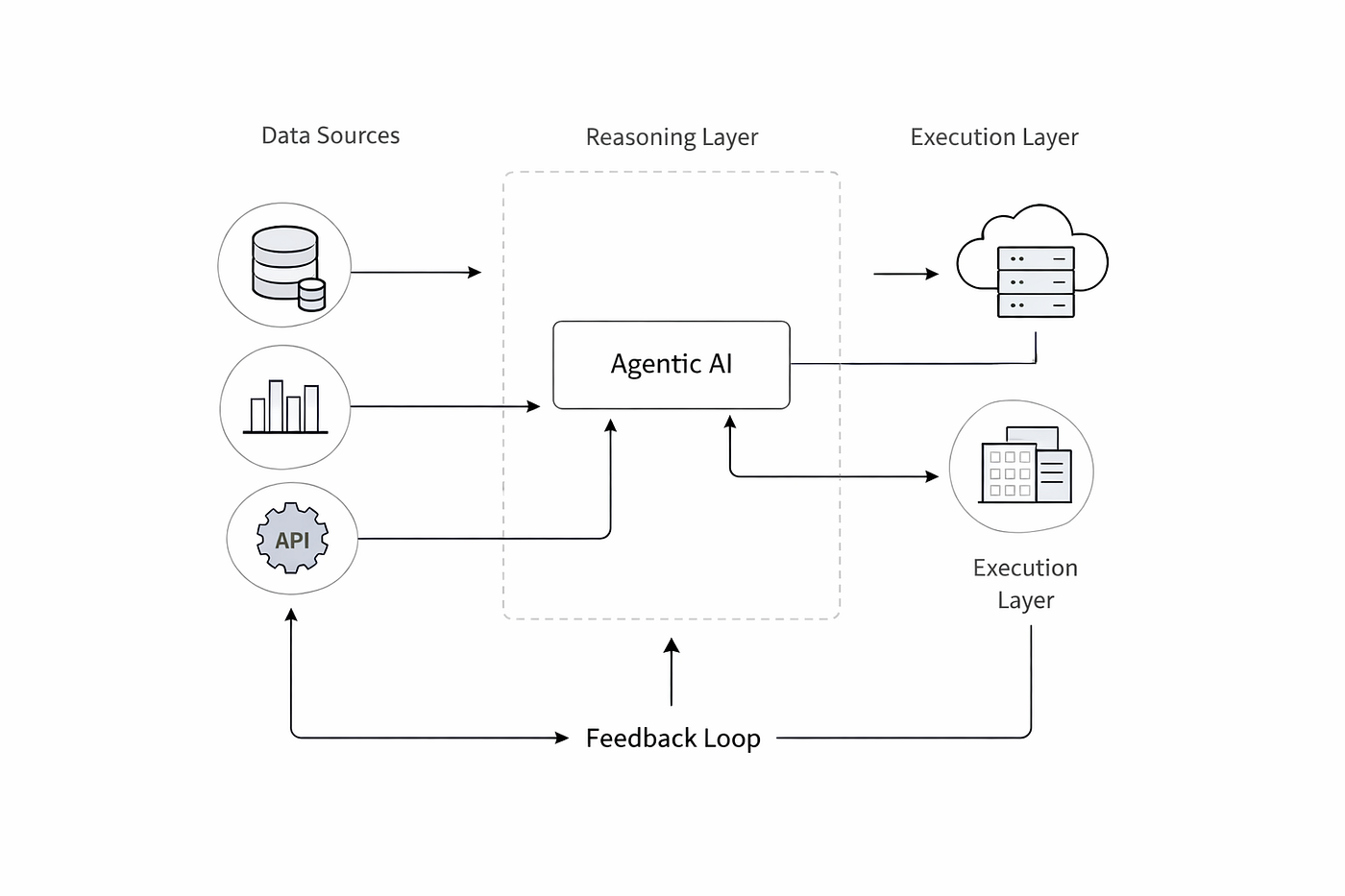
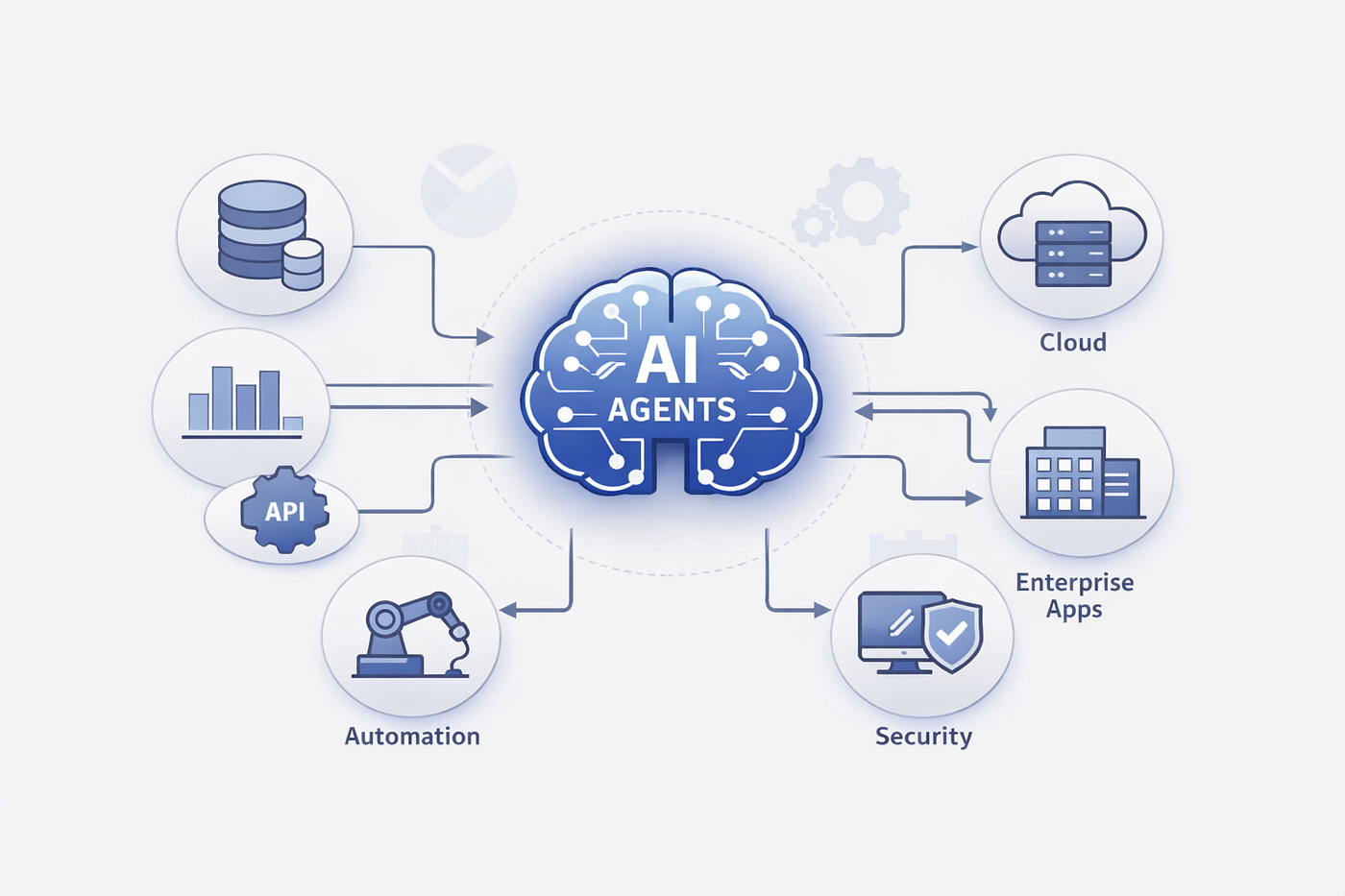
From an architectural viewpoint, agentic AI rarely exists as a single monolithic component. Instead, it sits within a broader ecosystem.
A common integration pattern includes:
- Input and context layer Pulls structured and unstructured data from enterprise systems such as CRMs, ERPs, data warehouses, and APIs.
- Reasoning and planning layer Determines goals, evaluates options, and decides what actions to take next.
- Execution layer Interacts with tools, services, or workflows such as triggering pipelines, updating records, or calling external APIs.
- Feedback and monitoring layer Observes outcomes, logs decisions, and feeds results back into future actions.
Developers working with agentic ai development services often focus heavily on this orchestration layer, where reliability and observability matter most.
Challenges Developers Need to Plan For
While agentic AI introduces flexibility, it also creates new engineering challenges.
1. Controlling Autonomous Behavior
Agents should be free to reason but not free to act without boundaries. Developers must define guardrails such as permissions, execution limits, and approval checkpoints.
2. Data Dependency
Agentic systems are only as good as the context they receive. Poor data quality or missing signals can lead to incorrect decisions or inefficient actions.
3. Debugging and Observability
Traditional debugging techniques fall short when behavior emerges dynamically. Logging decisions, intermediate reasoning steps, and outcomes becomes essential.
4. Security and Compliance
When agents can take actions across systems, access control and auditability are non-negotiable. Enterprises need visibility into why an agent acted, not just what it did.
These concerns are why many teams turn to structured agentic ai services rather than ad-hoc experimentation.
Practical Enterprise Use Cases
When implemented thoughtfully, agentic AI can deliver real value across departments:
- Operational workflows Agents monitor system health, identify anomalies, and initiate corrective actions without waiting for human input.
- Data and analytics pipelines Agents dynamically adjust queries, models, or data sources based on changing business questions.
- Customer and internal support Instead of scripted responses, agents assess intent, gather relevant context, and resolve issues end-to-end.
Each of these scenarios benefits from autonomy combined with controlled execution, a balance central to agentic ai in enterprises.
Choosing the Right Development Approach
Not every organization needs to build agentic systems from scratch. Many enterprises adopt a phased approach:
- Start with narrowly scoped agents
- Add autonomy gradually
- Introduce governance and monitoring early
- Scale only after reliability is proven
Working with teams that specialize in agentic ai development services can help align architecture, tooling, and governance with real business constraints especially when systems must operate in production environments.
Final Thoughts for Developers
Agentic AI represents a shift from task-driven software to goal-driven systems. For developers, this means moving beyond rigid workflows and designing architectures that can reason, adapt, and act within clearly defined boundaries.
As agentic ai services continue to mature, their impact is becoming visible across multiple domains from operations and analytics to customer-facing platforms. In sectors like commerce, for example, **agentic ai in retail** is already enabling smarter inventory decisions, adaptive pricing logic, and more responsive customer interactions by allowing systems to act on intent rather than static rules.
Developers who understand how to integrate autonomy responsibly with strong observability, governance, and data foundations will be at the center of this transformation. The future of enterprise workflows isn’t just automated; it’s intelligent, adaptive, and increasingly agent-driven.
메타데이터
- post_id
- fca0efeecf16
- slug
- integrating-agentic-ai-into-enterprise-workflows-what-developers-should-know-fca0efeecf16
- url
- https://medium.com/@devikay/integrating-agentic-ai-into-enterprise-workflows-what-developers-should-know-fca0efeecf16
- canonical_url
- https://medium.com/@devikay/integrating-agentic-ai-into-enterprise-workflows-what-developers-should-know-fca0efeecf16
- author_url
- https://medium.com/@devikay
- status
- ok
- fetched_at
- 2026-06-13 07:35:29