Dorohedoro’s world is so unhinged it feels alive
Three realms. A man with a lizard head. A mystery so stupidly weird and complex I couldn’t spoil it for you even if I tried.
Dorohedoro’s world is so unhinged it feels alive
Three realms. A man with a lizard head. A mystery so stupidly weird and complex I couldn’t spoil it for you even if I tried.
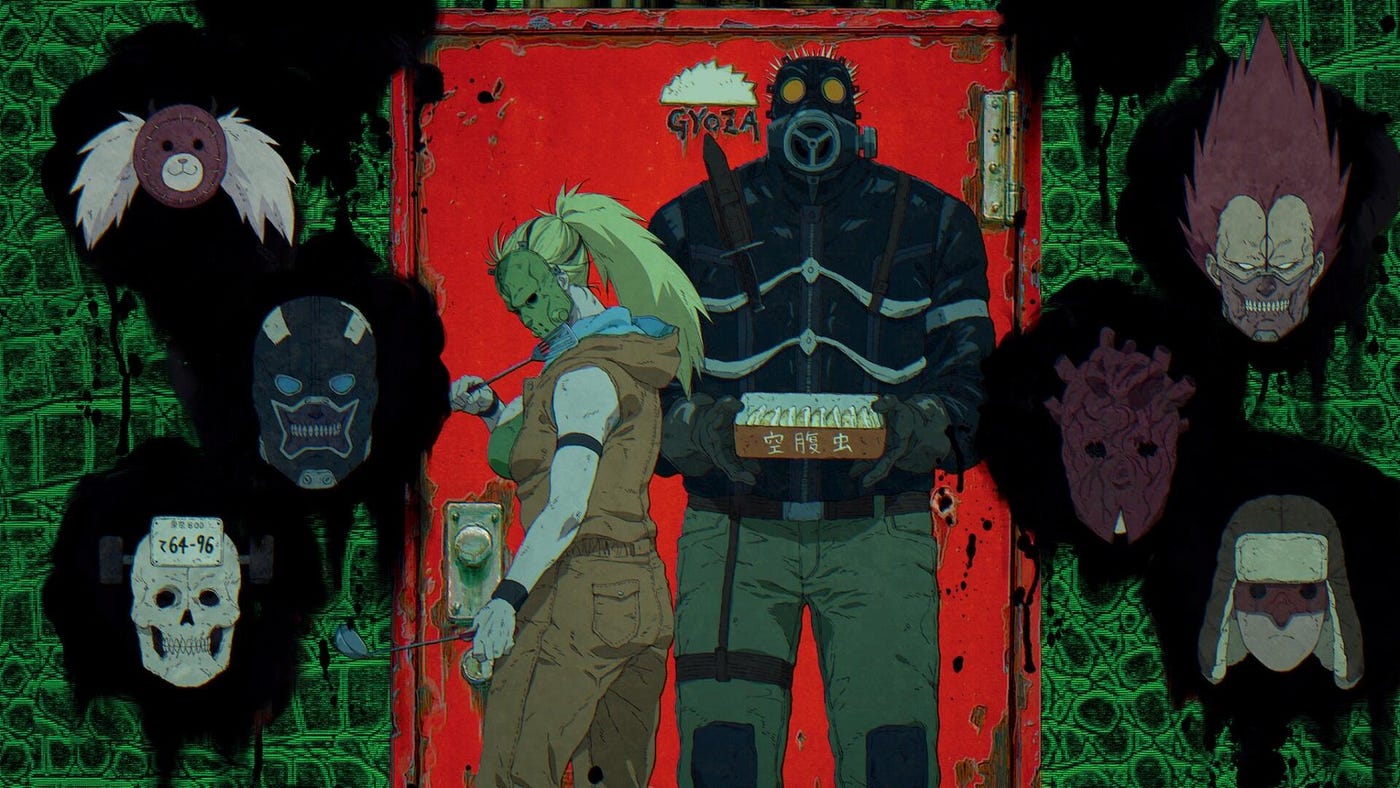
Let me tell you about the Hole.
It’s a dense, filthy, dystopian city permanently soaked in black rain. The rain isn’t weather — it’s residue from sorcerers’ magic smoke, drifting down from another world where more powerful beings use the Hole as a testing ground. They come through magic doors, experiment on humans, and leave. The pollution is literally a byproduct of their indifference. You look up and the rain reminds you of exactly where you stand in the hierarchy of this world.
That’s the first fifteen minutes of Dorohedoro. And it only gets stranger from there.
Three worlds, three completely different ways of existing
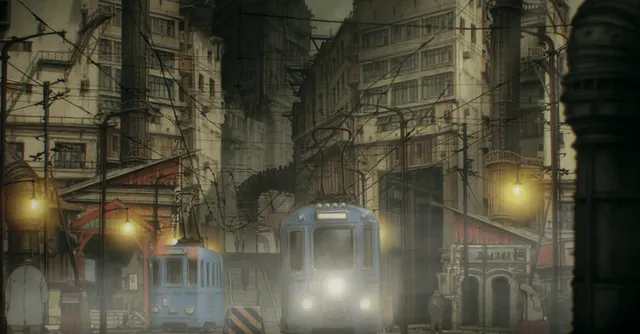
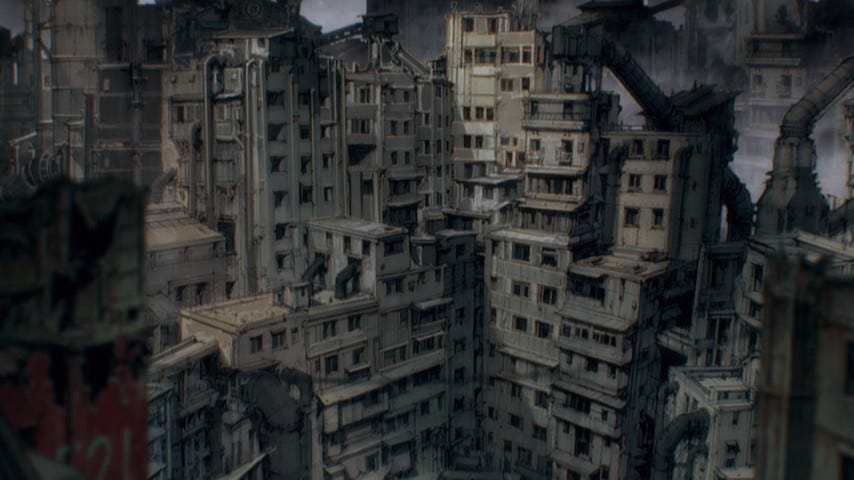
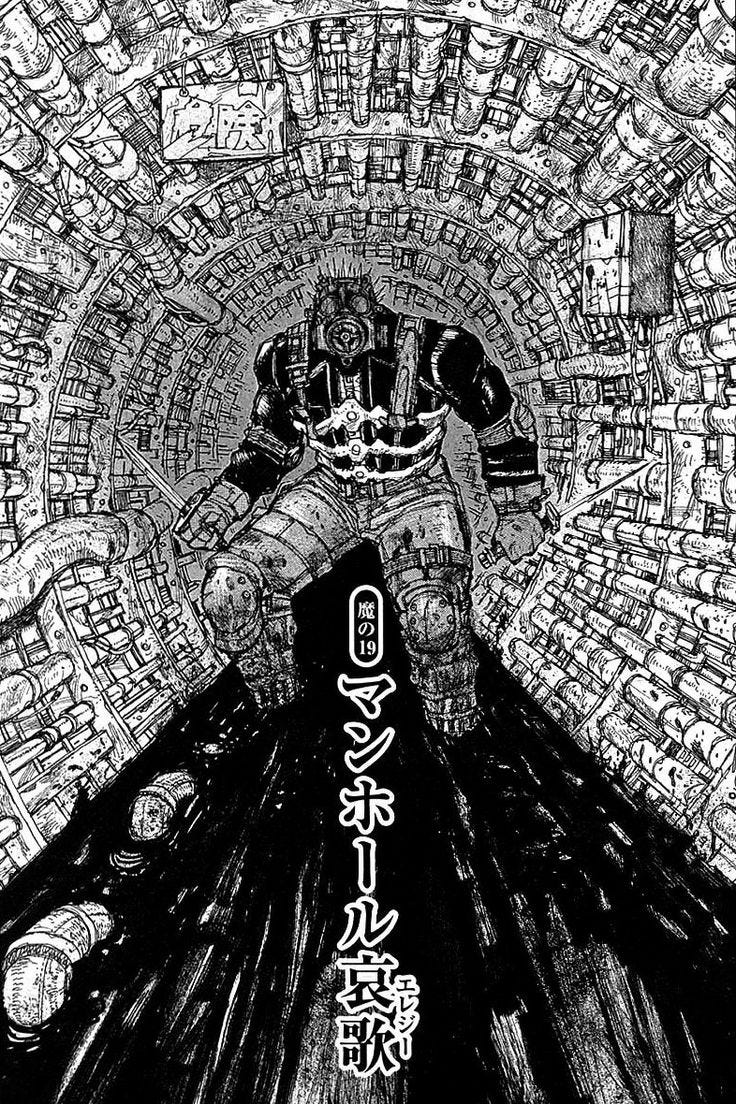
The Hole is where humans live — crumbling high-rises, industrial factories that look like they survived a war and lost, architecture from a time when humans were still developing before the sorcerers showed up and everything went sideways. The residents are disfigured, mutilated, constantly at risk. It is genuinely miserable.
And yet. The humans weren’t created by devils the way sorcerers were. They developed their own cultures, their own beliefs, their own pockets of warmth inside the rain. A medical clinic for magic victims. An anti-sorcerer militia. Two people finding happiness in each other’s company and a plate of gyoza regardless of what the world looks like around them. The Hole is the lowest rung of this entire setting and somehow it contains the most human warmth.
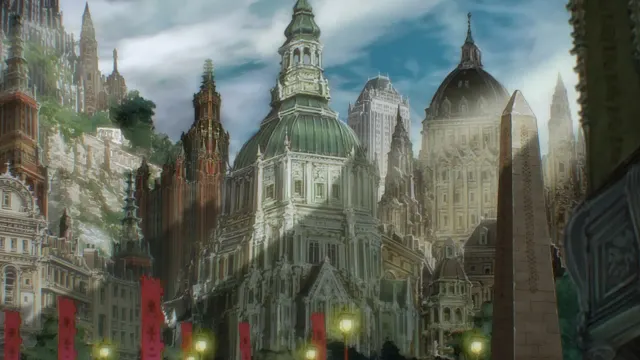
On the other side of a magic door is the sorcerers’ world — clear blue skies, Victorian architecture, cathedrals and mosques and temples, a general cleanliness that makes it feel almost offensively pleasant compared to what you just left. Sorcerers were created by devils and their entire culture reflects it. Everything revolves around smoke — the source of their magic, produced by a special gland in their bodies. Your quality of life depends on how much smoke you can make. Weak magic user? The outskirts for you. Strong? You might end up near the En family, a sorcerer crime organisation that dominates the realm without being tyrannical about it — just present, just powerful, just always there.
And then there’s Hell.
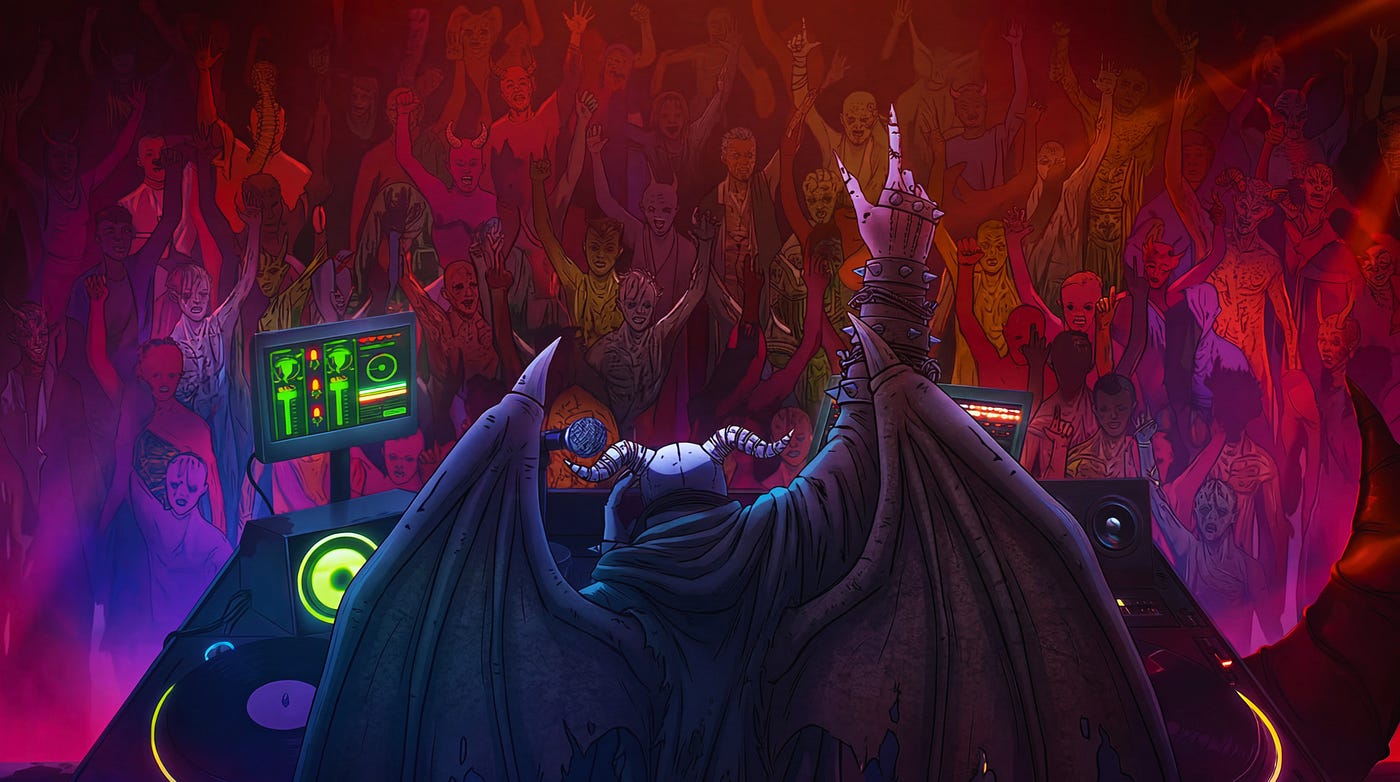
Hell, which belongs to the most powerful beings in existence, is mostly a barren wasteland. No remarkable architecture. No organised civilization. Just horn-shaped mountains and a constant rain of recently dead sorcerers falling from the sky, because when sorcerers die they go directly to hell to be tortured. That’s just how it works.
The devils who live there are all-powerful, eternal, capable of near-omnipotent magic. And almost all of them act like bored children. They gamble. They prank each other. They take up odd jobs — rebuilding dead sorcerers’ bodies, running hell’s prison — not because they need to but because eternity is long and boredom is the one thing even infinite power can’t fix. Chidaruma, the closest thing this world has to a god, created sorcerers essentially because he needed something to do. He eats junk food. He plays games. He runs elaborate schemes for a laugh.
The most powerful being in Dorohedoro is just really, really bored. That’s the cosmology of this world and it’s somehow one of the most compelling things about it.
The scene that made me understand what kind of story this is
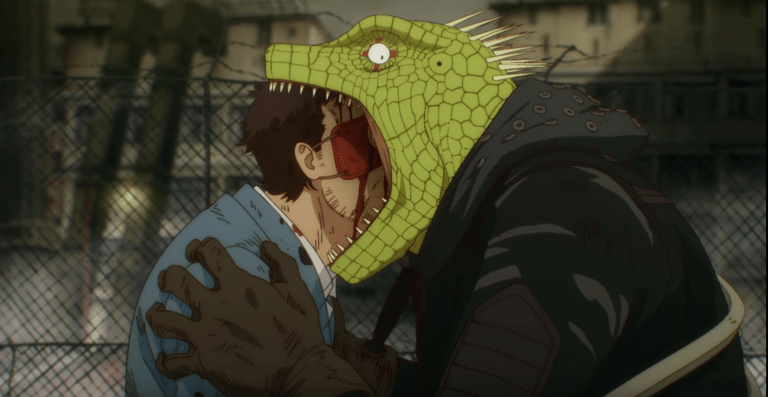
Early on, Kaiman — a man with a lizard head who has no memory of how he got it — catches a sorcerer, shoves their head into his mouth, and asks the small figure that lives inside his head whether they recognise this person. This is his method of finding the sorcerer who transformed him. He does this regularly. It is presented completely matter-of-factly.
Nobody in the scene finds this unusual.
That moment tells you everything about how Dorohedoro works. The world has its own internal logic and the story follows it without blinking. You either accept that a nine-foot cockroach named Johnson exists and occasionally has plot-relevant things to say, or you don’t. The series is not interested in explaining itself to you. It’s interested in being itself and trusting you to keep up.
The mystery of Caiman’s identity
I love that the mystery of who Caiman actually is — what happened to him, why he has a lizard head, what the figure inside his mouth is trying to tell him — is so stupidly weird and complex that I couldn’t spoil it for you even if I wanted to.
Not because I’m being careful. Because the answer is the kind of thing that, if I just typed it out, would sound like I made it up. It requires the entire world and the history of every realm and the specific logic of how magic works in this setting to even begin to make sense. And then when it does make sense it is both deeply satisfying and also genuinely unhinged in a way that only Dorohedoro could produce.
That mystery sits at the centre of the whole series and it pulls you through realms and timelines and characters you didn’t expect to care about until you suddenly do.
What Q Hayashida is actually doing
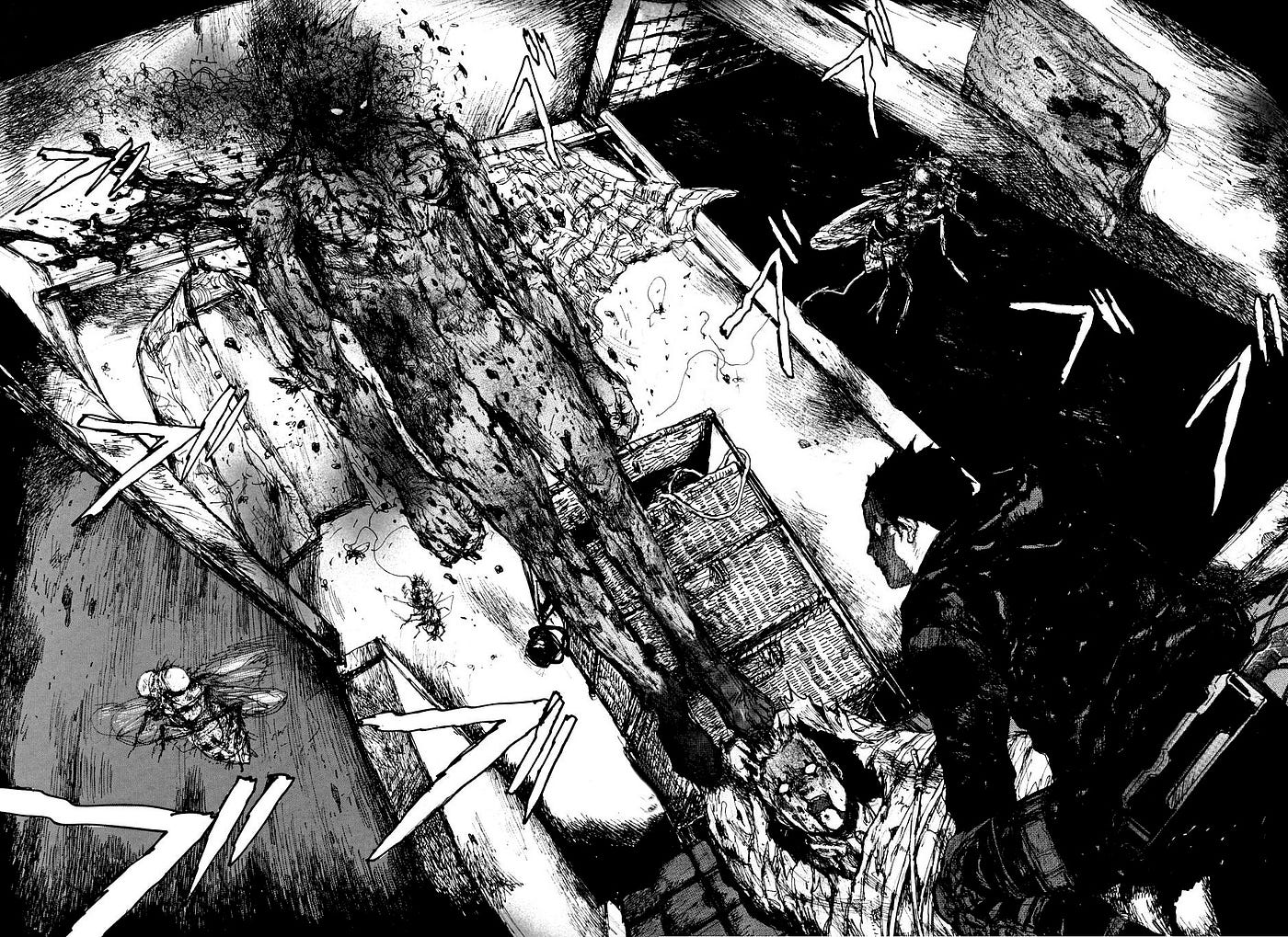
The art is grotesque and beautiful at the same time — dense, textured, full of backgrounds that feel like they have histories you’re only seeing a fragment of. The Hole looks like it smells. The sorcerer world looks like it would be pleasant to visit if it weren’t for the sorcerers. Hell looks vast and empty in a way that makes the boredom of the devils feel physically real.
Hayashida uses the visual design of each realm to tell you about the people who live there before a single word of dialogue. The grim tones of the Hole aren’t just atmosphere — they’re the sorcerers’ impact made visible. The elegance of the sorcerer world isn’t just aesthetics — it’s the product of a society that doesn’t have to ask existential questions because their gods are literally visible in the sky above them.
Everything in this world means something. The architecture means something. The rain means something. Even the gyoza means something.
Read the manga
The anime exists and it’s good — MAPPA did solid work with it. But the manga is where this world fully breathes. Hayashida’s art at full detail, the complete story, everything the anime didn’t get to cover because the series was been stuck in limbo since.
If you watched the anime and liked it, read the manga. If you haven’t done either, start somewhere — it doesn’t matter which. Just enter this world.
It will not make complete sense immediately. That’s fine. Neither does the Hole. You get used to it, and then one day you look up and realise you understand exactly how everything fits together, and that understanding is one of the most satisfying feelings recent manga has to offer.
Just watch out for the rain.
메타데이터
- post_id
- fcc9ce15ba1c
- slug
- dorohedoros-world-is-so-unhinged-it-feels-alive-fcc9ce15ba1c
- url
- https://medium.com/@sureshkumarnadar1701/dorohedoros-world-is-so-unhinged-it-feels-alive-fcc9ce15ba1c
- canonical_url
- https://medium.com/@sureshkumarnadar1701/dorohedoros-world-is-so-unhinged-it-feels-alive-fcc9ce15ba1c
- author_url
- https://medium.com/@sureshkumarnadar1701
- status
- ok
- fetched_at
- 2026-06-25 16:53:31