#Tech Review: Documents Are Becoming Computable 📄🧠
Most people still think OCR means: “turning scanned paper into text.” That definition is already obsolete.
#Tech Review: Documents Are Becoming Computable 📄🧠
Most people still think OCR means: “turning scanned paper into text.” That definition is already obsolete.
Something Much Bigger Is Happening
Even in 2026, a surprisingly large share of the world’s operational knowledge still lives inside documents. Not databases. Not APIs.
Printed or handwritten documents!
Non-members can read here. Also subscribe to stay updated whenever I publish…
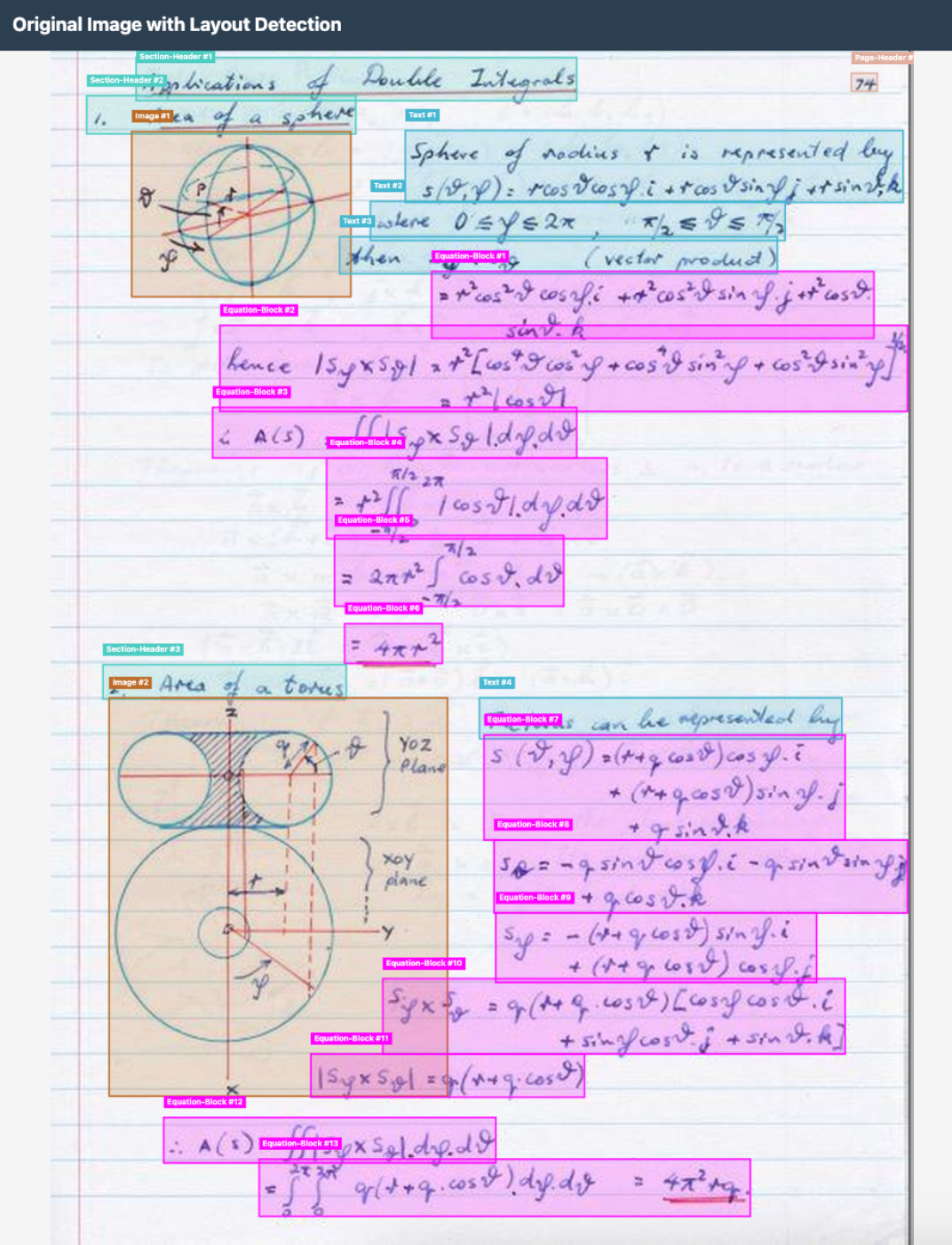
Printed records, handwritten notes, industrial reports, compliance archives, screenshots. And honestly, many large organizations still run on top of them. This is especially true in: 🏥 healthcare 🏦 banking 🛡️ insurance 🏭 manufacturing 🚚 logistics 🏛️ government
For years, this created a massive bottleneck. Because most frontier LLMs were trained primarily on public internet data like websites, forums, code, books, academic papers, Wikipedia. That created general intelligence.
But most economically valuable enterprise knowledge was never on the public internet. It sits inside:
- Contracts, pricing agreements, invoices, SOPs,
- Maintenance logs, customer complaints,
- Engineering drawings, ERP exports, operational exceptions,
- Tribal knowledge, undocumented workflows.
That distinction matters enormously. A frontier model may know what a purchase order is but only your company documents know:
which supplier constantly delays shipments, which customer escalates fastest, which process breaks every quarter, which workaround employees secretly rely on, which operational bottleneck nobody documented correctly.
That is the real enterprise value layer. 💰
And interestingly, the public internet may actually be smaller than enterprise data…
Enterprise Dark Data 🗂️
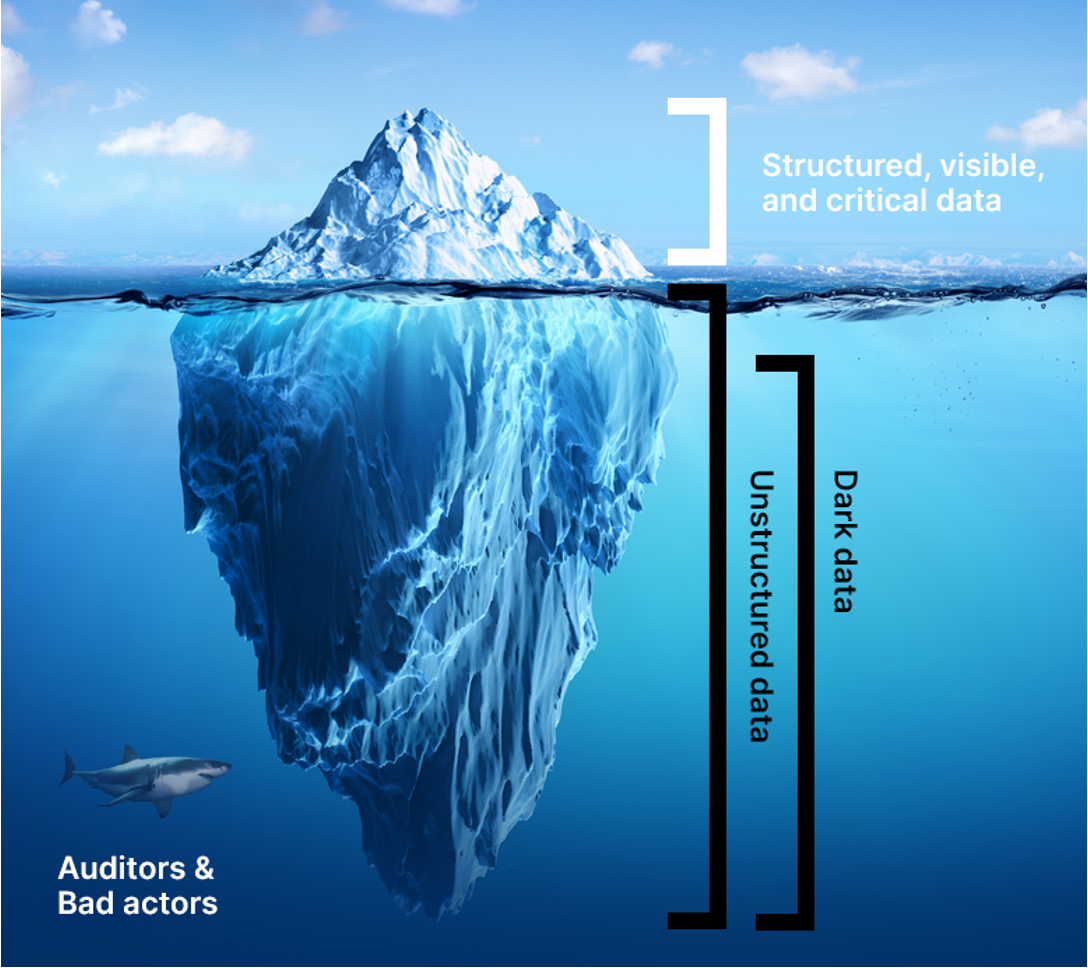
Many estimates suggest: • 80% to 90% of enterprise data is unstructured • huge portions were never indexed by search engines • many industries still operate through scanned PDFs and fragmented attachments
Some analysts even argue internal enterprise knowledge globally may exceed publicly indexed web data by orders of magnitude.
Especially when you include: 📜 Ottoman archives
⛪ Vatican archives
🏛️ government records ⚖️ legal repositories 🏥 medical archives 🏭 industrial reports 🗃️ historical paper documents
Massive amounts of human knowledge are still fragmented, inaccessible and importantly not inside LLMs.
Most of this printed internal data has barely participated in AI. Until now!
This is exactly why companies like Datalab and models like Chandra OCR 2 are becoming extremely interesting.
OCR is evolving into Intelligent Document Processing powered by multimodal parsing and Vision Language Models. This enables enterprise retrieval systems and “CompanyGPT” architectures.
[embed]🏢 CompanyGPT 🧠 The Real Asset of Companies Was Never Just Their Data…atabarezz.com
Chandra OCR 2 is especially interesting because it is not simply extracting text. It converts documents into structured markdown, HTML, JSON while preserving: • layouts • tables • forms • handwriting • diagrams • multilingual structure • bounding boxes • reading order
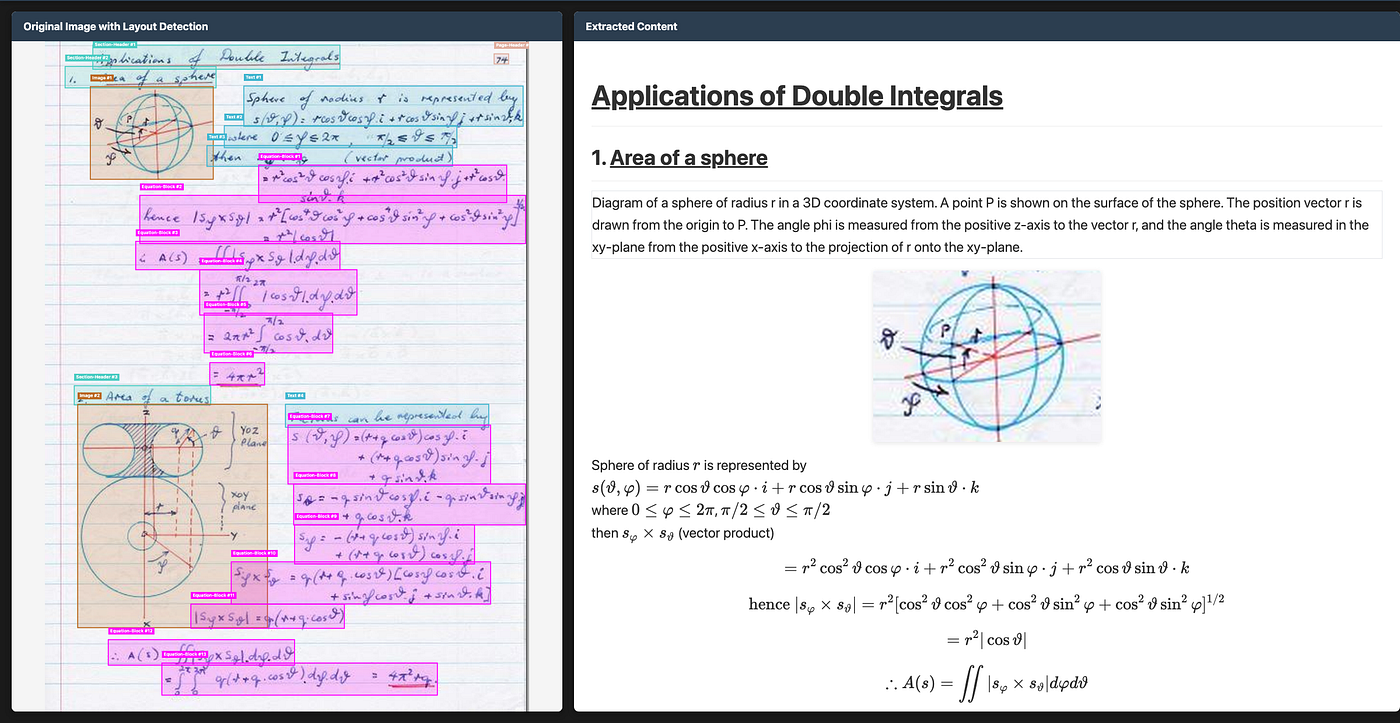
That matters enormously for enterprise AI systems. Because AI agents cannot operationalize what they cannot reliably perceive. And modern document intelligence increasingly becomes: perception infrastructure for enterprise AI. 🧠
What also caught my attention: • support for 90+ languages • strong handwriting performance • form reconstruction • math/table understanding • local or vLLM deployment options for enterprise deployment flexibility
Interestingly, their benchmark numbers also show something important:
Document intelligence is becoming a serious frontier race itself.
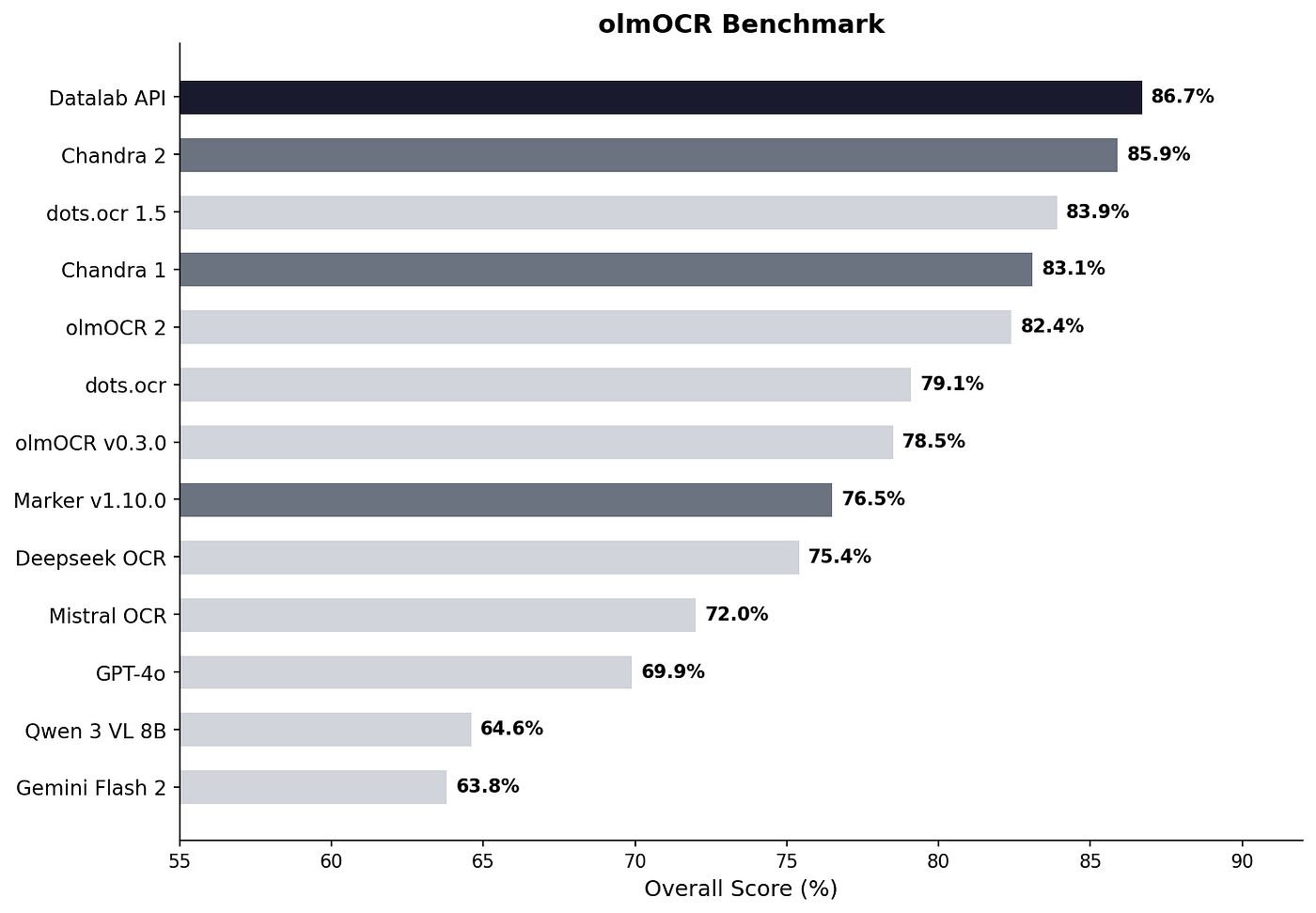
In several benchmark categories, Chandra 2 materially outperforms: • GPT-4o OCR setups • Gemini Flash OCR flows • older OCR architectures • multiple open OCR competitors
That tells us something strategic:
multimodal enterprise extraction is becoming its own infrastructure layer.
And that layer may become extremely valuable. Because the bottleneck is shifting:
From: “Can AI reason?”
Toward: “Can AI access the organization’s actual knowledge?”
That is why RAG exploded so quickly. Not because enterprises necessarily need to retrain giant frontier models. But because they need systems that can: extract, structure, retrieve, reason and operationalize internal knowledge safely.
The architecture increasingly looks like this:
OCR extracts -> Parsers structure -> Embeddings index -> Vector databases retrieve -> Agents reason -> Workflows execute.
LLM + enterprise memory layer.
And honestly… this feels historically similar to what databases did decades ago. Databases digitized transactions. Document AI is starting to digitize organizational cognition itself. 🧠
Multimodal AI Pushes Further ⚡
Previously “dead” documents are becoming computable.
A scanned maintenance report is no longer just a file. A PDF contract is no longer just something humans read. An invoice is no longer just accounting paperwork. They are becoming machine-operable context layers for AI systems.
Quietly at first. Then all at once.
All the best
Altan
메타데이터
- post_id
- fccdec009cab
- slug
- tech-review-documents-are-becoming-computable-fccdec009cab
- url
- https://medium.com/@atabarezz/tech-review-documents-are-becoming-computable-fccdec009cab
- canonical_url
- https://medium.com/@atabarezz/tech-review-documents-are-becoming-computable-fccdec009cab
- author_url
- https://medium.com/@atabarezz
- status
- ok
- fetched_at
- 2026-06-09 15:37:30






