The Value of Process Over Product in Learning
Many parents often focus on the final result of what their child does. They look at the drawing and ask, “What is this?” or they check if…
The Value of Process Over Product in Learning
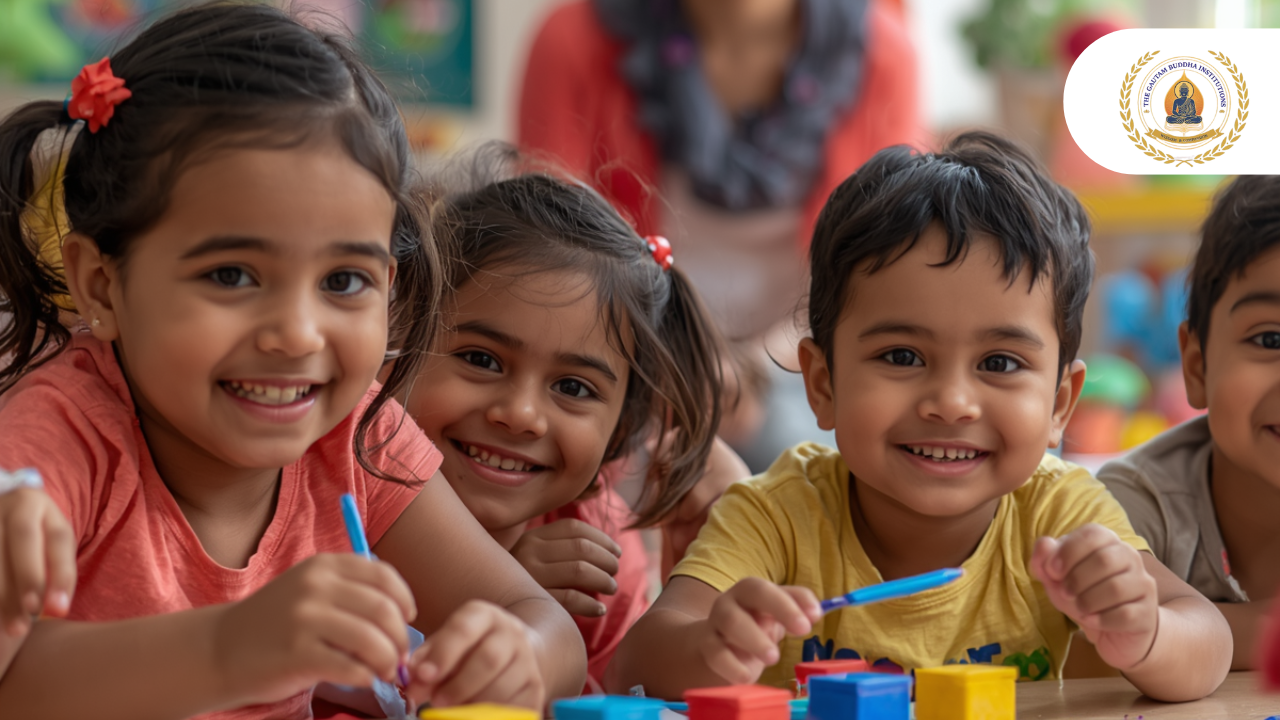
Many parents often focus on the final result of what their child does. They look at the drawing and ask, “What is this?” or they check if the child has written something correctly. I understand this concern. But in early childhood, I have noticed something very different. The real learning is not in the final result, it is in the process the child goes through.
I am Priyajit Debnath, and while working with young children at The Gautam Buddha Institutions, I have seen this again and again. When we pay more attention to how a child is doing something rather than what they have made, we understand their learning much better. Children are not focused on perfection. They are focused on trying, exploring, and experiencing.
Children Learn While Doing, Not Just Finishing
In playschool, children are always involved in activities like drawing, building blocks, or simple crafts. Many times, the outcome does not look “perfect.” Lines may be outside the page, colors may be mixed randomly.
But this is where learning is happening.
When a child is drawing, they are not thinking about making a perfect picture. They are learning how to hold a crayon, how to move their hand, and how to choose colors. This is the process. That is why focusing on the process becomes more important than the final product.
Mistakes Are Part of Learning
I have seen many children hesitate when they feel they might do something wrong. This usually happens when too much importance is given to the final result.
When we focus on the process, children feel free to make mistakes. And honestly, mistakes are where real learning happens.
For example, a child may try to stack blocks and it keeps falling. Instead of stopping, they try again in a different way. In that moment, they are learning balance, patience, and problem-solving. The final structure may fall, but the learning stays.
Builds Confidence in Children
When children are appreciated for their effort, not just the result, they become more confident. They feel that trying is important.
I have noticed that when we say things like “Good try” or “You did it yourself,” children feel happy and motivated. They don’t worry too much about being perfect.
This is the value of focusing on the process. It helps children enjoy what they are doing, rather than feeling pressure to do it “right.”
Encourages Creativity
Creativity comes when children are free to explore. If we only look at the final product, children may try to copy or follow fixed patterns.
But when the focus is on the process, children start doing things in their own way.
I have seen children use colors in unexpected ways, build things differently, or tell their own stories during play. These are not “perfect” in an adult sense, but they show real thinking and imagination.
Helps in Emotional Development
Process-based learning also supports emotional growth. When children are allowed to try, fail, and try again, they learn patience.
They also learn to handle small frustrations. For example, if a puzzle does not fit, they may feel upset at first. But with support, they try again. This builds emotional strength slowly.
These small moments are very important in early years. They help children become more independent and calm in difficult situations.
What Should Parents Focus On?
From my experience, parents can support process-based learning in simple ways:
- Appreciate effort, not just the result
- Allow children to make mistakes without scolding
- Give them time to complete activities in their own way
- Avoid correcting every small thing
- Encourage them to try again if something doesn’t work
These small changes can make a big difference in how children learn and grow.
Every Child Has Their Own Way
One important thing I always tell parents is that every child works differently. Some children take more time, some are quick. Some like to explore more, some are more careful.
When we focus only on the final product, we may miss these differences. But when we observe the process, we understand the child better.
This helps us guide them in the right way, without comparing them with others.
Learning Becomes Enjoyable
When there is no pressure of getting the “right result,” children enjoy learning more. They look forward to activities instead of avoiding them.
I have seen children getting excited just to come and play, draw, or build something. They don’t worry about what they will make. They just enjoy the process.
This kind of environment makes learning natural and stress-free.
Final Thought
From my daily experience, I can say that the process matters much more than the final product, especially in early childhood. The result may be temporary, but the learning during the process stays with the child.
If we slow down and observe how children are doing things, we will understand their growth better. We will see their effort, their thinking, and their emotions.
In the end, children do not need to create something perfect. They need the freedom to explore, make mistakes, and learn in their own way. That is where real learning begins.
메타데이터
- post_id
- fcdca0fafde2
- slug
- the-value-of-process-over-product-in-learning-fcdca0fafde2
- url
- https://medium.com/@thegautambuddhainstitutions/the-value-of-process-over-product-in-learning-fcdca0fafde2
- canonical_url
- https://medium.com/@thegautambuddhainstitutions/the-value-of-process-over-product-in-learning-fcdca0fafde2
- author_url
- https://medium.com/@thegautambuddhainstitutions
- status
- ok
- fetched_at
- 2026-06-09 15:37:30




