Bactine Is Good For Tattoos Or Not?
When it comes to caring for tattoos, proper aftercare is crucial to ensure healing without complications such as infections or scarring…
Bactine Is Good For Tattoos Or Not?
When it comes to caring for tattoos, proper aftercare is crucial to ensure healing without complications such as infections or scarring. Bactine, a popular antiseptic spray, is often considered by some for tattoo aftercare. However, its suitability and effectiveness can vary based on several factors.
Understanding Bactine
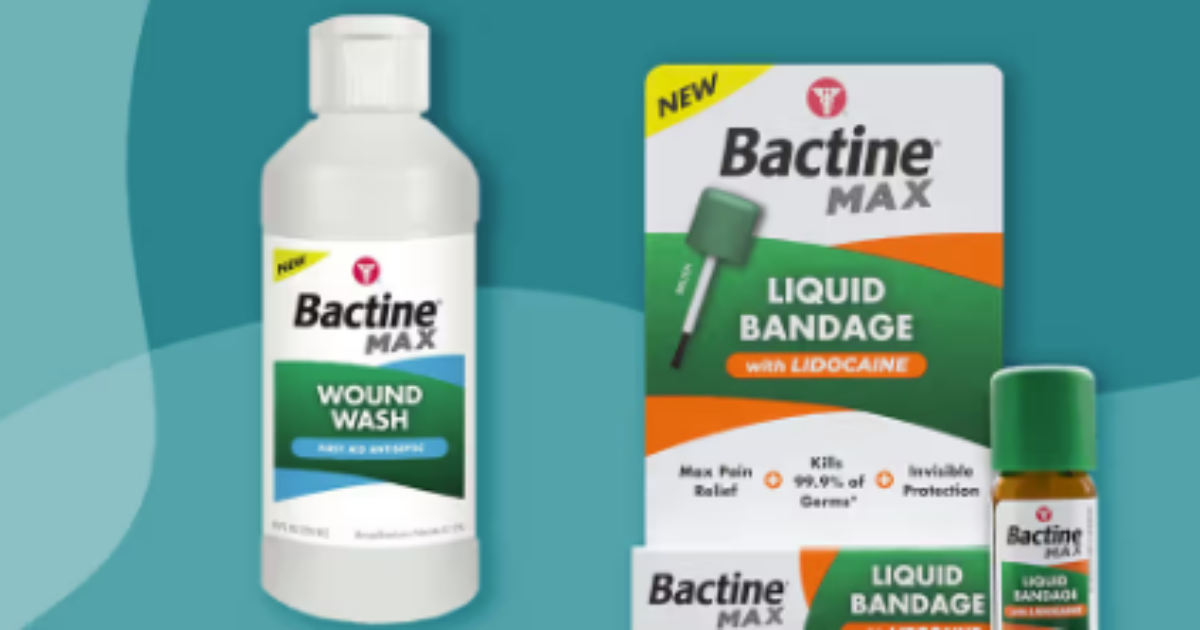
Bactine is an over-the-counter antiseptic and pain reliever commonly used for minor cuts, scrapes, and burns. It contains benzalkonium chloride (0.13%) and lidocaine (2.5%), which provide antibacterial properties and numbness to reduce pain, respectively.
Pros of Using Bactine for Tattoos
1. Antibacterial Properties
- Bactine can help in reducing the risk of infection when applied properly to a fresh tattoo.
- It prevents harmful bacteria from causing potential complications during the initial healing period.
2. Pain Relief
- The inclusion of lidocaine provides temporary relief from discomfort and pain associated with getting a tattoo.
- This can be particularly helpful during the first few days when the tattooed area may be sensitive.
3. Convenience
- Bactine is easy to apply as a spray, which can be less irritating than rubbing ointments onto the sensitive skin of a new tattoo.
Cons of Using Bactine for Tattoos
1. Potential Skin Irritation
- Some individuals may experience skin irritation or allergic reactions to the ingredients in Bactine.
- It’s advisable to test a small area of skin before applying it to the entire tattooed area.
2. Not Specifically Formulated for Tattoos
- Bactine is designed for general wound care and may not provide the specific nourishment and protection that tattoo-specific products offer.
- Tattoo-specific aftercare products often contain ingredients that promote healing and preserve the vibrancy of the tattoo ink.
3. Overuse Concerns
- Using Bactine excessively can interfere with the natural healing process of the tattoo.
- It’s important to follow recommended guidelines and consult with a tattoo artist or healthcare professional if unsure.
Best Practices for Tattoo Aftercare
To ensure the best results and minimize the risk of complications:
- Follow Tattoo Artist Recommendations: Tattoo artists often provide specific aftercare instructions tailored to their clients’ needs and the tattoo’s location.
- Use as Directed: If using Bactine, apply it sparingly as directed on the packaging or as advised by a healthcare professional.
- Keep the Tattoo Clean: Regularly wash the tattoo with mild soap and water and gently pat it dry with a clean towel.
- Moisturize: Use a tattoo-friendly moisturizer to keep the skin hydrated and promote healing.
- Avoid Sun Exposure and Swimming: Protect the tattoo from direct sunlight and avoid soaking it in water until fully healed.
Conclusion
While Bactine can offer some benefits such as pain relief and antibacterial protection for tattoos, its general-purpose formulation may not address all the specific needs of tattoo aftercare. It’s essential to consider individual skin sensitivities and follow proper aftercare guidelines provided by professionals. Ultimately, choosing the right aftercare approach contributes significantly to the long-term appearance and health of your tattoo.
메타데이터
- post_id
- fcdd5565c32e
- slug
- bactine-is-good-for-tattoos-or-not-fcdd5565c32e
- url
- https://medium.com/@tousifkiyani900/bactine-is-good-for-tattoos-or-not-fcdd5565c32e
- canonical_url
- https://medium.com/@tousifkiyani900/bactine-is-good-for-tattoos-or-not-fcdd5565c32e
- author_url
- https://medium.com/@tousifkiyani900
- status
- ok
- fetched_at
- 2026-07-09 13:13:48