The Role of Histones in DNA and Gene Regulation
Histones are alkaline proteins found in the nucleus of eukaryotic cells. Their main role is to pack DNA into compact units called…
The Role of Histones in DNA and Gene Regulation
Histones are alkaline proteins found in the nucleus of eukaryotic cells. Their main role is to pack DNA into compact units called nucleosomes. Each cell in the human body contains about six feet of DNA. Histones reel in that DNA to about nine hundredths of a millimeter. But these proteins are more than just a spool; they play a vital role in regulating chromatin and genes in general.
Types of Histones
Histones fall into one of five families from H1 through H5. The two types of histones are core histones and linker histones.
- Core histones (H2A, H2B, H3, and H4) operate in the center of the nucleosome and act as the spool around which DNA is wrapped.
- Linker histones (H1 and H5) operate at the ends of the nucleosome where they secure the DNA in place.
Histones and Gene Regulation
During their interactions with DNA and nuclear proteins, histones undergo many modifications. Scientists refer to this process of histone modification as the histone code. The histone code is an example of an epigenetic process (in which a non-genetic factor affects gene expression).
The Formation of Nucleosomes
Histones combine to form dimers and tetramers. A dimer contains two histones: one H2A and one H2B. A tetramer contains four histones: two H3 and two H4. These structures interact with DNA to form nucleosomes. Each nucleosome has two identical H2A-H2B dimers and one H3-H4 tetramer.
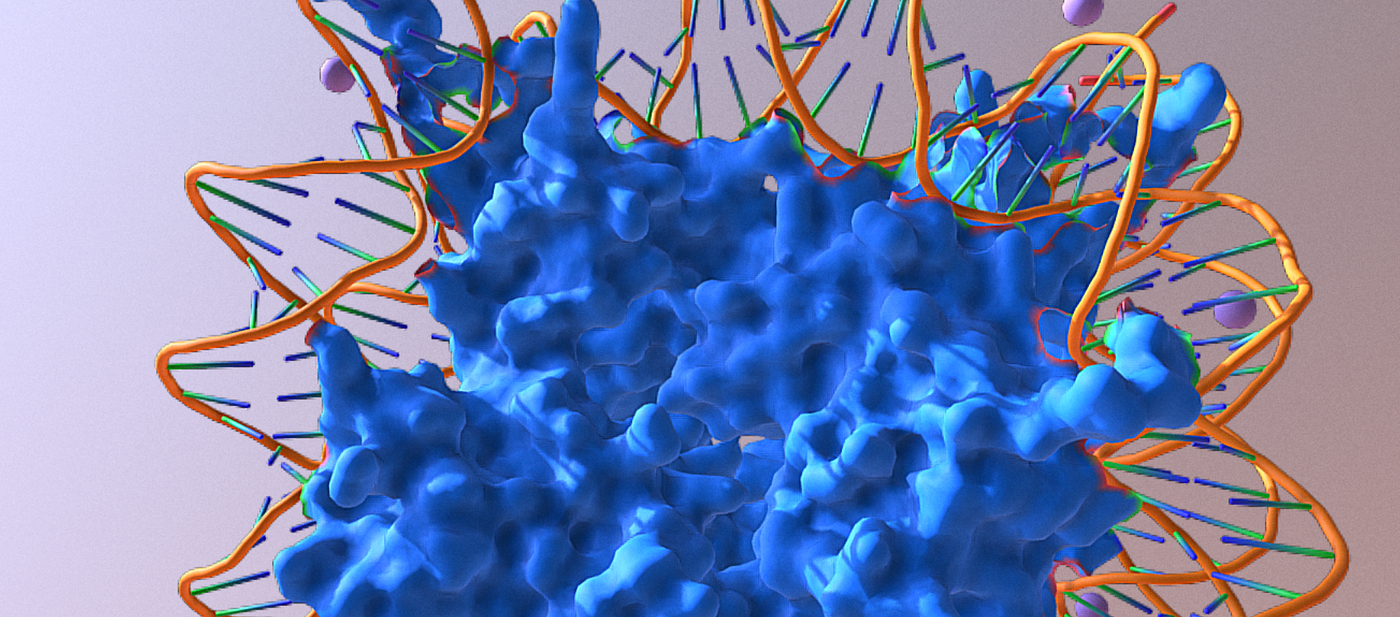
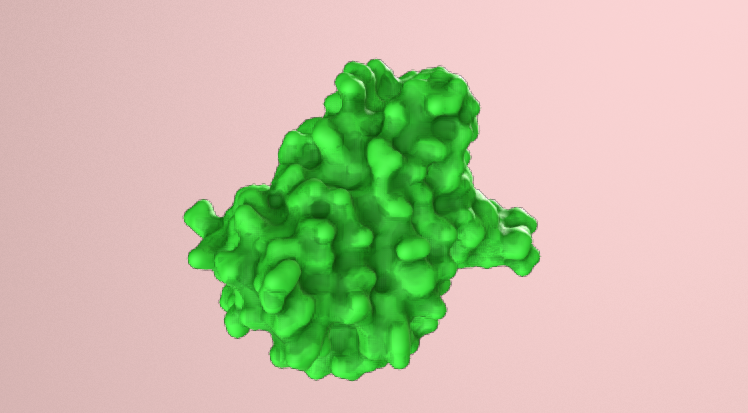
Nucleosome Core Particle by Dominic on Sketchfab
Gene Regulation
Nucleosomes interact to produce higher order structures during such processes as gene regulation, DNA repair, and mitosis. During mitosis, histones help condense chromatin to give chromosomes their iconic X shape.
The Discovery of Histones
Histones were discovered in 1884 by Albrecht Kossel and were thought to only have one function: to pack nuclear DNA. It would take another century for scientists to uncover the importance of histones in gene regulation.
The History of Histones
Despite having helped pack DNA in the cells of the earliest eukaryotes, histones have remained virtually unchanged throughout evolution. Whether in an earthworm, blue whale, eagle, or human being, histones contain largely the same amino acid sequence. Core histones in particular have been highly conserved across both time and species. In contrast, linker histones can take on multiple forms within a species and are less conserved.
메타데이터
- post_id
- fd38fd6b155a
- slug
- the-role-of-histones-in-dna-and-gene-regulation-fd38fd6b155a
- url
- https://medium.com/you-are-not-what-you-think/the-role-of-histones-in-dna-and-gene-regulation-fd38fd6b155a
- canonical_url
- https://medium.com/you-are-not-what-you-think/the-role-of-histones-in-dna-and-gene-regulation-fd38fd6b155a
- author_url
- https://medium.com/@dwaithe
- status
- ok
- fetched_at
- 2026-06-09 15:37:30