Kerala political murders: why Kannur continues to bleed?
Except for some partially controlled areas, my experience in Kannur district was very positive. Kannur residents are more dependable…
Kerala political murders: why Kannur continues to bleed? What is the main reason for the political violence in Kannur?

Except for some partially controlled areas, my experience in Kannur district was very positive. Kannur residents are more dependable, hospitable, friendly, and selfless than residents of the Southern Districts. I am from Central Travancore, so the culture in Kannur is more familiar to me. They have beautiful scenery and delicious food. This is my general impression of Kannur residents.
Kannur’s religious harmony is extremely powerful. There are temples that welcome devotees of all religions, which is unusual in comparison to other districts. Kannur people are also very polite and gentle in their Malayalam slang.
I’d like to point out that there are areas in the district that are politically volatile and socially sensitive. CPIM vs RSS is the main bloodbath game in those villages and towns all year. I’ve noticed that the majority of people who have killed each other are from the Thiyya community. The majority of political violence occurs in certain areas in the district, including Thalassery, Payyannoor, Kuthuparambu, Thillankeri, Panoor, and others.

What’s special about this problem?
At the moment, it is more of a genetic trait that is fueled and used by violent political ideologies. First, let’s look at the demographics of this district.
Religions in Kannur district (2011)
Hinduism — 59.83%
Islam — 29.43%
Christianity — 10.41%
Literacy Rate (2011)
The total literacy rate of Kannur district is 95.1%. The male literacy rate is 85.74% and the female literacy rate is 83.89% in Kannur district.
Caste-wise Distribution
Thiyyars dominate the district, followed by Ezhavas, Mappila Muslims, Syrian Christians, and Scheduled castes and tribes.
What is the History and Tradition of Thiyyars
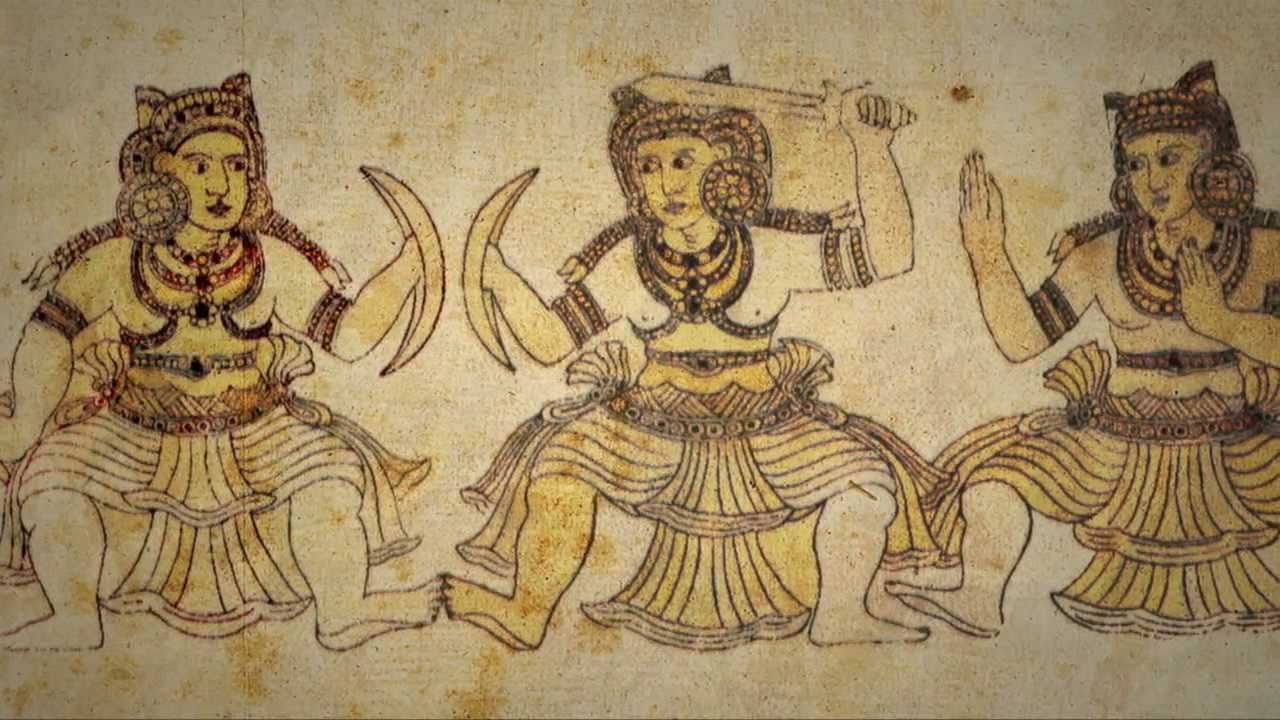
Theeyars, the earliest inhabitants of Malabar are descendants of Indo-Aryan race who came over to the Tian Shan region of Central Asia when their mother land — Crete Island — was inundated by a terrific flood in BC 1470–1450. Some historians say that their ancestors were the inhabitants of North Africa. From the Tianshan area they spread over many regions including the uninhabited land of Malabar, South Canara and Coorg. Some groups traveled still further and settled in Bali and the Thahithi islands.
Theeyars, whose civilization was built around their own places of worship called Kavu and with their own administrative set up at different levels. The Theeyars worshiping of god was under Thanthrik, Saktheya and Shaivite systems. Their spiritualism was always distinctly different from the Brahminical order. Theeyars resisted the spiritual invasion, protected their age-old ethnic continuity without allowing any racial mixing (varna sankara) and any kind of submission to Brahmins and other castes and formulated their own form of worshipping in Kavu.
The personnel of Theeyar community were the owners of land in Malabar for thousands of years till about 1315 CE. Although the main occupations were agriculture and trade, a large section of Theeyars were warriors protecting various kings and naduvazhis (chieftains) from the enemies. Their devoted gallantry services as warriors and loyalty and sincerity were widely acclaimed by several kings who deployed them in large scale into their army and with a Theeyar Chief of the Army.
The historical evidence available and the research done by several historians substantiates that the Theeyars were originally in the status of kshatriyas and the archaeological evidence such as stone inscriptions in Theni District of Tamil Nadu etc prove that the Theeyars were warriors even prior to the year 2000 BCE. Sangam literature and hero stones found in Tamil Nadu show that Chekavars were engaged in combat often on behalf of a lord and in this hero stone, Chekavars (Theeyars who get the title of Chekavar after excelling in sword fighting) generally bear an idol of an armed man along with a Shiva Linga. The erection of hero stone for these men fallen in battle on behalf of his lord and villagers was the tradition during Sangam period.

What’s their Genetical Make up?
History says they have a tribal origin from the Tian Mountains in Central Asia and settled in the Northern Kerala region centuries ago. They have mixed with other tribal groups as well. Well, I must say they are a Martial clan, good at fighting skills, which made them soldiers of Hindu kings in the history of Kerala. British government also utilized them in their Police system and military units. We must not confuse Thiyyar with Ezhavas in Southern Kerala, both are totally distinct communities in Hindu population.
Thiyyar Regiment: -
The Thiyyar Regiment was a military class created by British Empire that provided thousands of Thiyyar community members from Malabar for the British Indian Army. The Regiment was based in Thalassery, chosen because it was a strategic center in Malabar. They were lesser known Thiyya regiments and Thiyyar Pattalam formed by the French and British governments in Mahe and Thalassery. They were also called as Kolarians by British government.

Post-Independence Incidents:
As the British left India, this community lost its military and police reservations, forcing them to pursue other careers such as farming, Ayurvedic treatment, toddy tapping, and small trading. Thiyyars entered the political scene in the 1970s as a result of the Communist surge, which turned into violent politics — which was actually feudalism vs communism. The bloodshed occurred and continues to this day.
Their genetic characteristics and history as a martial clan were easily tapped and utilized by political parties for their political goals, in my opinion. Thiyyars. Because of their association with Communism and the bloodshed game, they earned a bad reputation among other Kerala communities. People in Kerala became more sensitive and emotionally reactive than in other parts of the state.
In fact, political parties make money from martyrdom. If a party member is murdered, or martyred, the party will organize a state/national fund-raising drive to assist the victim’s family. They will collect crores of rupees from party cadres and sympathizers and distribute a small portion to the victim’s family. The majority of the funds are allocated to Party funds or to their respective leaders in the hierarchy. Martyrdom benefits the party by increasing its cadre and spreading its ideology.

What is unique to this phenomenon?
Furthermore, it has been observed that the frequency of violence occurs when Thiyyars are free after their farming routine. This phenomenon will be thoroughly explained. There are gaps in farming routine in those violent regions throughout the year. For example, they seed before monsoon rain, then wait a few months for saplings to grow. They have a few months of free time after fertilizing the saplings. It works like this: farming activity has regular breaks throughout the year. Farmers and local traders unwind and socialize in tea shops, temple grounds, toddy shops, beer and wine parlors, and town centers.
Then these people start silly arguments and fights all over the place. Because of their martial tradition and fighting spirit, minor disagreements between individuals become issues between groups, and fighting occurs between villages, among other things. When these individual issues take on a political form, they become a party issue, Kudipaka (Family Feud), and this will continue. Election season will be a bloodbath if it falls during the time when farmers take a break from their work.
I believe that when these people are free and not involved in farming or trade, the frequency of violence increases. If they find fighting interesting, they must be engaged in other productive activities during that time period.

My Conclusion — What’s the future?
I understand that in those violent areas, people have no choice but to choose a side. To ensure their safety, they must either join CPIM or RSS. As a result, the social situation became extremely sensitive.
Similar phenomena have occurred in West Bengal, Tripura, Bihar, Uttar Pradesh, Orissa, Jharkhand, and Andhra Pradesh, and they all result in the demise of one political party or ideology. Either one of the party systems will fail or the fighting will continue. Even I believe that the martial traditions of the communities will be well-utilized by politicians and organizations in our country. It is not going away anytime soon. God Bless Kannur!
메타데이터
- post_id
- fd69ec1d92fb
- slug
- kerala-political-murders-why-kannur-continues-to-bleed-fd69ec1d92fb
- url
- https://medium.com/@alvin-george/kerala-political-murders-why-kannur-continues-to-bleed-fd69ec1d92fb
- canonical_url
- https://medium.com/@alvin-george/kerala-political-murders-why-kannur-continues-to-bleed-fd69ec1d92fb
- author_url
- https://medium.com/@alvin-george
- status
- ok
- fetched_at
- 2026-07-25 14:52:35