📍 Ganja, Travel Guide (2026)
A Gateway City
📍 Ganja, Travel Guide (2026)
A Gateway City
When you look at a map of Azerbaijan and the South Caucasus, Ganja sits nearly at the heart of a natural travel web. Roads and railways link it to Baku in the east, the Greater Caucasus foothills in the north, Naftalan and Karabakh to the south and south‑west, and Georgia to the west. This geography is not just technical infrastructure — it shapes how people move, trade, heal, and relate to each other.
From Ganja, it is easy to imagine your trip as a set of gentle arcs: a cultural arc toward Shaki’s caravanserai and cobbled streets, a wellness arc toward Naftalan’s oil‑based sanatoriums, a border‑crossing arc toward Tbilisi’s vibrant urban life, and, in the future, a reconciliation arc toward Khankendi and other parts of Karabakh. In each case, Ganja becomes your starting point — the place where you plan, adjust, and understand the wider context before stepping further.
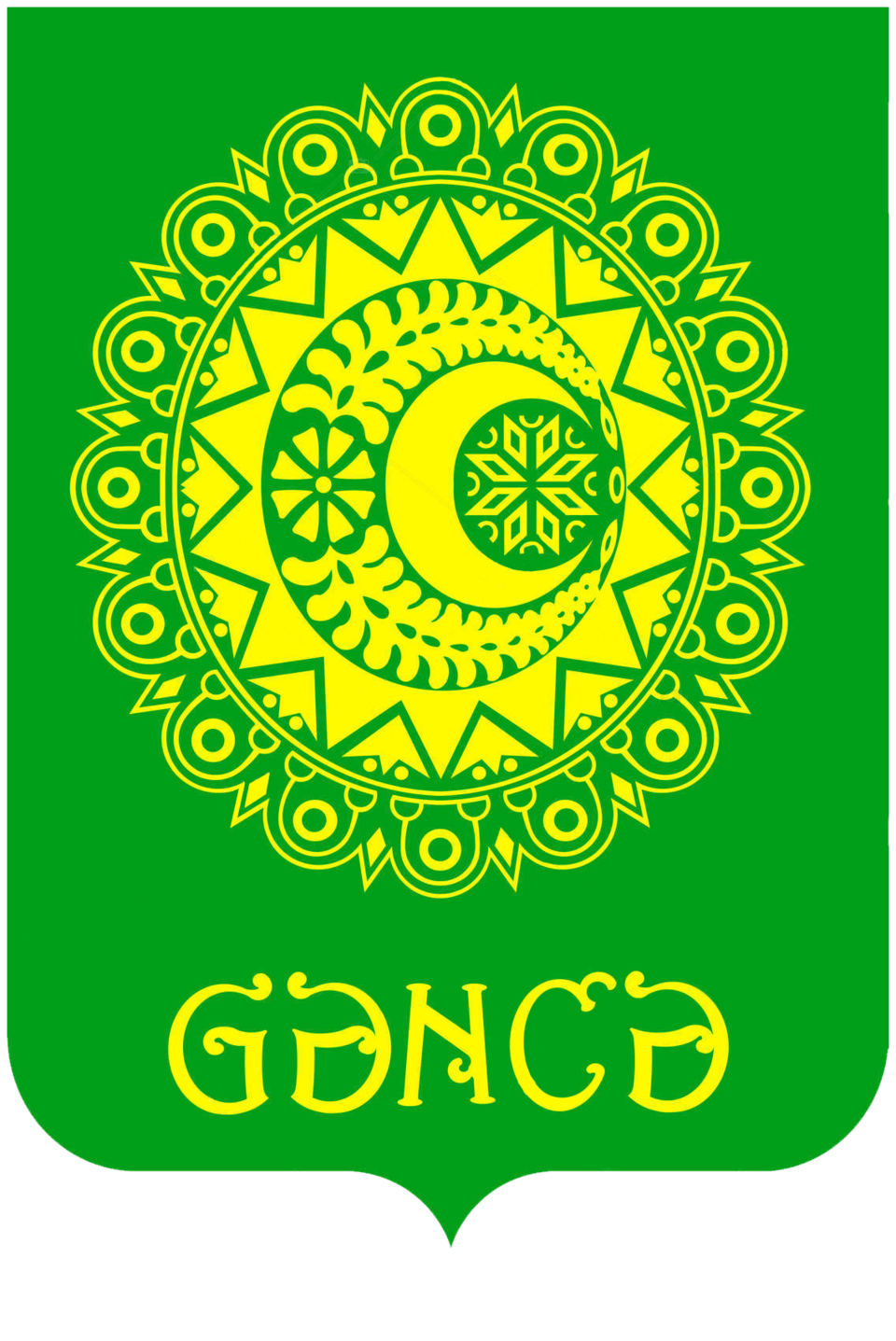
Official city emblem of Ganja
Quick Facts
- Ganja, western Azerbaijan’s second‑largest city, near the foothills of the Lesser Caucasus.
- Inhabited since antiquity, it has been a strategic stop on routes linking the Caspian basin to the Caucasus and Anatolia.
- Safavid and later Russian imperial periods left a layered urban fabric of mosques, caravanserais, red‑brick streets, and civic buildings.
- 1804–1918: renamed Elisabethpol under the Russian Empire, serving as a key administrative and commercial center.
- Modern Ganja is known for its parks, literary heritage (Nizami Ganjavi), and distinctive bottle‑house architecture.
- Best time to visit: April–June, September–October, when temperatures are mild and city parks and nearby lakes are at their best.
Photo by Turgay Aliyev on Unsplash
Best Day Trips 🌿
Ganja works well as a base for short journeys into nature and nearby towns:
- Lake Göygöl and Lake Maralgöl — alpine lakes in Goygol National Park, surrounded by forest and mountain scenery, ideal for day hikes and lakeside walks.
- Göygöl town — a small settlement with traces of historic German colonist architecture and access to local farms and vineyards.
Photo by Nurlan Isazade on Unsplash
- Naftalan — a nearby town known for unique medical‑oil spa traditions and sanatorium culture.
- Local villages around Ganja — farming communities where fruit, vegetables, and dairy are produced seasonally and often sold at Ganja’s markets.
From Ganja, longer routes also link onward to Shaki in the north and Tbilisi in neighboring Georgia, making it a natural hub for western Azerbaijan and cross‑border Caucasus itineraries.
Top Attractions
Most main sights sit within a compact urban area and are reachable on foot from the central streets and squares.
- Nizami Ganjavi Mausoleum
- Javad Khan Street — a pedestrian‑friendly boulevard lined with historic and modern façades, cafés, shops, and parks.
- Shah Abbas (Juma) Mosque and Caravanserai — an ensemble reflecting Safavid‑era religious and commercial life.
- Bottle House — a private residence constructed from tens of thousands of glass bottles, now a local landmark of everyday creativity and reuse.
- Khan Baghi Park and Nizami Park — green spaces with old plane trees, lakes, and paths, popular for evening walks and family outings.
- Goy Imam (Imamzadeh) religious complex — a pilgrimage site just outside the city, with mosque and mausoleum elements set among courtyards.
- Local markets and bazaars (1, 2, 3, 4)— spaces to experience daily life, seasonal produce, sweets, and small‑scale trade.
Food
Meals in Ganja follow classic Azerbaijani traditions, with a strong emphasis on slow‑cooked dishes, fresh herbs, and shared plates.
A few dishes stand out:
- Piti — a clay‑pot lamb stew with chickpeas, cooked slowly and served in individual pots; often associated with the broader western region and nearby Shaki.
- Kebab and lule — charcoal‑grilled meats served with lavash or bread, herbs, and vegetable sides in city grills and village homes.
- Dolma — stuffed grape leaves and vegetables, frequently part of home hospitality and restaurant menus.
- Larisa’s Restaurant — An old Soviet-style restaurant managed by Larisa, an Assyrian local whose family has helped preserve one of Göygöl’s distinctive culinary traditions. The restaurant is especially known for its kupati (grilled pork sausages ) alongside fresh bread, herbs, and homemade accompaniments.
Bread and sweets are central to the local table:
- Fresh tendir breads from neighborhood bakeries and village ovens, often still warm when sold.
- Regional pakhlava and other pastries, served with tea and seasonal jams or honey.
Tea is a constant part of hospitality, commonly poured in armudu glasses and accompanied by small sweets, dried fruits, and nuts sourced from nearby households and farms.
Food is largely local and seasonal: fruits, vegetables, honey, drinks, and dairy reach city markets from the surrounding districts, and can be assembled into custom baskets for travelers by prior arrangement with producers or hosts.
When timing and invitations allow, visitors may be included in traditional community events — from family celebrations to Novruz or harvest‑season gatherings — offering a more intimate view of western Azerbaijani culture.
Local Experiences with Caucasica
At Caucasica, we organize 1, 2, 3‑day and longer stays in and around Ganja built around local family homes, regional food, and unfiltered access to both well‑known sites and quieter everyday spaces.
These itineraries can be extended toward lakes, nearby villages, Naftalan or onward routes to Shaki and Tbilisi, designed with regenerative principles in mind: staying longer, traveling overland, and directing value to local households, guides, and producers.
메타데이터
- post_id
- fdc31bc3070c
- slug
- ganja-western-azerbaijans-gateway-city-fdc31bc3070c
- url
- https://medium.com/@caucasica/ganja-western-azerbaijans-gateway-city-fdc31bc3070c
- canonical_url
- https://medium.com/@caucasica/ganja-western-azerbaijans-gateway-city-fdc31bc3070c
- author_url
- https://medium.com/@caucasica
- status
- ok
- fetched_at
- 2026-07-27 23:07:57