When Memory Becomes Rebellion
When Memory Becomes Rebellion
Uncovering the Secret Power of Nostalgia: How Marginalized Communities Are Using Memory to Challenge History and Shape Their Futures

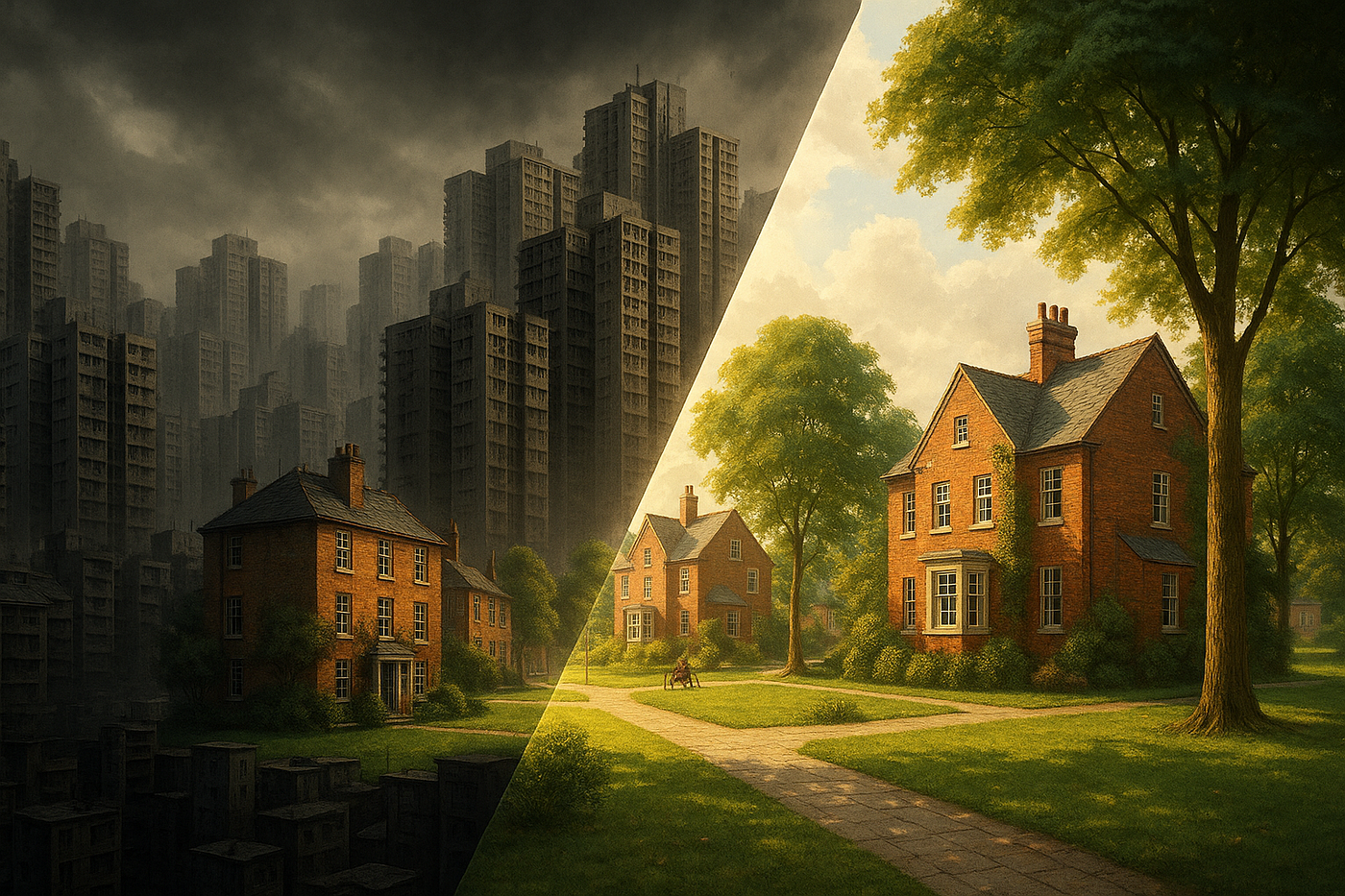
image created by author using Dall-E3
A single family recipe can topple empires
In 1970, a group of African American grandmothers in Charleston, South Carolina, began teaching their traditional rice recipes to anyone who would listen. They had no idea they were launching an act of historical warfare. These women weren’t simply sharing cooking tips — they were weaponizing nostalgia, deploying memory as a tool of resistance against centuries of cultural erasure. Their okra gumbo and red rice carried the DNA of West African agricultural wisdom, stories that slavery had tried to silence forever.
What happens when the past refuses to stay buried? Across the globe, marginalized communities are discovering that nostalgia isn’t merely sentimental yearning — it’s revolutionary archaeology, a deliberate excavation of suppressed histories that challenges the very foundations of official narratives.
The Alchemy of Rebellious Memory
Traditional thinking positions nostalgia as backward-looking escapism, a retreat from progress into sepia-tinted fantasy. Yet for communities whose histories have been systematically erased or distorted, nostalgia transforms into something far more subversive. As cultural theorist Svetlana Boym observed in “The Future of Nostalgia,” this isn’t passive longing but active reconstruction — a deliberate act of historical reclamation that challenges dominant power structures.
The ‘Black is Beautiful’ movement of the 1960s exemplified this phenomenon perfectly. By celebrating pre-colonial African aesthetics and heritage, activists weren’t simply boosting self-esteem — they were demolishing Eurocentric historical narratives that had positioned Black identity as inherently inferior. Each afro hairstyle became a small act of temporal rebellion, reaching across centuries to reclaim what colonialism had buried.
This rebellious nostalgia operates like a historian’s metal detector, unearthing fragments of identity that official archives never bothered to preserve. Communities become their own archaeologists, piecing together cultural DNA from whatever survived the systematic destruction.
Voices Carried on Wind
When written records disappear — destroyed by conquest, neglect, or deliberate suppression — human memory becomes the last archive. Oral histories function as living libraries, preserving not just facts but the emotional texture of experience that academic texts rarely capture.
The National Museum of American History recognizes this power, noting how oral traditions serve as “counter-archives” that challenge official historical narratives. LGBTQ+ elders sharing stories of underground ball culture, Indigenous knowledge keepers passing down creation stories, Holocaust survivors recording testimonies — each voice becomes a rebellious act against forgetting.
These spoken histories carry particular weight because they emerge from lived experience rather than institutional interpretation. They preserve the small rebellions, daily resistances, and moments of joy that formal history often overlooks. When a Gullah grandmother describes her mother’s sweetgrass basketry techniques, she’s not just sharing craft knowledge — she’s maintaining an unbroken chain of African cultural practice that survived the Middle Passage.
Geography as Biography
Language shapes reality, and nowhere is this more evident than in the struggle over place names. Across North America, Indigenous communities are reclaiming original toponyms — not merely as symbolic gestures, but as assertions of ongoing sovereignty. The renaming of geographical features represents cartographic decolonization, challenging the assumption that European “discovery” legitimized renaming ancestral territories.
As scholars noted in The Conversation, Indigenous place names often encode sophisticated ecological and cultural information, representing “a profound connection to country and the knowledge systems embedded in landscape.” When British Columbia considers restoring Coast Salish names to mountains and rivers, they’re not just updating maps — they’re acknowledging that the land held meaning and identity long before colonial arrival.
These naming projects operate on multiple temporal dimensions simultaneously, honoring ancient knowledge while asserting contemporary presence. They demonstrate that resistance doesn’t always require dramatic confrontation — sometimes it’s as simple as insisting on the right to name your own home.
Algorithms of Ancestral Wisdom
Digital technology has democratized historical preservation in unprecedented ways. Communities can now bypass traditional gatekeepers — museums, universities, publishers — to create their own archives and share narratives on their own terms. The internet functions as a massive, decentralized counter-museum where marginalized histories can flourish without institutional approval.
Projects like the Archives of American Art collaborate with community-led initiatives to digitize previously overlooked histories, while countless independent websites and social media groups create global networks around shared experiences of diaspora, displacement, and resistance. These digital spaces allow scattered communities to reconstruct collective memory across geographical boundaries.
The Gullah Geechee Cultural Heritage Corridor exemplifies this digital-physical hybrid approach, using online platforms to connect descendants of enslaved Africans throughout the American Southeast while preserving traditional foodways, language, and cultural practices that carry direct links to West African ancestors.
Performance as Time Travel
Art becomes a temporal bridge when communities use creative expression to embody suppressed histories. Contemporary Indigenous artists blend traditional forms with modern techniques to address colonial legacies, while drag performers serve as living archives of queer history, channeling figures and moments that mainstream culture has forgotten or ignored.
The National Museum of the American Indian showcases how artistic expression can simultaneously mourn loss and celebrate resilience. When a Cherokee weaver incorporates traditional patterns into contemporary installations, they’re performing cultural continuity — demonstrating that tradition isn’t museum artifact but living practice.
Performance allows communities to experience history viscerally rather than intellectually. A Juneteenth celebration doesn’t just commemorate emancipation — it creates embodied connection to ancestral struggle and triumph, transforming historical knowledge into lived experience.
The DNA of Belonging
Genealogical research has evolved into profound act of historical reclamation, particularly for communities affected by slavery, forced migration, or colonial disruption. DNA testing services now enable African Americans to trace lineages back to specific regions and ethnic groups, reconstructing identities deliberately severed by the transatlantic slave trade.
The National Archives recognizes genealogy as more than hobby — it’s fundamental to understanding national heritage and individual identity. For adoptees, descendants of enslaved peoples, and members of displaced communities, tracing ancestral connections becomes archaeological recovery of selfhood.
These genealogical journeys often reveal the inadequacy of broad racial categories. Discovery that ancestors originated from specific Yoruba communities or particular Irish counties allows people to move beyond generic ethnic labels toward nuanced understanding of cultural inheritance.
The Future of Yesterday
Rebellious nostalgia fundamentally challenges linear notions of progress. Rather than viewing history as settled narrative moving inevitably toward improvement, communities wielding memory as resistance demonstrate that the past remains actively contested terrain.
This has profound implications for how societies understand justice, identity, and belonging. When communities successfully reclaim suppressed histories, they don’t just restore pride — they reveal the constructed nature of dominant narratives, opening space for alternative futures built on more inclusive foundations.
The grandmothers sharing rice recipes in Charleston understood something that academic historians are only beginning to grasp: memory isn’t neutral preservation but active creation. Every recovered recipe, restored place name, and retold story doesn’t just honor the past — it rewrites the future.
References
Boym, S. (2001). The Future of Nostalgia. Basic Books.
National Museum of American History. “The Power of Oral History.” https://americanhistory.si.edu/blog/power-oral-history
The Conversation. “Why Indigenous place names matter: from Uluru to Wahkohtowin.” https://theconversation.com/why-indigenous-place-names-matter-from-uluru-to-wahkohtowin-76672
Gullah Geechee Cultural Heritage Corridor. https://gullahgeecheecorridor.org/
Archives of American Art. “Digital Access & Inclusion.” https://www.aaa.si.edu/collections/digital-collections/digital-access
National Museum of the American Indian. https://americanindian.si.edu/
National Museum of African American History and Culture. “What is Juneteenth?” https://nmaahc.si.edu/events/juneteenth
National Archives. “Tracing Your Family’s History.” https://www.archives.gov/research/genealogy
If you’ve enjoyed this article, please it would be an enormous help if you would share it with a friend or two, clap and follow. Your support and encouragement really makes a huge difference. Thank you. Never miss another article. Get an email whenever I publish.

in collaboration with AI
메타데이터
- post_id
- fdeebcbd4d1f
- slug
- when-memory-becomes-rebellion-fdeebcbd4d1f
- url
- https://medium.com/perspective-matters/when-memory-becomes-rebellion-fdeebcbd4d1f
- canonical_url
- https://medium.com/perspective-matters/when-memory-becomes-rebellion-fdeebcbd4d1f
- author_url
- https://medium.com/@lesliecoelho
- status
- ok
- fetched_at
- 2026-06-09 15:37:30