Not Every Trauma Leads to Post-Traumatic Stress Disorder (PTSD): Understanding the Diagnostic Line
Awareness eliminates labeling.
Not Every Trauma Leads to Post-Traumatic Stress Disorder (PTSD): Understanding the Diagnostic Line
Awareness eliminates labeling.
Post-traumatic stress disorder, major depression, adjustment disorder, many labels… Before saying disorders, let’s try to understand how trauma works.
The emergence of trauma doesn’t necessarily lead to a psychiatric diagnosis. However, a widespread belief holds that people who experience events like war crises and forced migration will experience psychiatric problems everywhere and that they will be subject to psychiatric interventions throughout their lives.
Probably one of the most well-known examples is soldiers who went to Vietnam. The National Vietnam Veterans Readjustment Study, conducted from 1986 to 1988, found that 15.2% of men and 8.1% of women who served in Vietnam met diagnostic criteria for PTSD.
Based on WHO, Around 70% of people globally will experience a potentially traumatic event during their lifetime, but only a minority (5.6%) will go on to develop PTSD. So before we talk about definitions and labels, let’s talk a little about the nature of trauma and when people are actually in a position to receive a diagnosis.
At the end of the article, I added the updated criteria list from the DSM-5 book used by psychiatrists to diagnose Post-Traumatic Stress Disorder.
The limbic system, known as the brain’s emotional control center, plays a key role in identifying incoming sensory information as threatening particularly the amygdala and hypothalamus, activate the body’s survival responses: fight, flight or freeze. People who freeze often assume they are unresponsive to trauma, but freeze is, in itself, a trauma response.

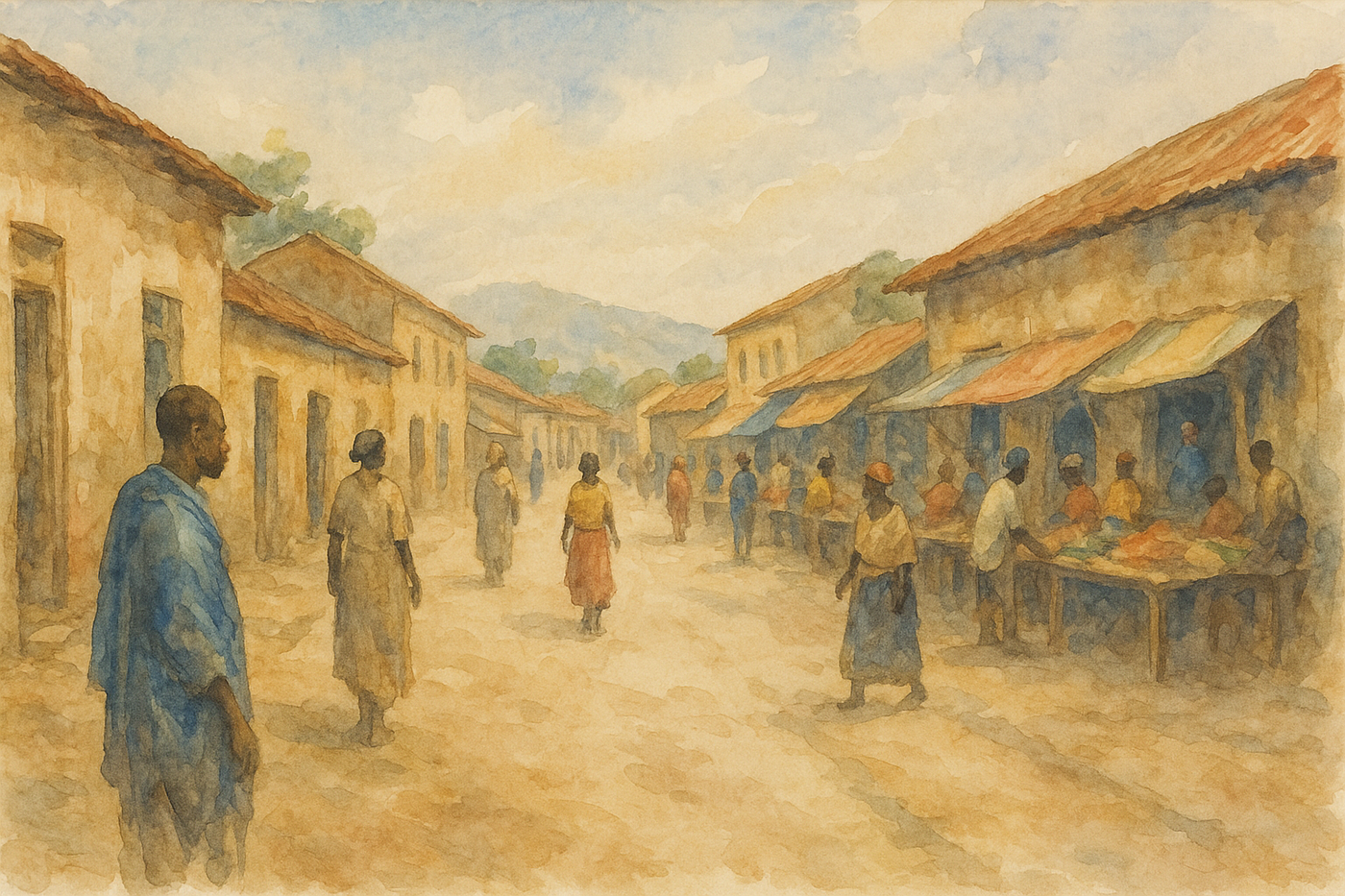
Erhan Lampir — painting’s photo taken by the author — art gallery in Izmir
An event becomes traumatic when it overwhelms the stress response system and leaves people feeling helpless, vulnerable, out of control, and overly sensitive to reminders of the event. For example, a student experiencing an active shooter situation at school might become hypersensitive to the sounds of confetti or lightning. Even stimuli resembling the sound of a shooting can trigger a re-experiencing of the same stressful situation.
Acute symptoms following a traumatic experience may include nightmares or flashbacks; agitation, irritability, and anxiety; hypervigilance; trouble concentrating; and feeling numb or disconnected. If you’ve ever been in such an environment, you’ve likely witnessed survivors reliving the event over and over again, retelling it to make sense of it, often with very detailed memories etched into their minds.
People respond to trauma differently. In the Haitian culture, the term “seizisman” or “seized-up-ness” is used to describe responses (often somatic symptoms such as stomaches, headaches, etc.) brought on by an unexpected event or situation.
Most people can recover relatively quickly from traumatic events.
But recovering depends on these conditions:
- the severity of the event
- exposure to other traumatic experiences, either past or current
- biological traits
- individual coping styles and skills
- family history
- attachment to caregiver, and level of social support
The duration of trauma reactions varies from person to person. According to the diagnostic manual, if symptoms last for more than one month, along with many other criteria, then more professional intervention is necessary.
Does Trauma Heal on Its Own?
Both yes and no.
People can and do recover from trauma. Many do so with the help of natural support systems that include family, community, church, and peer groups. Strong social support networks are protective and enhance individual and family resiliency.
If the individual’s coping skills are strong and they receive social support from loved ones, they can return to their daily routines. The reactions to the trauma will gradually fade, and the person will return to their life skills without any medication or therapy.
If symptoms persist, then the person should be supported in different ways.

painting photo taken by the author — art gallery in Izmir
PTSD: The Diagnostic Criteria:
Criterion A (1 required): The person was exposed to: death, threatened death, actual or threatened serious injury, or actual or threatened sexual violence, in the following way(s):
- Direct exposure
- Witnessing the trauma
- Learning that the trauma happened to a close relative or close friend
- Indirect exposure to aversive details of the trauma, usually in the course of professional duties (e.g., first responders, medics)
Criterion B (1 required): The traumatic event is persistently re-experienced, in the following way(s):
- Unwanted upsetting memories
- Nightmares
- Flashbacks
- Emotional distress after exposure to traumatic reminders
- Physical reactivity after exposure to traumatic reminders
Criterion C (1 required): Avoidance of trauma-related stimuli after the trauma, in the following way(s):
- Trauma-related thoughts or feelings
- Trauma-related reminders
Criterion D (2 required): Negative thoughts or feelings that began or worsened after the trauma, in the following way(s):
- Inability to recall key features of the trauma
- Overly negative thoughts and assumptions about oneself or the world
- Exaggerated blame of self or others for causing the trauma
- Negative affect
- Decreased interest in activities
- Feeling isolated
- Difficulty experiencing positive affect
Criterion E (2 required): Trauma-related arousal and reactivity that began or worsened after the trauma, in the following way(s):
- Irritability or aggression
- Risky or destructive behavior
- Hypervigilance
- Heightened startle reaction
- Difficulty concentrating
- Difficulty sleeping
Criterion F (required): Symptoms last for more than 1 month.
Criterion G (required): Symptoms create distress or functional impairment (e.g., social, occupational).
Criterion H (required): Symptoms are not due to medication, substance use or other illness.
Two specifications:
- **Dissociative Specification.** In addition to meeting criteria for diagnosis, an individual experiences high levels of either of the following in reaction to trauma-related stimuli:
- Depersonalization. Experience of being an outside observer of or detached from oneself (e.g., feeling as if “this is not happening to me” or one were in a dream).
- Derealization. Experience of unreality, distance, or distortion (e.g., “things are not real”).
2. Delayed Specification. Full diagnostic criteria are not met until at least 6 months after the trauma(s), although onset of symptoms may occur immediately.
For further readings
In addition to individual traumas, collective trauma is worth mentioning. I wrote it here:
[embed]Collective Trauma Shape Generations How to take Trauma-Informed Approachmedium.com
메타데이터
- post_id
- fdffa98647ba
- slug
- not-every-trauma-leads-to-post-traumatic-disorder-ptsd-understanding-the-diagnostic-line-fdffa98647ba
- url
- https://medium.com/psychology-behind/not-every-trauma-leads-to-post-traumatic-disorder-ptsd-understanding-the-diagnostic-line-fdffa98647ba
- canonical_url
- https://medium.com/psychology-behind/not-every-trauma-leads-to-post-traumatic-disorder-ptsd-understanding-the-diagnostic-line-fdffa98647ba
- author_url
- https://medium.com/@ozge.ynbl
- status
- ok
- fetched_at
- 2026-06-14 11:28:49