The Curious Case of the Third Wheel: A Data Driven Case for Wage Parity for Ontario Paramedics
Paramedics in Ontario are in a battle. They face increasing call volume, increasing stress, increasing scope, increasing roles, increasing…
The Curious Case of the Third Wheel: A Data Driven Case for Wage Parity for Ontario Paramedics
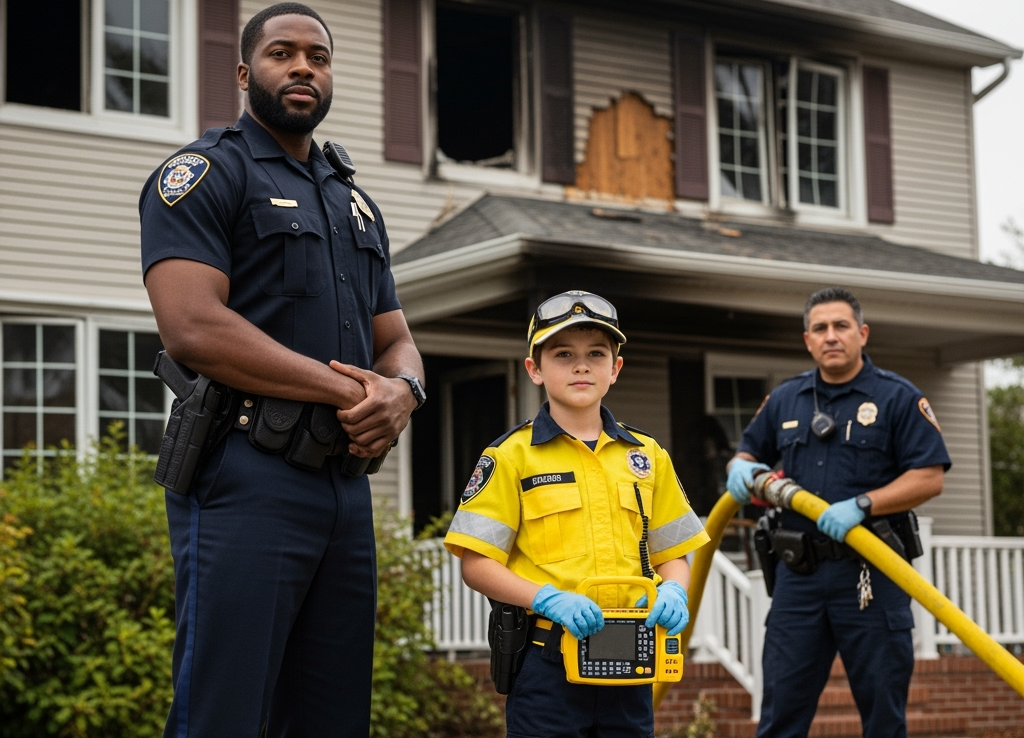
Paramedics in Ontario are in a battle. They face increasing call volume, increasing stress, increasing scope, increasing roles, increasing violence, and unfortunately an increasing wage gap compared to their emergency service brothers and sisters. It doesn’t make a whole lot of sense.
Paramedics serve as the critical first line of urgent medical response, yet their compensation significantly lags behind that of their counterparts in police and fire services. This persistent disparity represents a fundamental challenge to the stability and effectiveness of Paramedic Services across the province. While the argument for wage parity has been happening for nearly two decades it has historically been justified with calls for fairness and equity without much meat to back it up. However, given what paramedics in Ontario do and experience today we can now make justified, data based decisions as to why it’s actually imperative that parity comes.
We’ll start with the brass tacks up front: The current average annual pay for a top of the grid Primary Care Paramedic in Ontario stands at approximately $44.00/hr, or $96,000 annually, based on a 2190hr work year. Some services cut some 12-hr shifts short a few times a year and do a 2080hr work year so this annual can vary. In Peel Region, a first class police constable earns $117,000. A firefighter in Mississauga brings in $109,000 at the top of their grid. This gap can be even larger in some areas as reported by some union locals and publicly available collective bargaining agreements. That’s a wage disparity of $21,000, no small number by any means. Recent wage correction for CACC (Central Ambulance Communication Centre) ambulance dispatchers to match their police/fire dispatch counterparts also bring their hourly to $45.69, above most Primary Care Paramedics in Ontario (with bargaining currently underway which will bring this even higher). This means that those answering the phones and dispatching paramedics to calls earn more compensation that those on the frontlines. More on this below.
The compensation inequities extend beyond base wages, encompassing a critical absence of retention or seniority pay, and significantly inferior health, long-term disability, and retirement benefits for paramedics compared to police and fire personnel. These financial discrepancies directly contribute to severe recruitment and retention challenges, leading to critical staffing shortages across Ontario. Toronto, for instance, reports at least one paramedic resignation per week, with 320 departures since 2020 against 578 hires, indicating a net loss and a service currently estimated to be 100 paramedics short. (As I final proof this Toronto did recently make an announcement in expanded staffing). This chronic understaffing results in ambulances frequently being unavailable for calls. This exacerbates a critical public safety issue often referred to as “code zeros” or “code blacks” and leads to unsustainable working conditions for existing staff. To be clear, I’m not suggesting that a wage gap is the only thing responsible for code zero events by any means, however overall working conditions and issues with recruitment and retention, of which police and fire have less problems with, result in downstaffing which is a partial contributing factor for code zeros.
The argument for immediate wage parity for paramedics is compelling and multi-faceted. It is imperative due to the comparable, if not greater, risks paramedics face, including escalating violence. The profession also bears a severe mental health toll, evidenced by disproportionately high rates of Post-Traumatic Stress Disorder (PTSD), stress, and suicide, which often exceed those of other first responders. Furthermore paramedicine demands rigorous and unique post-secondary education requirements, often overlooked in compensation discussions. The continuously expanding and increasingly complex scope of practice, including advanced medical procedures and community paramedicine initiatives, underscores their evolving professional responsibilities. Strong public support for fair compensation for paramedics further reinforces this call for equity. Fundamentally, achieving wage parity aligns with the principle of “equal pay for work of equal value,” a concept enshrined in Ontario legislation.
The current under compensation of paramedics carries broader, less visible costs that extend beyond direct financial metrics. The analysis reveals a direct causal chain where inadequate wages lead to high turnover, depleting the pool of experienced paramedics. This, in turn, necessitates an increased reliance on overtime, intensifying burnout among the remaining staff. The ultimate ripple effect is a decrease in service quality and availability, directly compromising public safety and healthcare access. This demonstrates that under compensation is not merely a personnel issue but a systemic risk to the public good, creating a self-perpetuating cycle of decline within the emergency response system.
The persistent wage gap, despite increasing demands and inherent risks, points to a systemic undervaluation of paramedicine. The fact that Peel Region’s council has, in principle, acknowledged the need for pay parity, but the employer has not made any substantial commitment to close the gap, even as police budgets significantly increase, suggests that the disparity is not an accidental oversight. This situation is further contextualized by the historical decision in 1998 to download responsibility for land ambulance services to municipalities, leading to a “perpetual state of underfunding.” This indicates that the wage gap is a structural issue, requiring targeted and deliberate policy intervention at the provincial level, rather than being solely a matter for local collective bargaining.
Paramedics: The Foundation of Prehospital Care
Paramedics are indispensable pillars of Ontario’s emergency response system, serving as the initial and often sole medical professionals to respond to acute emergencies. Their role extends far beyond basic transport; they provide critical prehospital care, performing life saving interventions and assessments that are integral to the continuum of patient care, from the scene of an incident to safe arrival at a medical facility. The scope of paramedicine has evolved significantly over time, moving from rudimentary transport services to encompassing advanced life support, critical care, and increasingly, community paramedicine initiatives designed to alleviate the burden on hospitals and emergency departments. The Ontario government itself has recognized their “crucial role” and “tireless efforts” in safeguarding the health and safety of people across the province.
Despite their essential and continuously expanding responsibilities, paramedics in Ontario face a persistent and significant wage disparity when compared to their police and firefighter colleagues. This long-standing compensation gap is a source of considerable frustration within the profession. The issue is compounded by the increasing stress inherent in the job, the rising cost of living in urban centers, and aggressive recruitment efforts by other emergency services, all of which contribute to burnout and high turnover rates within Paramedic Services.
I’ll assert that equitable compensation for paramedics is not merely a matter of fairness, but a critical investment in public safety and the overall resilience of the healthcare system. The subsequent dialogue will demonstrate that achieving wage parity is essential to attract and retain highly skilled Paramedics, ensure the consistent quality and availability of emergency medical services, and ultimately safeguard the health and well-being of Ontario residents.
Paramedics, despite being the primary healthcare responders in many emergencies, are often perceived as a secondary service within the broader public safety framework. While police and fire are frequently highlighted as the quintessential “first responders,” paramedics are distinct in their immediate and highly specialized medical intervention capacity. The observation that paramedics are often the “least paid people that show up” alongside police and fire, despite frequently being the first to provide critical medical care, suggests a systemic undervaluation of their healthcare role within the emergency services. This under-recognition impacts not only their compensation but also public perception and policy priorities, hindering their ability to advocate for fair treatment and adequate resources. This odd intersection of public safety vs healthcare (hint: paramedics are both) make classifying paramedics a difficult task…but it doesn’t have to be.
The existing wage gap is a symptom of deeper systemic issues rooted in healthcare funding. The current state of Ontario Paramedic Services can be traced back to decades of provincial policy failures, particularly the 1998 decision by the provincial government to download responsibility for land ambulance services to municipalities. This funding arrangement, where the Ministry of Health and Long-Term Care shares half the costs with municipalities, has created a “perpetual state of underfunding” for current year requirements. To elaborate on this, if a UTM decides to add two staffed ambulances to their resource pool in 2026, the Ministry will not fund their half until 2027. This direct causal link demonstrates that the wage disparity is not an isolated local issue but a direct consequence of a fragmented and insufficient provincial funding model. This chronic underfunding, coupled with the increasing demand for Paramedic Services, directly impacts staffing levels, leading to critical service gaps and shifting the burden onto already strained emergency departments.
The Undeniable Wage Gap: A Comparative Analysis
The financial compensation for paramedics in Ontario starkly contrasts with that of their police and firefighter counterparts, revealing a significant and problematic wage gap.
As I opened with the numbers, the general Primary Care Paramedic pay in Ontario is approximately 92–96k per year, depending on the specific UTM and also depending on how many hours per year they work.
In comparison to reiterate, a First Class Constable with Peel Regional Police, a common benchmark for experienced officers, earns a base annual salary of $117,000. Recent collective agreements further illustrate upward trends in police compensation. By the end of the current OPP contract for example, a First Class Constable there will be earning a base salary of $123,000.
Firefighters in Ontario also demonstrate higher compensation levels as alluded to at the opening of this article. A First Class Firefighter in Thunder Bay, for instance, earns an annual salary of $112,000. Other jurisdictions (remember most fire services are run municipally) come in around the areas of $109,000 on average.
As mentioned at the opening, Ambulance Communications Officers or ACOs have been awarded a recent wage correction. At $45.69/hr this means that in an overwhelming number of jurisdictions in Ontario, the folks on the other end of the phone or radio will make more than the paramedics on the front line actually delivering critical care. I don’t discount their correction by any means, and this was done to improve recruitment and retention as they were experiencing staffing losses to police and fire communication centres and I applaud them on this win.
The data clearly illustrates a substantial compensation gap. The union representing Kenora district paramedics explicitly states that paramedics in their region earn about 30% less than fire and police services. This disparity is most pronounced for the majority of paramedics (Primary Care Paramedic level) and those earlier in their careers, highlighting a systemic undervaluation of their critical role.
The compensation gap for paramedics extends significantly beyond base wages, encompassing a fraction of the health, long-term disability, and retirement benefits received by police and fire services. A critical example is the lack of universal mental health coverage for paramedics, with part-time members specifically excluded. The fact that part-time exists in Paramedic Services is a separate subject which won’t be delved into here. Some services have expanded benefits with respects to dollar values over the past few years, as well as some services covering part-time staff specifically for mental health this is by far from the “standard”. At least we’re headed in the right direction. But they still pale in comparison by and large to the comprehensive packages typically enjoyed by police and fire personnel.
A glaring inequity is the typical absence of retention or seniority pay for paramedics, unlike their counterparts in police and fire. This means that a paramedic with just two to three years of experience often earns the same base wage as one with 20 years on the job, failing to recognize invaluable experience and dedication. In contrast, firefighters in Waterloo receive “recognition pay” that adds 3% to 9% of a First Class firefighter’s salary to their base pay after 8, 17, and 23 years of service, which is also pensionable. Hicks Morley, a large labour and employment law firm who represents a significant number of municipalities has had a longstanding publicly available video highlighting how paramedics should be treated as any other municipal worker, and UTMs should never go down the road of retention pay during collective bargaining.
The low pay and insufficient benefits directly undermine the attractiveness of paramedicine as a career, leading to it being “just not seen as a viable career nowadays” by many. Toronto’s Paramedic Service exemplifies these challenges, struggling to retain staff due to the increasing stress of the job, the rising cost of living in the city, and aggressive recruitment by other GTA services offering comparable or higher pay with lower call volumes. Since 2020, Toronto has seen 320 paramedics retire or leave the service, resulting in a net loss and an estimated shortage of approximately 100 paramedics. This forces an unsustainable reliance on overtime and frequently results in ambulances being unavailable for calls. The retention crisis is particularly acute in Northern Ontario, where paramedics are paid less than their Southern Ontario counterparts, exacerbating province-wide shortages and making recruitment difficult. That said in recent years some northern services have released some unique tools to address this issue including bonuses, travel assistance, and even tuition reimbursement and I applaud them for such.
The observation that “there is a reason why so many paramedics become firefighters and never the other way round” is a critical indicator of misaligned incentives within the emergency services sector. When police and fire services offer significantly better compensation and benefits, it becomes economically rational for experienced paramedics to transition to these roles. This results in a substantial loss of specialized medical expertise from the EMS system, further exacerbating staffing shortages and diminishing the overall quality of prehospital care. This suggests that the current compensation structure inadvertently “poaches” vital medical talent from its own frontline, creating a detrimental cycle for the entire public safety and healthcare system.
The contentious but revealing claim that “Toronto EMS paramedics are kidnapped by Local 416” and are “bargaining alongside a garbage worker” points to a significant structural barrier. While the specific details of the degree requirement are debated, the core implication is that paramedics, despite their distinct professional qualifications and responsibilities, may be subsumed within larger, more diverse bargaining units. This arrangement could limit their ability to negotiate solely on the unique value and risks of their highly specialized medical profession, as their demands might be diluted or traded off against the priorities of other worker groups. This suggests that achieving true wage parity may require either separate bargaining units or a fundamental re-evaluation of how paramedic compensation is negotiated within broader municipal collective agreements.
The High Cost of Service: Violence and Psychological Trauma
Paramedics in Ontario operate in an environment characterized by pervasive and escalating violence, a critical factor often underestimated in discussions of their compensation. Between February 1, 2021, and January 31, 2022, paramedics in Peel Region filed an alarming 941 external violence incident reports. These incidents involved 377 paramedics, meaning a staggering 48% of the region’s paramedics were exposed to some form of violence within that two-year period. It is important to note that many violent incidents go unreported despite efforts to encourage reporting, suggesting that these figures likely represent a significant underestimate of the actual violence faced by paramedics. This implies that the already alarming figures for physical assaults, sexual assaults, verbal abuse, threats, and harassment are conservative, and the true extent of the danger and degradation paramedics face daily is even greater than what is formally documented. This underreporting not only masks the full scope of the problem but also suggests systemic issues within reporting mechanisms or a culture where reporting is not adequately supported or even discouraged.
The nature of this violence is diverse and severe. Forty percent of reported incidents included physical or sexual assault, with 180 paramedics physically assaulted and 10 sexually assaulted. Verbal abuse was rampant, accounting for 39% of reported cases and affecting 368 Peel paramedics. Threats or intimidation were present in 4% of cases, with 39 paramedics receiving threats to be beaten, raped, or killed. Sexual harassment was reported in 2% of cases, impacting 20 paramedics. Disturbingly, reports also detailed violence based on protected grounds under the Ontario Human Rights Code, including racism (9%), sexism/gender-based violence (17%), and homophobia (2%).
Expressed as a rate the data reveals an alarming frequency: a paramedic in Peel Region reported violence every 18 hours, was physically assaulted every 36 hours, and was physically harmed by violence every 9 days. A separate study in Peel corroborated these findings, reporting a physical or sexual assault every 46 hours and an injury every nine days. The sheer volume and relentless frequency of these incidents underscore that Paramedics operate in an inherently dangerous and unpredictable environment, constantly facing physical, emotional, and psychological threats. Compounding this danger is the pervasive and deeply problematic “assumption that violence is part of the job, but that you need to figure out a way to deal with it or it’s going to eat you alive”. This normalization of violence among paramedics is detrimental to their well-being and represents a systemic failure to adequately protect these essential workers. Furthermore, paramedics are subjected to various forms of abuse, including being “assaulted, harassed, accosted, spat on and even in some cases, urinated on by patients”. This constant exposure to degradation and physical harm highlights a unique and often overlooked aspect of their daily work.
The mental health toll on paramedics is a silent epidemic, characterized by disproportionately high rates of mental stress injury claims, PTSD, and tragically, suicide. A 2021 survey by the Canadian Union of Public Employees (CUPE) revealed that a staggering 83% of paramedics felt their workload was harming their physical or mental health. Furthermore, a study analyzing Workplace Safety and Insurance Board (WSIB) data from 2017 to 2021 found that paramedics had the highest proportion of mental stress injury claims among all public safety personnel. This highlights their particular vulnerability to psychological trauma. Notably, despite these injuries, the same study found that paramedics were the most likely to return to work after experiencing them, underscoring their dedication even in the face of significant personal cost. Across Canada, PTSD consistently represents a substantial portion of mental illness-related lost time claims, accounting for 45% of such claims in 2022. Health occupations, which include paramedics, were a significant contributor, accounting for 23.9% of all PTSD-related claims in 2022.
First responders, a category that explicitly includes paramedics, police officers, firefighters, correctional workers, and dispatchers, are identified as being at least twice as likely as the general population to suffer from PTSD due to routine exposure to traumatic stressors. While specific comparative prevalence rates for diagnosed PTSD cases directly comparing paramedics to police and firefighters are not explicitly provided in all available information, the WSIB data strongly suggests paramedics bear a disproportionate burden by having the highest proportion of mental stress injury claims among public safety personnel. For police officers, studies indicate that 29% were in the clinical diagnostic range for PTSD, significantly higher than the 9% lifetime prevalence rate for PTSD in the general Canadian population. Another study found an 8.0% prevalence of PTSD in a sample of Canadian police officers. For firefighters, a national, pan-sector study revealed that 44.5% of participating public safety personnel screened positive for symptoms consistent with one or more mental disorders, with an estimated 23.2% showing symptoms of PTSD.
The ultimate tragic outcome of mental health challenges is suicide. Data indicates that suicide rates among first responders are significantly higher than those of the general population. Specifically, between 2014 and 2018, paramedics faced a suicide rate of 7.3 per 100,000, which was notably higher than that of firefighters (5.8 per 100,000). This stark comparison underscores the severe and often fatal mental health toll on paramedics.
While the Ontario government has acknowledged the issue, investing $32 million in a new mental health support program in 2023 called Warrior Health (edit: Just launched as I copy edit this article), and legislation such as the Supporting Ontario’s First Responders Act, 2016 to create a presumption that PTSD diagnosed in first responders is work-related, the effectiveness of mental health support is hampered by varying protocols and local capacities. In remote areas, access to even basic assistance, such as an employment insurance specialist, can be scarce, leading to significant delays in support for those experiencing mental stress injuries. A critical gap remains in universal mental health coverage for paramedics, particularly for part-time members who are often excluded from extended health benefits. Paramedic unions are actively advocating for universal mental health coverage. Experiences from police officers, who also face high rates of psychological injury, indicate that workplace support is often rated as poor, and stigma remains a significant barrier to seeking help and successful return-to-work. This suggests that even with legislative presumptions, cultural and systemic barriers to effective mental health support persist across first responder professions.
The statistics presented likely represent a significant underestimate of the actual violence faced by paramedics. The research explicitly states that “many violent incidents go unreported despite efforts to encourage reporting”. The true extent of the danger and degradation Paramedics face daily is even greater than what is formally documented. This underreporting not only masks the full scope of the problem but also suggests systemic issues within reporting mechanisms or a culture where reporting is not adequately supported or even discouraged. This has slowly started to change with Peel Paramedics leading the way in EVAP: External Violence Against Paramedics program. This program deals with data collection, research, simplistic reporting principles, and actionable follow-up on all episodes of violence against paramedics. It has since been copied to other municipalities and I look forward to it reaching every inch of our province.
These issues are not isolated but form a detrimental feedback loop. The escalating violence against paramedics directly contributes to their disproportionately high rates of mental stress injury claims and PTSD. This severe psychological burden, in turn, leads to increased burnout and a higher propensity for paramedics to leave the profession. This creates a vicious cycle: the inherent dangers and psychological toll of the job, compounded by inadequate compensation and insufficient mental health support, drive away experienced paramedics. Admittedly perhaps not in droves, but in our current staffing climate in Ontario, even a loss of a few clinicians per year makes this tough to swallow. This loss of skilled personnel further burdens those who remain, intensifying their stress and perpetuating the cycle of burnout and turnover. Wage parity and robust, universal mental health support are therefore not just matters of fairness; they are critical interventions required to break this self-destructive cycle and ensure the long-term stability and effectiveness of the paramedic workforce.
The economic and social costs of paramedic trauma extend far beyond individual workers and their employers. While the estimated cost of a firefighter being off work due to PTSD is approximately $380,000 CAD annually, this figure primarily covers direct and indirect costs to the workplace. The broader societal costs include increased strain on the public healthcare system (e.g., mental health services, long-term care), significant impacts on the families and communities of affected paramedics, and the broader loss of productivity and human potential. The fact that paramedics are noted as being “the most likely to return to work after experiencing those injuries” despite the high rates of mental stress claims, suggests an inherent resilience and commitment to their profession. This highlights a critical opportunity: if adequate preventative measures, robust support systems, and fair compensation were in place, the positive impact on public health and safety, and the reduction of these broader societal costs, would be substantial. This reframes addressing paramedic trauma as a public health imperative, not just an occupational one.
Professional Rigor: Education and Evolving Scope of Practice
To embark on a career as a paramedic in the Province of Ontario, aspiring individuals must first be high school graduates like the other two emergency service careers. This foundational requirement is followed by mandatory enrollment and successful completion of a recognized Paramedic program at an approved Ontario college. These programs are typically intensive two-year Ontario College Diploma program.
Admission into these programs is highly competitive and academically rigorous. Applicants must possess specific Grade 12 credits, including English, Math, Chemistry, and Biology, all with a minimum grade of 60%. Many programs further recommend or require senior science and technology credits and often give preference to applicants with higher grades. Additional points in the selection process can be earned for prior emergency training, healthcare work experience, or a Class F driver’s license. Upon successful completion of the college program, graduates must then acquire the Advanced Emergency Medical Care Assistant (A-EMCA) certification. This involves passing a comprehensive provincial examination administered by the Ministry of Health. Further specialization to Advanced Care Paramedic (ACP) or Critical Care Paramedic (CCP) levels requires additional years of specialized education and specific certifications, building upon the foundational Primary Care Paramedic (PCP) training.
A direct comparison with the minimum educational requirements for police and firefighters reveals a distinct difference. For police officers, the minimum educational requirement to become a police constable with the Toronto Police Service, as per the Community Safety and Policing Act, 2019, is a secondary school diploma or its equivalent. While university degrees or college diplomas/advanced diplomas are also accepted and can enhance an application, they are not strictly mandatory as a baseline for entry into the profession. Similarly, academic requirements for firefighter programs in Ontario colleges typically include an Ontario Secondary School Diploma (OSSD) or equivalent, which must include a Grade 12 English credit and a Grade 12 mathematics credit. Senior science and technology credits are often recommended.
This comparison clearly demonstrates that paramedics are the only emergency service profession in Ontario that mandates a college diploma as a baseline entry requirement, whereas police and fire services have a high school diploma as their minimum academic entry point. Paramedic programs involve extensive hands-on training, rigorous clinical hospital and ambulance field experience, and a deep theoretical and practical focus on complex medical procedures, pharmacology, anatomy, physiology, and patient care in extremely stressful and dynamic situations. This specialized medical training, culminating in a professional college diploma and A-EMCA certification, is a distinct and demanding academic pathway that sets paramedics apart from the primary focus of police (law enforcement and public order) and fire (fire suppression and technical rescue). The mandatory college diploma for Paramedics fundamentally positions paramedicine as a distinct healthcare profession with a rigorous academic foundation, unlike police or fire services where a high school diploma is the minimum entry. This higher educational barrier, coupled with the performance of complex medical skills and controlled acts in unstructured environments, should logically translate to comparable, if not superior, compensation. The persistent disparity, therefore, represents a fundamental misvaluation of their professional expertise, extensive training, and critical responsibilities within the public safety hierarchy. This is a direct contradiction that undermines the professional standing and morale of paramedics.
Modern paramedics provide a vast and complex array of medical services. This includes fundamental life-saving interventions such as cardiopulmonary resuscitation (CPR), defibrillation, cardiac monitoring, pulse oximetry, and advanced airway management. Beyond these, they are authorized to administer a wide range of medications. What used to number a small bag of 5 now nears 40 depending on level of care. These are legally defined “controlled medical acts” performed under the direct medical direction of an Ontario regional base hospital program. Crucially, paramedics are educated and trained to perform these complex medical acts in unstructured and unsupervised conditions such as at the scene of a multi-vehicle collision or in a patient’s home. This contrasts sharply with in-hospital medical care, which occurs in controlled environments with immediate physician oversight.
Since the 2000s, the scope of practice for paramedics has significantly expanded to include community paramedicine programs. This expansion aims to directly reduce the burden on hospitals and already busy emergency departments. Community paramedicine (CP) is an innovative model where paramedics apply their training and skills in “non-traditional” community-based environments, providing non-acute medical care in settings like patients’ homes, shelters, or social housing buildings. The primary goal of CP programs is to proactively address individuals’ health needs to prevent non-urgent emergency department trips and to connect patients to appropriate primary care and other healthcare services. This model directly contributes to people with chronic health conditions living independently at home. Ontario is actively expanding its community paramedicine program, with 55 communities already benefiting from 24/7 non-emergency support. Scope varies widely across Ontario.
The COVID-19 pandemic further highlighted and expanded the indispensable role of paramedics. They were on the frontlines, taking on additional public health responsibilities beyond their traditional emergency response. This included conducting COVID-19 swabs and assisting with vaccine clinics, particularly for homebound individuals. This increased their already substantial stress and workload significantly. The expansion into community paramedicine and their roles in public health initiatives demonstrates that paramedics are increasingly vital to the entire healthcare system, not just emergency response. They are actively mitigating broader healthcare system strain, creating significant economic value that is not adequately reflected in their current compensation. Their ability to provide care in the right place, at the right time, reduces wait times and provincial healthcare expenditures. This makes investing in paramedics a strategic investment in overall system efficiency and public health. Fast forward to today and we can add palliative care directives to the list, honouring patient and family wishes and treating these patients with an expanded scope to provide dignity in death and keeping them at home. Treat and discharge medical directives to all Ontario Paramedics have been added in the last few years with a wide variety of medical conditions being able to be treated by paramedics at home safely, also avoiding a trip to the ED. And we just keep pushing the envelope further year after year. I haven’t even touched on various special teams that are now pervasive across the province, including all hazards teams, tactical teams, mental health response teams, and more.
Conclusion: Investing in Paramedicine, A Mandate for Public Safety
The evidence overwhelmingly demonstrates that paramedics in Ontario are a highly skilled, indispensable component of the province’s emergency and healthcare systems, yet they are systematically undervalued in terms of compensation compared to their police and firefighter colleagues. The persistent wage gap, coupled with significant disparities in benefits such as retention pay and comprehensive mental health coverage, directly undermines the recruitment and retention of these critical frontline workers. This results in severe staffing shortages and compromised public safety, and unsustainable working conditions.
The profession demands a mandatory college diploma and rigorous certification, setting a higher educational baseline than other emergency services. Paramedics operate under immense and escalating risks, facing alarming rates of physical, sexual, and verbal violence. The psychological toll is profound, with paramedics experiencing the highest proportion of mental stress injury claims among public safety personnel and a higher suicide rate than our emergency services brothers and sisters. Furthermore, their scope of practice has continuously expanded, encompassing complex medical acts in unstructured environments and vital community paramedicine initiatives that alleviate broader healthcare system burdens.
The current compensation structure reflects a fundamental misvaluation of paramedics’ professional expertise, extensive training, and critical responsibilities. This systemic undervaluation, exacerbated by historical funding models that leave municipal paramedic services perpetually underfunded, drives experienced paramedics to seek better-compensated roles in police or fire services, leading to a detrimental loss of specialized medical talent. The public recognizes this inequity, with surveys indicating strong support for fair compensation for paramedics.
Achieving wage parity for Ontario paramedics is not merely a matter of fairness or a concession to union demands; it is a strategic imperative for public safety and the long-term resilience of the province’s healthcare system. Investing in paramedics means acknowledging their comparable risks, recognizing their advanced medical education and evolving scope of practice, and addressing the severe mental health challenges inherent in their profession.
To ensure the continued provision of high-quality, timely emergency medical care for all Ontarians, policy changes are urgently needed. These changes must include direct wage adjustments to close the existing compensation gap, the implementation of comprehensive benefits that include universal mental health coverage for all paramedics (including part-time staff), and the introduction of retention and seniority pay to value and retain experienced professionals. Furthermore, a re-evaluation of collective bargaining structures may be necessary to ensure that the unique professional demands and value of paramedicine are adequately addressed. Ultimately, investing equitably in your Ontario paramedics is an investment in the entire healthcare continuum and a foundational commitment to the health and well-being of Ontario’s citizens.
Originally published at https://www.linkedin.com.
메타데이터
- post_id
- fe3be3a4615e
- slug
- the-curious-case-of-the-third-wheel-a-data-driven-case-for-wage-parity-for-ontario-paramedics-fe3be3a4615e
- url
- https://medium.com/@jbilyk/the-curious-case-of-the-third-wheel-a-data-driven-case-for-wage-parity-for-ontario-paramedics-fe3be3a4615e
- canonical_url
- https://medium.com/@jbilyk/the-curious-case-of-the-third-wheel-a-data-driven-case-for-wage-parity-for-ontario-paramedics-fe3be3a4615e
- author_url
- https://medium.com/@jbilyk
- status
- ok
- fetched_at
- 2026-06-20 20:29:01