Remote Work in the Tech Industry: Pros and Cons
Remote work has evolved from a niche benefit into a defining feature of the modern tech industry. What was once optional is now, for many…
Remote Work in the Tech Industry: Pros and Cons
Remote work has evolved from a niche benefit into a defining feature of the modern tech industry. What was once optional is now, for many companies, a standard way of operating. Organizations like Google, Microsoft, and GitHub have embraced remote or hybrid models, enabling teams to collaborate across continents without ever sharing the same physical space.
This transformation has unlocked new possibilities — but it has also introduced a different set of challenges.
🌟 The Advantages of Remote Work
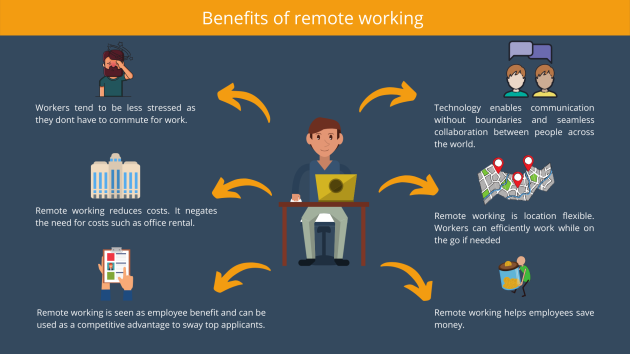
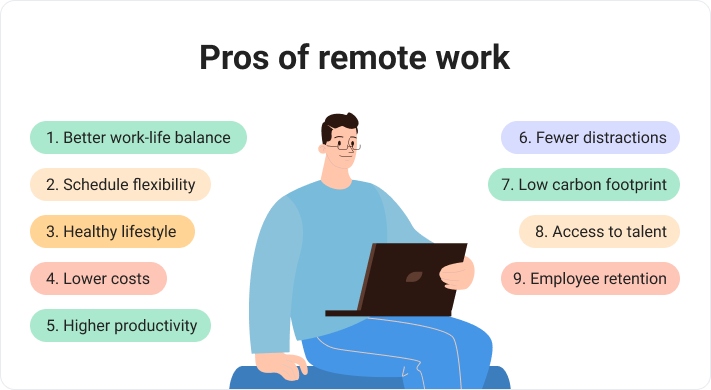
One of the biggest benefits of remote work is flexibility. Tech professionals can design their schedules around when they feel most productive, rather than adhering to rigid office hours. This autonomy often leads to better work-life balance and increased job satisfaction.
Remote work also removes geographical barriers. A developer no longer needs to relocate to a tech hub to access high-quality opportunities. Instead, they can contribute to global projects from anywhere, gaining exposure to diverse teams and ideas.
Another major advantage is cost savings. Without commuting, daily expenses drop significantly. Companies benefit as well, reducing the need for large office spaces and operational costs.
Many professionals also report higher productivity. A quieter, personalized work environment can make it easier to focus deeply — especially for tasks that require concentration, such as coding or system design.
⚠️ The Challenges of Remote Work
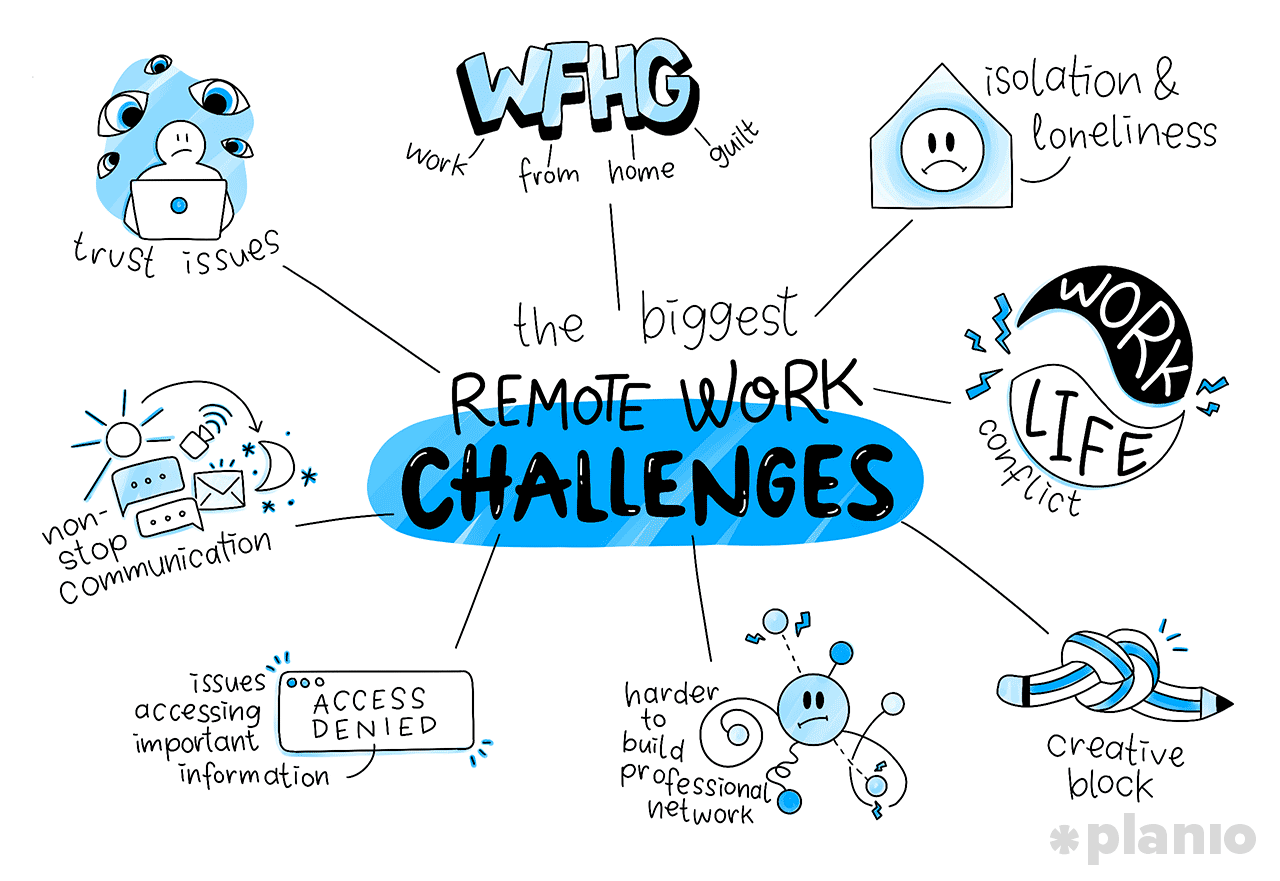
Despite its benefits, remote work is not without drawbacks. Communication is one of the most common challenges. Teams rely heavily on digital platforms like Slack, Zoom, and Microsoft Teams. While these tools are powerful, they can’t fully replicate the clarity and immediacy of in-person interaction.
Another issue is isolation. Working remotely can feel lonely, particularly for individuals who thrive on social engagement and collaborative environments. Over time, this can affect motivation and mental well-being.
Work-life boundaries can also become blurred. When your home doubles as your office, it’s easy to extend working hours and struggle to disconnect. This often leads to fatigue or burnout if not managed carefully.
Finally, remote work depends heavily on technology. A stable internet connection, secure systems, and reliable tools are essential. Any disruption can significantly impact productivity.
⚖️ Finding the Middle Ground

To balance the benefits and challenges, many companies are adopting hybrid work models. This approach combines the flexibility of remote work with the social and collaborative advantages of in-person interaction. It allows employees to enjoy independence while still maintaining strong team connections.
💡 Conclusion
Remote work in the tech industry is more than a temporary shift — it represents a long-term change in how work is structured. It offers freedom, global opportunity, and efficiency, but it also requires discipline, strong communication, and intentional effort to maintain balance.
For tech professionals, success in this environment depends not just on technical expertise, but on the ability to adapt to a new way of working.
메타데이터
- post_id
- fe70e1e6208f
- slug
- remote-work-in-the-tech-industry-pros-and-cons-fe70e1e6208f
- url
- https://medium.com/@aasith32/remote-work-in-the-tech-industry-pros-and-cons-fe70e1e6208f
- canonical_url
- https://medium.com/@aasith32/remote-work-in-the-tech-industry-pros-and-cons-fe70e1e6208f
- author_url
- https://medium.com/@aasith32
- status
- ok
- fetched_at
- 2026-06-13 00:08:42