Understanding Pet Soft Tissue Surgery: Procedures, Safety, and Recovery Guide
When your pet requires surgery, it can lead to anxiety for you and your furry friend. Being knowledgeable about the surgery and what to…
Understanding Pet Soft Tissue Surgery: Procedures, Safety, and Recovery Guide
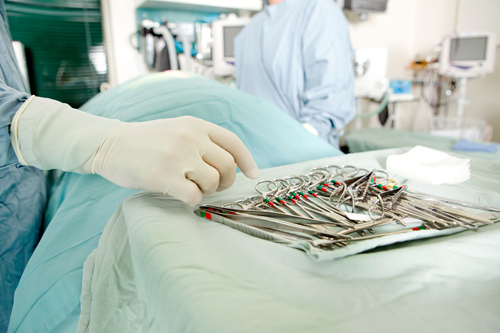
When your pet requires surgery, it can lead to anxiety for you and your furry friend. Being knowledgeable about the surgery and what to anticipate from it can help you and your pet deal with the experience without so much anxiety. **Pet Soft Tissue Surgery** is an extremely common type of veterinary surgery and is used to treat many different health issues in both dog and cat patients.
The purpose of this guide is to provide you with information on what Soft Tissue Surgery consists of, when it may be necessary, and what you can do to help your pet recover successfully after surgery.
What Is Pet Soft Tissue Surgery?
Soft tissue surgery includes all surgical procedures where bones/joints are not involved. The target of the procedure is therefore internal organs, rib cage, skin, muscles, and any other structure not considered to be bone. Soft tissue surgeries can be routine procedures, such as removing a tooth, or more complex procedures, such as abdominal exploratory surgery.
Soft tissue surgeries are not limited to the animal containing the injury. However, unlike orthopedic surgeries (which include broken bones or joint problems), soft tissue surgeries are intended for body organs/structures other than the abdomen (chest, abdomen, reproductive system, skin, etc.).
Common Types of Soft Tissue Procedures
Soft tissue surgery is performed by veterinarians to treat various types of soft tissue problems, such as the following:
1. Spay and Neuter
These are common procedures to help prevent unwanted pregnancy and can also help minimize the risk for certain types of cancer and behavioral issues.
2. Tumor and Lump Removal
If your pet has developed a growth or mass of tissue, removal of the growth or mass may be necessary to avoid further medical problems or to determine whether it is cancerous.
3. Abdominal Surgery
Abdominal surgery may be required to remove foreign objects from the abdominal cavity, correct intestinal obstruction, or treat issues related to particular organs (e.g., bladder stones).
4. Wound Repair
When pets have a severe cut, are bitten by another animal, or develop an abscess, they may require surgical cleaning and closure to heal properly.
5. Hernia Repair
Hernias are defined as a condition that happens when the organ or tissue of the body pushes through a defect (weak area) in the body wall. Performing surgery to correct the defect helps to reduce the risk of complications and/or further injury.
When You Should Have Your Pet Spayed or Neutered
Your veterinarian may suggest that your pet needs an operation if oral or other non-invasive medications or treatments aren’t working and the problem is not getting better. Signs of possible need for surgical repair might include:
- Chronic vomiting or diarrhea
- Sudden swelling and/or lump(s) observed
- Trouble urinating and/or defecating
- Wounds that won’t heal
- Pain or discomfort that does not resolve
Getting a timely diagnosis of problems will further affect the success of treatment. Regularly scheduled vet visits are important to find issues before they can be harmful to your pet.
How Veterinarians Keep Your Pet Safe
Today’s veterinary medical practices take precautions to provide safe and comfortable surgeries for your pet. Prior to surgery, your pet will undergo:
- Routine physical examination
- Bloodwork to test your pet’s organ functions
- Assessment of any pre-anesthetic conditions
During the procedure, your pet’s entire anesthesia (anesthesia means sleep state) will be closely monitored through the use of state-of-the-art monitoring devices and with trained technicians who will track continuous heart rate, amount of oxygen in the blood, blood pressure, and body temperature.
Pain control is also a priority. During all surgical procedures your veterinarian administers safe medications to your pet before, during, and after the procedure to control pain.
Getting Your Pet Ready for Surgical Procedure
Before your pet is admitted for an operation, you will receive instructions from your vet. Here are some examples of what those instructions might say:
- no food for several hours before surgery
- water also must be stopped at a designated hour
- let us know if your pet has any medications currently being taken
It’s very important for all of these guidelines to be followed closely by you, as they may affect the success of the procedure and/or increase the risk of developing complications from anesthesia.
Expected Recovery Times
Recovery times vary depending on what kind of surgery your pet had. Some animals may be sent home the same day, while others may require longer hospital stays based on how extensive the surgical procedure was.
Some signs you may see when your pet has returned from a surgical procedure include:
- Mild swelling around an incision;
- Drowsiness for 1–2 days after; and
- Less food than normal for the next 24 hours.
To help support your pet’s recovery process you should:
- Keep the surgical site clean and dry
- Prevent your pet from licking/chewing the area
- Limit their movement (as per vet’s advice)
- Give them any meds prescribed (at the right times)
Should you notice any unusual symptoms associated with the surgical procedure: worsening pain/wound, bloody discharge, severe bleeding, or enlarged/infected incision areas, please contact your Veterinarian immediately.
Aftercare is an Important Part of Your Pet’s Recovery
Aftercare is Just as Important to Recovery. Your veterinarian can check on how well your pet is healing by evaluating your pet at a follow-up appointment to evaluate the affected areas and to remove any stitches.
Your pet will recover more quickly in a calm and comfortable environment. Providing your pet with soft bedding and limiting movement during the first few days will greatly facilitate a speedy recovery.
What Are the Benefits of Early Surgical Intervention?
Your pet’s injury can be repaired early on if a soft tissue procedure is performed on the injured area. The many benefits of early surgical intervention are as follows:
Prevent complications, improve your pet’s quality of life, reduce future medical expenses, and improve your pet’s chances of survival.
If surgical intervention is delayed, your pet may be suffering from long-term complications (worsening of the injury) and have a longer recovery due to increased difficulty associated with the procedure.
Selecting A Veterinary Team
In order to provide your animal with a complete service, you should choose an experienced veterinarian. When choosing a veterinary practice look for:
- Highly qualified and licensed veterinarians
- Quality modern equipment for surgical procedures
- Open communication regarding your pet’s risk and recovery
- Methods of controlling pain in your pet
A reliable veterinary team will provide you with a detailed explanation of what will happen to your pet, what questions you may have, and how to care for your pet after a surgical procedure.
Conclusion
Your pet may need soft tissue surgery if they have a number of potentially life threatening illnesses; however, with the right diagnosis, the proper surgical treatment, and continued care after the surgery, most pets will recover quickly enough to return to their normal activities.
When considering whether to have your pet undergo surgery, be sure to communicate with your veterinarian and ask any questions you need to. Being knowledgeable and informed will allow you to make confident decisions on behalf of your pet and will produce the best possible results for your pet.
메타데이터
- post_id
- fe735c0791c9
- slug
- understanding-pet-soft-tissue-surgery-procedures-safety-and-recovery-guide-fe735c0791c9
- url
- https://medium.com/@allcreatureaveterinarycentre9/understanding-pet-soft-tissue-surgery-procedures-safety-and-recovery-guide-fe735c0791c9
- canonical_url
- https://medium.com/@allcreatureaveterinarycentre9/understanding-pet-soft-tissue-surgery-procedures-safety-and-recovery-guide-fe735c0791c9
- author_url
- https://medium.com/@allcreatureaveterinarycentre9
- status
- ok
- fetched_at
- 2026-07-13 06:23:13