Fast Track Your Career: College Degrees vs. NICCM Credentials in Early Childhood Education
Choosing the right path in early childhood education shapes how quickly you grow, how confidently you lead, and how effectively you support…
Fast Track Your Career: College Degrees vs. NICCM Credentials in Early Childhood Education
Choosing the right path in early childhood education shapes how quickly you grow, how confidently you lead, and how effectively you support young learners. Many educators weigh traditional college degrees against modern credential programs, trying to balance time, cost, and career goals. Today, the conversation has expanded beyond classrooms and lecture halls. Professionals now explore flexible, skills-focused options that prepare them for real responsibilities in childcare centers, preschools, and leadership roles. Understanding how degrees compare with NICCM credentials helps educators make informed decisions that align with their timelines and ambitions.
The Traditional College Degree Path
Colleges and universities have long served as the primary route into education careers. Associate’s and bachelor’s degrees in early childhood education offer structured academic programs that cover child development theory, curriculum design, educational psychology, and research-based teaching practices. Students benefit from faculty guidance, peer collaboration, and campus resources that create a rich academic environment.
A degree program often suits individuals who want a broad academic foundation and long-term opportunities in public school systems or advanced research roles. Many institutions integrate internships or practicum placements, which expose students to classroom settings under supervision. This structure supports deep theoretical understanding and formal academic recognition.
However, degree programs require significant time commitments. Full-time students typically spend two to four years completing coursework, and working professionals may need even longer. Tuition costs, scheduling rigidity, and commuting demands can create barriers for educators who already work in childcare settings. While degrees carry prestige and depth, they may not always align with professionals who seek faster advancement or immediate skill application.

The Rise of Practical, Skills-Focused Credentials
The early childhood field continues to evolve, and employers increasingly value demonstrated competence alongside formal education. Centers need professionals who manage classrooms effectively, communicate clearly with families, and support staff operations confidently. This demand has fueled interest in streamlined certification pathways that emphasize hands-on capability.
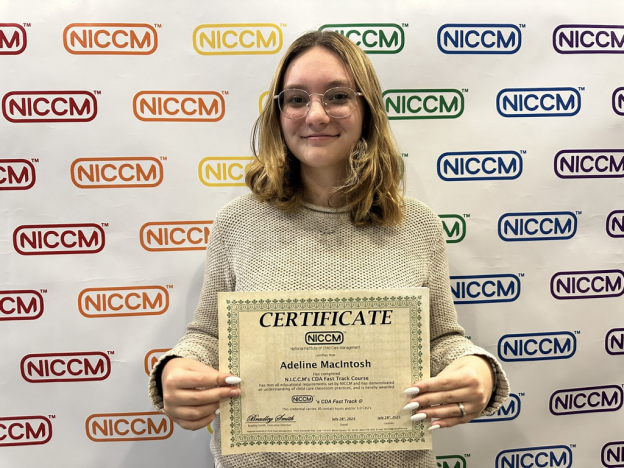
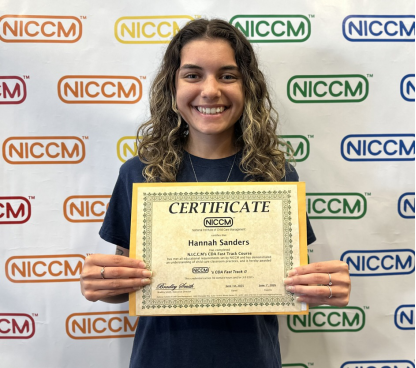
Programs like the Child Development Associate (CDA) credential and the National Administrator Credential (NAC) focus on real-world readiness. These credentials emphasize competency, applied learning, and job-relevant performance standards. Educators complete targeted training that directly connects to daily responsibilities in childcare environments. Many educators begin their professional journey through NICCM’s 3-Day Fast Track CDA Course, which provides an accelerated pathway toward earning the CDA credential.
Credential programs serve working professionals who want to advance without stepping away from their careers. They provide focused learning that prioritizes practical outcomes over extended academic timelines. This approach resonates strongly with educators who want meaningful growth without long delays.

How NICCM Credentials Fast-Track Career Progression
The **National Institute of Child Care Management** designs credential programs that combine credibility with accessibility. Through NICCM credentials, educators gain structured training that aligns with national professional standards while allowing flexible scheduling and accelerated completion.
The CDA certification program prepares teachers to create safe learning environments, support child development milestones, and implement effective classroom strategies. Candidates develop observational skills, curriculum planning techniques, and family communication practices that improve everyday teaching quality. Because the program centers on competency, participants apply what they learn immediately in their workplaces.
The NAC certification program equips aspiring directors and administrators with leadership, compliance, and operational expertise. Participants learn staff supervision, regulatory requirements, financial oversight, and program management — skills that translate directly into leadership roles. Many educators pursue this credential when they aim to transition from classroom teaching to center administration.
These programs eliminate unnecessary coursework and focus on what professionals truly need. Educators progress efficiently while maintaining high standards of professional preparation.

Time Investment: Years vs. Months
One of the most visible differences between degrees and credentials lies in completion time. College programs span years and follow semester schedules that may not accommodate working professionals. Credential pathways, by contrast, operate on accelerated formats that allow motivated learners to finish in months rather than years.
This time advantage creates significant career momentum. Educators qualify for promotions sooner, meet licensing requirements faster, and strengthen their resumes without long academic gaps. When professionals can continue working while learning, they gain experience and credentials simultaneously.
For many individuals already employed in childcare centers, accelerated learning provides a practical and sustainable path forward. Instead of pausing careers to study, educators build credentials while actively contributing to their organizations.
Cost and Accessibility Considerations
Financial investment often shapes educational decisions. College tuition, textbooks, transportation, and time away from work create substantial expenses. While degrees may offer long-term returns, the upfront commitment can feel overwhelming.
Credential programs typically reduce these barriers. Flexible online formats eliminate commuting needs, and condensed curricula minimize material costs. Professionals continue earning income while studying, which eases financial pressure.
This accessibility allows more educators to pursue advancement, especially those balancing family responsibilities and full-time employment. Affordable pathways expand opportunities and support workforce development across communities.
Meeting Professional Standards Without Compromise
Speed does not mean sacrificing quality. Employers and regulators expect educators to meet recognized professional benchmarks. Well-designed credential programs maintain rigorous standards and align with national frameworks that ensure credibility.
The CDA credential holds widespread recognition across childcare centers, Head Start programs, and private preschools. Many states accept it as a core qualification for early childhood educators. Similarly, the NAC credential signals readiness for administrative leadership and regulatory compliance.
By focusing on competency-based evaluation, credential programs validate practical expertise. Educators demonstrate mastery through portfolios, assessments, and applied performance tasks. This structure ensures that fast-track pathways still uphold professional integrity.
Choosing the Right Path for Your Goals
No single pathway fits everyone. Some educators prefer the academic depth of university programs, while others prioritize immediate career mobility. The key lies in aligning education choices with professional timelines, financial realities, and long-term aspirations.
If you seek a faster route into classroom leadership or childcare administration, credential pathways provide clear advantages. If you plan to pursue academic research or public education systems, degrees may align better with those objectives. Many professionals even combine both approaches over time, earning credentials first and pursuing degrees later.
Thoughtful planning helps educators invest wisely in their futures while maintaining momentum.
A Smarter Way to Advance in Early Childhood Education
The early childhood field continues to recognize the value of demonstrated competence. Flexible learning, targeted training, and professional validation now play a central role in career development. Modern credential programs support workforce growth while maintaining high standards of practice.
Educators no longer need to choose between credibility and efficiency. They can pursue meaningful advancement through structured pathways that respect their time, experience, and ambitions.
National Institute of Child Care Management invites educators to explore fast-track credential programs that build practical expertise, strengthen leadership potential, and support career-ready growth in early childhood education.
메타데이터
- post_id
- fece7a488936
- slug
- fast-track-your-career-college-degrees-vs-niccm-credentials-in-early-childhood-education-fece7a488936
- url
- https://medium.com/@hazelscott547/fast-track-your-career-college-degrees-vs-niccm-credentials-in-early-childhood-education-fece7a488936
- canonical_url
- https://medium.com/@hazelscott547/fast-track-your-career-college-degrees-vs-niccm-credentials-in-early-childhood-education-fece7a488936
- author_url
- https://medium.com/@hazelscott547
- status
- ok
- fetched_at
- 2026-08-11 22:58:18