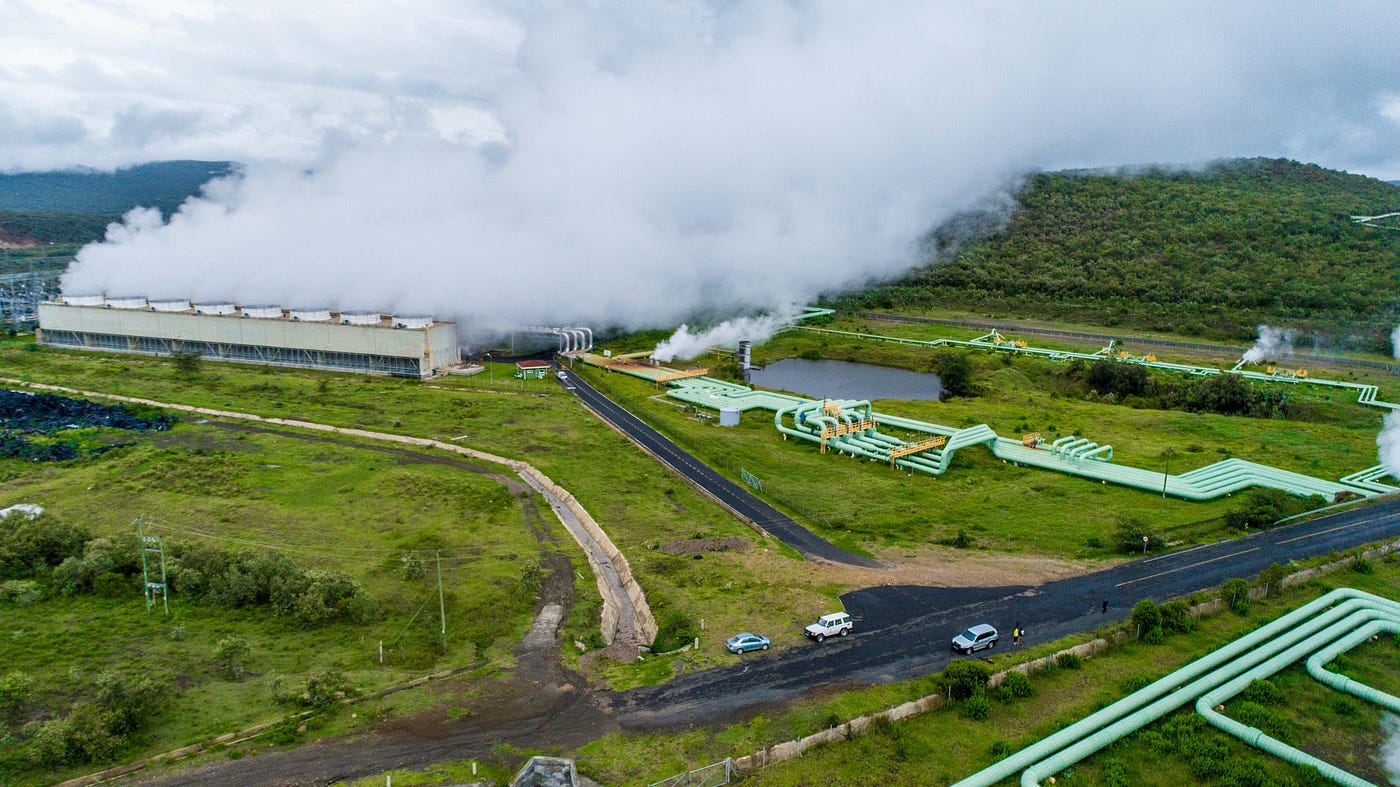
Restoring Kachchh’s Grasslands From ‘Mad Trees’
The journey to reclaim Kachchh’s grasslands from invasive ‘mad trees’ through community action and sustainable solutions.
Restoring Kachchh’s Grasslands From ‘Mad Trees’
This is my first blog, originally written during my time as an India Fellow and posted on 17th May 2024.
Kachchh, the largest district in India, sprawls across vast expanses, including the renowned Rann of Kachchh, with a sparse population density. It is a land of stark beauty, known for its vast arid plains, unique ecosystems, and rich cultural heritage. The Rann is a haven for migratory birds like flamingos, and the Banni grasslands support an array of wildlife, from the endemic spiny-tailed lizard to thousands of migratory birds that reach Banni when its dry tracts transform into lush wetlands after the monsoon.
For more than four centuries, Kachchh has been home to more than 20 ethnic semi-nomadic communities. These include the Maldharis who practice pastoralism: breeding cattle, buffaloes, goats, sheep and camels. The Jats engage in fishing, and several others have been traditional agriculturists. Some of these communities adapt to the vagaries of the water-limited and seemingly resource-poor land by migrating seasonally with their prized native livestock breeds.
The Mad Trees
There was a pivotal moment in this landscape in the 1950s and 60s. To slow down desertification, a foreign species named Prosopis Juliflora was introduced in the region. Also called the mad tree or gando baval in local dialect, this drought-tolerant, salt-resistant tree also fixes nitrogen in the soil. These qualities made it seem like the perfect solution to stop the encroachment of the Rann of Kachchh.
“We used to see people distribute the seeds of the prosopis juliflora, thinking it as a way to earn punya (virtue)”
Dipesh Shroff, Chairman and Managing Director of Agrocel Industries who has witnessed the slow degradation of the Banni grasslands

P. Juliflora in Kachchh. Image Source
However, prosopis’ aggressive growth has had unintended consequences. It has out-competed native grasses, drastically changing the landscape in Banni. It has resulted in loss of grazing land, endangered the native fauna like the “chinkara” and “houbara bustard,” and depleted groundwater in the region due to its deep roots. Scientific findings have further documented that this invasive species releases chemicals that suppress native seed germination, significantly affecting grassland recovery and biodiversity.
A study published in 2021 states that large-scale removal of the prosopis is not a viable solution, as communities have begun depending on it for charcoal production. Some of the cattle also feed on it, like the Banni Buffalo, whose population has increased 6% between 1977 and 2012. Instead, the study proposes a strategic and sustainable approach to removing the invasive species, minimizing the impact on livelihoods or providing adequate transition time for affected communities. The study also indicates that prosopis needs to be removed continuously for at least three consecutive years from a patch of land to significantly reduce the chances of regrowth.
Possible Solutions
Communities here produce charcoal from these trees using earth mound kilns. They spend a few days to create the mound of wood, and the kiln is lit for the next few days. It requires continuous attention when it is lit, day and night. With 8–12% efficiency and lots of pollution, this process is not sustainable, especially on a larger scale. Another solution is the production of Biochar.
***Biochar *is very similar looking to charcoal, except that it is produced in a low oxygen environment, a process of modern pyrolysis carried out in a reactor machine. It is a high-carbon, fine-grained residue which helps in reducing the carbon emission.
The process results in a mixture of products:
- Biochar: The solid residue with stable carbon composition
- Bio-oil: A liquid product
- Syngas: A gaseous product
Why Biochar
Biochar looks similar to common charcoal but is specifically produced to reduce contamination and safely store carbon. It stands at the intersection of sustainability, agriculture, and environmental stewardship. Organic matter like plants take carbon during photosynthesis and store it with them. After they die/decompose, this stored carbon gets released back into the atmosphere. If this latter release is stopped, we can say we reduced some amount of carbon from the atmosphere and contributed positively in climate change mitigation. Biochar is a way to do just that.

A metal klin (called Kon tiki Kiln) with firing wood in the Banni Grasslands.
Biochar has shown promise in improving soil quality. Studies have shown it can increase nutrient retention, improve water holding capacity, and even aid in plant growth. This makes it a potential tool for sustainable agriculture and land management.
Carbon Credits
Carbon credits are tools created to help reduce global greenhouse gas emissions and combat climate change. Each carbon credit represents one metric ton of carbon dioxide (CO2) or an equivalent amount of other greenhouse gases that has been prevented from entering the atmosphere or removed from it.
In India and around the world, organizations and companies often release emissions through their operations. While many try to reduce these emissions, some remain unavoidable in the short term. To address this, these entities can support projects that actively reduce or capture greenhouse gases elsewhere, such as forest conservation, renewable energy, or biochar production. By doing so, they earn carbon credits, which can be bought and sold on platforms called voluntary carbon markets.
For example, a company might be using fossil fuels but wants to show commitment to fighting climate change. It can purchase carbon credits generated by local communities transforming invasive Prosopis juliflora into biochar in Kachchh. This action balances their emissions by ensuring an equivalent amount of carbon is captured and stored safely.
These markets allow voluntary buyers, like businesses, governments, and individuals, to invest in environmental projects beyond their direct operations. The money from selling carbon credits helps fund sustainable community activities, such as biochar production, which in turn improves soil health, livelihoods, and biodiversity.
Carbon credits are verified by independent organizations to ensure that the claimed emission reductions are real, additional (would not have happened otherwise), and permanent. This verification is critical for maintaining trust in the carbon market. The voluntary carbon market in India is growing quickly, becoming a viable source of climate finance for rural and marginalized communities while helping companies meet their climate goals in a cost-effective and socially responsible way.
Way Forward
**Sahjeevan**, my fellowship host organization, envisions a self-sustaining future where community associations themselves can initiate creating biochar from the gando baval. We actively support the community, whether it’s by guiding biochar production or facilitating carbon credit claims with private companies. This initiative not only generates income for the community members, but also sequesters carbon and improves soil health. Looking ahead, this holistic approach will lead to a flourishing ecosystem with increased biodiversity, improved water availability, and a significant expansion of grazing land.

Mounds of biochar produced
메타데이터
- post_id
- fed4e0a8b10b
- slug
- restoring-kachchhs-grasslands-from-mad-trees-fed4e0a8b10b
- url
- https://medium.com/@rrshinde23/restoring-kachchhs-grasslands-from-mad-trees-fed4e0a8b10b
- canonical_url
- https://medium.com/@rrshinde23/restoring-kachchhs-grasslands-from-mad-trees-fed4e0a8b10b
- author_url
- https://medium.com/@rrshinde23
- status
- ok
- fetched_at
- 2026-07-30 13:41:11