CAR T-Cell Therapy: Revolutionizing Cancer Treatment and Shaping the Future of Medicine
Cancer treatment has advanced dramatically over the past few decades, evolving from surgery and radiation to targeted therapies and…
CAR T-Cell Therapy: Revolutionizing Cancer Treatment and Shaping the Future of Medicine
Cancer treatment has advanced dramatically over the past few decades, evolving from surgery and radiation to targeted therapies and immunotherapy. Among the most groundbreaking developments is Chimeric Antigen Receptor T-cell (CAR T-cell) therapy, a personalized treatment that harnesses the body’s own immune system to recognize and destroy cancer cells. Although still relatively new, CAR T-cell therapy has already transformed the outlook for many patients with previously untreatable blood cancers. Researchers now believe that its future extends far beyond oncology, potentially offering treatments for autoimmune diseases, infectious diseases, and even aging-related conditions.

What Is CAR T-Cell Therapy?
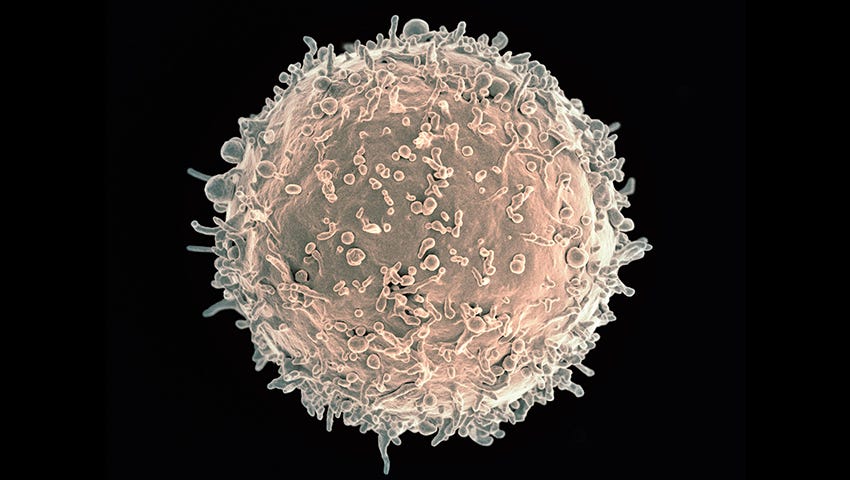
CAR T-cell therapy is a form of immunotherapy that modifies a patient’s own T cells — white blood cells responsible for fighting infections and abnormal cells. Scientists genetically engineer these T cells to express specialized receptors called Chimeric Antigen Receptors (CARs) that recognize specific proteins on cancer cells.
Once modified, the T cells are multiplied in a laboratory and infused back into the patient. These engineered immune cells can then seek out and destroy cancer cells with remarkable precision.
The therapy is highly personalized because each treatment is produced from the individual patient’s own immune cells.
How CAR T-Cell Therapy Works
The treatment process typically involves several steps:
Collection of T cells
- Blood is drawn from the patient through a procedure called leukapheresis.
Genetic Engineering
- The collected T cells are modified using viral vectors or newer gene-editing technologies to express CAR receptors.
Cell Expansion
- The engineered cells are grown into hundreds of millions of CAR T cells in specialized laboratories.
Preparation
- Patients often receive chemotherapy to reduce existing immune cells and improve CAR T-cell effectiveness.
Infusion
- The modified cells are returned to the patient’s bloodstream.
Cancer Cell Destruction
- CAR T cells recognize cancer-specific antigens and rapidly attack tumor cells while multiplying inside the body.
Unlike chemotherapy, which affects healthy and cancerous cells alike, CAR T-cell therapy specifically targets cells carrying the chosen antigen.
Current Successes
CAR T-cell therapy has shown extraordinary results in several blood cancers, including:
- Acute lymphoblastic leukemia (ALL)
- Diffuse large B-cell lymphoma (DLBCL)
- Mantle cell lymphoma
- Multiple myeloma
- Follicular lymphoma
Many patients with relapsed or treatment-resistant disease have experienced complete remission after receiving CAR T-cell therapy. Some have remained cancer-free for years after exhausting every other available treatment option.
Clinical response rates often exceed 70–90% in certain patient groups, making CAR T-cell therapy one of the most effective personalized cancer treatments available today.
Advantages of CAR T-Cell Therapy
Several features distinguish CAR T-cell therapy from traditional treatments:
Precision Targeting
CAR T cells are designed to recognize specific proteins on cancer cells, reducing damage to healthy tissue.
Long-Term Protection
Some CAR T cells persist in the body for years, acting as an ongoing surveillance system that can eliminate returning cancer cells.
Personalized Medicine
Every treatment is tailored specifically to the patient, improving compatibility and reducing the risk of rejection.
Potential for Cure
Unlike treatments that merely slow disease progression, CAR T-cell therapy has produced long-term remissions that may represent cures in some patients.
Current Challenges
Despite its remarkable success, CAR T-cell therapy still faces significant obstacles.
High Cost
Each treatment can cost several hundred thousand dollars due to the complex manufacturing process and individualized production.
Serious Side Effects
Patients may develop:
- Cytokine Release Syndrome (CRS)
- Neurological complications
- Temporary immune suppression
These complications can often be managed in specialized hospitals but require careful monitoring.
Manufacturing Time
Creating personalized CAR T cells usually takes several weeks, which can be problematic for rapidly progressing cancers.
Limited Success Against Solid Tumors
While CAR T-cell therapy excels against blood cancers, solid tumors remain much more difficult to treat because of:
- Dense tumor environments
- Poor T-cell penetration
- Tumor immune suppression
- Antigen variability
Researchers worldwide are actively working to overcome these barriers.
The Future of CAR T-Cell Therapy
The next generation of CAR T-cell therapies is expected to become faster, safer, and more widely available.
Universal “Off-the-Shelf” CAR T Cells
Instead of manufacturing a unique product for every patient, scientists are developing donor-derived CAR T cells that can be stored and administered immediately.
These universal therapies could dramatically reduce treatment costs while making emergency treatment possible.
Gene Editing Technologies
Modern tools like CRISPR allow researchers to engineer T cells with greater precision by:
- Improving cancer recognition
- Reducing side effects
- Increasing persistence
- Preventing immune rejection
Gene editing may also create CAR T cells capable of attacking multiple cancer targets simultaneously.
Treating Solid Tumors
One of the largest areas of research involves expanding CAR T-cell therapy to cancers such as:
- Lung cancer
- Breast cancer
- Pancreatic cancer
- Brain tumors
- Ovarian cancer
New receptor designs, combination therapies, and enhanced cell engineering may help CAR T cells overcome the defenses of these tumors.
Artificial Intelligence in CAR Design
Artificial intelligence is beginning to accelerate the discovery of new CAR receptors by analyzing massive biological datasets.
AI can help identify:
- Better tumor targets
- Safer receptor designs
- Optimal treatment strategies
- Predictive patient outcomes
This could significantly shorten development timelines for new therapies.
Beyond Cancer
Perhaps the most exciting aspect of CAR T-cell technology is its potential beyond oncology.
Researchers are exploring CAR T-cell treatments for autoimmune diseases such as lupus, rheumatoid arthritis, and multiple sclerosis by targeting the immune cells responsible for attacking healthy tissues.
Scientists are also investigating applications in chronic viral infections and organ transplantation, where engineered immune cells could promote long-term immune tolerance.
In the future, engineered immune cells may even play a role in combating age-related diseases by selectively eliminating senescent or dysfunctional cells that contribute to chronic inflammation and tissue decline.
Making Therapy More Accessible
To expand global access, researchers are developing:
- Faster manufacturing techniques
- Automated production facilities
- Lower-cost gene delivery methods
- Improved cell preservation
- Standardized quality control
These innovations could reduce treatment costs and allow hospitals around the world to offer CAR T-cell therapy without relying on a limited number of specialized manufacturing centers.
Ethical and Regulatory Considerations
As CAR T-cell technology becomes more sophisticated, ethical questions surrounding genetic engineering, affordability, and equitable access will become increasingly important. Healthcare systems will need to balance innovation with accessibility, ensuring that life-saving therapies are available to patients regardless of geographic location or financial resources.
International collaboration between researchers, biotechnology companies, and regulatory agencies will play a vital role in establishing safety standards while accelerating the development of next-generation treatments.
Conclusion
CAR T-cell therapy represents one of the most significant advances in modern medicine. By transforming a patient’s own immune cells into highly specialized cancer fighters, it has achieved remarkable success in treating several aggressive blood cancers that were once considered nearly impossible to cure.
Although challenges remain — including cost, manufacturing complexity, and effectiveness against solid tumors — the pace of innovation is rapid. Advances in gene editing, artificial intelligence, synthetic biology, and cell engineering are steadily expanding the possibilities of CAR T-cell therapy.
In the coming decades, CAR T-cell technology may evolve from a specialized cancer treatment into a versatile medical platform capable of addressing a wide range of diseases. As research continues, engineered immune cells could become one of the defining medical technologies of the 21st century, fundamentally changing how physicians treat cancer and many other complex illnesses.
메타데이터
- post_id
- fef87d6a7893
- slug
- car-t-cell-therapy-revolutionizing-cancer-treatment-and-shaping-the-future-of-medicine-fef87d6a7893
- url
- https://medium.com/@woltmann/car-t-cell-therapy-revolutionizing-cancer-treatment-and-shaping-the-future-of-medicine-fef87d6a7893
- canonical_url
- https://medium.com/@woltmann/car-t-cell-therapy-revolutionizing-cancer-treatment-and-shaping-the-future-of-medicine-fef87d6a7893
- author_url
- https://medium.com/@woltmann
- status
- ok
- fetched_at
- 2026-07-09 20:10:33