Jocasta The Silent Voice of the Mother in a Tragedy of Power and Destiny
Among all the prominent figures in Sophocles’ tragedy, Jocasta is often overshadowed by the greatness of Oedipus, the character who bears…
Jocasta The Silent Voice of the Mother in a Tragedy of Power and Destiny
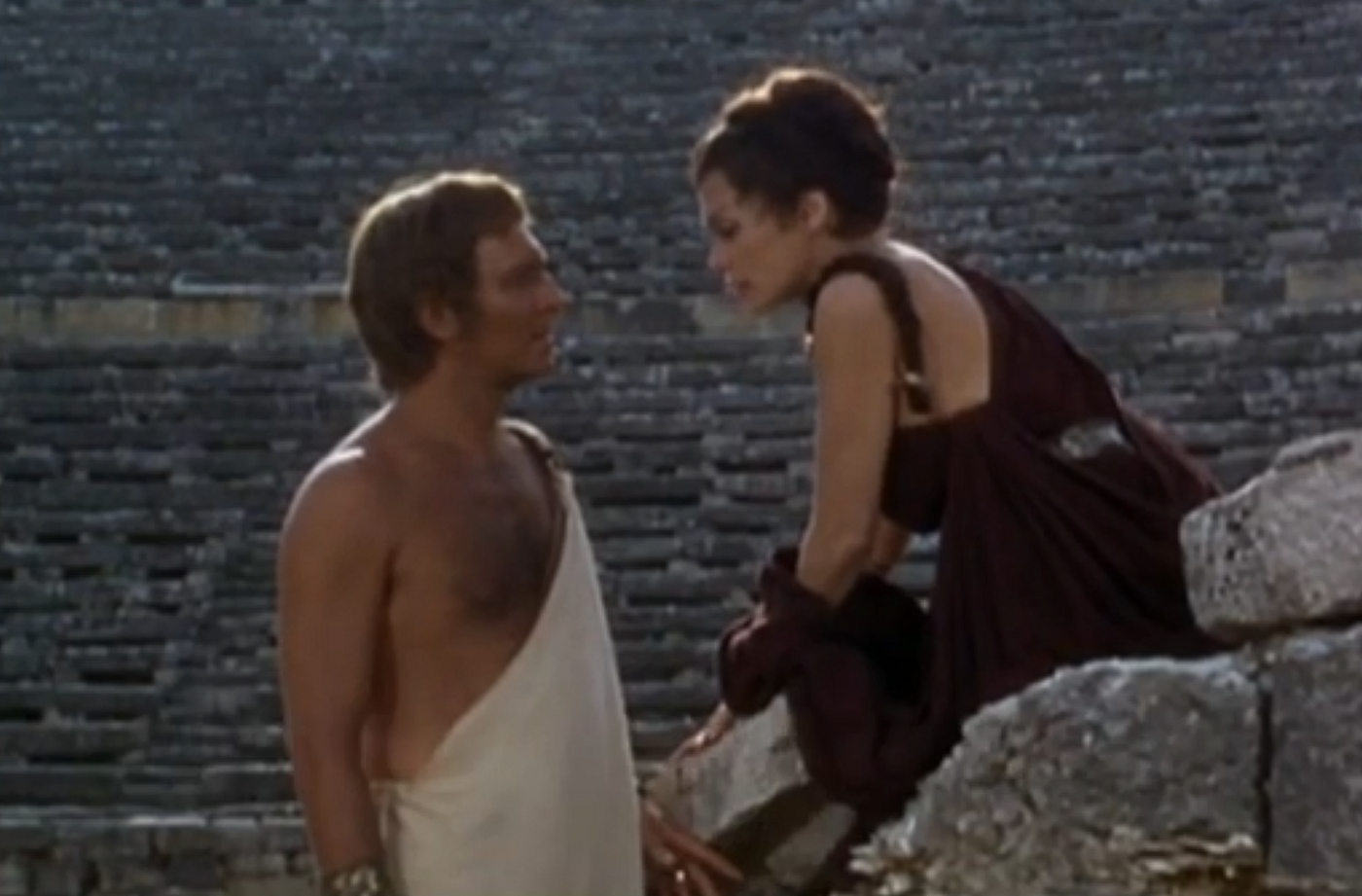
Among all the prominent figures in Sophocles’ tragedy, Jocasta is often overshadowed by the greatness of Oedipus, the character who bears the name of the tragedy and weaves the main knot of the narrative around his fate. But Jocasta (both mother and wife), who has experienced both desire and terror, played both the role of queen and the role of victim, is a figure who has been marginalized in many readings, especially in Freudian readings. The present article attempts to reread Jocasta with a multifaceted perspective, not as a secondary character, but as a node of desire, power, and destiny; a silent voice that has been deliberately ignored within the patriarchal structure of power and myth.
Jocasta in Sophocles’ text: Silence in the heart of tragedy
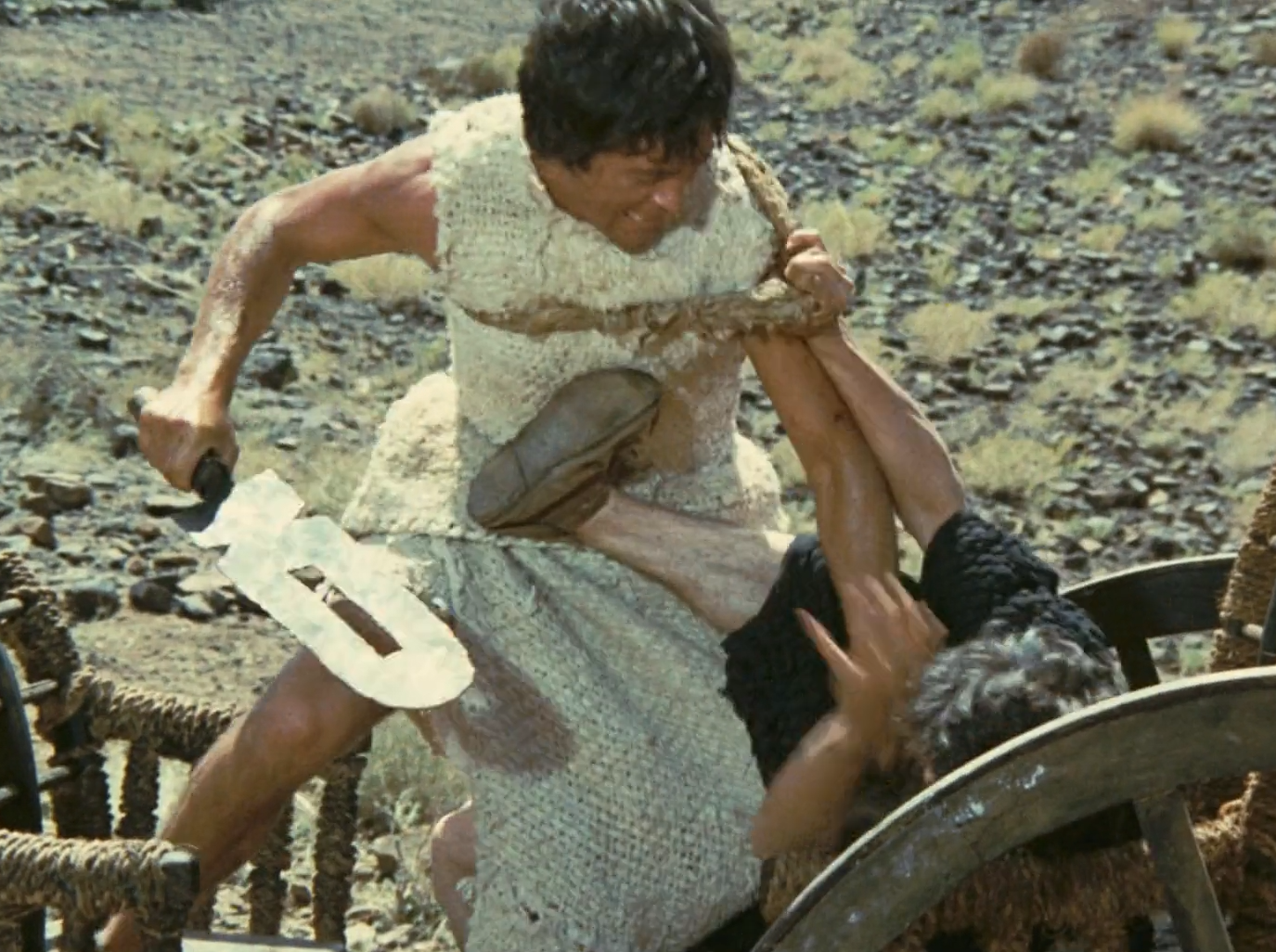
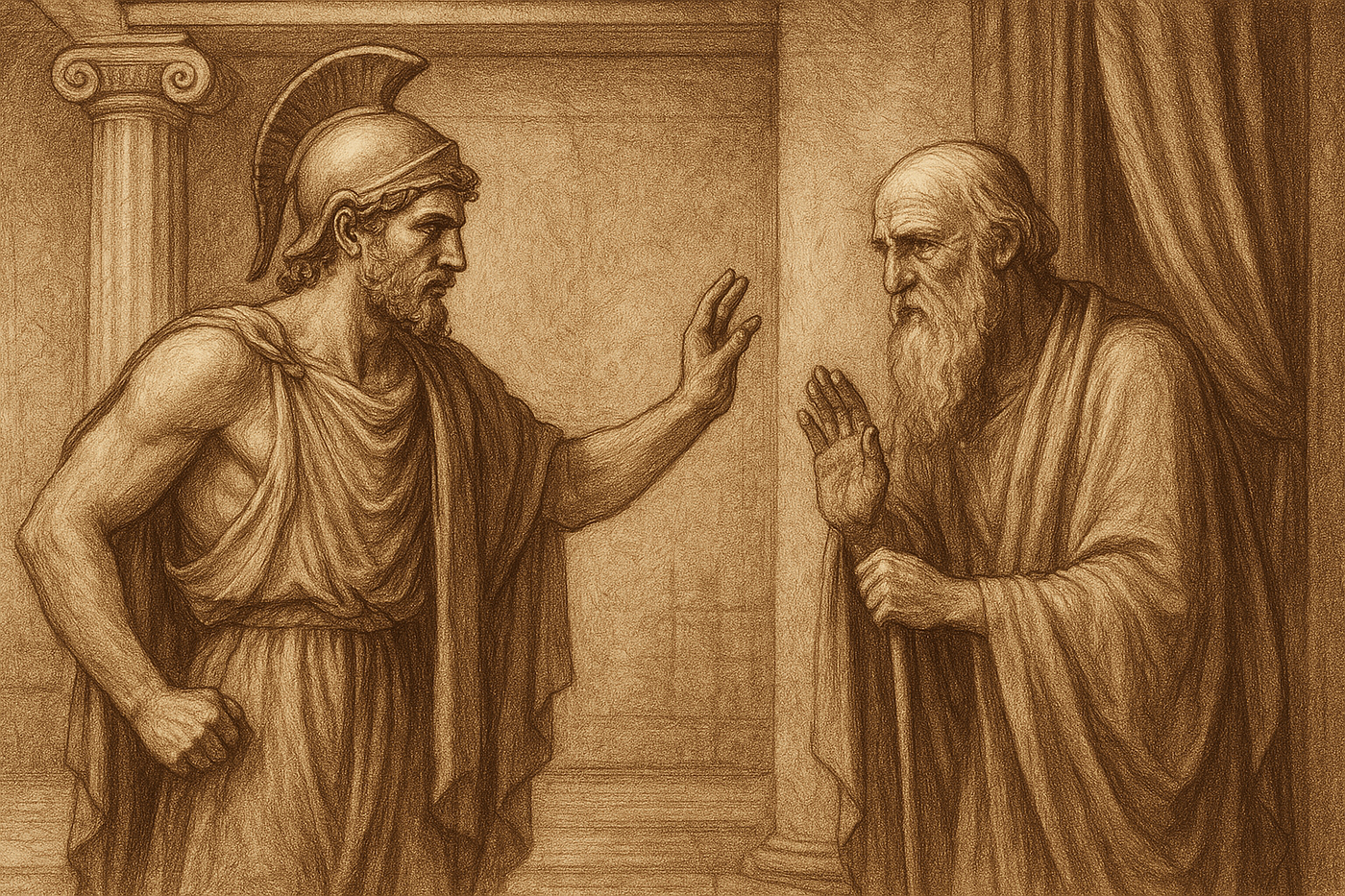
In Oedipus the King, Jocasta is a wise, patient, moderate woman who works to calm the conflict between Oedipus and Creon. She is the narrator of a part of the past; she has key information about the temple prophecy and Oedipus’ fate, but out of fear or loyalty to the established order, or out of ignorance, she does not tell it in time and correctly. At the moment of revelation, when the truth becomes clear, she neither gives a speech in her defense nor raises a rebellion. She simply remains silent and then kills herself.
From a dramatic perspective, Jocasta stands at a point caught between power (being a queen), desire (being Oedipus’ wife), and suffering (being a mother). She is simultaneously part of the tragedy and an observer of it. Is this silence a sign of complicity? Or a cry stuck in her throat?
Freudian Critique and the Absence of the Mother
In his famous analysis of the Oedipus myth, Freud refers to a complex in which the boy experiences sexual desire for the mother and hatred for the father. Although Jocasta is one of the two poles of this triangle, Freud offers almost no analysis of her personality. In his theory, the mother is only the object of desire, not the agent, not the conscious, not the intentional. She remains an “object.”
In this framework, Jocasta is neither the decision-maker nor the possessor of independent desire; she simply stands where Oedipus can project his unconscious desire onto her. This view both deprives the mother of agency and marginalizes her existential catastrophe.
Feminist Rereading: Jocasta as Victim of Patriarchy
Feminist critics such as Hélène Cixous, Julia Kristeva, and Loué Irigaray have analyzed Jocasta’s silence as a symbol of the silencing of women in male texts. In this reading, Jocasta is neither an unfaithful wife nor a lustful mother, but a woman who has lived since childhood within an order that nullifies women’s will. She not only does not know, but was not meant to know.
In this reading, one might ask: Did Jocasta really have a choice? When she abandons her child at her husband’s request, when she marries that child as a reward, when she remains silent in the face of lies and prophecies, was this done out of free will or out of “obedience” within a male order that has masqueraded as truth?
Jocasta’s Narration: Reconstructing a Tragedy
If we reread the tragedy not through Oedipus’s eyes but through Jocasta’s, the narrative takes on a different tone. This time, we are faced with a woman who first hears from the temple that her son will be her murderer, loses her baby, has her husband die, marries the new king, and finally discovers that the king is her own son.
In this narrative, Jocasta is neither a sinner nor a deceiver; she is a symbol of a human being who is as helpless against the game of fate as Oedipus. But while Oedipus fights to know, Jocasta struggles not to know. She resists the truth because truth is not liberation, but collapse.
Jocasta: Mother, Queen, Victim
Jocasta can be recognized in three ways:
• As a mother: she has lost a child, but has married a child, without knowing it. It is an indescribable suffering, a tragedy within a tragedy.
• As a queen: she is part of power, but not the agent of power. She has never sat on a throne to rule; she is only linked to a king who rules her destiny and hers.
• As a victim: she ultimately escapes the severity of the disaster, with a self-inflicted death that may be her only real action in the entire narrative.
The final word: a silent voice that must be heard
The tragedy of Oedipus is not complete without Jocasta. But Jocasta, like many women in ancient narratives, is neither the narrator nor the object of questioning. She must be rewritten; a cry must be heard from her silence. Jocasta is the silent voice of the mother at the heart of the structure of fate and power; a voice that, if heard, would transform the entire meaning of tragedy.
메타데이터
- post_id
- ff0086cb27d0
- slug
- jocasta-the-silent-voice-of-the-mother-in-a-tragedy-of-power-and-destiny-ff0086cb27d0
- url
- https://medium.com/@mahastarad1991/jocasta-the-silent-voice-of-the-mother-in-a-tragedy-of-power-and-destiny-ff0086cb27d0
- canonical_url
- https://medium.com/@mahastarad1991/jocasta-the-silent-voice-of-the-mother-in-a-tragedy-of-power-and-destiny-ff0086cb27d0
- author_url
- https://medium.com/@mahastarad1991
- status
- ok
- fetched_at
- 2026-08-09 13:14:48