Infrastructure, Investment, and Innovation: The 2026 Green Economy Reaches Critical Mass
Introduction: A Watershed Moment for Climate Finance and Resilience
Infrastructure, Investment, and Innovation: The 2026 Green Economy Reaches Critical Mass

Introduction: A Watershed Moment for Climate Finance and Resilience
June 17, 2026, marks a pivotal moment in the global sustainability transition — a day when the convergence of climate science, financial markets, and technological achievement reveals an economic transformation reaching critical mass. The green economy has surpassed $10 trillion in global revenue, while landmark achievements in renewable energy deployment, carbon removal financing, and climate adaptation signal a fundamental shift in how capital flows toward environmental solutions. From California’s solar infrastructure overtaking gas generation to Egypt’s $800 million grid modernization backed by European finance, today’s developments illustrate a maturing ecosystem where climate science, investment frameworks, and practical implementation intersect at unprecedented scale.
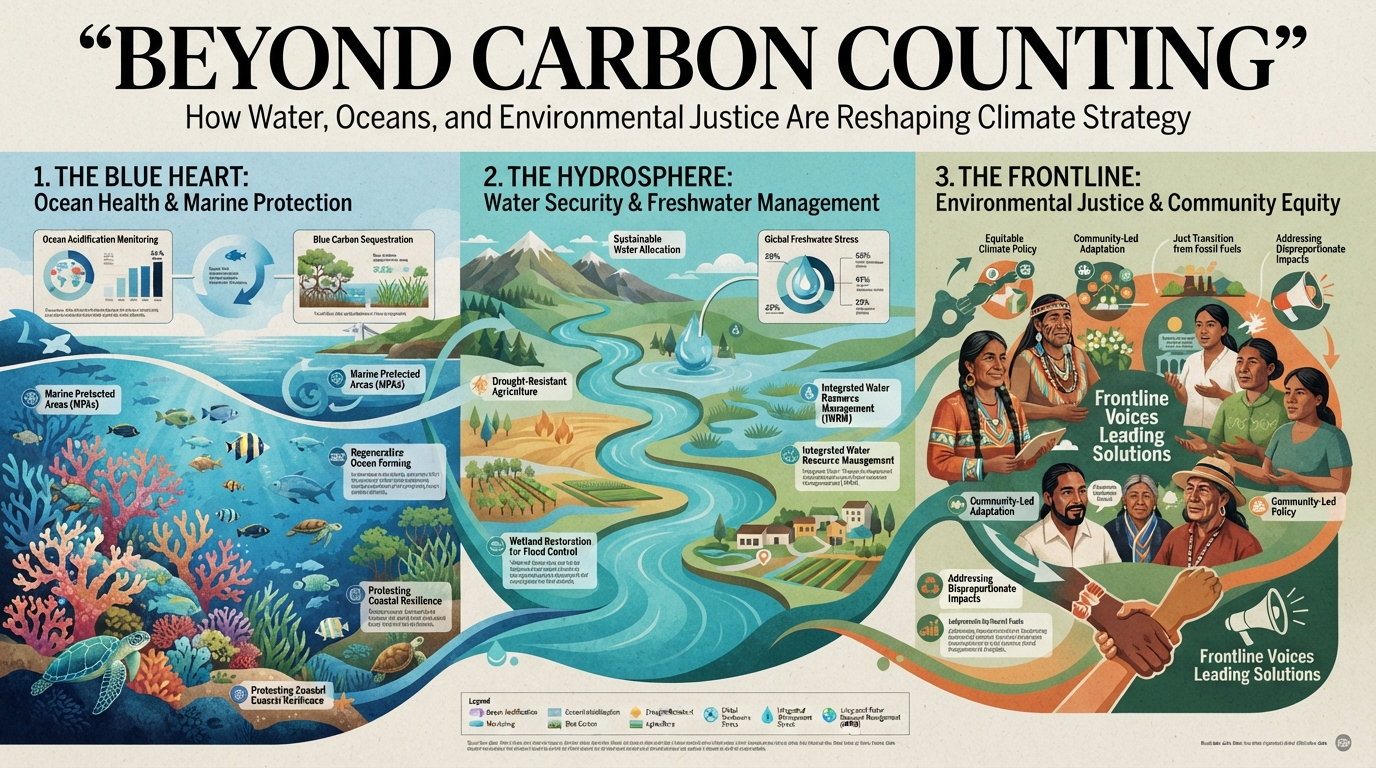
Yet these achievements arrive against a sobering backdrop of accelerating climate impacts. New research on river “whiplash” flooding and rising ocean temperatures underscores the urgency driving this transition. The ocean, having absorbed over 90% of excess planetary heat, now exhibits fever-like symptoms with profound implications for global climate stability. Simultaneously, unexpected positive findings — including the identification of three times more climate-resilient coral reefs than previously documented — suggest nature’s adaptive capacity may offer unexpected pathways for ecosystem preservation. This juxtaposition of expanding climate risks and emerging solutions defines the ESG landscape today: a race between accelerating impacts and scaling responses, mediated by increasingly sophisticated financial instruments, governance frameworks, and technological innovation.
Global Picture: Climate Finance Meets Physical Science at the Tipping Point
The simultaneous announcement of the green economy crossing the $10 trillion threshold and ISO’s first global consultation on net zero transition planning standards represents more than numerical milestones — it signals the institutionalization of climate action within global financial architecture. This convergence reflects a market that has matured beyond aspirational commitments into operationalized implementation backed by standardized frameworks and measurable capital deployment.
The physical science emerging today provides the imperative for this acceleration. The river whiplash phenomenon — where temperature increases create extreme oscillations between drought and flood conditions — exemplifies the non-linear climate impacts that traditional risk models fail to capture. When combined with ocean heat accumulation reaching critical thresholds, these findings demonstrate why adaptation finance and climate-resilient infrastructure have become central to investment strategies. The ocean’s thermal capacity has effectively delayed atmospheric warming, but this buffer is approaching saturation, threatening accelerated climate destabilization.
Against this backdrop, the $900 million raised for carbon removal by Frontier — with participation from technology leaders including Google and Anthropic — represents a strategic recognition that emissions reduction alone proves insufficient. The carbon removal market, long considered speculative, now attracts serious capital from corporations whose business models depend on achieving credible net zero pathways. This shift from voluntary offsets to engineered removal solutions indicates growing sophistication in understanding carbon accounting complexities and the necessity of addressing historical emissions.
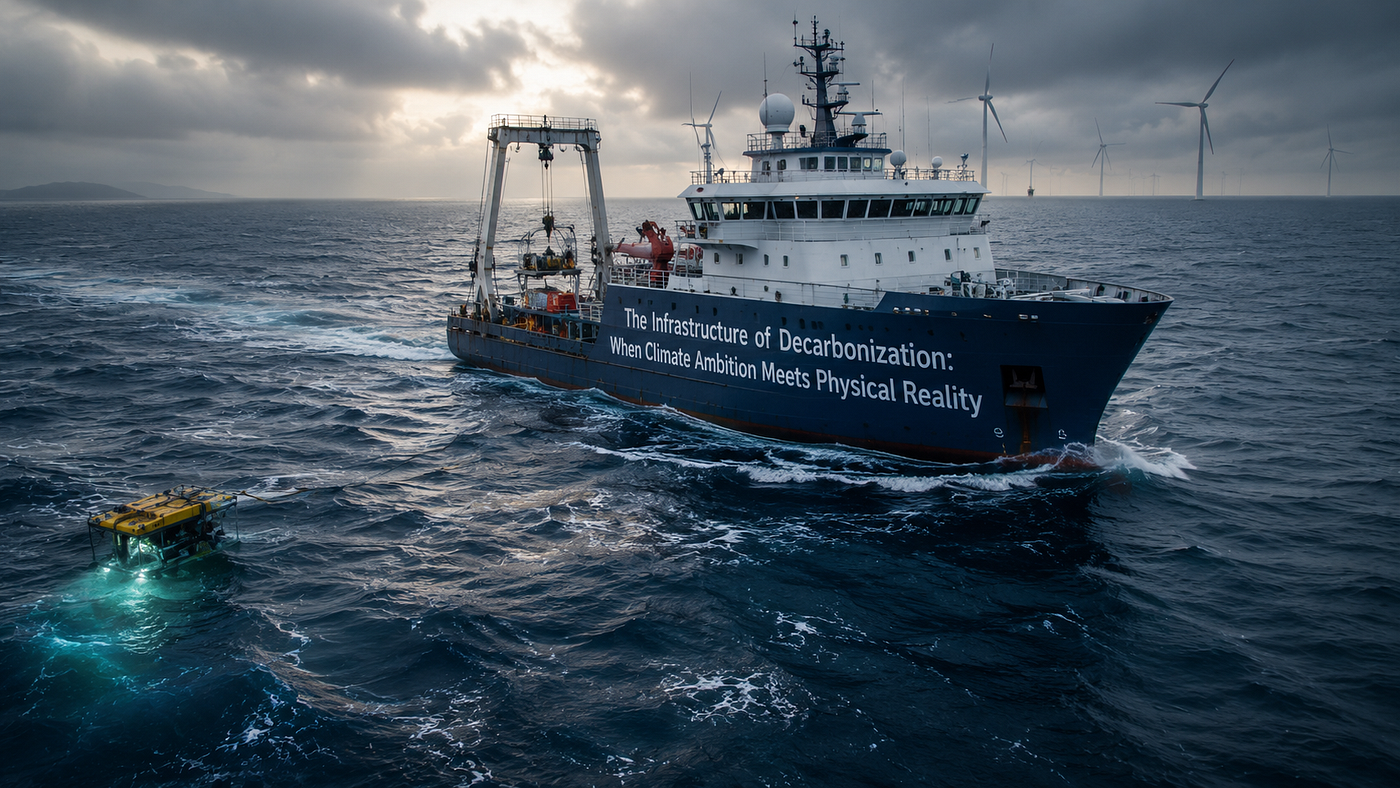
The technological achievements — California’s solar surpassing gas generation and Mars reaching 100% renewable electricity across U.S. operations — demonstrate that energy transition has moved from pilot projects to system-scale transformation. California’s milestone proves particularly significant as the world’s fifth-largest economy, providing a replicable model for major industrial regions. These developments collectively illustrate how climate science, finance innovation, and technological deployment create reinforcing feedback loops that accelerate transition momentum beyond linear projections.
ESG Applications: Translating Climate Imperatives into Corporate Strategy
For corporate sustainability officers and ESG investment managers, today’s developments demand immediate strategic recalibration across three critical dimensions: physical risk assessment, transition pathway planning, and nature-based solution integration. The river whiplash research fundamentally challenges conventional water risk assessment methodologies embedded in most corporate environmental management systems. Companies relying on historical hydrological data for facility siting, supply chain planning, or agricultural sourcing now face exposure to flood risks that existing models systematically underestimate.
Practical application requires adopting forward-looking climate scenarios aligned with TCFD recommendations, specifically integrating compound risk analysis that captures temperature-driven volatility in precipitation patterns. Organizations should conduct enhanced ISO 14046 water footprint assessments incorporating future climate projections rather than historical baselines. This means revisiting location-based risk ratings for manufacturing facilities, logistics hubs, and supplier networks — particularly in river basin systems showing high temperature sensitivity. Insurance coverage, business continuity planning, and capital expenditure decisions must reflect these updated risk profiles.
The ISO net zero transition planning standard consultation presents a critical opportunity for companies to shape emerging governance frameworks before they solidify into compliance requirements. Forward-thinking organizations should participate actively in this consultation process, recognizing that today’s voluntary frameworks become tomorrow’s disclosure mandates. The standard will likely establish expectations around Scope 1, 2, and 3 emissions reduction pathways, interim targets, carbon removal strategies, and governance mechanisms — directly connecting to ISO 14064 greenhouse gas accounting protocols and complementing existing GRI and SASB disclosure frameworks.
Iberdrola’s $1.7 billion green bond issuance and Egypt’s $800 million grid upgrade demonstrate how infrastructure investments increasingly attract climate-aligned capital under standardized frameworks. Companies should evaluate how their capital allocation strategies align with green taxonomy criteria, whether pursuing direct green bond issuance or structuring sustainability-linked financing where pricing connects to ESG performance metrics. The participation of development finance institutions in emerging market infrastructure — as seen in the EU-Egypt partnership — suggests opportunities for corporate partnerships in frontier markets where renewable integration creates both climate impact and commercial opportunity.
Mars’ achievement of 100% renewable electricity across U.S. operations provides a sector-specific benchmark for food and consumer goods companies. This milestone demonstrates feasibility within complex operational footprints including manufacturing, distribution, and retail partnerships. Organizations should benchmark their renewable energy procurement strategies against sector leaders, evaluating power purchase agreements, on-site generation investments, and renewable energy certificates within comprehensive Scope 2 accounting frameworks under the GHG Protocol’s market-based methodology.
Standards & Frameworks: The Architecture of Accountable Climate Action
The announcement of ISO’s consultation on the first international net zero transition planning standard represents perhaps the most significant governance development in today’s news — a framework that will fundamentally shape how organizations structure, report, and verify climate commitments. This standard emerges at a critical juncture when regulatory scrutiny around greenwashing intensifies and stakeholders demand credible, comparable transition pathways beyond aspirational targets.
The standard will likely integrate with existing ISO management system frameworks, particularly ISO 14001 (environmental management), ISO 14064 (greenhouse gas accounting and verification), and ISO 14046 (water footprint). This integration creates a comprehensive architecture connecting environmental measurement, management, and strategic planning. Organizations already certified under these standards possess foundational infrastructure for transition planning but will need to expand their systems to encompass forward-looking scenario analysis, transition risk assessment, and stakeholder engagement requirements embedded in net zero frameworks.
The relationship between this emerging ISO standard and established disclosure frameworks (GRI, TCFD, SASB) creates both opportunities and complexities. TCFD’s scenario analysis requirements and governance recommendations provide conceptual alignment, while GRI’s materiality assessment process and stakeholder-centric approach inform consultation and reporting dimensions. SASB’s industry-specific metrics offer sector-relevant performance indicators that transition plans must address. Organizations should view the ISO standard not as competing with these frameworks but as providing implementation architecture that operationalizes their disclosure requirements.
For carbon accounting professionals, the ISO standard will necessarily address carbon removal and offsetting — areas where methodological ambiguity has undermined credibility. The Frontier carbon removal fund’s $900 million milestone signals market maturation that standards must accommodate while maintaining integrity. Expect the standard to differentiate clearly between emissions reduction, carbon removal, and offsetting, establishing hierarchy principles where removal supplements rather than substitutes for abatement. This connects directly to ISO 14064–1’s recent updates on carbon neutrality claims and removals accounting.
The green bond market — exemplified by Iberdrola’s issuance — operates under frameworks including the Green Bond Principles and Climate Bonds Standard. The ISO net zero standard will strengthen these mechanisms by establishing more rigorous requirements for how bond proceeds connect to science-based transition pathways. Investors should anticipate enhanced disclosure expectations linking project-level finance to portfolio-level decarbonization trajectories, creating tighter integration between climate finance and corporate strategy.
Emerging Markets Perspective: Egypt’s Renewable Grid as a Development Blueprint
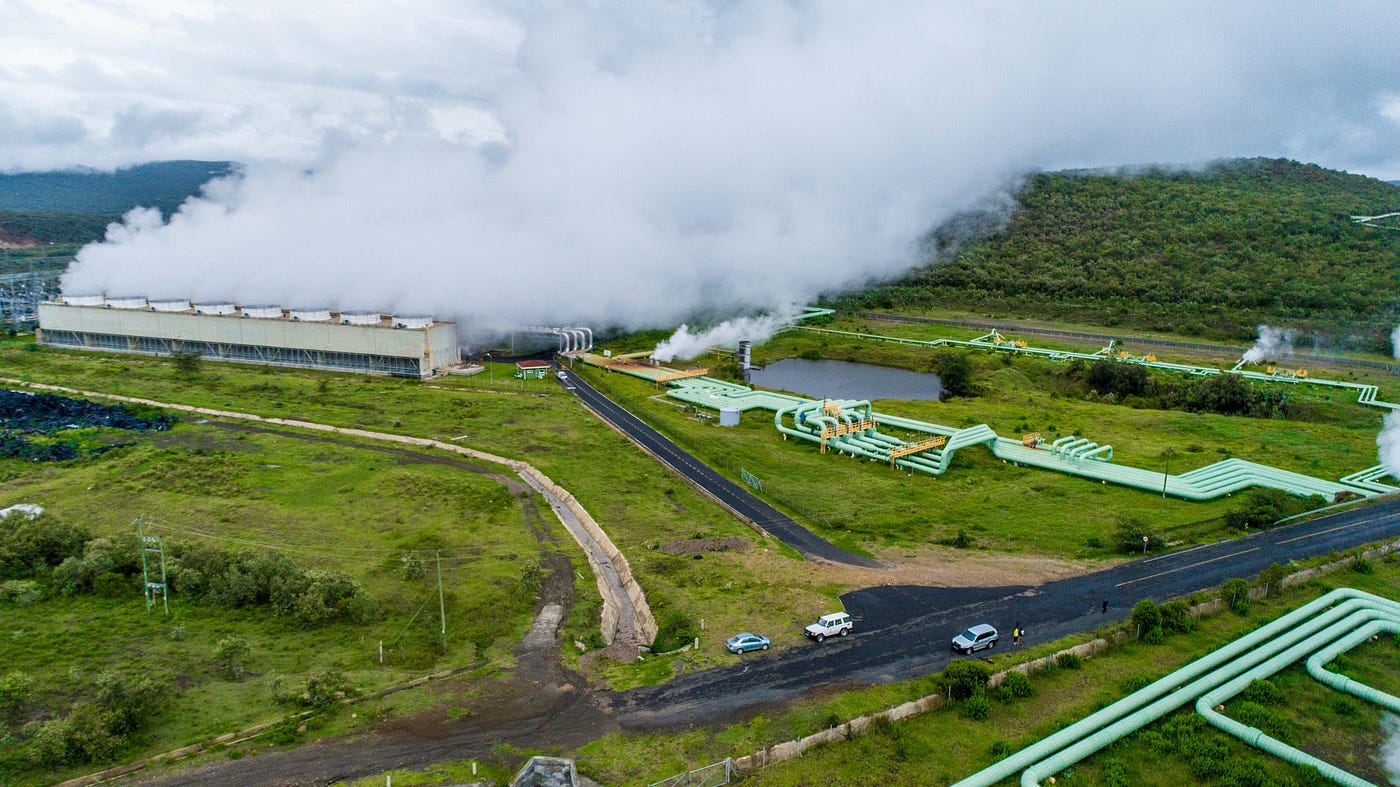
Egypt’s $800 million grid modernization project to integrate 22GW of renewable capacity by 2030 represents far more than a single national infrastructure investment — it exemplifies how emerging economies can leapfrog conventional development pathways while addressing energy access, climate mitigation, and economic diversification simultaneously. The EU’s financial backing demonstrates how development finance increasingly structures itself around climate alignment, creating partnership models that distribute transition costs while building local capacity.
For emerging markets, this project illustrates critical success factors: combining domestic policy commitments with international climate finance, prioritizing grid infrastructure that enables renewable integration rather than generation alone, and structuring investments to attract both concessional development funding and commercial capital. The 22GW target positions Egypt as a regional renewable energy hub with potential for green hydrogen production and clean electricity exports, transforming climate action from cost burden to economic opportunity.
Developing economies should examine how Egypt structured this partnership, particularly the blend of EU grant funding, development finance institution loans, and performance-based disbursement mechanisms. This architecture reduces upfront fiscal pressure while maintaining national ownership of strategic infrastructure. Similar models could accelerate renewable deployment across Sub-Saharan Africa, South Asia, and Latin America, regions where grid constraints currently limit renewable integration despite abundant solar and wind resources. The coral reef resilience findings also offer hope for emerging economies dependent on marine ecosystems — suggesting that strategic conservation investments in climate-resilient reef systems could protect coastal communities and tourism economies more effectively than previously anticipated.
Conclusion & Action Steps: Operationalizing the $10 Trillion Transition
The green economy’s arrival at $10 trillion represents not a destination but an inflection point demanding immediate strategic action. Organizations must move beyond incremental sustainability programs toward fundamental business model alignment with planetary boundaries and transition pathways.
Immediate priorities include: conducting enhanced physical risk assessments incorporating non-linear climate impacts like river whiplash; engaging actively in the ISO net zero standard consultation to shape emerging governance frameworks; evaluating carbon removal investments as strategic components of credible net zero pathways rather than peripheral offsets; and benchmarking renewable energy procurement against sector leaders achieving 100% milestones.
For investors, today’s developments confirm that climate-aligned strategies have transitioned from values-based screening to fundamental value creation and risk management. The integration of physical science, standardized frameworks, and proven technological solutions creates conditions for accelerated capital reallocation. The question is no longer whether the transition will occur, but which organizations will lead it — and which will be left managing stranded assets in a rapidly decarbonizing global economy. The tools, capital, and frameworks now exist. What remains is implementation at the speed and scale that both science and markets now demand.
Berat Arda Dedekoca MBA, Cekirdek GLOBAL
메타데이터
- post_id
- ff0d3150410e
- slug
- infrastructure-investment-and-innovation-the-2026-green-economy-reaches-critical-mass-ff0d3150410e
- url
- https://medium.com/cekirdek-global-insights/infrastructure-investment-and-innovation-the-2026-green-economy-reaches-critical-mass-ff0d3150410e
- canonical_url
- https://medium.com/cekirdek-global-insights/infrastructure-investment-and-innovation-the-2026-green-economy-reaches-critical-mass-ff0d3150410e
- author_url
- https://medium.com/@cekirdekglobal
- status
- ok
- fetched_at
- 2026-06-20 20:29:01