Laptop Liquidation: A Complete Review of Options, Costs & Fees
Americans upgrade their computers every 3–5 years on average, and millions of units end up improperly disposed of, simply because most…
Laptop Liquidation: A Complete Review of Options, Costs & Fees

Americans upgrade their computers every 3–5 years on average, and millions of units end up improperly disposed of, simply because most people don’t know their options.
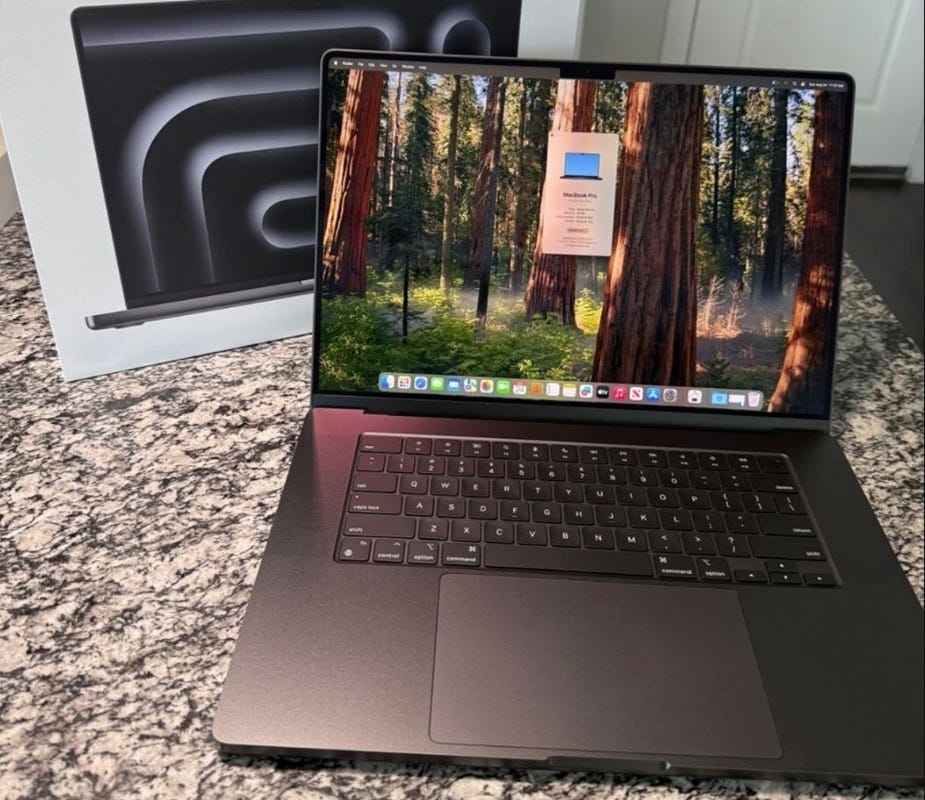
This guide walks through every realistic laptop liquidation channel available to everyday users: manufacturer trade-in programs, third-party buyback services, online marketplaces, local selling, and donation. For each option, we break down the actual payout ranges, fees, risks, and the effort you’ll need to put in.

Laptop Liquidation Option #1: Trade-In Programs
Trade-in programs from Apple, Best Buy, Amazon, and Dell are the fastest, most friction-free way to offload a used laptop. You get an instant quote online, ship the device or drop it off in-store, and receive store credit within days. The tradeoff is straightforward: convenience costs money. Trade-in valuations run 30–50% below what you’d get selling privately, but for many people, that gap is worth it.

BEST FOR: Anyone already buying a new gadget from the same brand/retailer, or someone who simply values a zero-stress experience over maximizing cash. Apple Trade In stacks especially well if you’re purchasing a new Mac — the credit applies directly at checkout with no extra steps.
WATCH OUT: Trade-in values are not guaranteed. If your laptop arrives and its condition doesn’t match your self-assessment, the offer gets revised — sometimes significantly downward. Always photograph your laptop thoroughly before shipping, and read the grading criteria before accepting a quote.
Option #2: Third-Party Buyback Services
Sites like SellYourMac, Gadget Salvation, and others fall between trade-ins and private selling. They quote you a price, provide a free prepaid shipping label, and pay via traditional payment apps a few days after receiving your laptop. You get actual cash (not store credit), with minimal hassle.

Platform comparison.
Buyback services profit on the spread between what they pay you and what they resell the gadget for, so it is unrealistic to expect market-rate offers. On a laptop with a $400 private market value, most services will offer $150-$220. That said, the experience is genuinely streamlined: No listings to craft, no buyer negotiations, no returns/chargebacks drama.
BEST FOR: Users who want actual money (not store credit), need the process done in under a week, and own a laptop that’s 2–5 years old with usable specs. Always get quotes from 2–3 services before choosing — spreads between platforms on the same device can reach $25-$80.
Option #3: Online Marketplaces (eBay, Facebook, Craigslist)
Selling directly to another person — on eBay, Facebook Marketplace, OfferUp, or Craigslist — is usually the highest-payout option available to individual sellers. You get to set your price, keep the bulk of the proceeds, and (hopefully) reach buyers who already know what they want. The cost is your time, a bit of effort, and some platform fees.

Platform Fees & Trade-offs.
Real-world example: A 3-year-old Dell XPS 13 (i7, 16GB, 512GB) might get you $290-$343 on a buyback site. On eBay, completed (sold) listings for the same spec show a $475–515 range. After eBay’s ~13% fee on a $480 sale + shipping cost, that’s roughly $395 you pocket, about $55 more than the buyback route, for perhaps an hour of listing and packing effort.
**As of March 2026. Subject to change.*
Tips for a Successful Listing
- Check sold listings, not asking prices. On eBay, filter by “Sold” to see what buyers actually paid recently — not what sellers hope to get.
- Photos drive sales. Shoot in natural light. Show all four corners, the keyboard, screen powered on, every port, and any cosmetic flaws. Hiding damage leads to returns.
- Provide key details: Full specs, upgrades, mention battery health level/cycle count.
- Include the charger. Listings with the original charger sell much faster and often yield a $10-$20 higher price.
- Price 5–8% above your target. Most buyers on Facebook and Craigslist will negotiate. Give yourself room.
- For local cash sales, meet safely. Police station parking lots are popular designated safe exchange zones — many departments explicitly encourage this for marketplace transactions.
BEST FOR: Anyone willing to put in a couple of hours for the higher return. eBay is ideal for shipped national sales to tech-savvy buyers; Facebook Marketplace-for quick local cash deals; Swappa for clean, low-drama transactions with a knowledgeable electronics audience.
Option #4: Local Pawn Shops and Resellers
Walk-in options for computer liquidation — local computer resale shops, pawn shops, and independent electronics buyers — typically offer instant cash with no shipping, account setup, etc. But the convenience tax is real: expect offers 40–70% below fair market value. Pawn shops sit at the lower end, given their overhead, unsold-inventory risk, and quick-flip margins.

If you walk into a local computer repair or pawn shop with a screenshot of an eBay sold listing for your exact model, functionality, and condition grade, you’ll be able to negotiate a better offer. Many independent shops will match 55–65% of the going eBay rate for clean, functional pre-owned electronics — and for a same-day cash deal with zero risk, that can be a fair outcome.
Option #5: Donation
If your notebook is older (5+ years), slow, or has enough cosmetic damage to hamper its resale value, donation is a genuinely worthwhile alternative. Organizations like PCs for People, World Computer Exchange, and many local schools and libraries accept working used laptops, refurbish them, and redistribute them to people who need them. You receive a tax deduction receipt, the gadget gets a second life, and you skip the effort of creating a marketplace listing.

The IRS allows a fair market value deduction for donated laptops to qualifying 501(c)(3) organizations — typically $50-$200 for functional older machines, depending on specs and condition. For donations over $500, file IRS Form 8283 with your return. And remember: Always wipe the drive before donating, just as you would before any sale.
Laptop Liquidation: Payout, Fees & Effort Breakdown

Regardless of the route you choose, a realistic and honest assessment of your gadget is very important. Most owners overgrade their laptops, calling a unit with visible scratches and depleating battery “excellent” or “like new.” This, in turn, invites disputes, return requests, refusal to accept the computer, and, in the case of marketplaces, negative reviews.
Bottom Line
If your laptop is 1–4 years old, functional, and in decent cosmetic condition, private resale (eBay, FB Marketplace) in most cases yields more money than a trade-in or buyback.
For many users upgrading, a store/manufacturer trade-in is a no-brainer. While Gadget Salvation sits right in the middle: Its laptop liquidation with no time wasted, no drama, no credits, just easy cash.
Originally published at https://www.gadgetsalvation.com on March 30, 2026.
메타데이터
- post_id
- ff18bdaf962e
- slug
- laptop-liquidation-a-complete-review-of-options-costs-fees-ff18bdaf962e
- url
- https://medium.com/@gadgetsalvation/laptop-liquidation-a-complete-review-of-options-costs-fees-ff18bdaf962e
- canonical_url
- https://medium.com/@gadgetsalvation/laptop-liquidation-a-complete-review-of-options-costs-fees-ff18bdaf962e
- author_url
- https://medium.com/@gadgetsalvation
- status
- ok
- fetched_at
- 2026-06-27 18:20:27