When Being Wrong is Costly
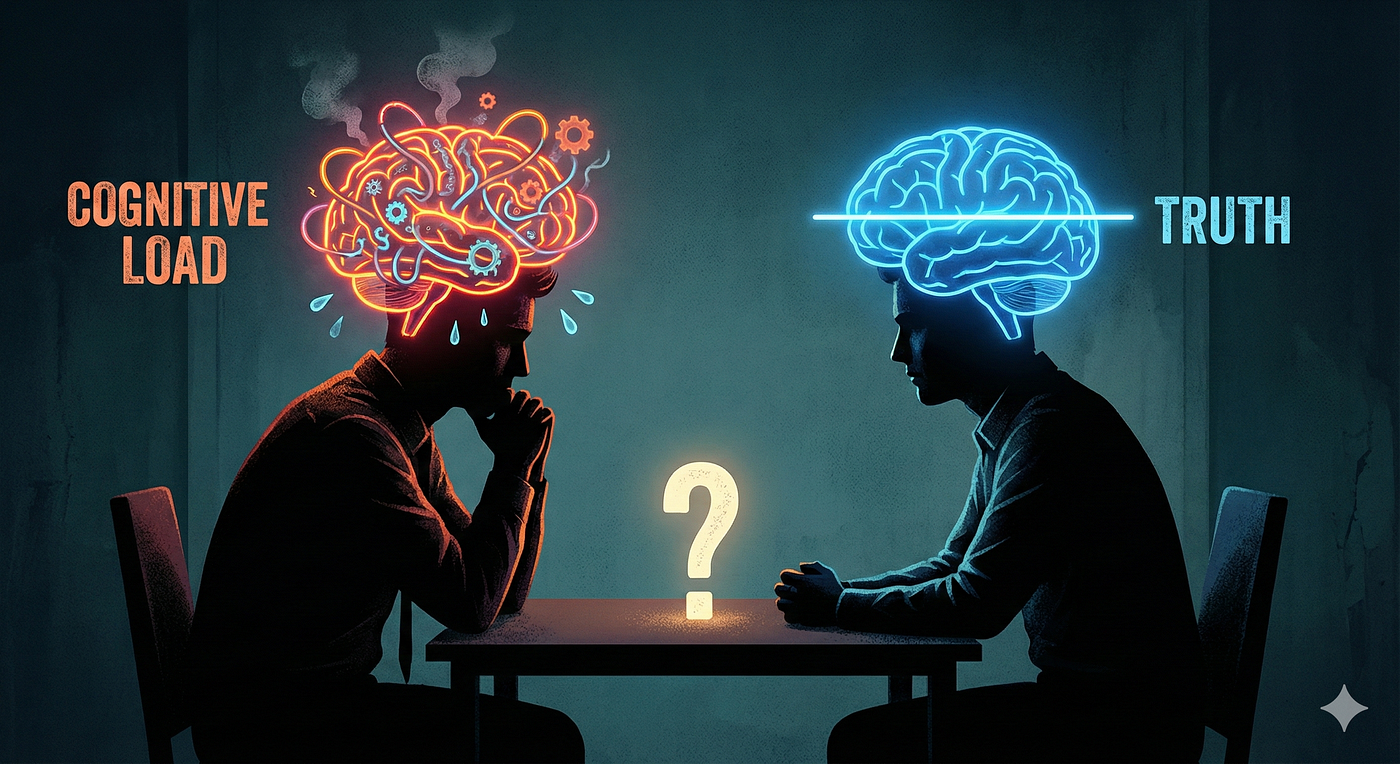
When being wrong is costly, action feels like exposure, thinking feels like safety.
When Being Wrong is Costly
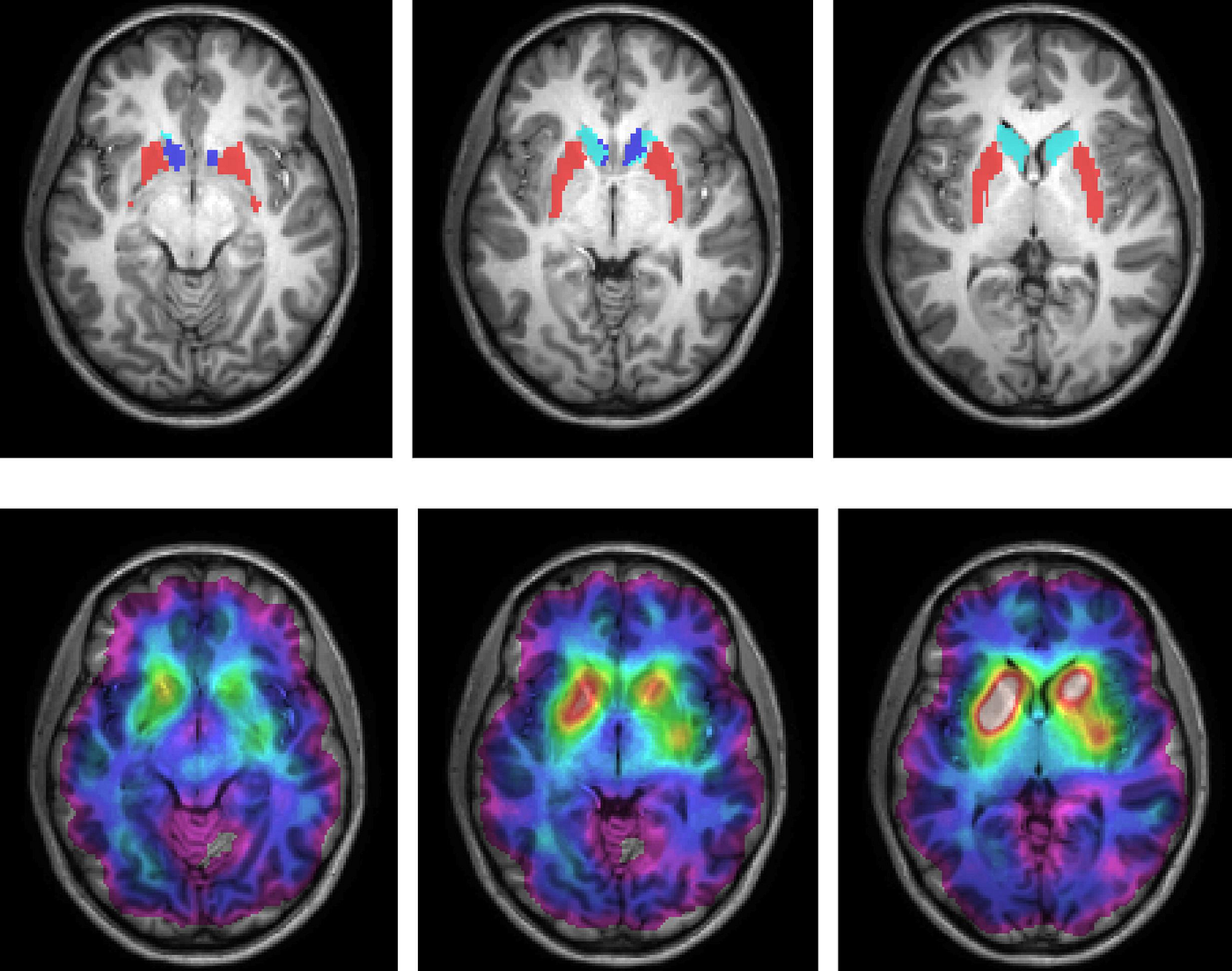
Photo by Zhenyi Yang on Unsplash
When being wrong is costly, action feels like exposure, thinking feels like safety.
Todays article is for my thinkers. My perseverators. My brothers and sisters who navigate the HR of their own lives. How’s the overthinking doing? The people pleasing? Out of curiosity, do you tally the right decisions you make or do you refuse to keep evidence of your own competence?
Adversity creates many things but a life spent in risk management is perhaps one of the most damning. At some point, it stops being protection and starts being avoidance, just dressed up tall in an expensive mink coat.
The Architecture of the Thinking Trap
Let me know if this sounds familiar: You detected something, an item that arrives with either complexity or uncertainty. It sticks to the walls of your mind like an explosion at a taffy factory — caramel. No worries, you think. This is what I was built for. You grab your fine toothed comb with an eagerness you’re reluctant to admit. There’s no problem an in-depth analysis cannot solve. You delay action until you’re able to arrive at resolution- acting in haste will only provide unknown consequences. You begin to pick apart the pieces and soon realize this one doesn’t have an easy solution. Reality is much messier and resolution evades you entirely. So you go back to the drawing board, there has to have been something you missed. There usually isn’t.
This is the architecture of the thinking trap.
I like to call it deep thinking, intelligence, psychology however, has a cleaner word to describe it: rumination. Repetition without movement.
Work from Susan Nolan-Hoeksema showed something that is uncomfortable to sit with. That this pattern doesn’t sharpen your decisions but rather, degrades them. In other words, the longer you stay in the loop, the worse your ability to solve the problem becomes. What you call preparation begins to look an awful lot like erosion.
To act is to be seen and to be seen is to risk judgement, rejection, failure. There’s a comfort to be found in stagnancy because at least if you’re still, you remain perfect in theory. A lifetime of analysis created to solve what’s broken, a pattern you tout as a mechanism of intelligence but whose origins are structured far deeper than you care to look. The approach that drives you is also what contains you. If we analyze every structure, every ligament of thought, we think we can create a certain fortress against failure. In reality, and with time, we find that we built our own cage. In other words, your brain turns up its sensitivity to error. Your system adapts and learns to scan, predict, prevent. The issue inevitably arises when you never learn to turn it back down. And suddenly, you find yourself applying high stakes calibration to low stakes decisions. Your system treats them like cliffs when they’re hardly a curb.
“We are more often frightened than hurt; and we suffer more from imagination than from reality.” — Seneca
Trusting in Iteration
Adversity teaches us that the world is unpredictable. Risk management is the logical response to trauma or instability, but when the “emergency” is over and the mindset remains, it becomes a tax on your vitality.
The shift that is missing is that clarity is not something that you earn before action, it is something you generate through it.
When you only trust in certainty, you only deal in absolutes. You begin to risk a binary approach to reality — what experts call “black or white thinking”. Reality, however, is multivariable. It doesn’t operate in binaries but rather, in feedback. Even fields that are built on prediction don’t get it right the first time. They rely on shortening the distance between action and correction — iteration. The cost of inaction compounds faster than the cost of being wrong.
The other silent distortion arises when you don’t just ignore your wins, but filter them out entirely. Negativity bias is wired in and ensures that failures imprint deeper than any successes. This creates a certain feeling of invalidity, incompleteness within any evidence of competence. In turn, you remain caught, searching for the certainty you have already disproven the need for.
Risk management is a strategy born out of a particular kind of necessity. If you grew up in an environment where any wrong move had tangible consequences, overthinking was not a flaw but a strategy. The problem arises when the strategy outlives the crisis. It’s an expensive premium on an insurance we’re too reluctant to change, even when the conditions allow it. The muscle of intuition begins to atrophy and when a system has instability, the cost of misaligned action becomes too high to pay. To put it mildly — when you outlive the environments these strategies were built for, they no longer protect you, but rather — constrain you. The more you think, delay, refine, the more you slow down. Until one day you find you have stopped moving altogether.
So what’s the alternative?
Many, myself included, turn to recklessness. This is where impulsivity, hedging, things like substance abuse begin to turn their head. What really needs to happen is a certain method of recalibration.
What if being wrong wasn’t a certain verdict, but data? If the goal is no longer to eliminate error, but bounce back faster? What can change when the real skill shifts from thinking harder to updating quicker?
The ones who move forward are not those who avoid mistakes, or take account every possible parameter, they’re the ones that stop requiring certainties to begin. If you don’t believe you are capable of handling a mess, you will spend your entire life trying to prevent one.
Recalibration starts when we stop asking ourselves “How can I make sure this goes right?” And begin asking “Do I trust myself to handle it if it goes wrong?”
메타데이터
- post_id
- ff2dbbba33f3
- slug
- when-being-wrong-is-costly-ff2dbbba33f3
- url
- https://medium.com/@itsbisma/when-being-wrong-is-costly-ff2dbbba33f3
- canonical_url
- https://medium.com/@itsbisma/when-being-wrong-is-costly-ff2dbbba33f3
- author_url
- https://medium.com/@itsbisma
- status
- ok
- fetched_at
- 2026-06-21 19:25:17