When Transparency Fails: My Disappointing Experience with Pionex’s Misleading Trading Interface
A Platform I Once Trusted
When Transparency Fails: My Disappointing Experience with Pionex’s Misleading Trading Interface
A Platform I Once Trusted

I’ve always valued transparency in crypto trading — until I discovered that one of the biggest automated trading platforms isn’t as clear as it seems. Here’s my personal experience with Pionex and why I believe crypto traders deserve better disclosure and accountability.
I have been a cryptocurrency trader since forever and was among the early users personally contacted by Pionex, a Singapore-based exchange specializing in automated trading bots. Their team even contacted me that year to help test the platform and share my impressions with the trading community. As most of you are aware I wrote several positive articles on Medium.com, genuinely believing I was promoting a trustworthy, transparent product with good customer service.
That confidence changed abruptly this month.
What Happened?
While operating one of Pionex’s trading bots, I saw a round showing a clear profit. The interface displayed the gain based on the current market price, so I decided to lock in the profit and close the round. I usually never do this manually but let the bot handle it. But this time the profit was abnormally high. I was expecting that pushing reset would execute a limit order at or near the shown price. because otherwise there’s no way to guarantee the shown profit as a market order can’t guarantee profit due to changing market conditions or slippage.
Instead to my surprise, the platform instantly placed a market order, selling the position at a noticeably worse price because the market happened to be very volatile. No warning, no disclosure, and no option to choose the order type. The confirmation screen simply read “Close the round,” which any reasonable trader would interpret as locking in the profit shown.
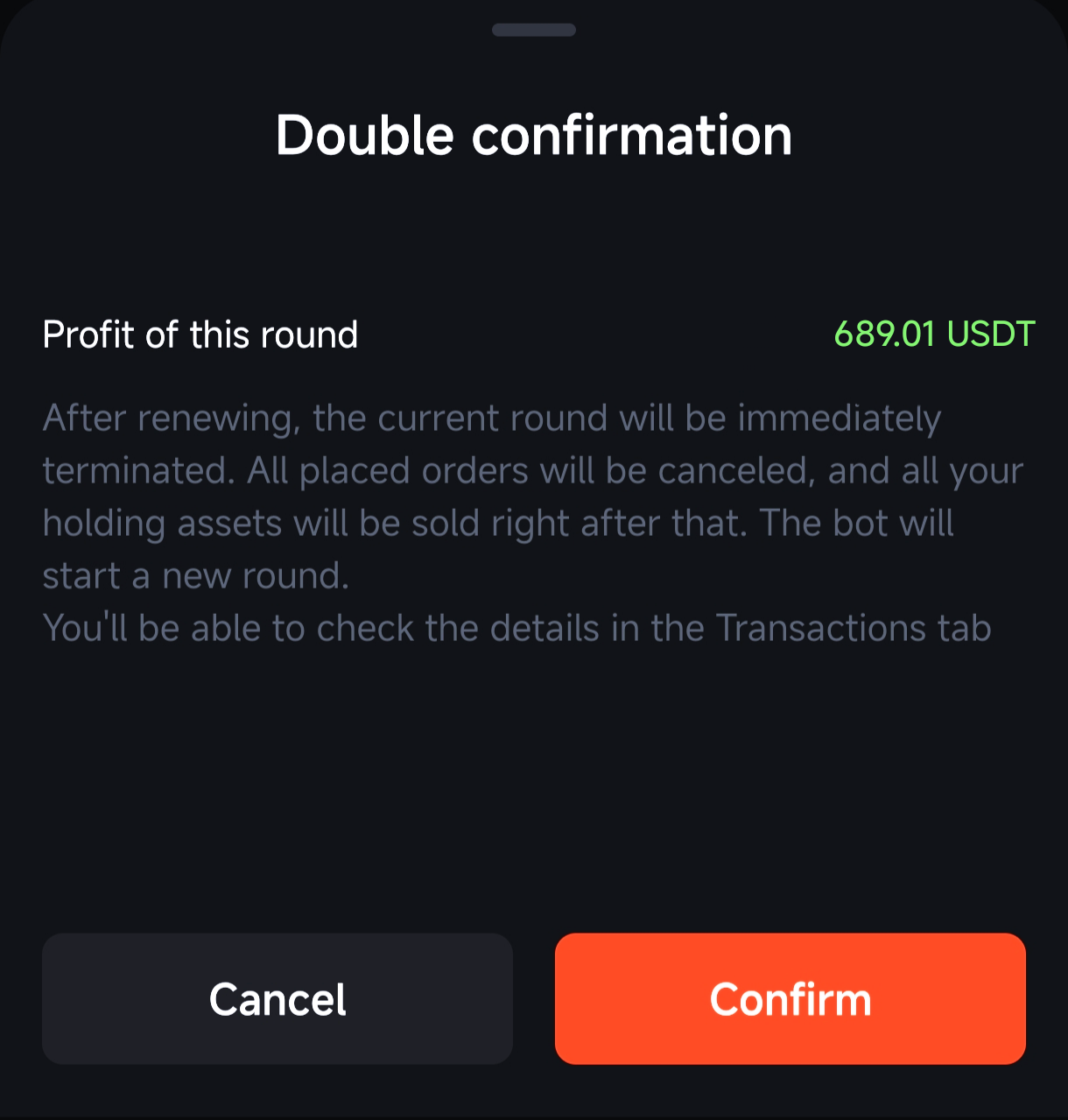
The missing information — that the command triggers a market order — makes the feature misleading by design. Transparency isn’t optional in trading software; it’s fundamental.
Customer Service Reaction
When I contacted support, the replies were disappointing. Rather than acknowledging the lack of clarity, I was told it executes a market order and that was it. But a user should not need hidden knowledge to understand how a visible trading function operates. A clear disclosure or toggle for order type would have avoided the entire issue.
Having once promoted this company, I expected at least an acknowledgment that the interface could be improved. Instead, the response suggested that responsibility rests entirely on the user — even when the information presented is incomplete. And even after my complaint and suggestion to improve the interface they’ve not updated anything to provide more clarity to their customers to prevent these misunderstandings from happening.
Why This Matters
The difference between a limit and a market order is not a technicality; it’s a core concept that affects pricing and risk. If a trading platform calculates and displays profits based on a specific market price, it has an obligation to explain how the actual closing action will be executed.
When that detail is omitted, the interface effectively misleads the trader. Even small discrepancies between displayed and executed prices can erode trust in automated systems — especially for users who rely on bots to manage trades around the clock.
This incident highlights a broader problem in the crypto-trading ecosystem: automation without transparency. As exchanges rush to offer new features, user-interface clarity often becomes an afterthought. But for traders, unclear execution logic can mean unexpected losses and the breakdown of confidence in the technology itself.
A Call for Accountability
Crypto platforms like Pionex have done much to make algorithmic trading accessible. Yet accessibility without clarity can do more harm than good. A double confirmation window should clearly state:
What order type will be executed;
At what price it will be triggered; and
How slippage or spread might affect the result.
Users deserve full information before confirming any trade — especially when automation is involved. Transparency and disclosure are not optional extras; they are the foundation of trust in digital finance.
I share this experience so that other traders remain alert to how “automated” does not always mean “transparent.” Hopefully, this encourages platforms and regulators alike to raise the standard for fairness and clarity in crypto trading.
Have you experienced unclear execution or hidden order logic on trading platforms? Read my story, share your thoughts, and let’s push for more transparency in crypto automation.
메타데이터
- post_id
- ff2f44faad9f
- slug
- when-transparency-fails-my-disappointing-experience-with-pionexs-misleading-trading-interface-ff2f44faad9f
- url
- https://medium.com/@macropus/when-transparency-fails-my-disappointing-experience-with-pionexs-misleading-trading-interface-ff2f44faad9f
- canonical_url
- https://medium.com/@macropus/when-transparency-fails-my-disappointing-experience-with-pionexs-misleading-trading-interface-ff2f44faad9f
- author_url
- https://medium.com/@macropus
- status
- ok
- fetched_at
- 2026-07-16 10:23:59