A Platform Compounds. A Project Doesn’t.
This is the fourth and final week of the Experience Platform series. We have named the missing layer, made the case for a custom design…
A Platform Compounds. A Project Doesn’t.

This is the fourth and final week of the Experience Platform series. We have named the missing layer, made the case for a custom design system over a theme, and argued for content architecture built around the business rather than the platform. This week, the argument that ties all three together: why a platform investment returns value in a fundamentally different way than a project, and how to know which one you are actually building.
There is a question I ask early in every client conversation.
When the project is done, what happens next?
Most of the time, the answer involves some version of maintenance. Updates when things break. Changes when the business evolves. Maybe a redesign in a few years when the site feels outdated. The project closes, the relationship shifts to support, and the investment that was made sits largely static until something forces it to change.
That is not a platform. That is a project that delivered a website.
The distinction sounds subtle. The financial and operational difference over three to five years is not subtle at all.
What Compounding Actually Means
In financial terms, compounding is the process by which returns generate their own returns. The investment grows not just from new inputs but from the returns on previous returns. The longer the compounding runs, the more significant the gap between a compounding investment and a flat one.
Platform investments work the same way.
When a business invests in a real Experience Platform, with a custom design system, a content architecture built around their business, and a platform layer designed to scale, every subsequent decision builds on that foundation rather than working around it.
A new service line gets added to the site. Because the design system exists, the visual standards are already defined. Because the content architecture was designed with extensibility in mind, the new content type fits naturally into the existing structure. Because the platform is maintained and continuously improved, the new feature can be built quickly on a stable foundation. The total cost and time for that addition is a fraction of what it would be on a theme-based site that was never designed to accommodate growth.
That fraction compounds. The third expansion is cheaper than the second. The fifth is cheaper than the fourth. The platform gets more efficient to build on the more it is used, because every new feature reinforces and extends a foundation that was designed for exactly this kind of growth.
A project does not compound. It delivers, and then it depreciates.
How the EFX Experience Platform Is Built to Compound
The compounding model is built into how the EFX Experience Platform works, at every level.
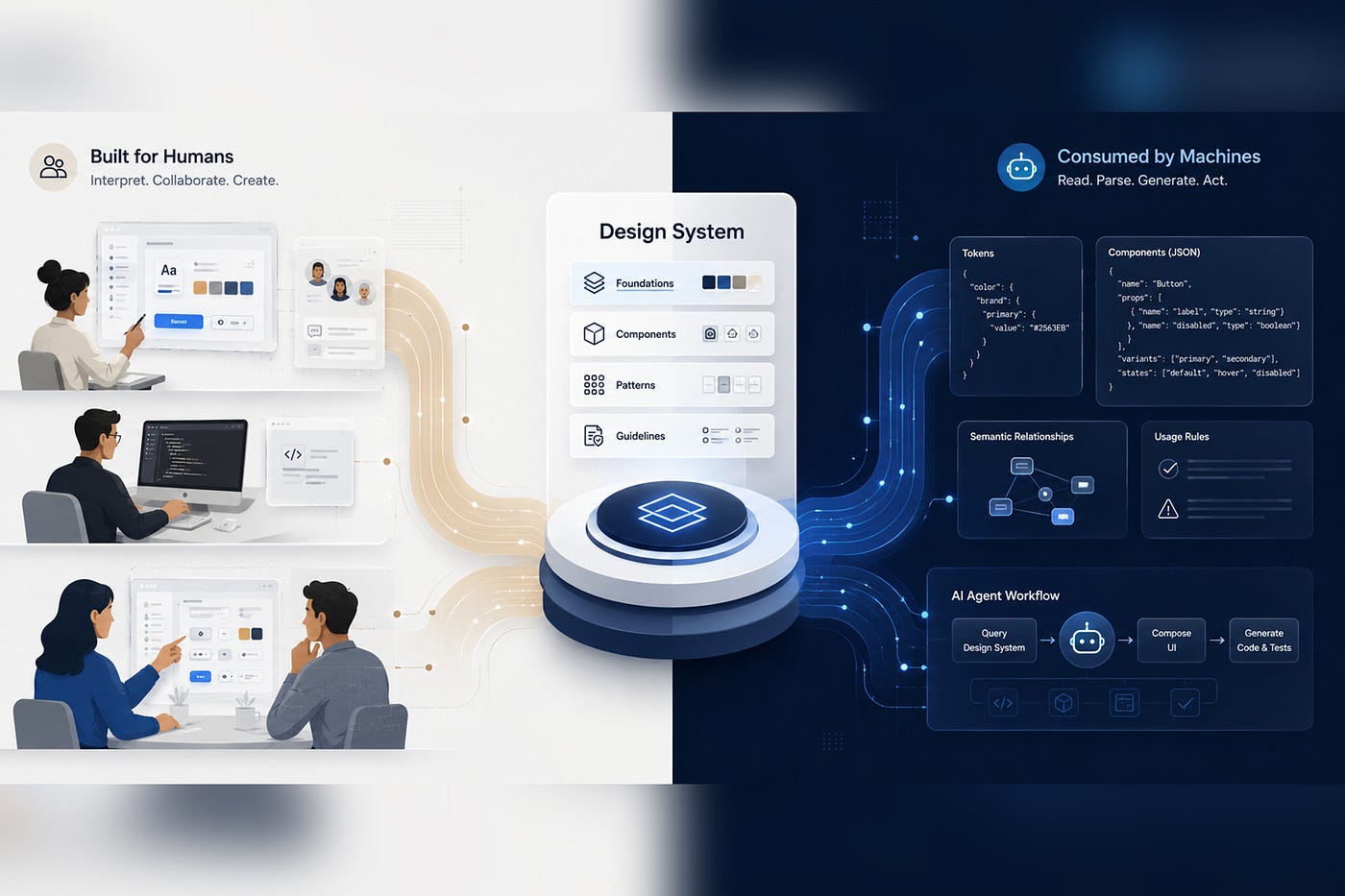
At the design system level, every component built for one client engagement becomes a more refined component available for the next. The token architecture gets more sophisticated with every new brand system built on it. The patterns get more robust with every edge case encountered and solved. The platform improves not just through updates but through use, because each engagement surfaces real-world requirements that make the foundation more capable.
At the content architecture level, the structural patterns developed for one type of business, a contractor, a studio, a professional services firm, become better-defined templates for the next business in that category. The hard problems of mapping a business’s mental model to a structured content system get solved once and then refined, rather than solved from scratch every time.
At the platform level, the infrastructure that a client is built on is maintained, updated, and expanded continuously. When a new capability is added to the platform, every client built on it has access to that capability. When a new integration is developed, it is available to all. The investment in the platform itself compounds across every client built on it, which means each new engagement both benefits from everything that came before and contributes to everything that comes after.
This is why I describe the Experience Platform the way I describe it. Not as a website service. Not as a design system practice. As infrastructure, built once to a standard that most businesses could not justify building alone, and continuously improved in ways that make every business built on it more capable over time.
The Signs That You Are Building a Project Instead of a Platform
Most organizations do not consciously choose between a project and a platform. The choice happens by default, in the decisions made during scoping, development, and handoff.
Here are the signals that a project is being built rather than a platform.
The design decisions live in a Figma file rather than a maintained design system. When the Figma file is not updated alongside the built product, the design and the code diverge. Within six months, the reference is out of date. Within a year, nobody trusts it. The team is making visual decisions from memory rather than from a documented standard.
The CMS was configured around the platform’s defaults rather than the business’s content model. The client spends the first few months asking their developer to update things that should be self-service. Over time, certain sections stop being updated because the friction is too high.
The codebase was handed off at launch with no ongoing relationship. When something breaks, the business scrambles to find someone who understands how it was built. When something needs to change, the cost is always higher than expected because whoever is doing the work is starting without context.
The site looks and works roughly the same in year three as it did at launch. Not because nothing needed to change, but because the cost and complexity of changing it on a project foundation was always too high to justify. The business has outgrown the site and is starting to think about a rebuild.
A platform built on the EFX model does not follow this arc. The design system stays current because it is maintained. The CMS stays useful because the content architecture was designed for the business. The relationship stays active because the platform is alive, not dormant. And the site in year three is more capable than it was at launch, not less.
The Larger Argument
Over the past four weeks, this series has made a case that I believe matters for every business that depends on its digital presence.
The experience layer is infrastructure. It has always been infrastructure. The businesses that build it as infrastructure, with a real design system, a content architecture that reflects how they actually work, and a platform that scales and compounds over time, will be in a fundamentally different position than the businesses that keep bolting themes and plugins together and wondering why it never quite works the way they want it to.
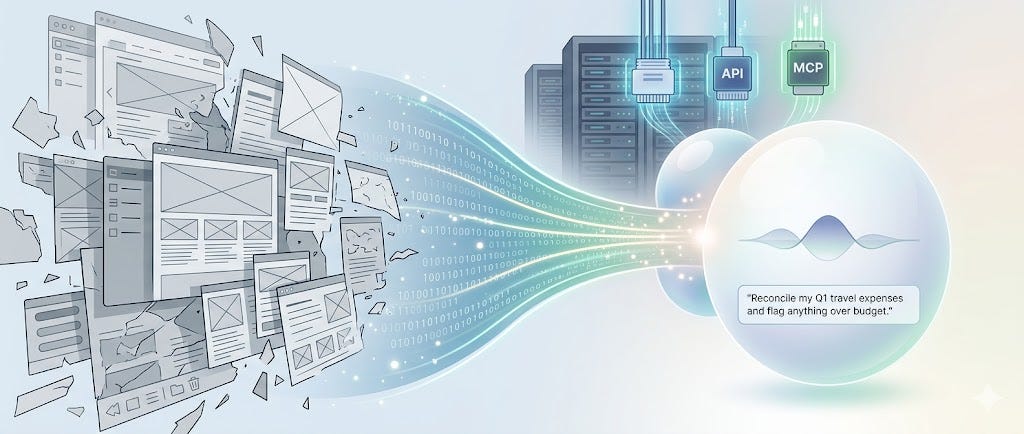
The Enterprise digital transformation market is on track to reach $2.8 trillion in spending by 2025. The organizations with mature platforms see AI multiply their effectiveness. Those without mature platforms see AI amplify their dysfunction. That pattern holds at every scale, from global enterprise to small business. The foundation determines the outcome.
The Experience Platform is the foundation. What gets built on it is up to the business. But the businesses that invest in the foundation now are the ones that will be able to move with the pace of change rather than constantly scrambling to catch up with it.
A platform compounds. A project does not. That is the whole argument.
Eddie Lou is a UX and Design Engineering leader with 30+ years of experience at Cisco, PayPal, Apple, Visa, BigCommerce, and Indeed. He is the author of the Design Engineering Handbook (InVision / Design Better) and the founder of EFX Design, a design and development studio specializing in experience platforms, design systems, and custom product development.
Interested in evolving your design system? Let’s talk.
메타데이터
- post_id
- ff3e76e88db6
- slug
- a-platform-compounds-a-project-doesnt-ff3e76e88db6
- url
- https://medium.com/@ed-lou/a-platform-compounds-a-project-doesnt-ff3e76e88db6
- canonical_url
- https://medium.com/@ed-lou/a-platform-compounds-a-project-doesnt-ff3e76e88db6
- author_url
- https://medium.com/@ed-lou
- status
- ok
- fetched_at
- 2026-06-09 18:04:40