How Smart Blinds Actually Lower Your Energy Bill — And Why Most People Don’t Realize It
When I first started researching smart blinds, the energy savings claims felt like filler copy — the kind of benefit that gets listed on a…
How Smart Blinds Actually Lower Your Energy Bill — And Why Most People Don’t Realize It
When I first started researching smart blinds, the energy savings claims felt like filler copy — the kind of benefit that gets listed on a product page alongside “easy installation” and “modern design” without anyone expecting you to take it seriously. I bought them for the convenience. The energy bill thing was background noise.
A year in, I’ve changed my mind. Not because the savings are dramatic — they’re not — but because I finally understand the mechanism, and it’s more interesting than “buy this product, save money.”
The real reason windows waste energy
Most people think about window insulation in terms of drafts — cold air coming in around the frame in winter. That’s real, but it’s not the main event. The bigger issue is radiant heat transfer through the glass itself.
In summer, sunlight passing through a standard window converts to heat inside the room. A south or west-facing window in the afternoon is essentially a focused heat source — and your air conditioning has to work against it continuously. In winter, the same glass radiates the warmth from your room outward into the cold outside air, making your heating system work harder to maintain temperature.
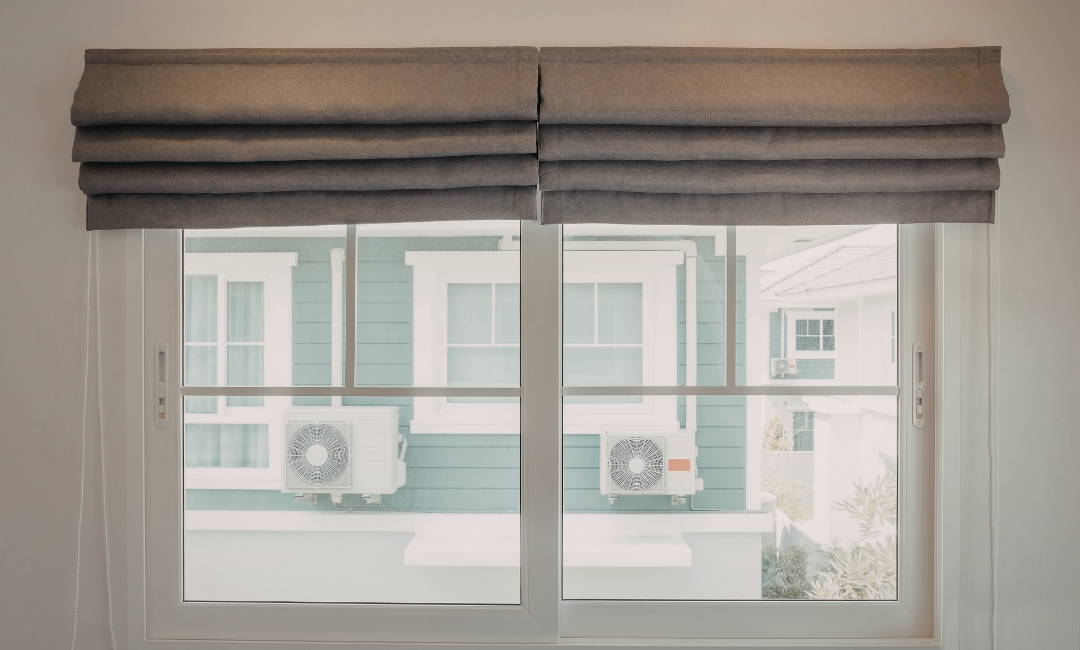
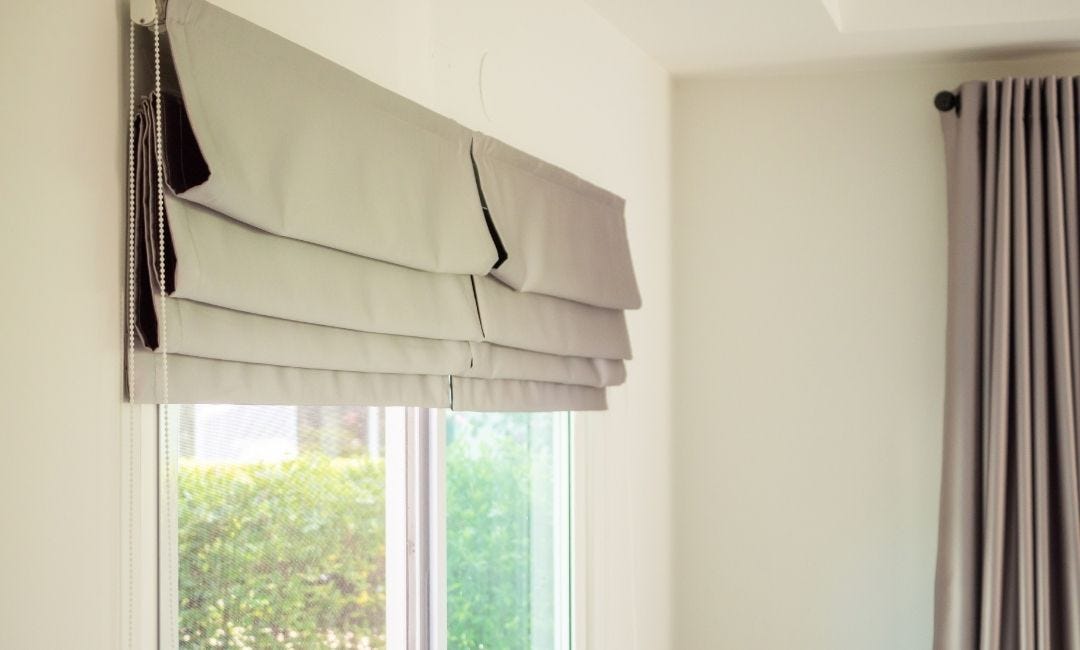
Cordless roller shades, motorized zebra shades, smart roller shades, and motorized cellular shades all interrupt this process in different ways. The question is how effectively, and how consistently.
Consistency is the part nobody talks about
Here’s the thing I didn’t expect: the energy saving benefit of window shades isn’t really about the product — it’s about the behavior. A blackout roller shade that’s closed during peak afternoon sun hours saves meaningfully more energy than the same shade left open because you forgot to close it.
Before I had automatic shades, I’d close my west-facing cordless roller shades maybe 60–70% of the time on hot afternoons. I’d forget when I left the house in the morning, or I’d be in the middle of something and not bother. The shade was there, but the behavior was inconsistent.
With a schedule — close at noon, open at 6 PM — the shades work correctly 100% of the time. The product didn’t change. The consistency did. And that consistency is where the actual energy saving comes from.

Where cellular shades change the equation
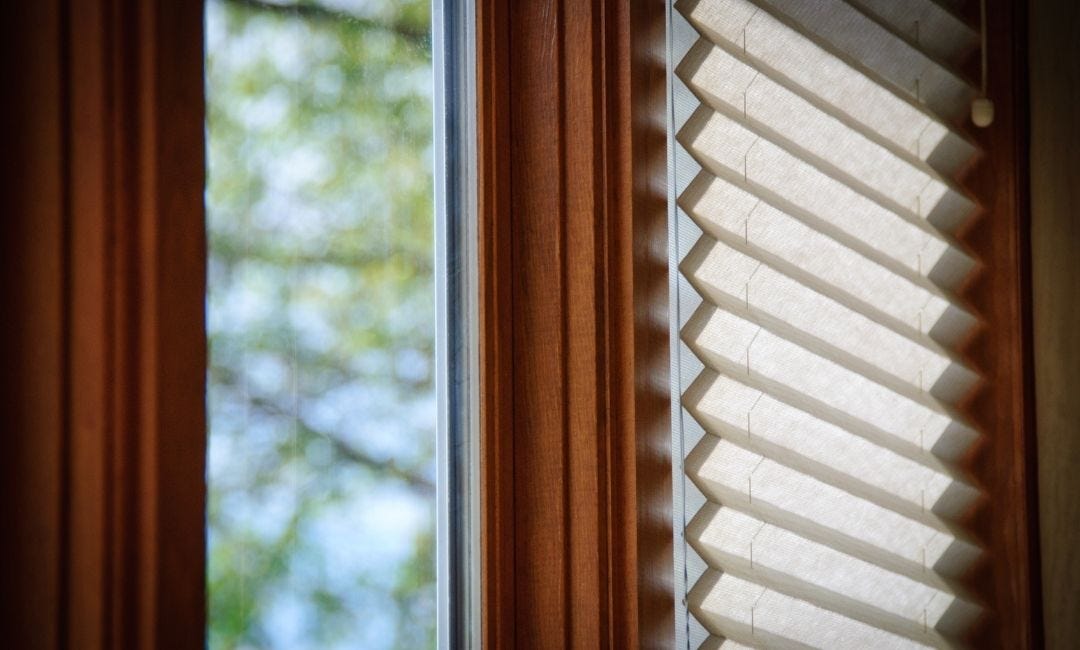
Standard motorized roller shades interrupt radiant heat transfer by blocking the sun. Motorized cellular shades go a step further — the honeycomb structure traps still air between the window and the room, creating an insulating layer that slows heat transfer even when there’s no direct sunlight.
This matters most in two situations: rooms with large windows that lose heat in winter even on cloudy days, and bedrooms where you want the shade closed for darkness but still benefit from the insulating effect overnight. Day and night cellular shades are particularly effective here — they handle both light control and insulation in one product.
The U.S. Department of Energy estimates that properly installed electric cellular shades can reduce heat loss through windows by up to 40% in winter and reduce solar heat gain by up to 60% in summer. Those numbers assume tight installation and consistent use — which is exactly what automatic cellular shades with scheduling provide.
The honest numbers
I’m not going to tell you remote control blinds will cut your energy bill in half. For most households in moderate climates with reasonably efficient windows, the savings are real but modest — somewhere in the range of 10–20% on heating and cooling costs for the rooms where you make the change.
For a typical household spending $150–200 per month on energy, that might be $15–40 per month in savings, or $180–480 per year. Against the cost of quality motorized window coverings or automatic curtains, payback is typically 2–4 years depending on your climate, sun exposure, and how much you were leaving shades open before.
That’s not a spectacular return on its own. But it’s on top of the convenience, the improved comfort, the better sleep from proper bedroom darkness, and the reduced UV damage to your furniture — none of which show up in an energy bill calculation.
What actually moves the needle
If energy savings are a priority for you, here’s where to focus:
West and south-facing rooms get the most direct sun and have the highest potential for reducing summer heat gain. Start here with blackout roller shades or motorized zebra shades.
Bedrooms benefit most from motorized cellular shades — the combination of blackout performance and insulation addresses both light and temperature, and the overnight insulating effect adds up across hundreds of nights per year.
Scheduling matters more than product specification within a reasonable quality range. A well-scheduled remote control window shade will outperform a premium manual shade that’s only closed when someone remembers.
Large windows — whether you’re dealing with blinds for wide windows, curtains for large windows, or blinds for huge windows — have more surface area for heat transfer in both directions. The bigger the glass, the more difference good custom roller shades or day and night shades make.
The conclusion I’ve landed on
Smart roller shades lower your energy bill not because they’re magic, but because they make it easy to do the right thing consistently. The physics of window heat transfer aren’t complicated — block the sun in summer, insulate against the cold in winter. The hard part has always been remembering to actually do it, every day, at the right time.
Automation solves that problem. And solving it consistently turns out to be worth more than most buying guides suggest.
Browse motorized roller shades, motorized cellular shades, zebra shades for windows, and remote control blinds at BlindsMagic — blindsmagic.com
메타데이터
- post_id
- ff71f214ea5a
- slug
- how-smart-blinds-actually-lower-your-energy-bill-and-why-most-people-dont-realize-it-ff71f214ea5a
- url
- https://medium.com/@12860b/how-smart-blinds-actually-lower-your-energy-bill-and-why-most-people-dont-realize-it-ff71f214ea5a
- canonical_url
- https://medium.com/@12860b/how-smart-blinds-actually-lower-your-energy-bill-and-why-most-people-dont-realize-it-ff71f214ea5a
- author_url
- https://medium.com/@12860b
- status
- ok
- fetched_at
- 2026-08-21 13:24:54