Tractor for Different Soil Types: A Complete Buying Guide for Every Farmland
Find the right tractor for different soil types, from sandy to clay, with this guide on horsepower, torque, drivetrain and key features.
Tractor for Different Soil Types: A Complete Buying Guide for Every Farmland
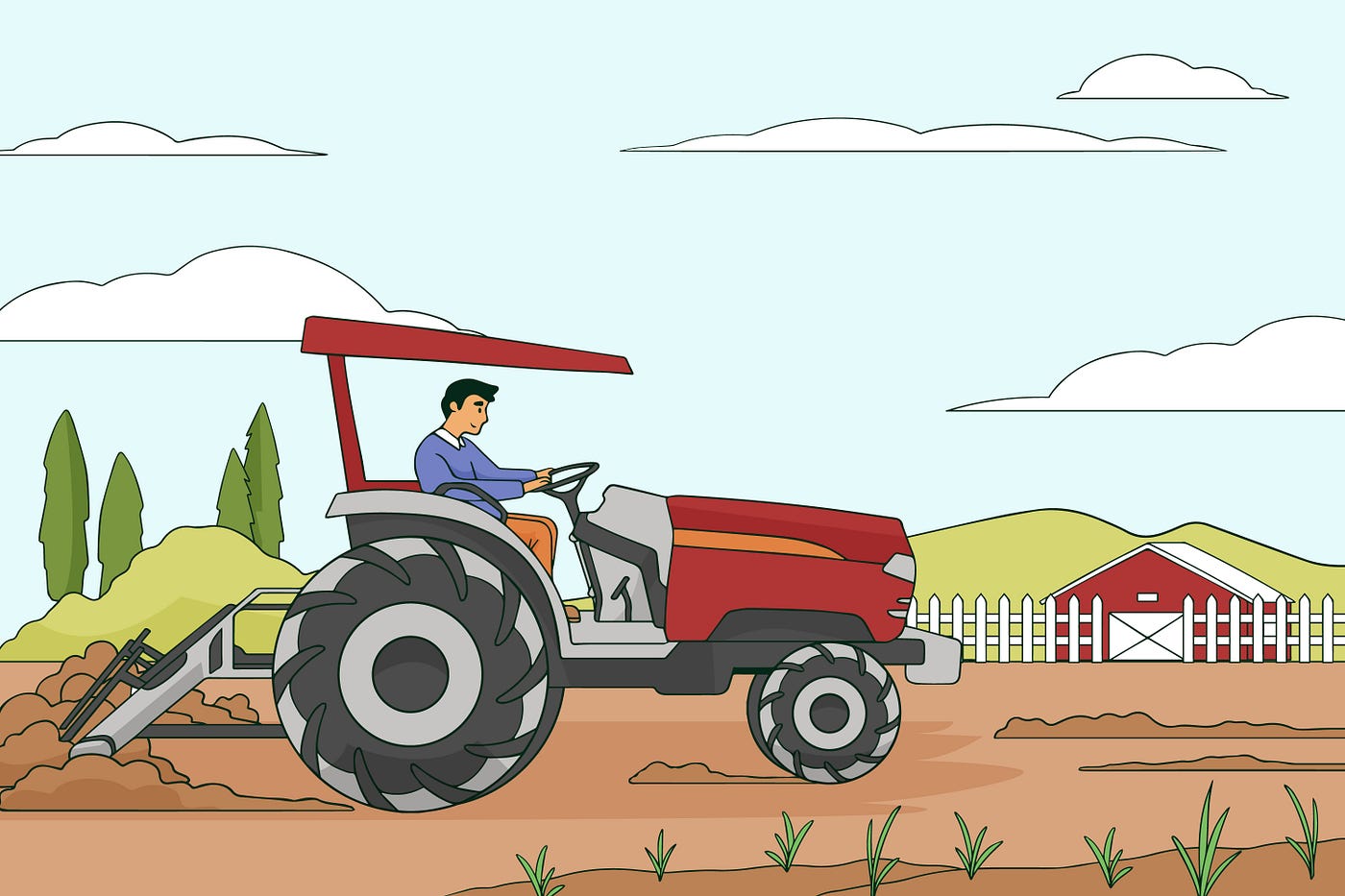
No two farms are exactly alike. The soil beneath your feet, the shape of your land, and the crops you grow all play a role in deciding what kind of machine will serve you best. Choosing the right tractor for different soil types is one of the most important decisions a farmer can make, because the wrong match can mean wasted fuel, poor performance, and unnecessary wear on the machine. This guide walks you through how soil and terrain should shape your buying decision, in plain and simple language.
Why Soil Type Should Guide Your Tractor Choice
Every soil behaves differently under the weight and pull of a tractor. Heavier soils resist ploughing and demand more torque, while lighter soils need a gentler touch to avoid sinking or unnecessary compaction. Matching your tractor to your land’s actual soil conditions means better fuel efficiency, less strain on the engine, smoother daily operation, and a machine that lasts longer. Choosing based on soil type, rather than just price or popularity, is the foundation of a smart purchase.
Understanding the Major Soil Types
Before comparing tractor specifications, it helps to understand what each soil type demands from a machine:
• Sandy soil: Light and loose, drains quickly, and does not hold moisture well. Tractors working here should be lighter in weight to avoid sinking, while still offering dependable traction.
• Clay soil: Heavy, moisture-retaining, and offers strong resistance when ploughed. This soil calls for higher torque, sturdy construction, and often a 4WD system.
• Loamy soil: A balanced mix of sand, silt, and clay, generally considered ideal for farming. Tractors here need to be versatile enough to handle a range of tasks efficiently.
• Rocky or uneven soil: Demands a rugged build, strong suspension, high ground clearance, and good torque to handle irregular terrain without strain.
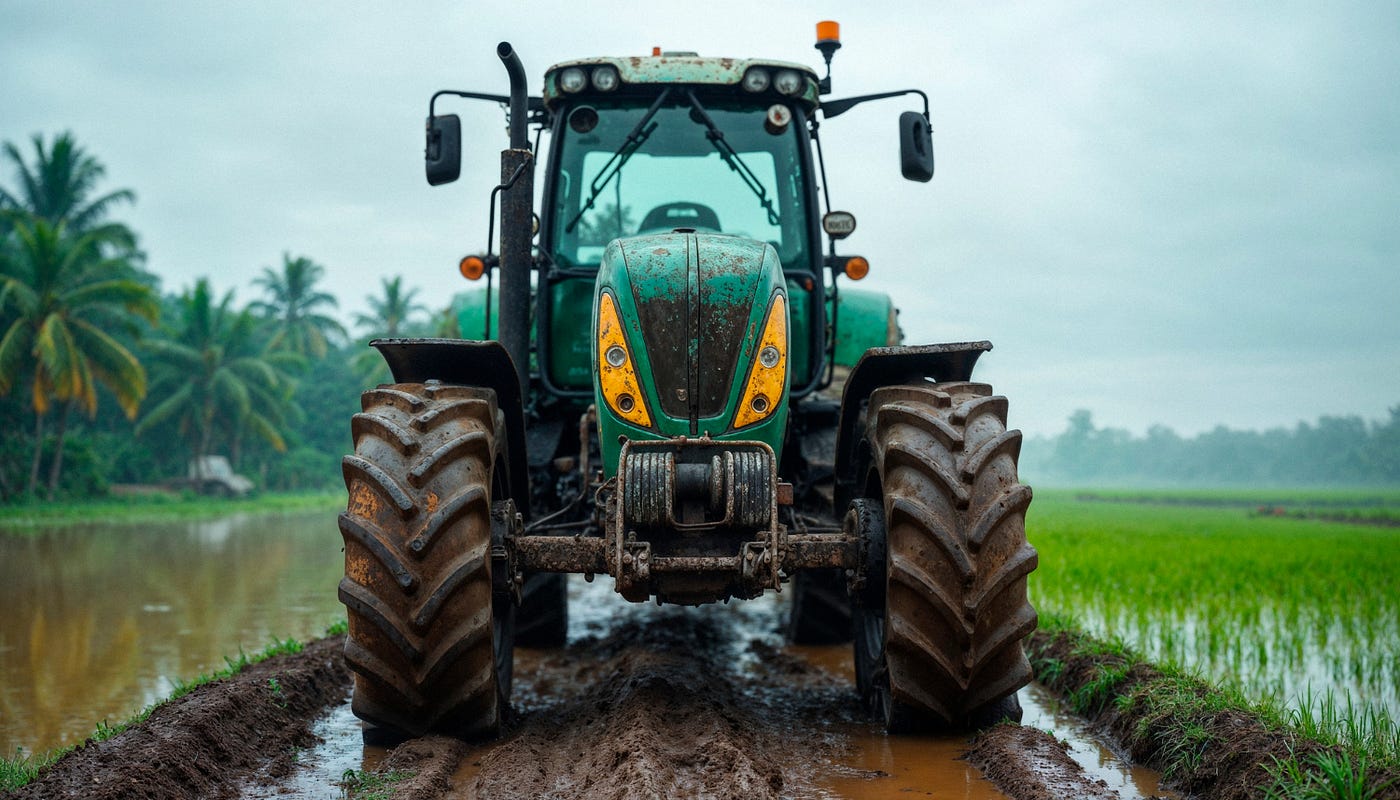
• Wet or marshy soil: Carries a high risk of tractors getting stuck. Look for 4WD, strong traction, and higher ground clearance.
• Sloped or hilly terrain: Requires excellent stability, a low centre of gravity, strong braking, and 4WD for safe, controlled operation.
Matching Tractor Features to Your Land
1. Horsepower (HP) and Workload
Horsepower determines how much workload your tractor can comfortably handle. Smaller farms under 5 acres with light or loamy soil typically do well with 20 to 30 HP. Mid-sized farms with mixed or loamy conditions often need 30 to 40 HP. Larger farms with heavy clay soil, deep tillage requirements, or large implements should look at 45 HP and above. Choosing a tractor for different soil types always starts with matching power output to both land size and soil resistance.
2. Torque and Transmission
Torque is what allows a tractor to push through dense, heavy soil without stalling or straining. Clay-heavy fields and rocky terrain both demand higher torque output. Transmission type also matters: synchromesh and shuttle-shift systems offer smoother gear changes for frequent direction switching, which is especially useful on uneven or hilly land.
3. 2WD vs 4WD Drivetrains
For flat, well-drained soil such as light loamy or sandy fields, a 2WD tractor is usually sufficient and more cost-effective. However, wet, hilly, rocky, or heavy clay soils benefit significantly from a 4WD system, which provides better grip, stability, and control. Choosing 4WD for land that does not need it adds unnecessary cost, so this decision should always be based on your actual soil and terrain conditions.
4. Ground Clearance and Suspension
Rough, rocky, or marshy land requires a tractor with higher ground clearance and a sturdy suspension system. This prevents undercarriage damage and helps the machine glide over uneven surfaces without getting stuck or strained.
5. Hydraulics and Lift Capacity
Heavier soils and larger implements need a tractor with strong hydraulics and a higher lift capacity. This is particularly important for deep ploughing in clay soil or operating heavier attachments such as rotavators and cultivators across demanding terrain.
6. Fuel Efficiency
Operational cost adds up quickly during long working hours, especially in peak sowing and harvesting seasons. A fuel-efficient machine that still delivers the torque your soil demands offers the best long-term value, helping you save money without compromising on performance.
A Practical Step-by-Step Approach
• Assess your soil type: Take soil samples or consult a local agricultural expert to confirm whether your land is sandy, clay, loamy, rocky, or prone to waterlogging.
• Define your farming requirements: Consider your crops, the implements you use, and whether your work involves deep tillage, light cultivation, or general transport.
• Match key features: Align horsepower, torque, drivetrain, and hydraulics to your specific soil and terrain conditions, not just to what looks impressive on paper.
• Set a realistic budget: Avoid over-investing in a heavy-duty 4WD model if your land is flat and well-drained, and avoid under-investing if your soil truly demands more power.
• Check after-sales support: Confirm that spare parts and service centres are easily accessible in your region before making a final decision.
Why Getting This Right Matters
Picking the wrong machine for your land can lead to wasted fuel, frequent breakdowns, and lower productivity over time. A well-matched tractor, on the other hand, lowers your cost per acre and keeps your farm running smoothly season after season. Whether you are comparing models from a dealer or browsing a full range online, looking closely at how each **agriculture tractor** performs across different soil and terrain conditions will help you avoid an expensive mismatch and get the most value from your investment.
Final Thoughts
Selecting the right tractor for different soil types is not about choosing the most powerful or most expensive machine available. It is about understanding your land, your crops, and your daily workload, and finding a tractor that matches those exact needs. Take the time to assess your soil, define your requirements, and compare features carefully. A well-chosen tractor will reward you with reliable performance, lower running costs, and many productive years of farming ahead.
메타데이터
- post_id
- ff720b1da5a5
- slug
- tractor-for-different-soil-types-a-complete-buying-guide-for-every-farmland-ff720b1da5a5
- url
- https://medium.com/@theethanwilliam/tractor-for-different-soil-types-a-complete-buying-guide-for-every-farmland-ff720b1da5a5
- canonical_url
- https://medium.com/@theethanwilliam/tractor-for-different-soil-types-a-complete-buying-guide-for-every-farmland-ff720b1da5a5
- author_url
- https://medium.com/@theethanwilliam
- status
- ok
- fetched_at
- 2026-07-18 11:23:00