The Real Story Behind Spiked Juice That Actually Tastes Like Something
There’s a quiet shift happening in the ready-to-drink beverage space. Not dramatic, not overnight — but consistent. People are moving away…
The Real Story Behind Spiked Juice That Actually Tastes Like Something
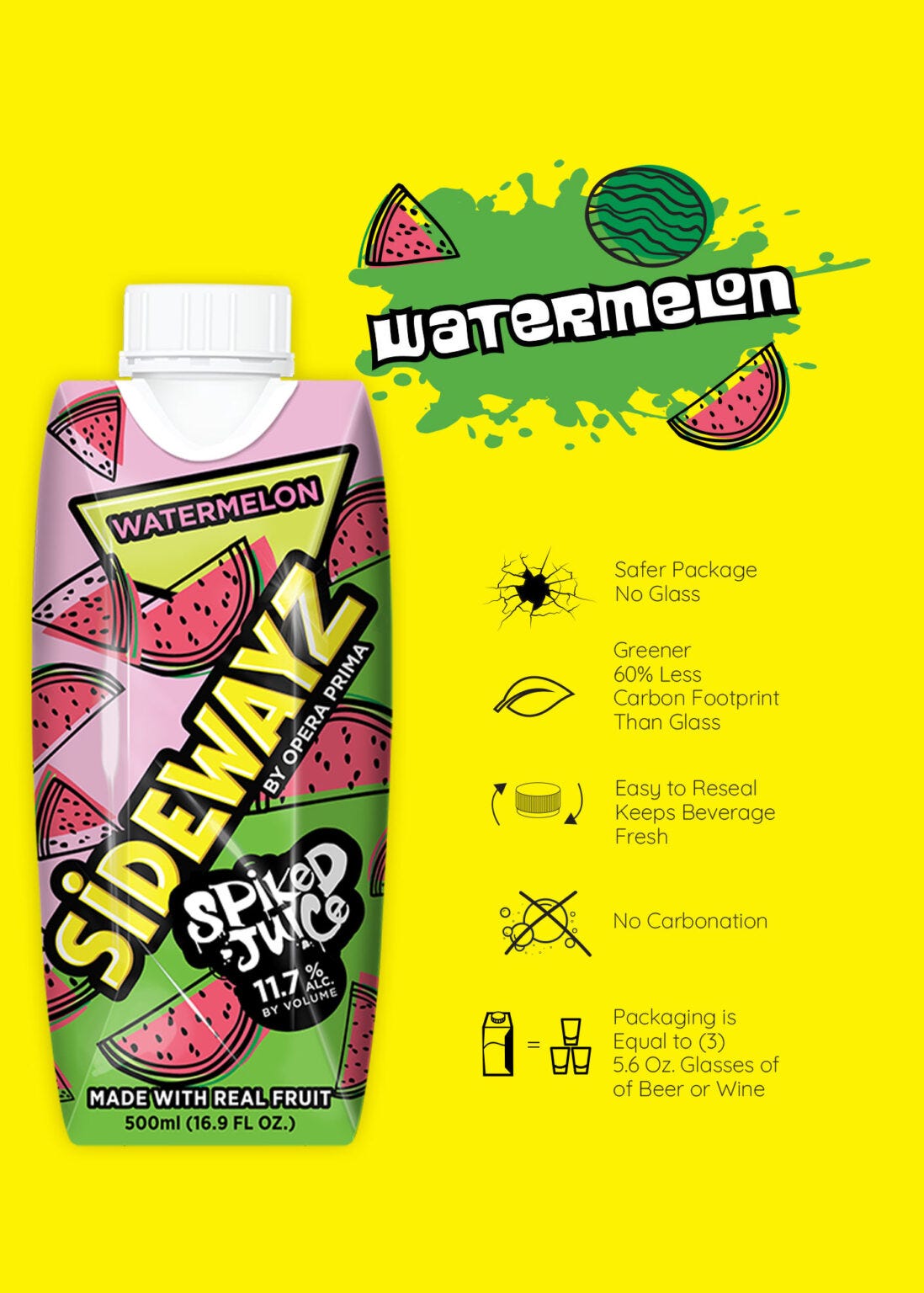
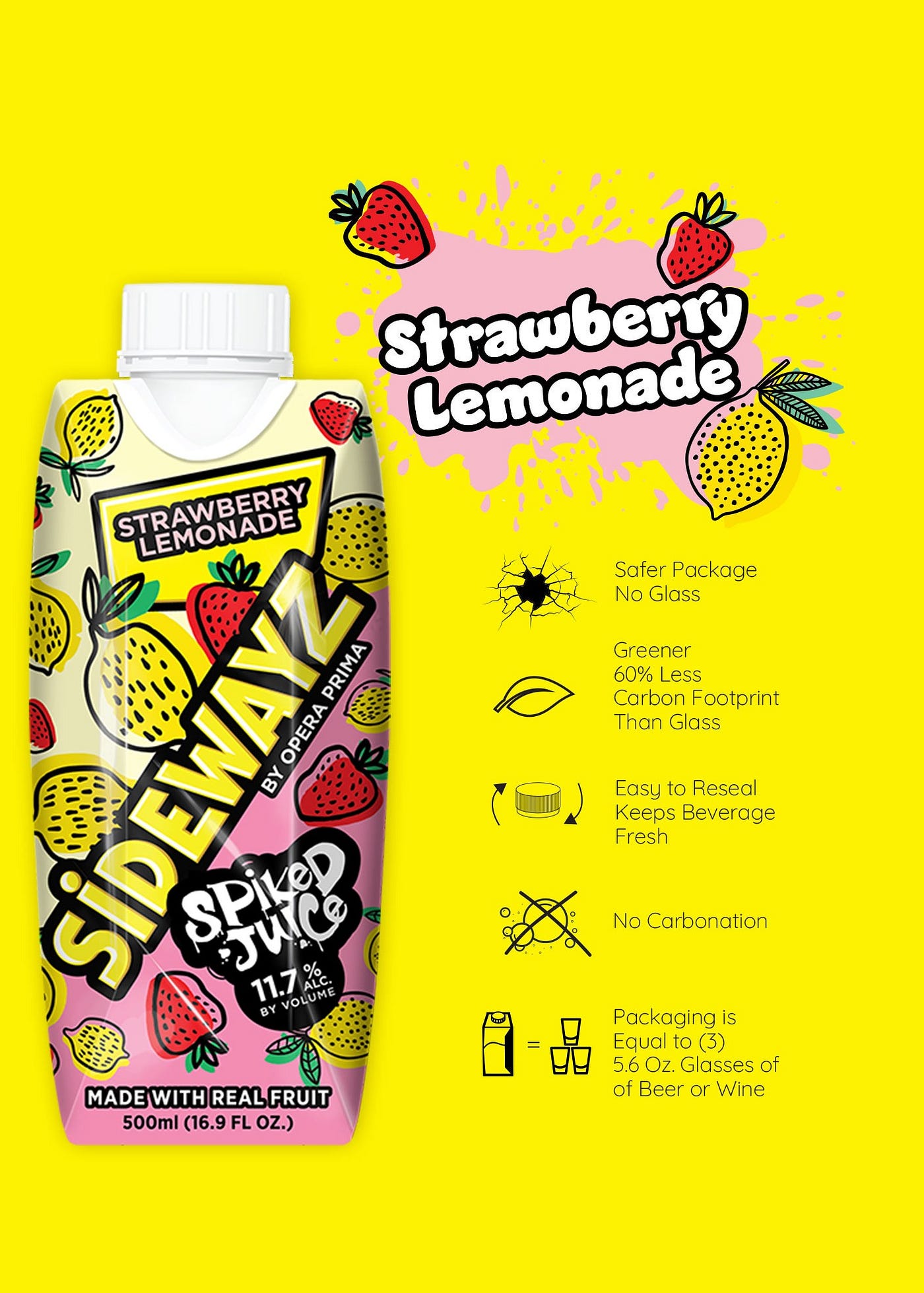
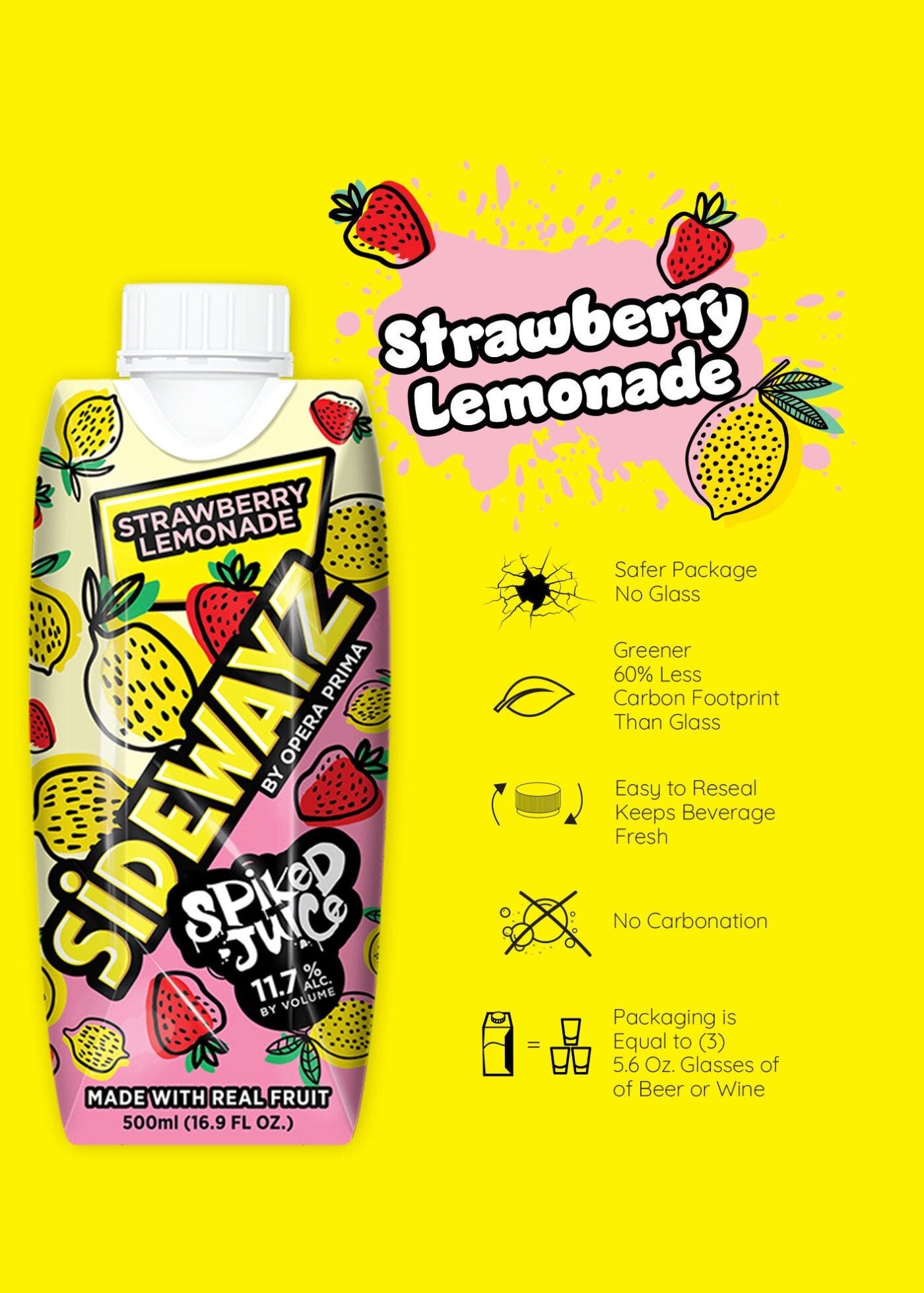
There’s a quiet shift happening in the ready-to-drink beverage space. Not dramatic, not overnight — but consistent. People are moving away from the aggressively carbonated, artificially sweet hard seltzers that defined the last few years, and gravitating toward something that feels more grounded. More real. That’s exactly where Sidewayz spiked juice lands.
This isn’t just a trend article. It’s a breakdown of why spiked juice as a category is gaining serious traction, what makes a good one worth drinking, and why the difference between a quality product and a mediocre one matters more than most people realize.
Why Hard Seltzers Started Losing Ground
Hard seltzers were everywhere for a reason. Light, low-calorie, easy to drink. But somewhere in that formula, flavor got deprioritized. Too many brands leaned on artificial sweeteners and vague “hint of citrus” marketing that left people underwhelmed after the first can.
The problem wasn’t carbonation. It wasn’t even the alcohol content. It was the absence of real taste. When your drink tastes like sparkling water with a label, repeat purchases dry up fast.
Consumers started asking a simple question: can something alcoholic actually taste good without being a cocktail that takes ten minutes to make?
What Spiked Juice Actually Solves
The answer that category is providing is yes.
Sidewayz spiked juice sits at an intersection that’s harder to execute than it looks. Juice-forward flavor profiles are naturally more complex — they carry sweetness, acidity, and body that carbonated water simply can’t replicate. When you spike a juice base rather than plain water, you’re working with a flavor foundation that already holds up on its own.
That matters because it changes the drinking experience entirely. You’re not masking alcohol with artificial flavoring. You’re building on something that already has depth.
This is where a lot of brands in this space either get it right or fall apart. Juice-based RTDs can go wrong fast if the sugar balance is off, if the alcohol source clashes with the fruit profile, or if the juice percentage is so low it’s essentially marketing fiction. A drink that says “made with real juice” but contains 2% juice isn’t solving anything.
The Mechanics of Getting It Right
Alcohol Source Matters More Than People Think
Most consumers don’t look at what’s actually generating the alcohol in their canned drink. That’s understandable — it’s not front-of-label information. But it makes a significant difference in flavor and how the drink feels going down.
Malt-based, sugar-based, and fermented cane sources all interact differently with fruit flavors. Some add a metallic edge. Some introduce a heaviness that fights the juice profile. Getting a clean, neutral alcohol base that lets the juice lead — that’s a formulation decision that separates serious producers from commodity brands.
Sugar Balance Is a Tightrope
Juice is naturally sweet. Add alcohol, and you’re already dealing with a product that has competing flavor intensity. Go too sweet and it becomes cloying after half a can. Go too dry and you lose the juice character entirely.
The brands that get this right are calibrating carefully — not just to hit a macro number on the nutrition label, but to make something that stays drinkable through the entire can. That’s a much harder target than people assume from the outside.
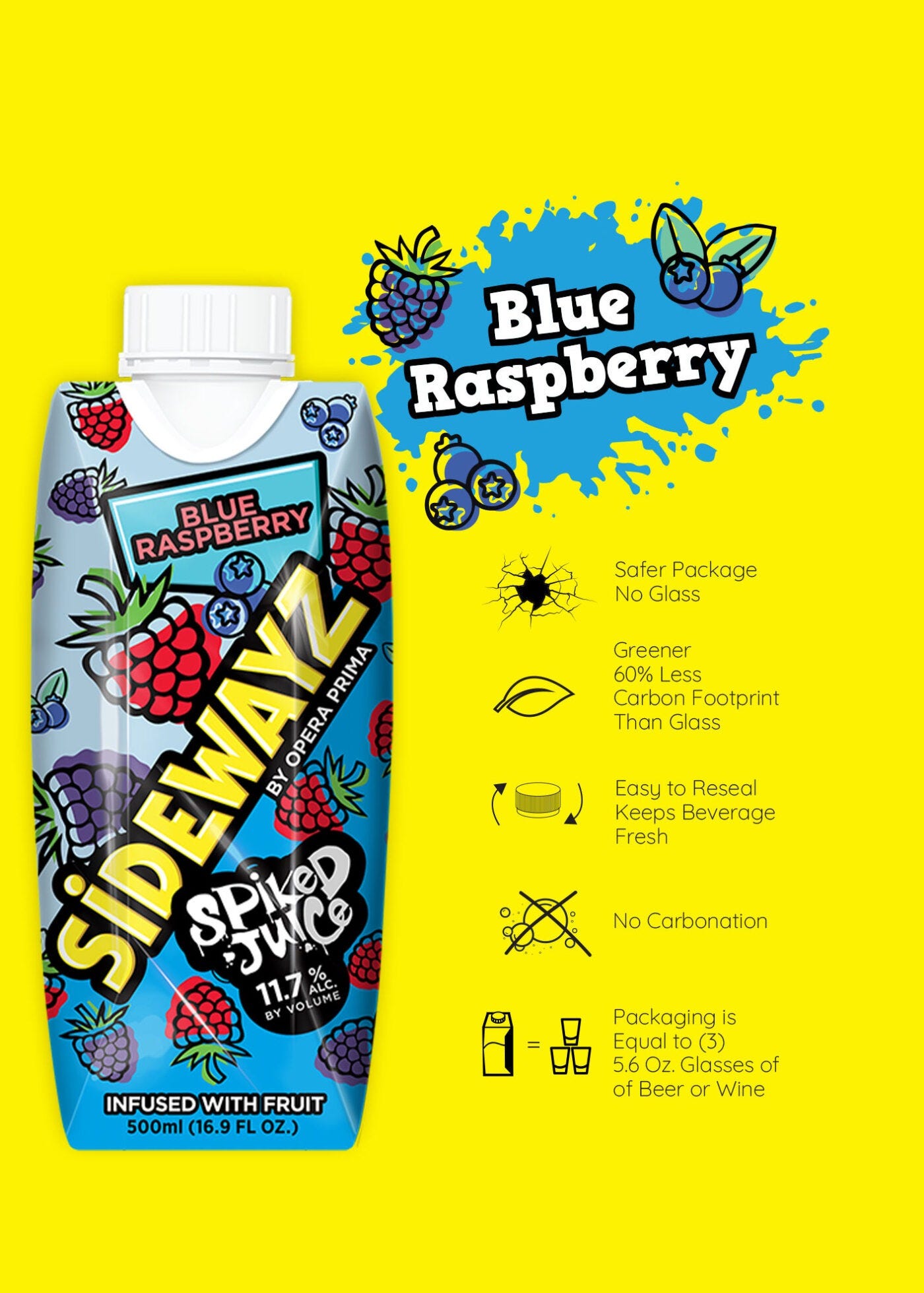
Portability Without Compromise
One underrated aspect of the RTD juice space is that the format demands the product perform at room temperature, cold, over ice, and everywhere in between. Unlike a freshly poured cocktail that’s optimized for one moment, a canned drink has to hold its own across variable conditions.
Sidewayz spiked juice is built for exactly that kind of flexibility — drink that works at a backyard gathering, a beach cooler, or a casual evening without needing prep or pairing thought.
What the Market Is Actually Responding To
The growth in juice-based alcoholic beverages isn’t random. It maps directly to how drinking habits have shifted among adults who want something that fits into real life without requiring a full cocktail setup or a high ABV commitment.
A few things are driving it:
Flavor authenticity is now an expectation, not a bonus. People have been burned by too many disappointing seltzers. They’re reading labels more carefully and making decisions based on actual ingredient quality, not just branding aesthetics.
Sessionability matters. Lower-ABV options in a juice format let people drink at a pace that fits social situations without escalating quickly. That’s practical, not just a health trend.
Occasion flexibility. A spiked juice fits afternoon gatherings, evening events, casual Fridays, outdoor activities — it doesn’t signal a specific occasion the way wine or spirits might. That versatility has real consumer value.
What Professionals in the Beverage Industry Watch For
When a new RTD brand enters the market, the things that get scrutinized early aren’t the branding or the social presence. It’s the liquid itself.
Does the juice character survive after sitting in the can for weeks? Some fruit profiles oxidize or fade. The best formulations account for shelf stability without leaning on preservatives that change the taste.
Does the product work across temperature ranges without developing off-notes? This is a quality control question that gets answered through testing, not hope.
Is the ABV positioned correctly for the flavor profile? A 6% drink in a juice base hits differently than a 4% version, and brands that get that calibration wrong create a product that feels unbalanced without consumers being able to articulate exactly why.
These are the details that distinguish a brand with staying power from one that moves a few initial units and fades.
FAQ
What makes spiked juice different from a standard hard seltzer? The base. Spiked juice uses actual fruit juice as its foundation rather than carbonated water. That changes the flavor complexity, the mouthfeel, and the overall drinking experience significantly.
Is spiked juice higher in calories than hard seltzer? Generally, yes. Juice contains natural sugars that contribute calories beyond what’s in plain sparkling water. However, the trade-off is genuine flavor rather than artificial flavoring added to a near-zero base.
How should spiked juice be stored? Canned RTDs are shelf-stable before opening, but like most beverages, they’re best consumed cold. Refrigerating before drinking generally produces the best flavor experience.
Can spiked juice be used in cocktails or mixed drinks? Absolutely. The juice base makes it a natural mixer or a standalone drink depending on the occasion. It pairs well with ice and can extend into simple punches or low-effort cocktails without losing its character.
What ABV range is typical for spiked juice products? Most Sidewayz spiked juice and similar products fall in the 4–6% ABV range, which positions them similarly to most beers and hard seltzers. It’s designed for sessionable drinking, not high-ABV impact.
Does real juice in a canned drink affect shelf life? It can, which is why formulation matters. Quality brands account for this during development, ensuring the juice-forward profile remains consistent through the product’s shelf life without relying on artificial stabilizers that compromise taste.
Is spiked juice suitable for people avoiding beer or gluten? Depending on the alcohol source, yes. Many juice-based RTDs use cane sugar fermentation rather than malt, making them naturally gluten-free. Always worth checking the label if that’s a concern.
Where This Category Is Headed
The RTD market keeps maturing, and the brands that survive long-term are the ones that built around a real product rather than a trend. Juice-based spiked beverages have staying power because they solve a genuine problem — people want something flavorful, convenient, and honest about what’s in the can.
The noise in this space will thin out. What remains will be the products that actually delivered on taste from day one.
메타데이터
- post_id
- ff892ce10a4e
- slug
- the-real-story-behind-spiked-juice-that-actually-tastes-like-something-ff892ce10a4e
- url
- https://medium.com/@sidewayz/the-real-story-behind-spiked-juice-that-actually-tastes-like-something-ff892ce10a4e
- canonical_url
- https://medium.com/@sidewayz/the-real-story-behind-spiked-juice-that-actually-tastes-like-something-ff892ce10a4e
- author_url
- https://medium.com/@sidewayz
- status
- ok
- fetched_at
- 2026-06-13 07:35:29