Is Eating One Meal a Day (OMAD) Safe and Effective?
Everything you need to know about the extreme intermittent fasting trend that involves fasting for 23 hours a day.
Is Eating One Meal a Day (OMAD) Safe and Effective? A Complete Guide to Benefits, Risks, and Weight Loss Results
Everything you need to know about the extreme intermittent fasting trend that involves fasting for 23 hours a day.
By Joelynn Koh | JK And Annie SG Homes
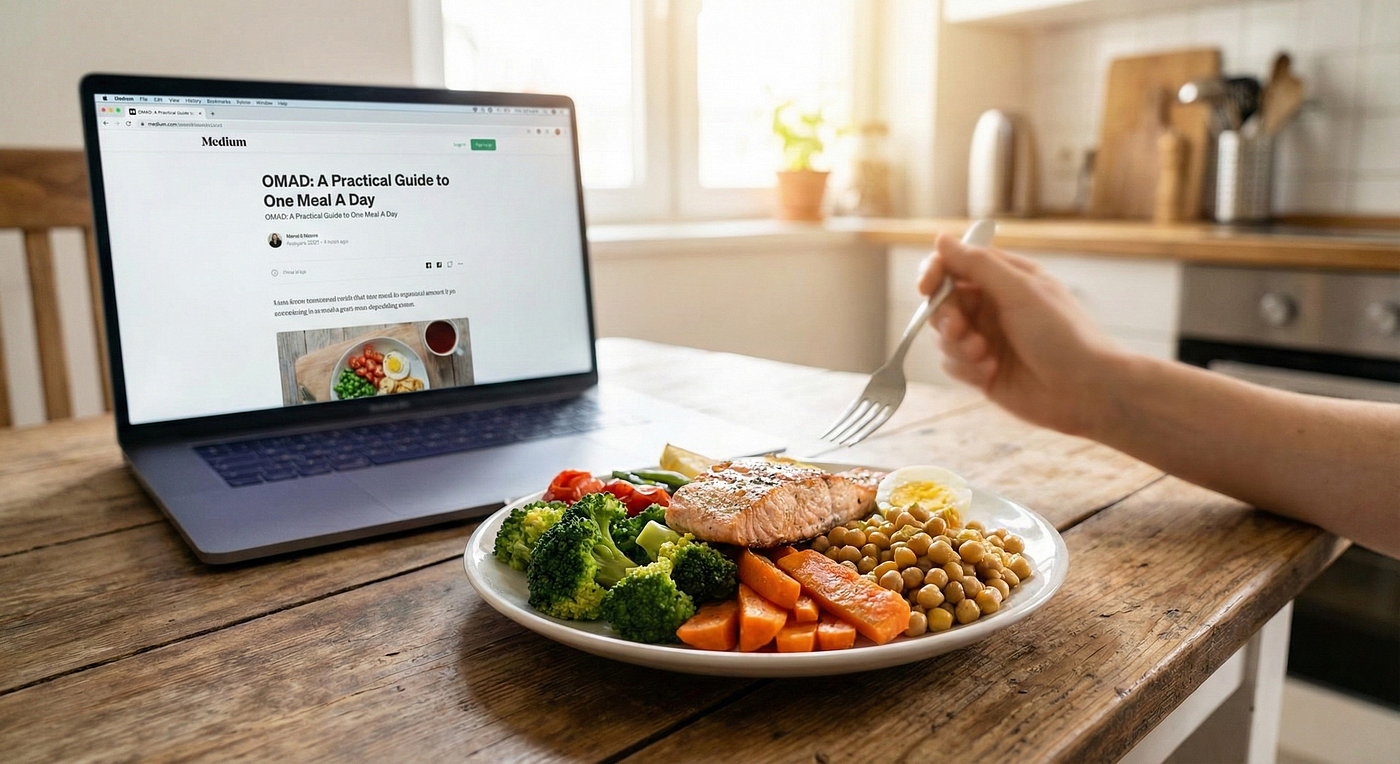
If you have explored the world of weight loss recently, you have likely encountered Intermittent Fasting (IF). But there is a version of fasting that takes the concept to the extreme: One Meal a Day, commonly known as OMAD.
Proponents claim it melts fat, sharpens the mind, and simplifies life. Critics warn of nutrient deficiencies and metabolic damage. So, what does the science say? Here is a deep dive into the pros, cons, and safety concerns of eating just once every 24 hours.
What Is the OMAD Diet?
The OMAD diet is exactly what it sounds like. It is a strict form of intermittent fasting where you fast for 23 hours and consume all your daily calories in a single one-hour window.
Unlike the popular 16/8 method (16 hours fasting, 8 hours eating), OMAD is much more restrictive. The goal is to manipulate how your body utilizes fuel. When you eat frequently, your energy comes from the food you just consumed. When you stop eating for extended periods, your body produces less insulin. As insulin drops, your fat cells are signaled to release energy to compensate.
While some variations allow for light snacking, the strict version means consuming zero calories during the fasting window,.
The Potential Benefits: Why Do People Do It?
Research on intermittent fasting is generally promising, and OMAD enthusiasts often cite several key benefits supported by how the body reacts to fasting.
1. Weight Loss and Fat Burning
The primary driver for OMAD is weight loss. By restricting your eating window to one hour, you naturally create a calorie deficit because it is physically difficult to consume a full day’s worth of calories in one sitting,.
• Fat Loss: Participants in studies who ate one meal a day ended up with less total body fat.
• Plateau Breaking: For those who have hit a weight loss plateau, this method may speed up the process by increasing fat oxidation.
2. Metabolic Improvements
Fasting can improve how your body handles sugar. In a study of adult men with prediabetes and obesity, a 6-hour eating window followed by 18 hours of fasting improved blood sugar levels. Additionally, prolonged caloric restriction can promote insulin sensitivity, which is linked to a lower risk of diabetes.
3. Cellular Repair (Autophagy)
When you fast, your body may enter a state of “autophagy,” a mechanism where the body cleans out damaged cells and recycles them for repair. This process is believed to help prevent diseases linked to impaired cellular function and may strengthen the immune system.
4. Increased Alertness
While many fear the “brain fog” of hunger, some find the opposite occurs. Fasting during daylight hours triggers the release of a chemical called orexin-A, which can make you feel more alert.
The Risks and Downsides: The “Ugly” Side of OMAD
While the benefits sound appealing, the OMAD diet is classified as an extreme regimen, and the risks are significant.
1. Hunger and Sustainability
The most obvious side effect is extreme hunger. When you switch to one meal a day, your body produces more ghrelin, the “hunger hormone”,. This makes the diet incredibly difficult to sustain, with dropout rates for intermittent fasting regimens reaching up to 65%.
2. Nutrient Deficiencies
Trying to cram all your essential nutrients — protein, fiber, vitamins, and minerals — into a single meal is physically challenging. If you aren’t careful, you may not get the calories or nutrients your body needs to thrive, leading to low energy, dizziness, and irritability,.
3. Cardiovascular and Cholesterol Concerns
Surprisingly, eating less often might not always be better for your heart.
• Cholesterol Spikes: In a study of healthy adults, switching to one meal a day actually increased blood pressure and LDL (“bad”) cholesterol,.
• Mortality Risk: A 2022 study found that eating one meal a day was associated with an increased risk of death from cardiovascular disease and death from any cause.
4. Blood Sugar Volatility
For people with diabetes, OMAD can be dangerous. Fasting increases the risk of hypoglycemia (extremely low blood sugar). Conversely, eating one massive meal can cause blood sugar to spike significantly, and the body may be less able to handle that sudden load of sugar compared to smaller, spread-out meals.
Advanced Variations: OMAD Every Other Day
Some health advocates, such as Dr. Eric Berg, suggest a variation: OMAD Every Other Day. This combines the 23:1 fasting schedule with alternate-day fasting.
In this protocol, you eat one meal one day, and then wait until the next day to eat your one meal (essentially eating one meal every two days).
• Why try this? It is pitched as a way to drastically boost weight loss for those with slow metabolisms and to reduce liver fat,.
• The Caveat: This is even more restrictive and difficult to sustain than standard OMAD. Dr. Berg advises gradually transitioning to this by first mastering the 16:8 schedule, then standard OMAD, before attempting the alternate-day version.
What Should You Eat on OMAD?
If you decide to try OMAD, the quality of your one meal matters immensely. You cannot simply eat fast food and expect health results.
Focus on Nutrient Density
Your plate should include:
• Healthy Fats: Avocados, olive oil, and nuts.
• Proteins: Chicken, fish, eggs, or tofu.
• Vegetables: Kale, broccoli, and peppers for fiber and vitamins.
Low-Carb and Keto Compatibility
Many proponents suggest combining OMAD with a Keto or low-carb diet. High-carb meals can spike insulin, which stops the fat-burning process (ketosis). By sticking to healthy fats and proteins, you may maintain ketosis and reduce cravings,.
Foods to Limit
Avoid highly processed foods like pizza, chips, and sugary baked goods. These calorie-dense foods offer little nutritional value and can lead to weight gain and increased disease risk in the long run,.
Is It Safe? Who Should Avoid OMAD?
For most healthy people, there are no immediate serious dangers other than discomfort. However, OMAD is not safe for everyone.
You should likely avoid this diet if you fall into these categories:
• Pregnant or Breastfeeding: You require higher caloric intake for fetal growth and milk production.
• Children and Teens: Growing bodies need constant energy.
• People with Diabetes: Due to risks of hypoglycemia and insulin spikes,.
• Eating Disorders: The restrictive nature of OMAD can trigger binge eating or disordered eating patterns,.
• Seniors: Older adults may struggle to maintain muscle mass with such restricted eating.
The Bottom Line
The OMAD diet is a high-risk, high-reward strategy. While it may help burn fat and improve metabolic markers for some, it is no more effective than traditional calorie reduction for weight loss and comes with higher risks of hunger, nutrient deficiency, and cardiovascular strain.
For sustainable health, most experts recommend less extreme methods, such as the 16/8 intermittent fasting plan or a balanced, nutrient-dense diet spread over two or three meals.
[embed]
Disclaimer: This article is for informational purposes only and does not constitute medical advice. The safety and effectiveness of any weight-loss plan are unique to each person. Always consult a qualified healthcare professional before starting a new diet, especially extreme fasting regimens like OMAD, to ensure it is safe for your specific health conditions and needs.
OMAD #KETO #Intermittenfasting #healthadvice #Autophagy
메타데이터
- post_id
- ff8cb890f5b4
- slug
- is-eating-one-meal-a-day-omad-safe-and-effective-ff8cb890f5b4
- url
- https://medium.com/@joelynnKohJiacYun/is-eating-one-meal-a-day-omad-safe-and-effective-ff8cb890f5b4
- canonical_url
- https://medium.com/@joelynnKohJiacYun/is-eating-one-meal-a-day-omad-safe-and-effective-ff8cb890f5b4
- author_url
- https://medium.com/@joelynnKohJiacYun
- status
- ok
- fetched_at
- 2026-06-28 10:39:35