Blower Door Testing Explained: What Homeowners Should Know
Blower door testing is an essential step in evaluating the energy efficiency of a home. It measures how airtight a house is, pinpointing…
Blower Door Testing Explained: What Homeowners Should Know
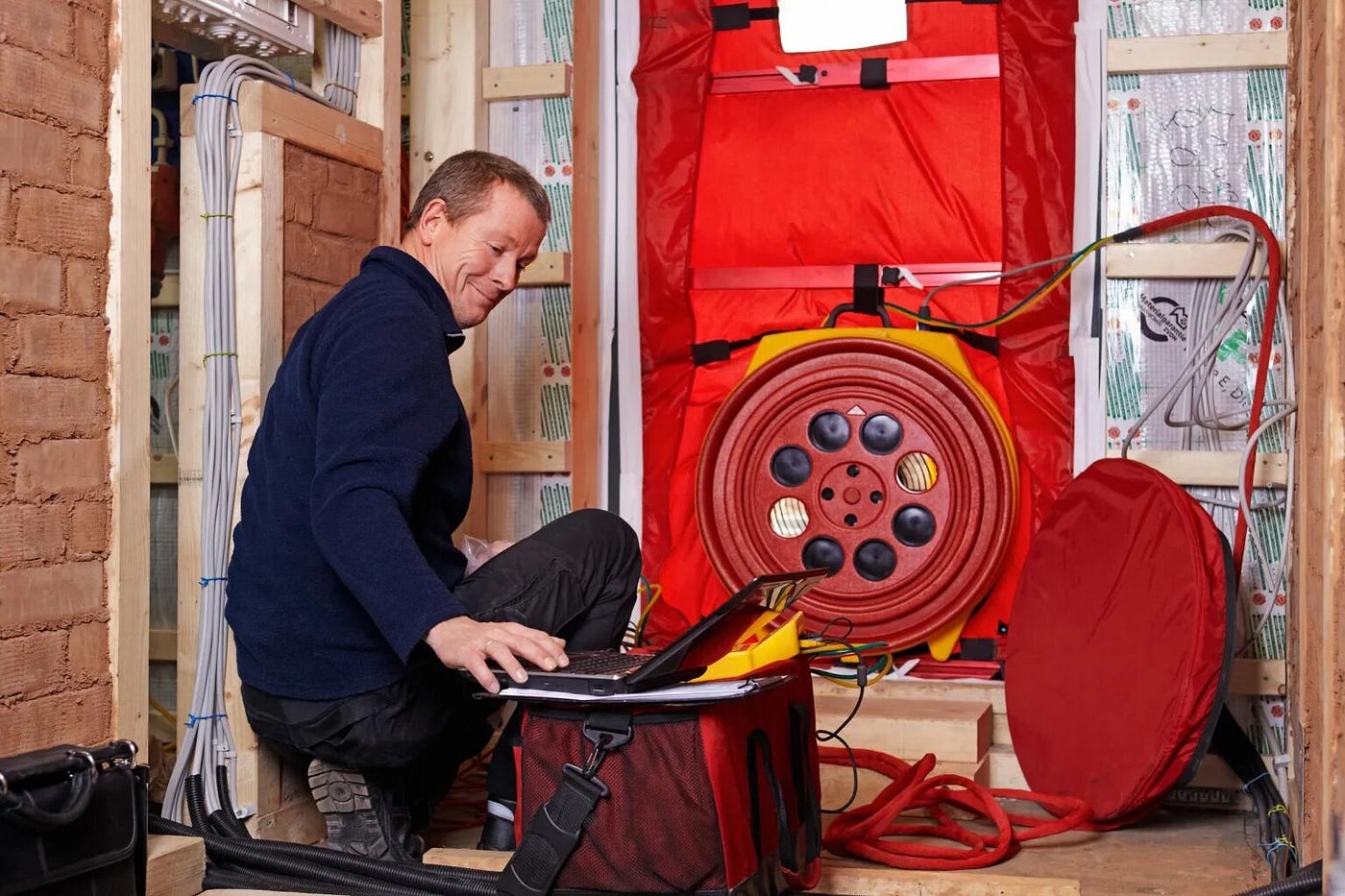
**Blower door testing** is an essential step in evaluating the energy efficiency of a home. It measures how airtight a house is, pinpointing air leaks that may increase energy consumption and reduce indoor comfort. For homeowners in Tampa, Florida, understanding blower door testing can provide valuable insights into improving energy performance and reducing utility bills.
Whether you are in Tampa or in other areas, such as in Hernando County, Pasco County, Manatee County, Hillsborough County, Pinellas County, or even in the Tampa Bay, you will know what a blower door testing is for to make you aware of your decision pertaining to your property.
What is Blower Door Testing?
Blower door testing is a diagnostic procedure used to find air leaks in a building. It involves the mounting of a powerful fan in an exterior doorway which is used in creating a pressure differential between the inside and outside of the home. This way, the technician can find leaks and assess the airtightness of the home.
Blower door testing allows homeowners to identify areas of energy loss through gaps in insulation, poor seals around windows, and other vulnerabilities.
Why Airtightness Matters?
1. Energy Efficiency
A non-airtight house requires more energy to maintain a warm indoor climate. Air leaks make the HVAC system work harder, thereby increasing energy consumption.
2. Comfort
Drafts from leaks could make temperatures inconsistent, so one room might be too hot and another too cold. Blower door testing identifies these problem areas to ensure consistent comfort inside your home.
3. Indoor Air Quality
Dust, pollen, and other allergens enter the house through the air leaks. An airtight home reduces outside pollutants infiltration into the inside, which improves indoor air quality.
4. Environmental Impact
Air leakage is minimized, and the carbon footprint of the home is reduced because of a reduction in energy consumption.
How Do Blower Door Tests Work?
Step 1: Installing the Blower Door
The blower door is actually a fan, a frame, and a flexible panel with an exterior doorway. The technician installs this and seals any remaining gaps.
Step 2: Pressurizing or Depressurizing the Home
The fan creates a pressure differential which sucks it in or pushes it out. Leaks are indicated where the air is leaving or entering
Step 3: Leaky Equipment Detection
A professional technician uses a smoke pen, thermal imaging camera, or hand-held sensor to detect and measure leaks.
Step 4: Interpreting Results
The data collected from the test provides an accurate measurement of air leakage rate of the house, otherwise known as ACH or Air Changes per Hour.
Indicators That Your House Requires a Blower Door Test
High Energy Bills Than Others
If your energy bills are unexpectedly high, air leaks may be to blame. Blower door testing can help locate these issues.
Hot or Cold Spots
Rooms which are warmer or cooler than others show signs of low insulation or leaks.
Intrusive Draft
If you have drafts in the dwelling even when doors and windows are closed, then your dwelling has air leaks.
Temperature Difficulty
A leaky HVAC system may be indicating that conditioned air can easily leak out through gaps in your home.
Advantages of Blower Door Testing
1. Cost Savings
Blower door testing will point out the areas in which energy is being wasted and thereby help target the repairs. Long-term, it saves money for the owners in terms of heating and cooling.
2. Comfort
Sealing up the leaks and improving the insulation of your house keeps indoor temperatures constant.
3. Increased Resale Value
Energy-efficient houses are attractive to homebuyers. The blower door test report can become proof for your house as an energy-efficient house.
4. Informed Upgrades
Blower door testing provides information for future upgrades of insulation or sealing.
Typical Leaks
- Windows and Doors
- Even the most carefully installed windows and doors leak over time. The blower door test will identify those areas.
- Attics and Roofs
- Heat rises, and the attic is one of the most common locations for leaks. Badly insulated conditions exacerbate this situation.
- Electric Outlets
- Outlets and light switches can leak air in if they are not sealed.
- HVAC Ducts
- Duct leaks make your HVAC system less efficient and increase your energy usage.
Blower Door Testing and Energy Codes
For Tampa and all of Florida, new builds or major remodels are typically required to have blower door testing to meet energy codes. Ensuring the codes get met always helps homeowners since it:
- Confirms an increase in energy efficiency.
- Complies with requirements on building permits.
- Qualifies the owner for rebates or incentives on energy efficiency
- While some DIY solutions are available, professional blower door testing offers:
- Accuracy: Technicians use specialized tools to gather accurate data.
- Complete Analysis: A professional test will have a comprehensive report on air leakage and recommendations for improvement.
- Expertise: Trained professionals will be able to spot less apparent leaks and give the right fixes for them.
Blower Door Testing for Coastal Homes
- Blower door testing becomes very beneficial for homes in Tampa or anywhere close to the coastline such as Hernando County, Pasco County, Manatee County, Hillsborough County, Pinellas County, and Tampa Bay because the coastal climates often include:
- Higher Humidity: A leak in the envelope of the home may allow moisture to penetrate into the home, potentially creating mold and mildew issues.
- More Storms: Sealing an envelope seals it better to withstand powerful wind and rain forces.
Frequently Asked Questions About Blower Door Testing
Q: How long does a typical blower door test take?
A: Typically 1–2 hours depending upon the size of the house.
Q: Can a blower door test be done on older houses?
A: The older the house, the better it will do in testing because old houses are more likely to have air leaks.
Q: Is blower door testing noisy?
A: Very noisy by the fan alone, but only during the test.
Q: Do I need to get my home ready for the test?
A: Prior to testing, close all your doors and windows, and make sure to turn off all your HVAC systems.
Q: Will blower door testing make my house more energy efficient immediately?
A: It shows that the test itself has issues. Then work based on this test makes it more effective.
Conclusion
Blower door testing is an excellent tool for homeowners who want to boost energy efficiency, comfort, and cost-saving measures. For those living in Tampa, Florida, and surrounding areas, this diagnostic process can bring great opportunities to improve a home.
**On The Mark Spray Foam Insulation **offers professional-grade blower door testing specific to the needs of Tampa homeowners. For your blower door test and the first step to an energy-efficient home, reach out to their team at (813) 921–0444.
메타데이터
- post_id
- ffa5d2d5d5eb
- slug
- blower-door-testing-explained-what-homeowners-should-know-ffa5d2d5d5eb
- url
- https://medium.com/@yjbbyrsnvk/blower-door-testing-explained-what-homeowners-should-know-ffa5d2d5d5eb
- canonical_url
- https://medium.com/@yjbbyrsnvk/blower-door-testing-explained-what-homeowners-should-know-ffa5d2d5d5eb
- author_url
- https://medium.com/@yjbbyrsnvk
- status
- ok
- fetched_at
- 2026-06-29 01:02:39