Construction Cost Factors in Waikato
Construction costs in Waikato are shaped by more than square metre rates. Developers, investors, architects and project managers need to…

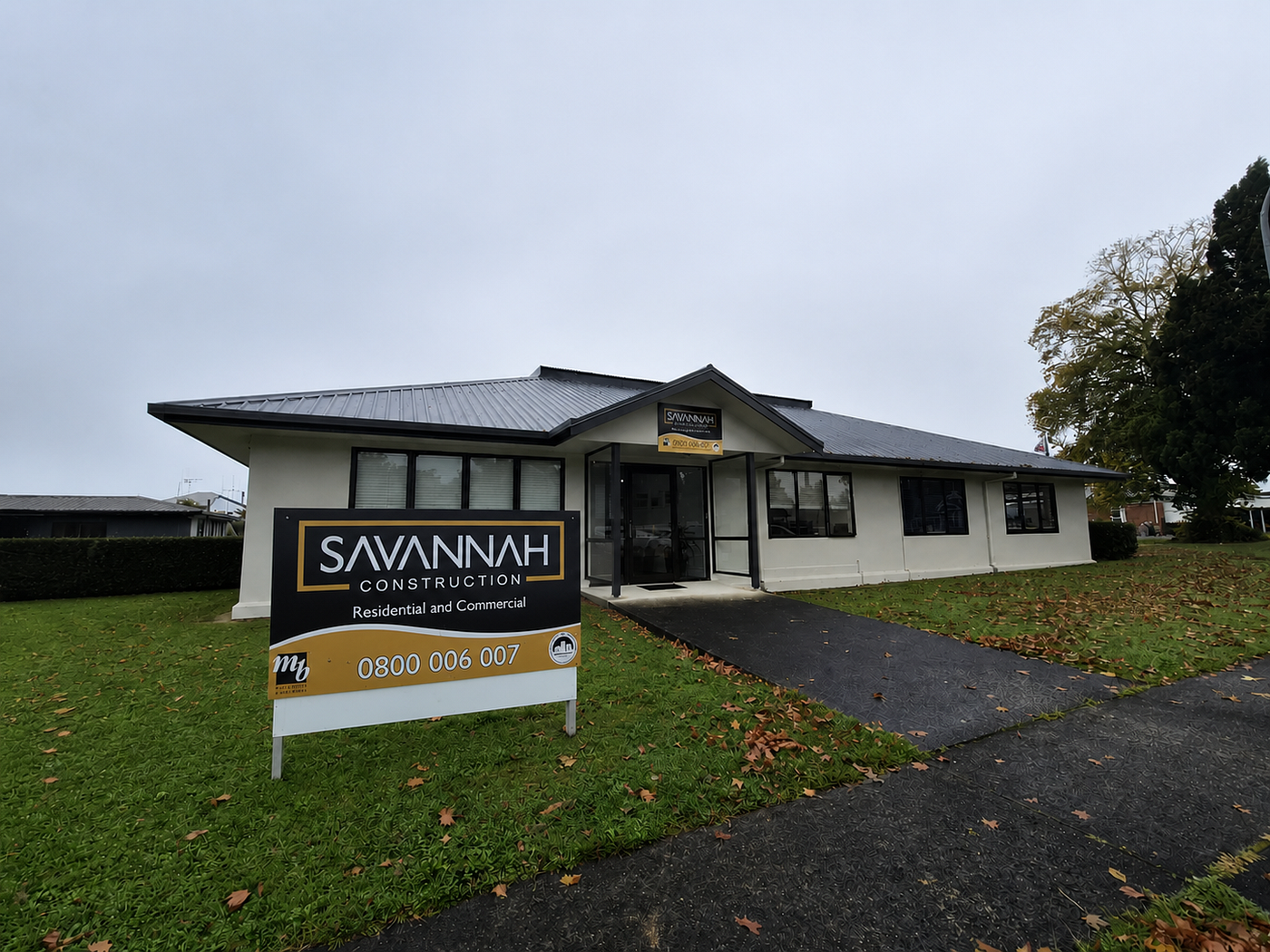
Savannah Construction, Commercial Construction Company Waikato
Construction Cost Factors in Waikato
Construction costs in Waikato are shaped by more than square metre rates. Developers, investors, architects and project managers need to understand what drives cost before they commit to a commercial or multi-unit residential project. A budget that looks tidy at concept stage can change quickly once design detail, site conditions and procurement are tested.
For Commercial Construction Waikato, the best cost control comes from early clarity. The more complete the scope, drawings and programme are, the easier it is to price risk properly.
Main Cost Drivers in Commercial Construction Waikato
Commercial projects usually involve structure, envelope, services, fire systems, acoustic systems, internal fit-out, access, temporary works and compliance. Each part can affect cost, especially when the design is still moving.
The main cost drivers include ground conditions, foundations, structural steel, timber framing, cladding, roofing, glazing, linings, doors, hardware, services, scaffolding, cranage, labour availability and programme pressure. For multi-unit projects, repeated details can help reduce cost, but repeated mistakes can increase it.
Savannah Construction works with project teams to identify practical construction risks that may affect cost, especially in commercial carpentry, framing, linings, fit-out and multi-unit residential work.
Site Conditions and Ground Risk
The site can create cost before the building starts. Ground conditions, drainage, retaining, contaminated material, access limitations, existing services and neighbouring buildings all affect the budget.
A flat site with good access will usually be easier to build than a tight urban site with limited laydown space. A site with unknown services or poor ground may need more investigation before the cost can be trusted.
Common Mistake: Under-Allowing for Site-Specific Work
Generic allowances can be dangerous. Two buildings with similar floor areas can have very different costs if the sites are different. Developers should avoid relying only on broad rates without checking the actual conditions.
Design Complexity
Simple, repeatable design is usually easier to build. Complex shapes, custom details, unusual materials, tight tolerances and difficult junctions add time and cost.
Architectural quality matters, but complexity should be deliberate. A feature detail may be worth the cost in a public area. The same level of complexity may not be needed in back-of-house areas, service spaces or repeated unit interiors.
A practical design review can identify where the project should spend money and where simpler details would achieve the same result.
Materials and Procurement
Materials affect cost through purchase price, availability, wastage, storage needs and installation time. A product that appears cost-effective may become expensive if it has a long lead time, needs specialist installers or creates more waste.
Key items to review early include structural steel, framing timber, cladding, roofing, windows, fire-rated products, acoustic systems, plasterboard, doors, hardware, joinery and feature finishes.
In Waikato projects, supply may involve Hamilton, Cambridge, Auckland, Tauranga or national distributors. Procurement should be part of the programme, not an afterthought.
Labour and Programme Pressure
Labour is a major cost factor. A realistic programme allows trades to work efficiently. A compressed programme may require more labour, after-hours work, extra supervision or resequencing. This can increase cost and reduce quality if not managed carefully.
The cheapest labour plan is not always the best one. If the crew is too small, the project may drag. If the crew is too large for the site, workers can get in each other’s way. The right answer depends on site access, work fronts, sequencing and trade coordination.
Variations and Scope Gaps
Variations are not always caused by contractors. They often come from incomplete documentation, design changes, client decisions, hidden conditions or unclear scope between trades.
Developers should expect some change, but they should not let change become uncontrolled. Every variation should record the cause, cost, time impact and approval. Verbal instructions create problems later.
Practical Step: Review Exclusions Carefully
Exclusions are just as important as inclusions. If scaffolding, protection, temporary works, access equipment, fire stopping or after-hours work is excluded, the project may still need it. Someone will pay for it eventually.
Compliance and Quality Requirements
Fire, acoustic, accessibility and durability requirements can add cost, especially in commercial and multi-unit buildings. These systems need correct products, correct installation and proper records.
Trying to save money by weakening compliance details is a false economy. Rework, failed inspections and code compliance delays can cost more than doing the work properly from the start.
Practical Cost Control Checklist
· Price from complete drawings where possible.
· Review site conditions before relying on broad rates.
· Check exclusions and assumptions.
· Identify long-lead materials early.
· Simplify repeated details where practical.
· Control client selections and late changes.
· Track variations in writing.
· Use a realistic construction programme.
Conclusion
Construction cost control starts before the contract is signed. Developers need clear documentation, realistic allowances, practical design and a contractor who understands how cost is created on site.
For Commercial Construction Waikato, Savannah Construction can help project teams review buildability, labour planning and practical cost risks early. If you are planning a commercial or multi-unit project, speak with Savannah Construction before key cost decisions are locked in.
메타데이터
- post_id
- ffc1b9c3bc0e
- slug
- construction-cost-factors-in-waikato-ffc1b9c3bc0e
- url
- https://medium.com/@savannahconstruction/construction-cost-factors-in-waikato-ffc1b9c3bc0e
- canonical_url
- https://medium.com/@savannahconstruction/construction-cost-factors-in-waikato-ffc1b9c3bc0e
- author_url
- https://medium.com/@savannahconstruction
- status
- ok
- fetched_at
- 2026-07-11 23:22:18