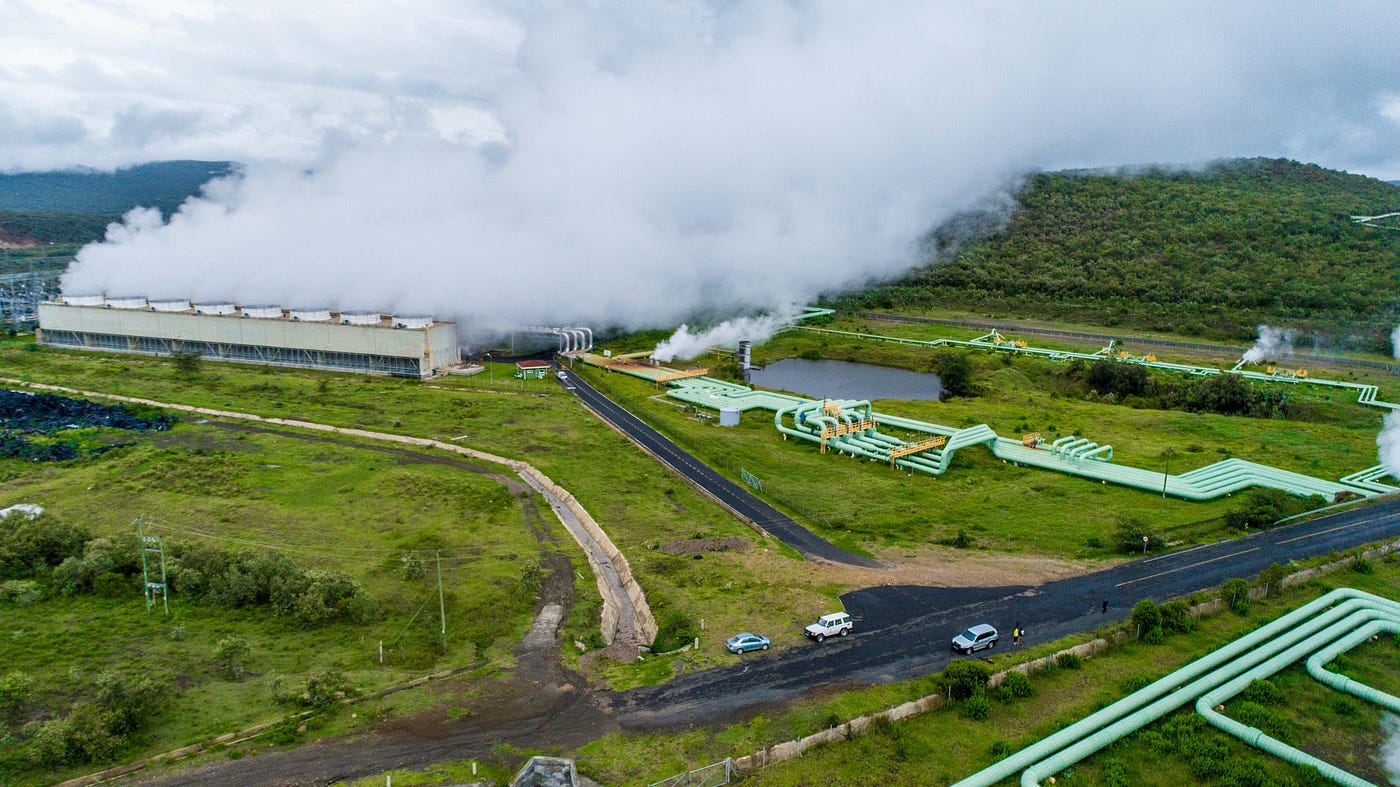
The Refrigerator of the Future
Twice as Efficient, Completely Silent, and Eco-Friendly
The Refrigerator of the Future
Twice as Efficient, Completely Silent, and Eco-Friendly
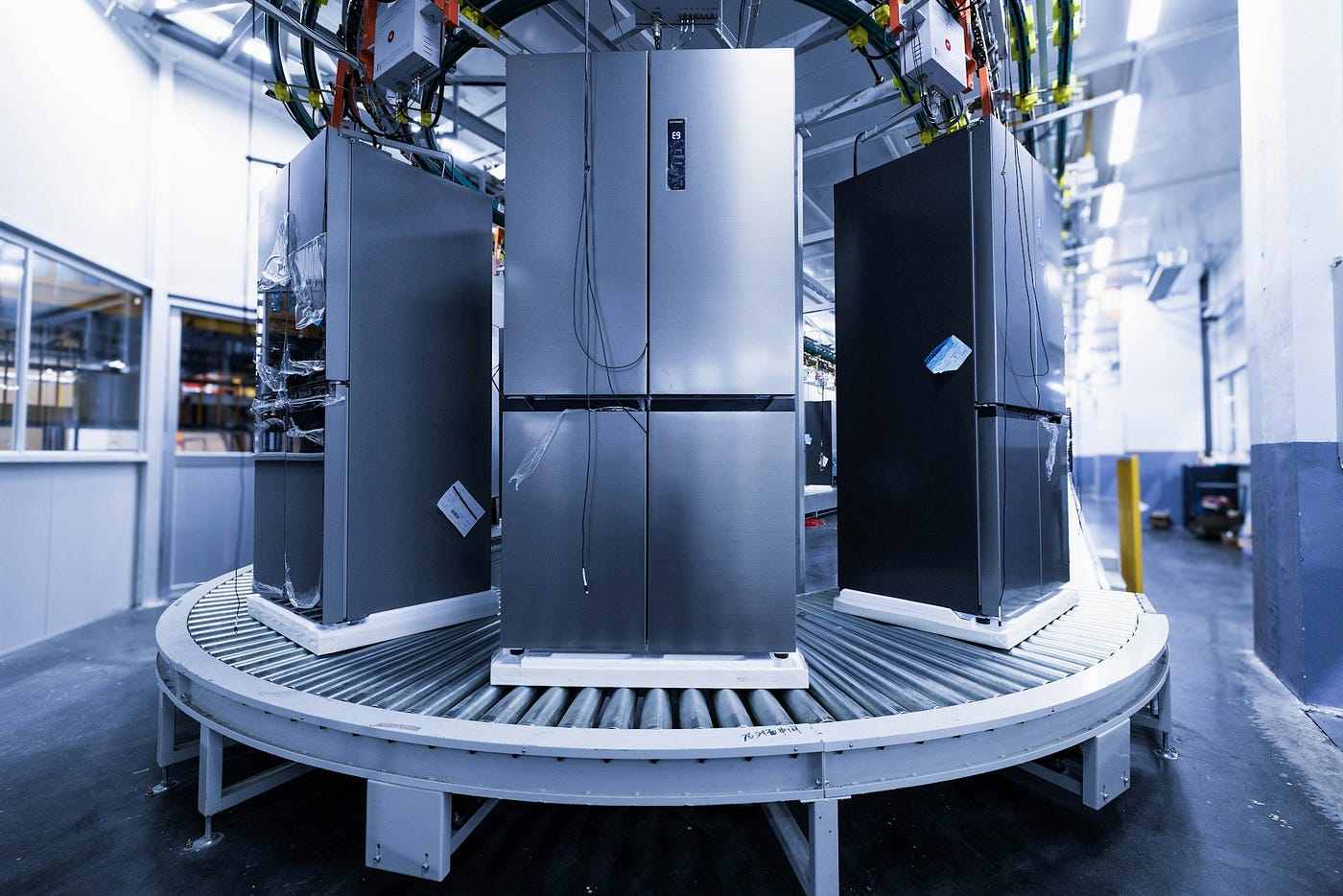
Photo by Homa Appliances on Unsplash
Imagine a refrigerator that is twice as efficient, whisper-quiet, and completely free of harmful refrigerants. Thanks to groundbreaking research at the Johns Hopkins Applied Physics Laboratory (APL) in Laurel, Maryland, this vision is closer than ever. Scientists at APL have developed a new class of thermoelectric materials called CHESS (Controlled Hierarchically Engineered Superlattice Structures), which could transform the way we cool our food, run our data centers, and even manage energy on a global scale.
In collaboration with Samsung Research, APL researchers recently demonstrated how CHESS-based thin films dramatically outperform traditional bulk thermoelectric materials. Published in Nature Communications, their study shows that CHESS materials nearly double the performance of existing thermoelectric cooling systems at room temperature — a benchmark that could usher in a new era of energy-efficient refrigeration.
Why Cooling Needs a Revolution
Cooling technologies are at the heart of modern life. From refrigerators and air conditioners to massive server farms powering the internet, society’s demand for cooling is surging. However, current compressor-based cooling systems:
- Consume significant amounts of electricity.
- Depend on chemical refrigerants that contribute to climate change.
- Are bulky, noisy, and mechanically complex.
This creates a global need for compact, reliable, and eco-friendly cooling systems that can handle the demands of growing cities and digital infrastructure.
The Promise of Thermoelectric Cooling
Unlike traditional systems, thermoelectric cooling works by moving heat with the flow of electrons in semiconductor materials. The advantages are striking:
- No moving parts → Silent and durable operation.
- No refrigerants → Environmentally sustainable.
- Compact design → Ideal for electronics, wearables, and appliances.
The problem? Traditional thermoelectric materials have suffered from low efficiency, making them impractical for large-scale applications.
That’s where CHESS comes in.
CHESS: A Decade of Innovation
The CHESS platform is the result of over ten years of research into nano-engineered thermoelectric materials at APL. Originally developed for national security applications, CHESS thin films now show promise across multiple industries:
- Refrigeration and air conditioning
- Medical cooling therapies (e.g., prosthetics)
- Energy harvesting for next-generation electronics
The breakthrough came when researchers discovered how to engineer superlattice structures — ultra-thin layers of materials arranged at the nanoscale — to maximize the transfer of heat using electrons. This dramatically boosts thermoelectric efficiency compared to bulk materials.
The Breakthrough Results
In head-to-head tests, APL and Samsung compared conventional bulk thermoelectric modules to CHESS-based modules in commercial refrigerator systems. The results were game-changing:
- 100% improvement in efficiency at the material level.
- 75% higher efficiency at the device level.
- 70% better efficiency in integrated refrigeration systems.
In simple terms: refrigerators using CHESS technology could one day use half the power of today’s models — while running silently and without harmful refrigerants.
As Dr. Rama Venkatasubramanian, APL’s chief technologist for thermoelectrics and principal investigator of the project, explains: “This real-world demonstration of refrigeration using new thermoelectric materials showcases the capabilities of nano-engineered CHESS thin films. It marks a significant leap in cooling technology and sets the stage for practical, large-scale, energy-efficient refrigeration applications.”
Real-World Implications
The potential applications are vast:
- Household Refrigeration → Quiet, efficient refrigerators that cut energy bills in half.
- Data Centers → Energy-efficient cooling for servers, reducing the massive power demands of the digital economy.
- Medical Devices → Safe, portable cooling for wearable health technologies and prosthetics.
- Climate Impact → A significant reduction in greenhouse gas emissions by eliminating refrigerants and reducing electricity consumption.
With global energy use for cooling expected to triple by 2050 (according to the International Energy Agency), breakthroughs like CHESS could play a critical role in addressing the world’s climate and energy challenges.
Conclusion: The Silent Revolution in Cooling
The development of CHESS thermoelectric materials is more than just an academic milestone — it’s a potential paradigm shift in cooling technology. By combining efficiency, scalability, and sustainability, CHESS could help reshape industries from consumer appliances to cloud computing.
As the demand for cooling grows with urbanization, population expansion, and digital transformation, innovations like CHESS will be essential to building a more sustainable and energy-efficient future.
The refrigerator of tomorrow may not just be colder and quieter — it could help save the planet.
References
-
Ballard, J., Hubbard, M., Jung, S.-J., Rojas, V., Ung, R., Suh, J., MinSoo Kim, Joonhyun Lee, Jonathan M. Pierce, & Rama Venkatasubramanian (2025). Nano-engineered thin-film thermoelectric materials enable practical solid-state refrigeration. Nature Communications, 16:4421. DOI:10.1038/s41467-025-59698-y. URL: https://www.nature.com/articles/s41467-025-59698-y
-
“Nano-Engineered Thermoelectrics Enable Scalable, Compressor-Free Cooling.” Johns Hopkins Applied Physics Laboratory news release, May 21, 2025. URL: https://www.jhuapl.edu/news/news-releases/250521-apl-thermoelectrics-enable-compressor-free-cooling
-
“Nano-engineered thermoelectrics enable scalable, compressor-free cooling.” ScienceDaily, May 22, 2025. URL: https://www.sciencedaily.com/releases/2025/05/250521124807.htm
-
“Advanced Thermoelectric Materials for Next-Gen Refrigeration.” Johns Hopkins APL, Projects & Missions page. URL: https://www.jhuapl.edu/work/projects-and-missions/advanced-thermoelectric-materials-next-gen-refrigeration
-
Chowdhury, I., Prasher, R., Lofgreen, K., Chrysler, G., Narasimhan, S., Mahajan, R., Koester, D., Alley, R., & Venkatasubramanian, R. (2009). On-chip cooling by superlattice-based thin-film thermoelectrics. Nature Nanotechnology, 4(4):235-238. DOI:10.1038/nnano.2008.417. URL: https://pubmed.ncbi.nlm.nih.gov/19350033/
-
Hinsche, N. F., Yavorsky, B. Yu., Gradhand, M., Czerner, M., Winkler, M., König, J., Böttner, H., I. Mertig, & P. Zahn. (2012). Thermoelectric transport in Bi₂Te₃/Sb₂Te₃ superlattices. arXiv preprint:1206.4078. URL: https://arxiv.org/abs/1206.4078
-
Thesberg, M., Pourfath, M., Kosina, H., & Neophytos Neophytou. (2015). The influence of non-idealities on the thermoelectric power factor of nanostructured superlattices. arXiv preprint:1512.04606. URL: https://arxiv.org/abs/1512.04606
메타데이터
- post_id
- ffdd96f4b07a
- slug
- the-refrigerator-of-the-future-ffdd96f4b07a
- url
- https://medium.com/@spmanage/the-refrigerator-of-the-future-ffdd96f4b07a
- canonical_url
- https://medium.com/@spmanage/the-refrigerator-of-the-future-ffdd96f4b07a
- author_url
- https://medium.com/@spmanage
- status
- ok
- fetched_at
- 2026-07-27 21:32:29