Best Free AI Humanizer Tools for Bloggers Who Edit AI Drafts Often
You already have the blog draft. That is not the problem.
Best Free AI Humanizer Tools for Bloggers Who Edit AI Drafts Often

You already have the blog draft. That is not the problem.
The problem is that it reads like an AI draft. The intro is clean but forgettable. The H2 sections explain the topic without saying anything specific. The product paragraphs sound like they could appear on any website. Even worse, the article may be technically correct, but it does not sound like you have actually used the tools, compared the options, or formed a real opinion.
That is the part bloggers get stuck on. AI can help you move from blank page to first draft quickly, but the editing stage is where the real work starts. You need to make the article sound more natural without flattening your point of view, weakening your SEO structure, or turning every section into a generic rewrite.
For that kind of work, the best free AI humanizer is not always the one with the biggest input box. Bloggers need something more practical: a tool they can use repeatedly, test quickly, and trust for section-by-section editing.
My top pick is GPTHumanizer AI because it fits that real blogger workflow best. Ahrefs AI Text Humanizer, NoteGPT AI Humanizer, HumanizeAI.co, and Humaniser.com can also be useful, but I would treat them as backup tools for specific editing situations rather than my main workflow.
Quick Comparison: Free AI Humanizers for Bloggers
[embed]
What Bloggers Actually Need From a Free AI Humanizer
Most bloggers are not looking for a magical “rewrite my whole article” button. In fact, I would avoid using one. When you humanize a full blog post in one pass, you risk losing the structure that made the draft useful in the first place.
A blog draft has moving parts. Your H2s need to stay clear. Your keywords should not disappear. Your product names, internal links, examples, and CTA sections need to stay in the right context. If a humanizer makes the writing smoother but weakens your comparison angle or removes the practical details, it has not really helped.
So when I test a free AI humanizer for blogging, I care about five things:
- Can I use it without signing up?
- Can I run multiple sections without hitting a one-time trial wall?
- Does it keep my meaning and opinion intact?
- Does it avoid making the tone too formal or too neutral?
- Does it preserve the structure, keywords, and specific examples I already added?
That is why no-sign-up access matters so much. When you are fixing a blog draft before publishing, you do not want to stop and create an account just to see one rewrite. If that is your main pain point, this guide to free AI humanizers with no sign-up or login is a useful companion because it focuses specifically on tools that let you test output without registration.
1. GPTHumanizer AI — Best Overall for Repeated Blog Editing
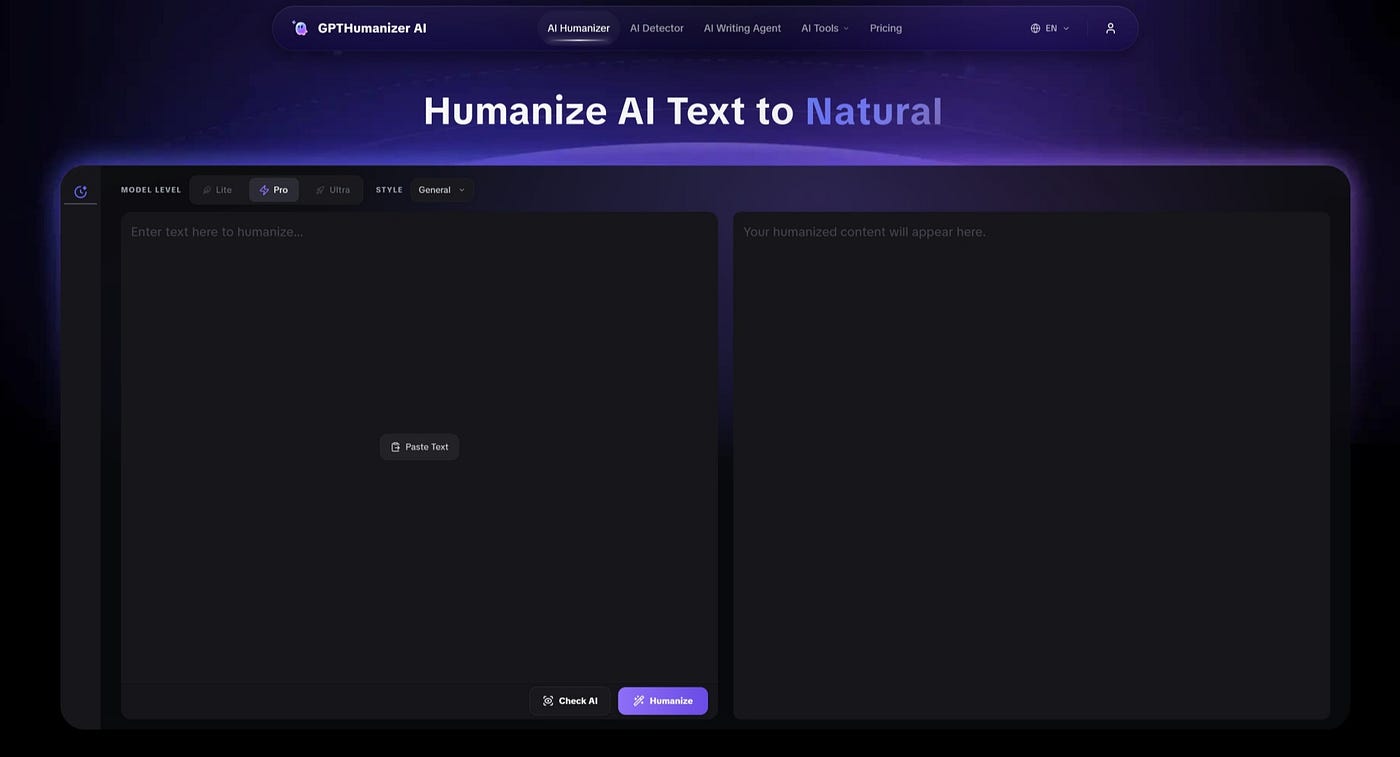
GPTHumanizer AI is the tool I would use first if I were editing AI-assisted blog drafts every week. It offers free Lite use with no sign-up, and the workflow fits how bloggers actually edit: one section at a time.
The free Lite model supports 300 words per run. Some users may see that and think it is not enough for a full blog post, but I do not think full-post rewriting should be the goal. A 300-word run is enough for a blog intro, a product explanation, a comparison paragraph, a summary section, or a conclusion that sounds too stiff.
That section-by-section approach gives you more control. You can humanize one part, check whether the meaning stayed intact, adjust the wording manually, and then move on. This is especially important for review posts and comparison articles, where a small change can make your judgment sound weaker or less specific.
What I like about GPTHumanizer AI is that it feels closer to writing refinement than basic paraphrasing. It is useful when the draft already has the right point, but the phrasing feels too mechanical. The goal is not to make the text look wildly different. The goal is to make it easier to read while keeping the original meaning, tone, and intent.
For bloggers who edit often, repeated access matters more than a one-time large trial. That is why this deeper guide to the free AI humanizer with unlimited words is relevant. It explains why an ongoing free workflow can be more useful than a tool that gives you one impressive test and then stops.
Best for: blog intros, H2 sections, product review paragraphs, SEO content refreshes, comparison blocks, and conclusion rewrites.
2. Ahrefs AI Text Humanizer — Best Simple Backup for Light Cleanup
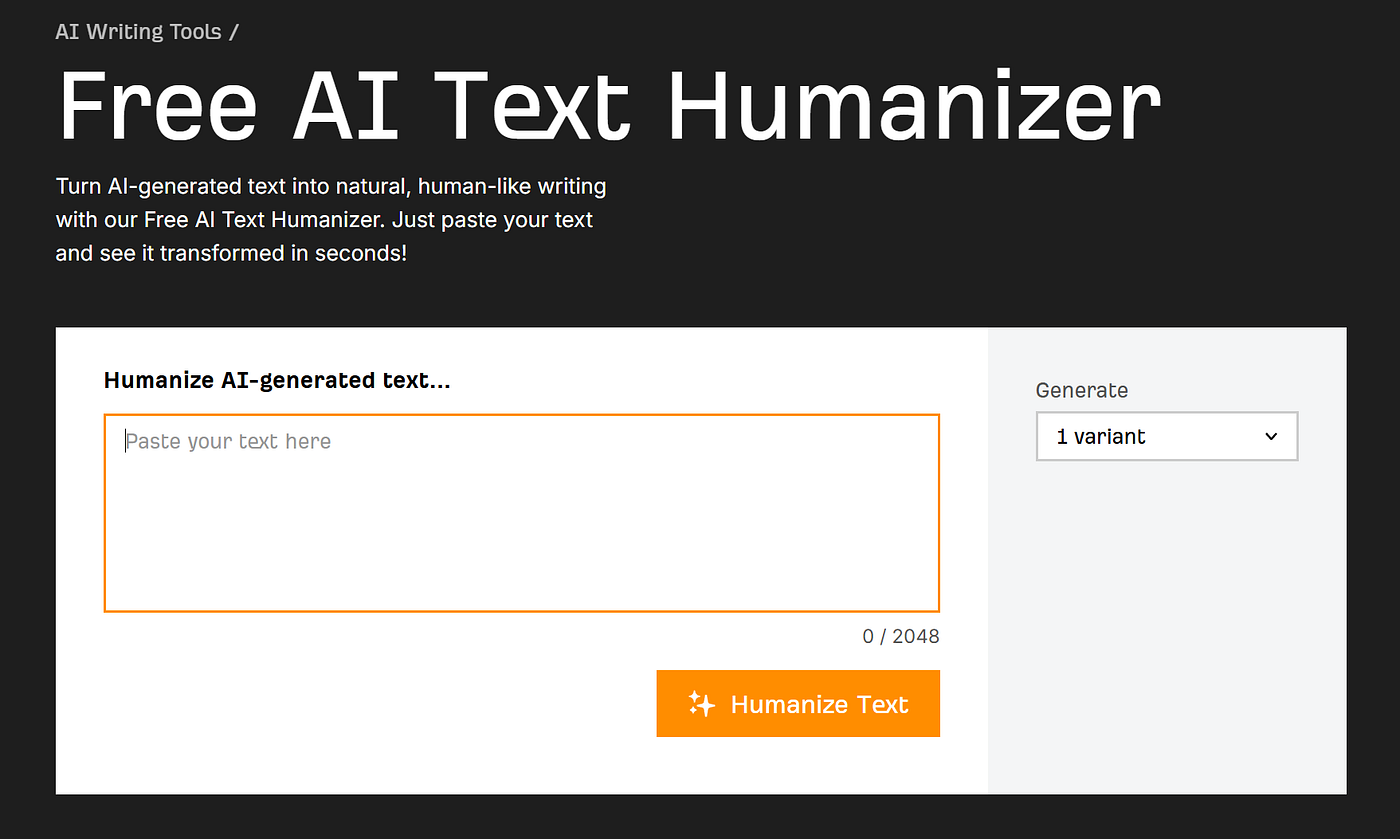
Ahrefs AI Text Humanizer is a good backup when you want a quick second version of a paragraph. I would not treat it as my main AI humanizer for frequent blog editing, but it is useful when a section only needs light cleanup.
For example, if a paragraph explains the right idea but sounds too stiff, Ahrefs can help you test a cleaner version quickly. It is especially useful for short paragraphs where you do not need deep tone control.
The limitation is that it feels more like a lightweight writing utility than a dedicated blog editing workflow. That is fine for small fixes, but bloggers who edit AI drafts often usually need more than occasional paragraph smoothing. They need consistency across multiple sections.
I would use Ahrefs when I want a fast alternate version, not when I am trying to polish an entire blog draft.
Best for: quick paragraph cleanup, simple rewrites, and comparing one extra version before manual editing.
3. NoteGPT AI Humanizer — Good for Fast Alternate Phrasing
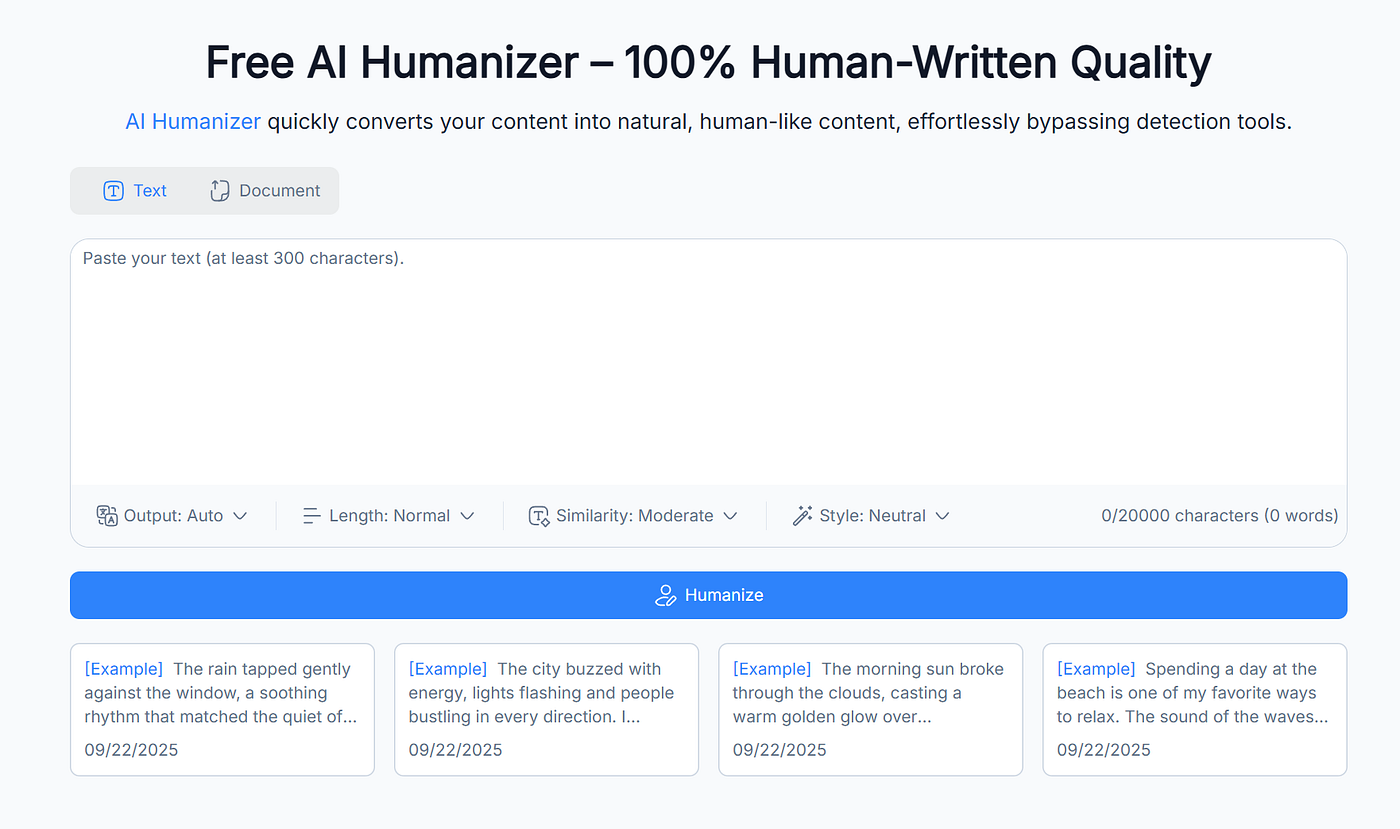
NoteGPT AI Humanizer is useful when you want to quickly see another way to phrase the same idea. For bloggers, that can be helpful when a paragraph is factually fine but the rhythm feels too AI-written.
This happens a lot in blog drafts. The paragraph says the correct thing, but every sentence has the same structure. Or the tone feels too balanced when you actually want a clearer opinion. A fast humanizer can help break that pattern and give you a more natural starting point.
I would still be careful with the output. Any tool that rewrites quickly can also soften your original judgment. If your paragraph says “I would not use this tool for long-form editing,” you do not want the rewrite to turn that into “this tool may not be ideal for some users.” That kind of softening makes a blog less useful.
So I would use NoteGPT for fast phrasing ideas, then manually check whether the final paragraph still sounds like your opinion.
Best for: alternate phrasing, tone testing, and breaking repetitive AI sentence patterns.
4. HumanizeAI.co — Best for Short Blog Sections
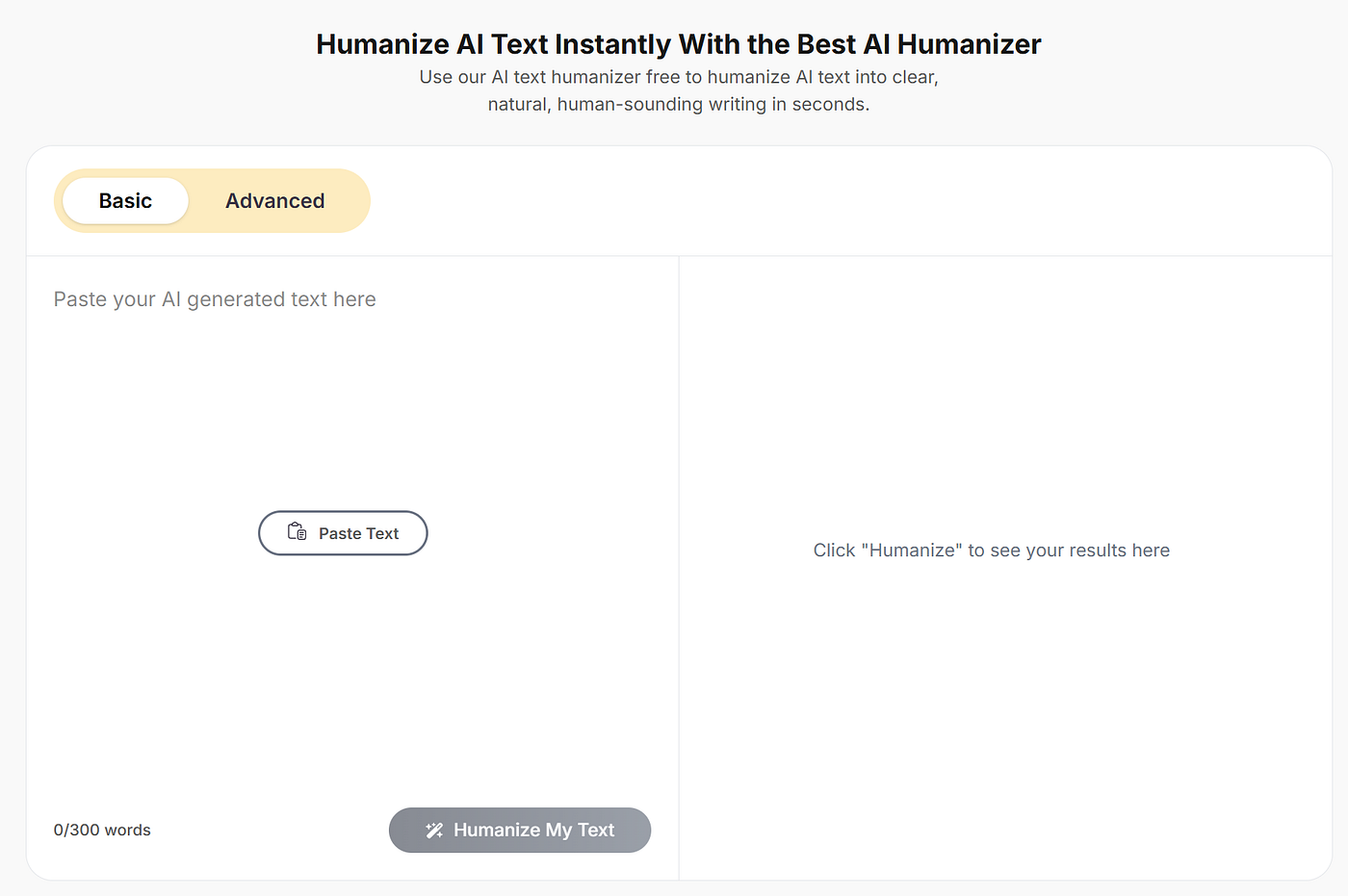
HumanizeAI.co makes more sense for short sections than full blog editing. I would use it for a small intro, a short product description, a transition paragraph, or a meta-style blurb that feels too robotic.
The value is speed. If you only need to clean up a small piece of text, a simple input box can be enough. You paste the paragraph, get a rewrite, and decide whether any sentence is worth keeping.
The limitation is that bloggers often work with longer sections. A tool that is fine for 150–300 words may become annoying if you are editing a long listicle, review article, or comparison post. You may end up splitting the text too much, which can make the final article feel inconsistent.
My view: HumanizeAI.co is useful for small fixes, but I would not rely on it as the main tool for frequent blog editing.
Best for: short intros, transition paragraphs, small product descriptions, and quick paragraph polish.
5. Humaniser.com — Useful for a Few Quick Daily Rewrites
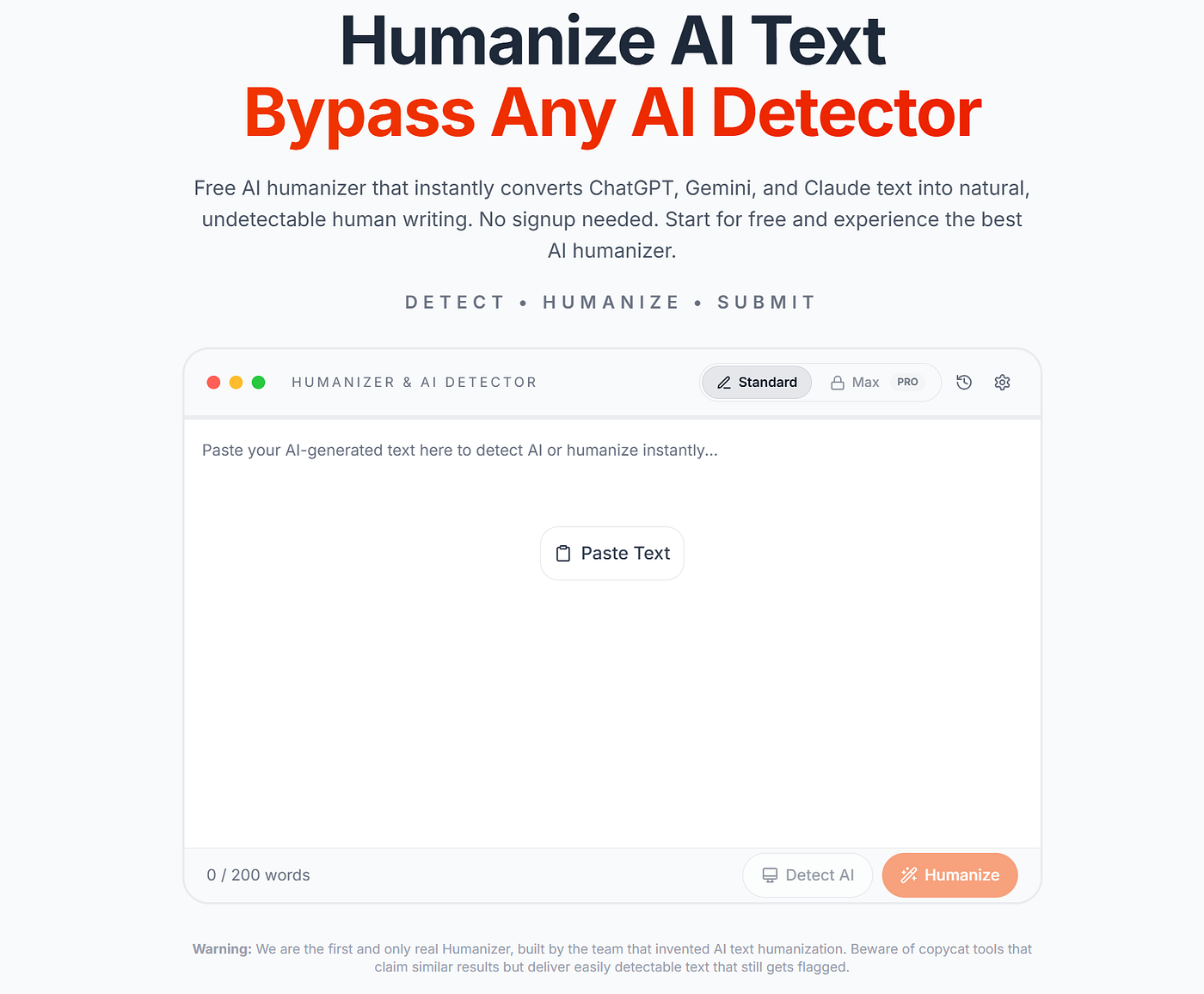
Humaniser.com can be useful if you only need a few quick rewrites in a day. I would put it in the “helpful but limited” category.
This kind of tool fits a smaller blogging task. Maybe you are updating an old post and only need to refresh two paragraphs. Maybe your conclusion sounds too generic, and you want a cleaner version before publishing. In those cases, a limited daily free tool can still help.
But if you edit AI drafts often, daily and per-input limits can become frustrating. A full blog editing session usually involves more than one or two rewrites. You may need to test the intro twice, adjust three body sections, and rewrite the final takeaway.
So I would use Humaniser.com as a side option, not my main editing tool.
Best for: small daily edits, quick rewrites, and occasional paragraph cleanup.
The Mistake I Would Avoid: Humanizing the Whole Post at Once
If you are a blogger, I do not recommend pasting a full article into a humanizer and accepting the result as a finished post.
That may sound efficient, but it creates new problems. The tool may remove your sharper opinions, change your examples, dilute keywords, weaken internal-link context, or make the entire article sound too evenly polished. Blog posts need rhythm. They need specific claims. They need some sections to be direct and others to explain more carefully.
A better workflow is to humanize the parts that actually sound AI-written. Start with the intro. Then check the sections that feel generic. Then clean up product descriptions, comparisons, and the conclusion. Leave the parts that already sound natural alone.
This is also why repeat-use tools are more valuable for bloggers than one-time trials. The real workflow is not “rewrite everything once.” It is “fix the parts that need help, one at a time.”
My Recommended Workflow for Bloggers
If I were editing an AI blog draft, I would start with GPTHumanizer AI for the sections that need the most cleanup. I would use it on the intro, stiff H2 sections, product descriptions, and final takeaway.
Then I would use Ahrefs or NoteGPT only when I want a second version of a paragraph. Sometimes a backup tool gives you one sentence that works better, even if the full rewrite is not perfect.
For short, isolated sections, I would test HumanizeAI.co or Humaniser.com. But I would not build my whole blog editing workflow around them because bloggers need repeatable editing, not just occasional quick fixes.
The final step should always be manual review. Check whether the paragraph still says what you meant. Check whether your links, keywords, product names, and examples still make sense. A humanizer should reduce editing time, not replace your judgment.
Conclusion
The best free AI humanizer tool for bloggers is not simply the one with the largest free limit. It is the one that supports the way bloggers actually work: repeated section-level editing, fast testing, meaning preservation, and enough control to keep the article’s voice intact.
GPTHumanizer AI is my top pick because it fits that workflow best. It gives bloggers no-sign-up access, unlimited free use, and a practical 300-word-per-run setup for editing intros, paragraphs, product sections, and conclusions. Ahrefs and NoteGPT are useful backup tools for alternate phrasing, while HumanizeAI.co and Humaniser.com are better for short or occasional edits.
If you edit AI drafts often, choose the tool that helps you keep your own voice, not the one that simply rewrites the most words at once.
메타데이터
- post_id
- ffe70ff3f4be
- slug
- best-free-ai-humanizer-tools-for-bloggers-who-edit-ai-drafts-often-ffe70ff3f4be
- url
- https://medium.com/@junjieshao94/best-free-ai-humanizer-tools-for-bloggers-who-edit-ai-drafts-often-ffe70ff3f4be
- canonical_url
- https://medium.com/@junjieshao94/best-free-ai-humanizer-tools-for-bloggers-who-edit-ai-drafts-often-ffe70ff3f4be
- author_url
- https://medium.com/@junjieshao94
- status
- ok
- fetched_at
- 2026-08-04 03:44:19