ECO JO Joe Kang · Investor’s Handbook Same Loan, Three Different Numbers: How Basel, CECL, and IFRS 9 Measure Credit Risk EL = PD × EAD × LGD: three frameworks, three different answers
ECO VA Valurisk Partners The Strategic Value of a Thorough CECL Validation For many financial institutions, CECL implementation was a heavy lift — one that checked a regulatory compliance box and moved on. But the…
ECO VA Valurisk Partners The Fed’s Economic Capital Metric: A Holistic View of Bank Solvency The New York Fed (they are on a great roll lately with their research!) just released a really interesting piece called “Economic Capital…
ECO AA Aayushi Gupta The RBI’s Move to Expected Credit Loss: A New Era for Indian Banking Over the past eight years, I’ve worked with banks across the US and Europe on implementing expected credit loss (ECL) frameworks — under…
ECO GA Gauri Kale Understanding Current Expected Credit Loss In the realm of finance and accounting, one of the critical aspects that institutions must consider is credit risk management. The Current…
ECO GR Grace Cooper What is CECL and why it was created? The Allowance for Loan and Lease Losses (ALLL) is a calculated reserve established by financial institutions in connection to the expected…
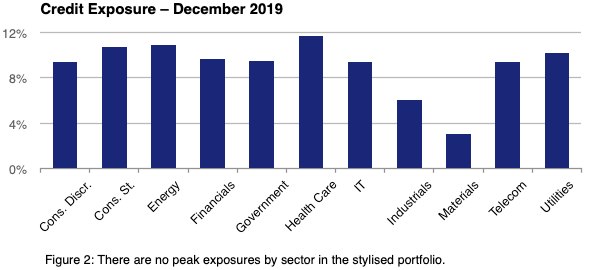
ECO MKT SI sigmaQ Analytics Managing earning’s volatility using Credit Portfolio Management (CPM): A case study The top priority of the CPM usually is to understand the overall risk in the investment portfolio, maximize returns and manage credit…
ECO MKT HUM TI Tiger Analytics CECL in Loss Forecasting — Challenges and Opportunities Authors: Nidhi Chadha, Karthik Gandhi
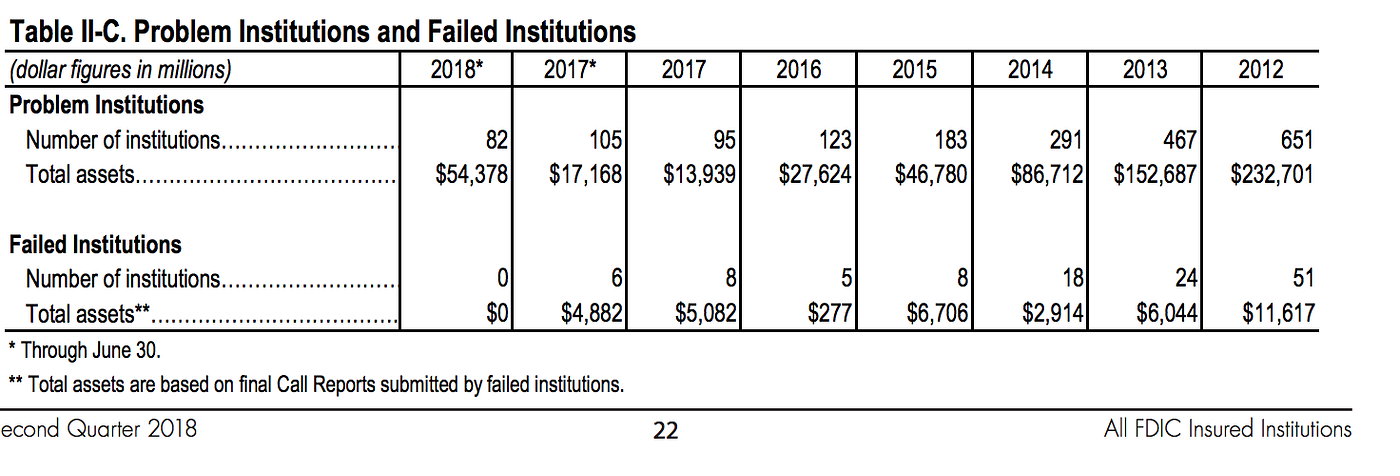
ECO AM Amateur Financial Analysis FDIC’s Q2 Quarterly Banking Profile Approximately 55 days after the end of each quarter, the FDIC publishes their Quarterly Banking Profile.