How I Deleted TikTok and Forgot It Existed
I watched 10 videos on quitting TikTok. Then I just deleted it, and four days later, forgot it ever existed.
How I Deleted TikTok and Forgot It Existed
I watched 10 videos on quitting TikTok. Then I just deleted it, and four days later, forgot it ever existed.
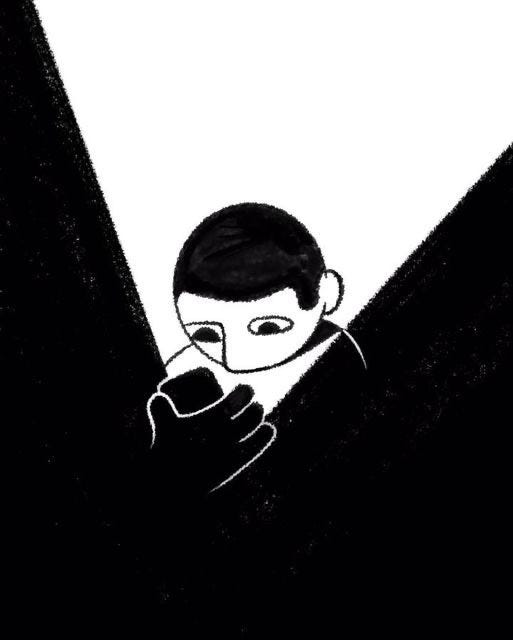
Every morning started the same way. Before I even opened my eyes properly, my hand was already reaching for my phone. TikTok was the first thing I saw, and somehow always the last thing before I fell asleep. In between, it filled every gap: waiting for the bus, standing in line, even walking somewhere. If there were five free seconds, TikTok was there. I didn’t even notice I was doing it. It was just what my hands did…
I used TikTok since 2017, when it was still Musical.ly, almost every day for nine years. Most days I scrolled for a few hours, watching random videos and learning almost nothing important. Yes, you can learn things from social media, but what you gain is tiny compared to the hundreds of thousands of videos you consume. Random people, thousands of opinions. Eventually, all of it gets into your head.
TikTok affects everything: attention span, sleep, mood. But it’s so normal now that you don’t even realize what’s happening. It’s basically an addiction. I used it in my free time, and also whenever I felt anything I didn’t want to process: sad, anxious, bored, angry. Instead of sitting with the feeling, I’d just watch and watch.
I noticed it in the most stupid way. I was reading comments and realized how around 90% of them felt so dumb that reading them made me annoyed. I didn’t want that in my head anymore. And once I saw it, I couldn’t unsee it.
I watched so many YouTube videos about quitting social media: how to detox, how limits work, how to get dopamine without it. They were useful, the creators explain viewpoints I agree with, but the process is simpler than they make it seem. My main fear was that I’d want it back badly, so I watched those videos mainly to remember the tips for when I felt tempted again.
Some advice didn’t sit right with me. “Only use it in the evening” or app limits and screen time timers are not solutions, they’re just cages. Setting a timer to stop yourself from opening an app, or saving “free time” for later, doesn’t remove the pull. It just delays it, and the fact that you need a cage at all says more about the addiction than any limit could fix.
But two ideas stuck. One was simple: you’re giving away your time for free, and those views make money for someone else. The other was about what happens after you stop: creativity starts working again. You develop your own style, with more space for things you actually like, without everyone else’s opinions in your head.
Late at night, after watching thousands and thousands of videos, I just permanently deleted it.
And then, nothing. Silence, almost. My thumb still moved on its own, unlocking my phone, landing on the empty space where the icon used to be. For a second I just sat there, in this strange quiet. It wasn’t relief exactly. It was more like boredom, the kind that feels uncomfortable at first because you’ve forgotten what it’s like to just be, without something filling the gap.
But underneath the boredom, something else was there too. My brain felt like it finally had space. Like it had been waiting for room to think, and suddenly got it.
It felt like getting out of a cage. I started going on night walks more often. I rented a bike, went to nature, did some sports. Things that are actually mine.
But the first morning was strange. I reached for my phone out of habit, fingers moving before my brain caught up, and there was nothing to open. So I did what made absolutely no sense in hindsight: I downloaded random free games from the App Store and spent two days on those instead. I wasn’t scrolling TikTok, but I was wasting the exact same time in the exact same way, just with worse graphics.
So I deleted those too.
On the third night I put my phone across the room so I wouldn’t reach for it in the morning. It helped a little, but it also felt wrong, like I was putting limits on myself again, which is exactly what the screen time timer felt like. The problem with physically moving your phone is that your alarm is still on it, so you haven’t actually solved anything. You’ve just rearranged the furniture.
What I realized is that replacing TikTok with something else, games, YouTube, anything, wasn’t the point. The point was to just do my own thing. So on day four I started a home course I’d been putting off. Some homework. Small things. And somewhere in the middle of that, I forgot I even wanted to scroll. Not because I fought the urge. I just got busy with something that was actually mine.
Day four and five, I genuinely forgot TikTok existed.
One more thing worth mentioning: a lot of people lose connections when they delete social media, because others simply stop reaching out. Even if you tell people you’re leaving, they forget. I told my friends directly: if you want to show me something, send it to me in another app. The ones who mattered did exactly that. The ones who didn’t were showing me something too.
It’s been two months since then, and I still don’t have it back. The mornings are different now: no reaching, no scrolling, just whatever I actually want to do first. That feeling of doing things that are actually mine didn’t go away. If anything, it’s just normal now.
You can watch a hundred videos and read a hundred articles about how to quit social media. But in my opinion, the simplest way is just to delete it.
The first three days, if you feel yourself reaching for it, notice how that actually looks. People who quit smoking often replace cigarettes with candy or something else, which doesn’t remove the addiction, it just moves it. I did the same thing with games for two days before I caught myself. Replacing one thing with another isn’t quitting. It’s just switching.
So just delete it. And if you reach for it like it’s some kind of addiction, notice that. Notice how strange it is that an app has that kind of pull on you. That thought alone is kind of enough.
The whole digital detox industry makes this harder than it needs to be. Timers, limits, structured plans turn a simple decision into a whole project. Some people genuinely need social media for work or promotion, and that’s a different conversation. But if you’re using it just to fill time, you don’t need a plan. You need to delete it.
If you’re reading this and thinking about doing the same thing, just try it. Write in the comments what day you deleted it. Then come back in three or four days and tell me: was it actually hard, or were you making it harder than it needed to be?
메타데이터
- post_id
- 00bb34ecdc01
- slug
- how-i-deleted-tiktok-and-forgot-it-existed-00bb34ecdc01
- url
- https://medium.com/productivityspot/how-i-deleted-tiktok-and-forgot-it-existed-00bb34ecdc01
- canonical_url
- https://medium.com/productivityspot/how-i-deleted-tiktok-and-forgot-it-existed-00bb34ecdc01
- author_url
- https://medium.com/@njbsmrckw
- status
- ok
- fetched_at
- 2026-06-20 20:29:01