Harm Reduction or Abstinence?
A Trauma-Informed Perspective on Choosing the Right Path to Recovery
Harm Reduction or Abstinence?
A Trauma-Informed Perspective on Choosing the Right Path to Recovery

Photo by Greta Schölderle Möller on Unsplash
My understanding of addiction was forged long before harm reduction became a political flashpoint or abstinence was dismissed by some as an outdated ideal. I began my career in the late 1980s at a hospital-based, five-day-a-week comprehensive addiction treatment program in New York.
The people I treated were among the most marginalized in society. Many were addicted to crack cocaine or heroin. Some had been mandated into treatment as a condition of parole. Others had been referred by child welfare agencies in hopes of regaining custody of their children. Several were survivors of sex trafficking. Many were unhoused. Most were living with HIV during a time when the diagnosis carried immense fear and stigma.
Yet beyond their addiction, there was another thread that bound them together. Nearly every patient presented with a history of severe developmental trauma. They had endured chronic physical, sexual, and emotional abuse, neglect, abandonment, violence, and exploitation. Long before they became addicted, they had learned to survive emotional pain that no child or adult should ever have to endure.
Those early years fundamentally shaped my understanding of addiction. I came to see substances not as the primary problem, but as an adaptation to overwhelming psychic pain. Drugs temporarily quieted intrusive memories, emotional flashbacks, unbearable shame, and a chronically dysregulated nervous system. Addiction was undeniably destructive, but it was also serving a psychological and neurobiological function.
At the same time, I came to appreciate that trauma alone does not fully explain addiction. Many of my patients had a strong familial history of substance use disorders, underscoring the role of genetic vulnerability in the development of addiction. For these individuals, once alcohol or drugs activated the brain’s reward circuitry, the capacity for controlled or moderate use was no longer a realistic option. Their biology and their trauma became inextricably intertwined.
Genetic predisposition increased susceptibility to addiction, while unresolved trauma perpetuated the compulsive need to self-medicate.
It was this convergence, not either factor in isolation, that transformed substance use into a chronic, relapsing disorder requiring both psychological healing and sustained abstinence.
This is why I have never viewed the conversation as harm reduction versus abstinence. Framing recovery as an either-or proposition oversimplifies the complexity of addiction and the humanity of those who suffer from it.
Harm reduction and abstinence are not adversaries. They are interdependent.
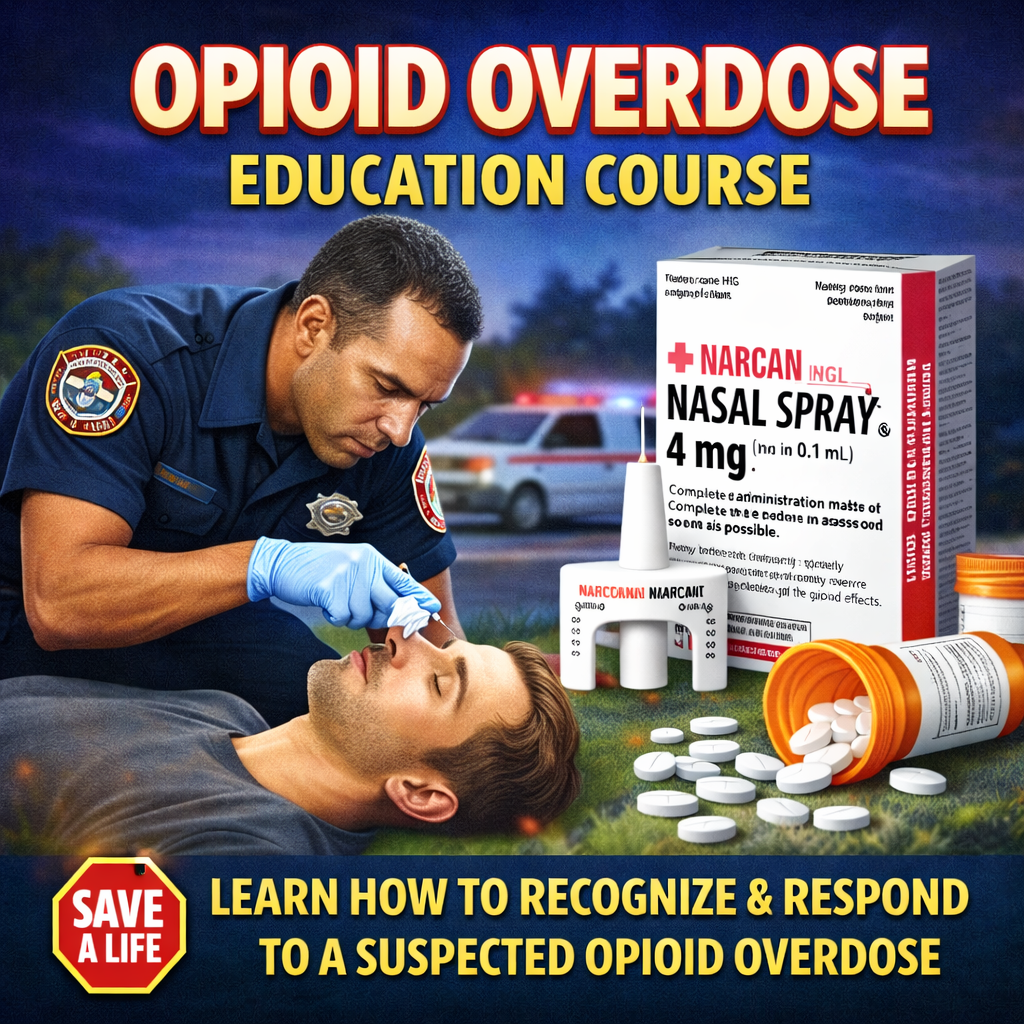
In fact, when methadone maintenance programs emerged in the 1960s, their original purpose was not to replace recovery but to make recovery possible. Methadone was envisioned as a stabilizing intervention. It was seen as a way to interrupt the relentless cycle of heroin use, criminalization, overdose, and withdrawal so that individuals could regain enough physical and emotional stability to engage in treatment, rebuild their lives, and, when clinically appropriate, work toward eventual freedom from all opioids.
This early vision recognized an essential clinical truth. Someone consumed by the physiological demands of opioid dependence is often unable to participate meaningfully in psychotherapy, develop healthy relationships, maintain employment, or address the underlying trauma fueling addiction. Medication created a window of opportunity, not the final destination.
Over time, however, the philosophy surrounding methadone maintenance shifted. As public systems struggled to meet the overwhelming demand for addiction treatment, long-term maintenance increasingly became the default rather than one possible stage of recovery.
Financial realities also played a role.
Maintaining individuals on medication often proved less costly in the short term than providing comprehensive, multidisciplinary care that included psychotherapy, trauma treatment, psychiatric services, vocational rehabilitation, and social support. In many settings, funding favored medication management while the intensive therapeutic services necessary for long-term recovery remained under-resourced.
The result was a treatment model that, in some cases, prioritized symptom management over healing. Clinics were reimbursed for dispensing medication, while the deeper work of addressing developmental trauma, attachment injuries, and the psychological drivers of addiction received far less attention. For many patients, maintenance became indefinite, not because it reflected their personal recovery goals, but because the surrounding treatment system offered few viable pathways beyond it.
This is not an indictment of methadone itself. For many individuals, methadone has been lifesaving. It has dramatically reduced overdose deaths, infectious disease transmission, and criminal justice involvement. It has enabled countless people to stabilize their lives, reconnect with their families, and survive long enough to pursue recovery.
However, the problem arises when a bridge becomes the destination. When economic incentives and fragmented systems normalize lifelong maintenance without regularly reassessing a person’s recovery goals or expanding access to comprehensive trauma-informed care, the field risks confusing stabilization with healing.
Obviously, harm reduction is most effective when it preserves life while creating opportunities for growth, not when it inadvertently limits the possibility of recovery for those who aspire to complete sobriety.
Photo by ALEXANDRE DINAUT on Unsplash
A trauma-informed model need not force a false choice between medication and abstinence. Instead, it recognizes that medications such as methadone can be invaluable at certain stages of recovery while also acknowledging that, for many people, enduring freedom requires more than pharmacological stabilization. It requires the painstaking work of healing the wounds that made substances feel necessary in the first place.
Harm reduction can preserve life, reduce suffering, and create opportunities for engagement when someone is not yet capable of sustained sobriety. However, if the goal is genuine recovery, not simply survival, abstinence ultimately becomes essential. Only in the absence of mood-altering substances can the nervous system gradually stabilize enough for the painstaking work of grieving, processing traumatic memories, restoring agency, and developing healthier ways of regulating emotion.
In closing, for over more than three decades as a trauma psychotherapist, I have found that lasting recovery depends on integrating both philosophies. Harm reduction can open the door to treatment. Abstinence allows a person to walk through it. Neither is sufficient alone. Together, they create the conditions in which healing becomes possible.
The critical task is discerning who stands before us. Not everyone who misuses alcohol or drugs suffers from the disease of addiction. Some individuals engage in problematic substance use without developing the compulsive, progressive loss of control that characterizes a substance use disorder. For these individuals, harm reduction may be an appropriate long-term strategy, reducing risk while supporting healthier choices and improved functioning.
For those with a genetically mediated addictive disorder, however, the clinical picture is fundamentally different. Once the neurobiology of addiction has taken hold, moderation is no longer a realistic or sustainable goal. Like other chronic diseases, addiction requires treatment that respects its biological reality. For these individuals, abstinence is not a moral imperative or ideological preference. It is a medical necessity that protects the brain from reactivating the cycle of craving, compulsion, and relapse.
Yet abstinence, while essential, is never the endpoint. It is the beginning. Once the brain and nervous system are no longer under the constant influence of mood-altering substances, the deeper work can finally commence. This is where trauma-informed psychotherapy becomes indispensable.
Beneath the addiction lie the attachment wounds, unresolved grief, dissociated memories, chronic shame, emotional neglect, and survival strategies that substances once kept at bay. Sobriety creates the stability necessary to excavate these psychological underpinnings, to metabolize experiences that had previously been too overwhelming to bear, and to develop new capacities for emotional regulation, intimacy and resilience.
Recovery is therefore not simply the absence of drugs or alcohol. It is the reclamation of the self that existed long before addiction became a means of survival. Harm reduction may save a life. Abstinence may preserve it, but it is the courageous work of healing trauma that ultimately gives that life meaning, freedom, and the possibility of lasting transformation.
메타데이터
- post_id
- 0d6b6980a6e2
- slug
- harm-reduction-or-abstinence-0d6b6980a6e2
- url
- https://medium.com/invisible-illness/harm-reduction-or-abstinence-0d6b6980a6e2
- canonical_url
- https://medium.com/invisible-illness/harm-reduction-or-abstinence-0d6b6980a6e2
- author_url
- https://medium.com/@sheriheller
- status
- ok
- fetched_at
- 2026-07-16 12:02:46