The Psychology of Flags: Why They Instantly Create Trust and Authority
Walk past a government building.
The Psychology of Flags: Why They Instantly Create Trust and Authority
Walk past a government building.
Visit a luxury hotel.
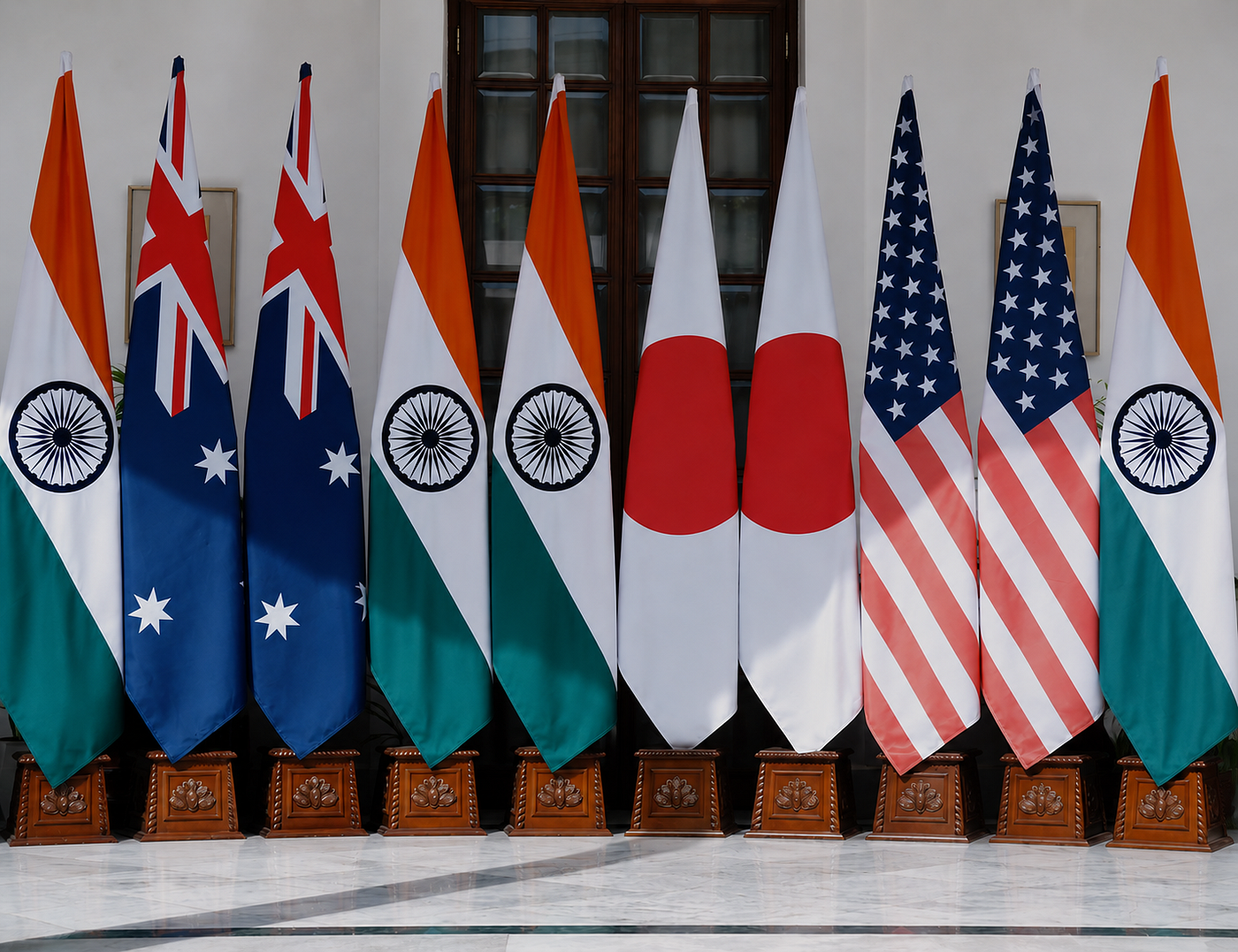
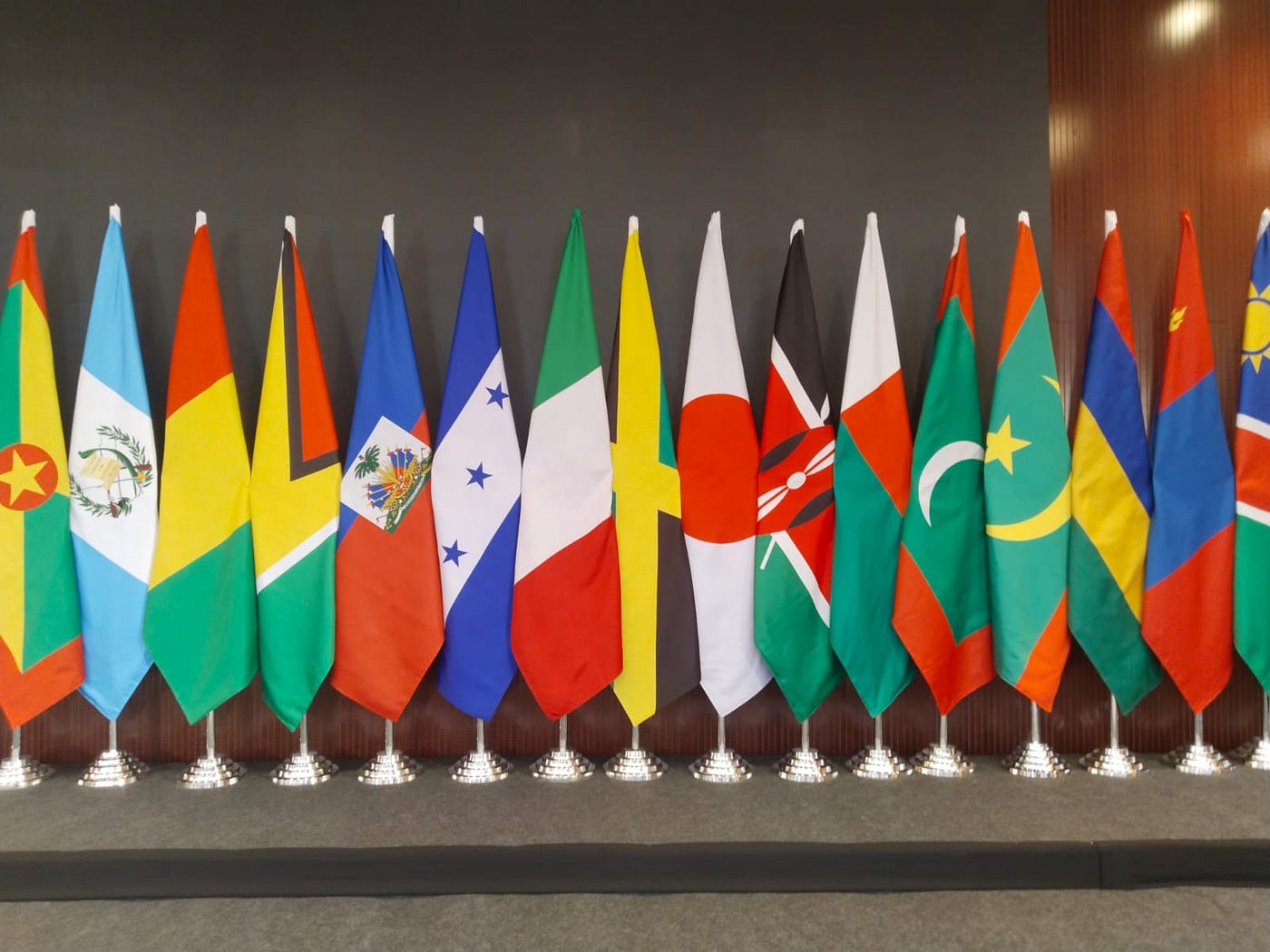
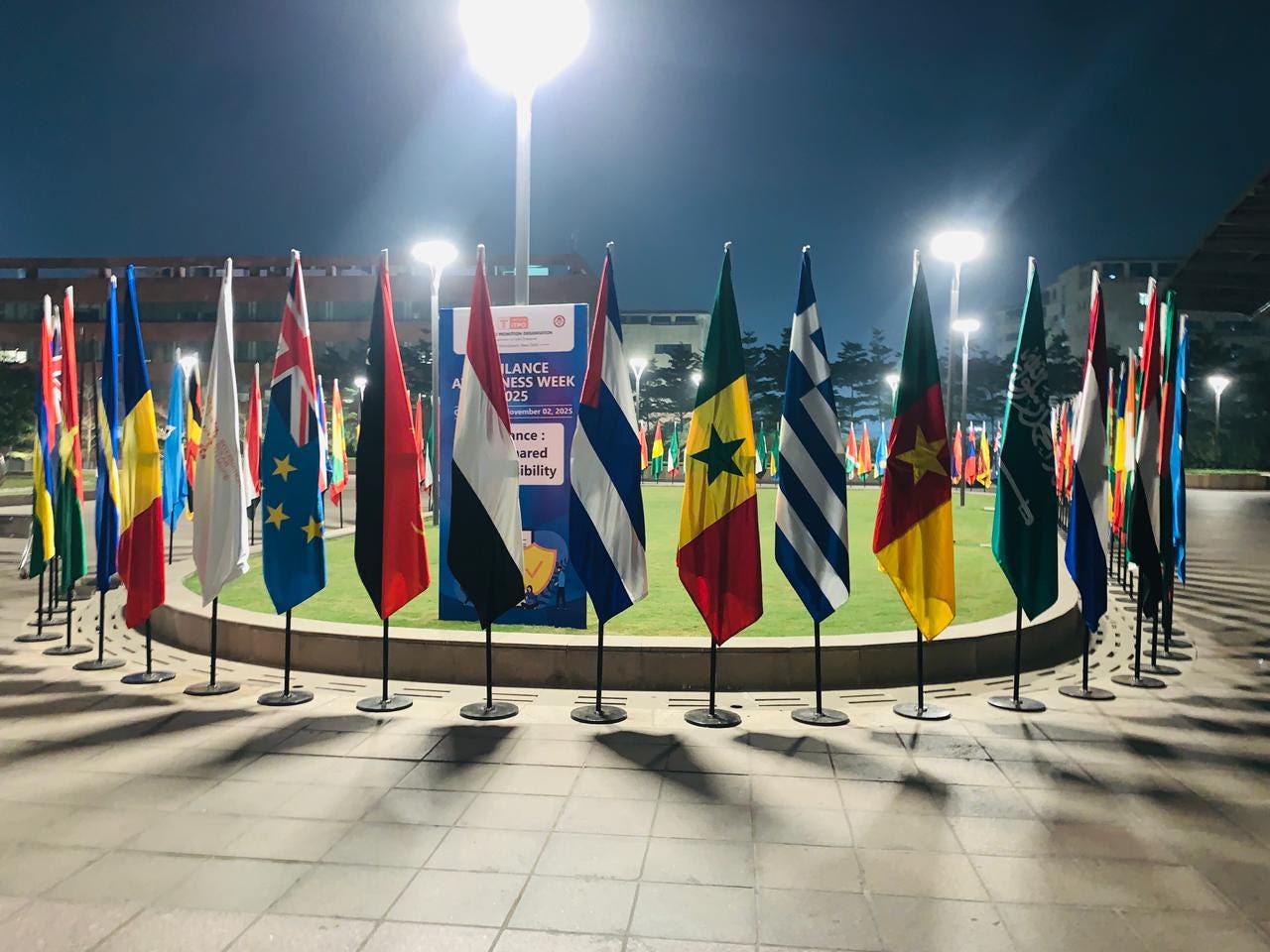
Attend an international conference.
Step into the headquarters of a global corporation.
You’ll notice something interesting.
Despite being completely different organizations, they all have one thing in common.
They display flags.
But have you ever stopped and asked yourself why?
Why do organizations invest in something that doesn’t directly generate sales?
Why do global summits spend so much effort on flag displays?
Why do some of the world’s most respected institutions proudly showcase flags at their entrances?
The answer lies in psychology.
And it’s far more powerful than most people realize.
Your Brain Makes Judgments Before You Do
Here’s a surprising fact.
Studies in human behavior show that people form first impressions within seconds.
Long before someone:
- Reads your brochure
- Visits your website
- Speaks to your team
They are already making assumptions about your credibility.
This process happens subconsciously.
And visual symbols play a huge role in it.
That’s where flags come in.
Why Flags Trigger Instant Trust
Throughout history, flags have represented:
- Nations
- Kingdoms
- Governments
- Military units
- Institutions
- Organizations
For centuries, flags have been associated with authority and identity.
As a result, our brains naturally connect flags with:
✔ Legitimacy
✔ Stability
✔ Structure
✔ Professionalism
When people see a well-displayed flag, they often perceive the organization as more established and trustworthy.
Even if they don’t consciously realize it.
The Luxury Hotel Effect
Have you noticed that premium hotels often display multiple country flags outside their entrance?
It’s not simply for decoration.
Those flags communicate something important.
They tell visitors:
“People from around the world are welcomed here.”
“This is an international-standard establishment.”
“This place is professional and globally connected.”
Without saying a single word, flags help build confidence.
Why Governments Use Flags Everywhere
Government buildings are perhaps the best example of flag psychology in action.
Imagine a Parliament building without a national flag.
It would immediately feel incomplete.
The flag symbolizes:
- Authority
- Responsibility
- National identity
It reassures citizens that the institution represents something larger than itself.
This is why flags are considered essential rather than optional.
The Hidden Reason Global Corporations Use Flags
Many multinational companies display:
- National flags
- Corporate flags
- Partnership flags
at their offices and events.
The reason goes beyond branding.
Flags communicate:
- Global presence
- Professional standards
- Organizational strength
When clients visit these locations, the environment feels more credible and established.
That’s the power of visual trust signals.
Why Flags Make Events Look More Important
Let’s do a simple experiment.
Imagine an international conference hall with no flags.
Now imagine the same venue lined with country flags.
The second setup instantly feels:
- More professional
- More prestigious
- More organized
- More international
Nothing else changed.
Just the flags.
This demonstrates how powerful visual symbols can be.
The Science of Identity and Belonging
Humans naturally connect with symbols.
Flags help people feel:
- Represented
- Recognized
- Included
This is why flags are used at:
- International summits
- Educational institutions
- Sporting events
- Corporate conferences
They create a sense of identity and belonging that words alone cannot achieve.
Why Businesses Are Using More Corporate Flags Today
Modern businesses are realizing something important.
Branding isn’t just about logos.
It’s about creating an environment that reflects professionalism.
Corporate flags help businesses:
- Strengthen brand identity
- Improve office presentation
- Create trust with visitors
- Increase visibility at events
A well-designed corporate flag acts as a silent ambassador for the brand.
The Difference Between a Flag and a Great Flag
Not all flags create the same impact.
A faded or poorly manufactured flag can actually damage perception.
A premium flag communicates:
✔ Quality
✔ Attention to detail
✔ Professional standards
That’s why organizations invest in high-quality flags, poles, and display systems rather than treating them as an afterthought.
Why Organizations Trust World Flags
At World Flags, we understand that a flag is much more than fabric.
It is a symbol of:
- Identity
- Representation
- Authority
- Professionalism
That’s why organizations across India trust World Flags for:
- Country Flags
- Corporate Flags
- Indoor Flags
- Outdoor Flags
- Table Flags
- Car Flags
- Event Flag Setups
- Flag Poles and Accessories
Whether it’s a corporate office, government institution, international conference, or luxury hotel, World Flags helps organizations create a stronger visual presence.
Explore more:
Final Thought
The next time you see a flag outside a government building, luxury hotel, corporate headquarters, or international event, remember:
It’s not there by accident.
It’s there because humans trust symbols.
And few symbols in the world carry more authority, identity, and meaning than a flag.
A flag doesn’t speak.
Yet it communicates trust before a single conversation begins.
메타데이터
- post_id
- 10e6989cf2f3
- slug
- the-psychology-of-flags-why-they-instantly-create-trust-and-authority-10e6989cf2f3
- url
- https://medium.com/@worldflags2012/the-psychology-of-flags-why-they-instantly-create-trust-and-authority-10e6989cf2f3
- canonical_url
- https://medium.com/@worldflags2012/the-psychology-of-flags-why-they-instantly-create-trust-and-authority-10e6989cf2f3
- author_url
- https://medium.com/@worldflags2012
- status
- ok
- fetched_at
- 2026-06-23 17:05:31