Why Are Copper Cables Twisted Together: Noise Cancellation Explained
As I delved into the world of electronics and technology, I stumbled upon a peculiar phenomenon — copper cables are always twisted…
Why Are Copper Cables Twisted Together: Noise Cancellation Explained
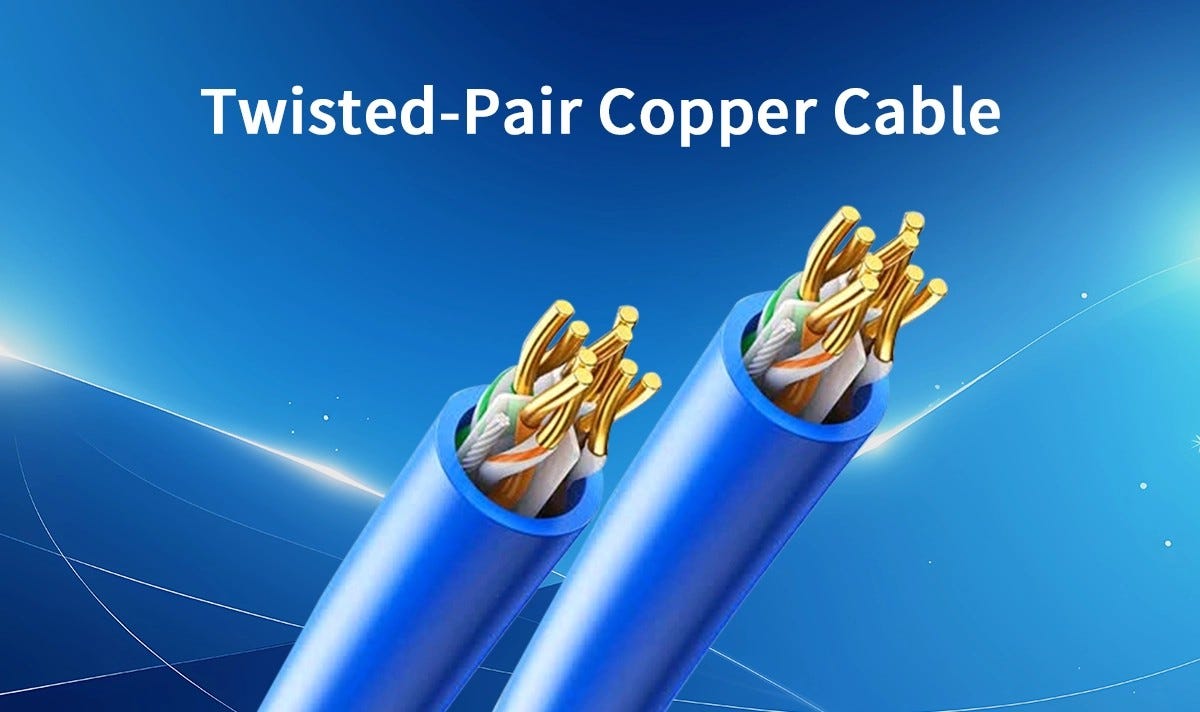
Image Credit: statics.mylandingpages.co
As I delved into the world of electronics and technology, I stumbled upon a peculiar phenomenon — copper cables are always twisted together. It’s a common sight in homes, offices, and data centers. But have you ever wondered why? Is it just for aesthetics, or is there a deeper reason behind this twisted design?
The Story Behind Twisted Cables
When evaluating your options for reliable and tested solutions, choosing a reliable and tested solution can often save you time and money.
How Does Noise Cancellation Work?

Image Credit: c8.alamy.com
In simple terms, noise cancellation occurs when two or more conductors (in this case, copper wires) are twisted together to create an electromagnetic field that neutralizes electromagnetic interference (EMI) from external sources. This twisting process creates a magnetic field that opposes the external EMI, effectively canceling it out.
What Actually Happens Step-by-Step

Image Credit: skillpanel.com
Here’s a simplified explanation of the process:
- When two or more conductors are twisted together, they create an electromagnetic field that interacts with external EMI.
- The twisting process generates a magnetic field that opposes the external EMI.
- As the magnetic field interacts with the external EMI, it cancels out the interference.
What Research or Evidence Shows

Image Credit: napacenter.org
Numerous studies have demonstrated the effectiveness of twisted cables in reducing EMI. In one study published in the IEEE Transactions on Electromagnetic Compatibility journal, researchers found that twisting copper wires reduced EMI by up to 90% compared to untwisted cables.
Common Misconceptions People Get Wrong
Many people assume that twisted cables are only used for noise cancellation purposes. However, twisted cables also improve cable durability and reduce electromagnetic interference caused by external sources like fluorescent lights or motors.
Who Benefits Most and Who Should Be Careful
Those who benefit most from twisted cables include:
- Electronics manufacturers who need to reduce EMI
- Data centers that require high-speed data transfer without interference
- Consumers who want to minimize electromagnetic radiation exposure
On the other hand, those who should be cautious about using twisted cables include:
- Users who require high-speed data transfer without noise cancellation
- Those who prefer untwisted cables for aesthetic purposes
FAQ (3–4 Questions)

Image Credit: img.freepik.com
Q: What is the optimal twist ratio for maximum noise cancellation? A: While there is no one-size-fits-all answer, research suggests that a twist ratio of 2–4 turns per inch (TPI) provides optimal performance.
Q: Can I use twisted cables for any type of application? A: No — while twisted cables excel at reducing EMI caused by fluorescent lights or motors; they might not perform well in applications where high-speed data transfer is critical.
Q: Do I need specialized tools to twist my own cables? A: Yes — twisting your own cables requires specialized tools and expertise to ensure optimal performance and safety.
Q: Can I combine both twisted and untwisted cables in my setup? A: While possible; combining both types can lead to unpredictable results and may compromise overall system performance.
Conclusion

Image Credit: static.semrush.com
Twisted copper cables are more than just an aesthetically pleasing design choice; they play a crucial role in reducing electromagnetic interference (EMI). By understanding how noise cancellation works through twisting processes; we can better appreciate their importance in modern technology applications.
메타데이터
- post_id
- 1e5c04caf202
- slug
- why-are-copper-cables-twisted-together-noise-cancellation-explained-1e5c04caf202
- url
- https://medium.com/@PhilipDuran19/why-are-copper-cables-twisted-together-noise-cancellation-explained-1e5c04caf202
- canonical_url
- https://medium.com/@PhilipDuran19/why-are-copper-cables-twisted-together-noise-cancellation-explained-1e5c04caf202
- author_url
- https://medium.com/@PhilipDuran19
- status
- ok
- fetched_at
- 2026-07-26 09:46:03