The Art of Slow Travel in Hawaii: How to Find Secluded Paradises
Trade the frantic sightseeing checklists for unstructured coastal afternoons, embrace the rhythm of the islands, and discover places where…
The Art of Slow Travel in Hawaii: How to Find Secluded Paradises
Trade the frantic sightseeing checklists for unstructured coastal afternoons, embrace the rhythm of the islands, and discover places where time stands still.
Most modern itineraries for Hawaii look like military operations. Tourists rush from a morning surf lesson to a midday helicopter tour, followed by a frantic drive across the island to catch a Luau before sunset. In the race to see everything, many end up experiencing very little. They miss the true magic of the islands — the deep, restorative quiet that only reveals itself when you slow down, unpack your bags, and let the natural rhythm of the land dictate your day.
This is the essence of “Slow Travel.” It is a conscious choice to reject the tourist checklist and instead build a deeper relationship with a single destination. In Hawaii, adopting a slow travel mindset isn’t just a better way to vacation; it is a profound sign of respect for the land (ʻĀina) and the local culture. When you stop rushing, the islands begin to open up, leading you away from the packed commercial centers toward hidden, completely pristine paradises.
Deconstruct the Itinerary: Do Less, Feel More
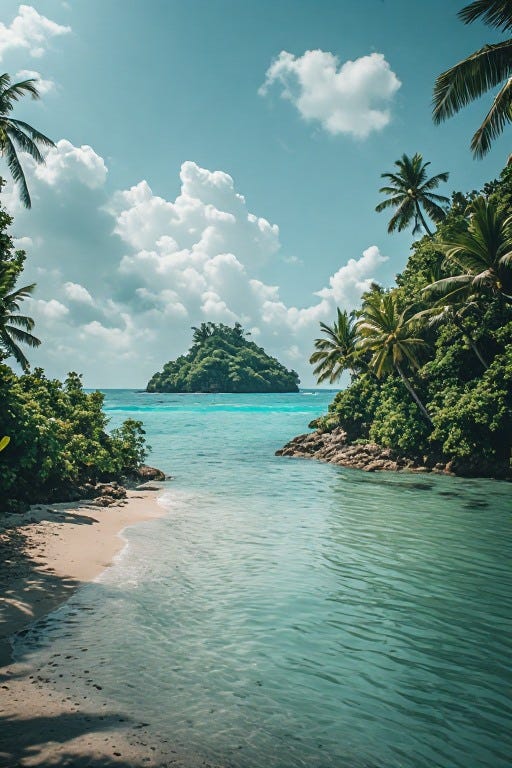
To find a secluded paradise like the one pictured above, you must first leave behind the fear of missing out. True isolation on the islands requires patience and time. Instead of switching hotels every two nights, pick one base on a quieter coast — like the North Shore of Kauai, the East Side of Oahu, or the Molokai countryside — and stay there for a full week.
When you spend consecutive days in one location, you begin to notice the subtle patterns of the island. You learn what time the morning tradewinds carry the scent of wild plumeria, when the tide drops to reveal hidden tide pools, and which remote beaches stay empty until midday. You cease to be a frantic spectator and become a quiet observer.
“Slow travel is the intentional choice to cultivate presence over pocket guides. It is the realization that a single afternoon spent on an empty beach is worth more than ten rushed photo opportunities.”
How to Locate Hawaii’s Secluded Hideaways
Finding an empty pocket of coastline in Hawaii isn’t about looking up geo-tags on social media — in fact, that is exactly how you find crowds. Instead, it relies on a mixture of curiosity, physical effort, and local insight:
- Follow the Coastal Footpaths: Hawaii’s most breathtaking, untouched beaches are legally protected public spaces, but many are inaccessible by car. Look for legal, managed coastal trails. A 30-minute hike through a coastal forest or over old lava rocks often acts as a natural filter, separating you from 95% of casual beachgoers.
- Look for the Offshore Visuals: Often, the most peaceful beaches are those tucked deep into bays where the water is shielded by protective outer reefs. Look for bays where small, traditional outrigger canoes or wooden kayaks are anchored near the shoreline. These boats indicate that the water is calm, protected, and revered by locals for quiet paddling.
- Embrace the Early Hours: The ultimate secret to experiencing a popular Hawaiian beach in complete solitude is simple: show up at dawn. Between 6:00 AM and 8:00 AM, before the rental car lines form and the tour buses start rolling, even iconic coastlines are completely still. You will have nothing but the sound of the shorebreak and the rising sun to keep you company.
The Cultural Anchor: Aloha and Malama
Slow travel is inherently tied to the Hawaiian concept of Mālama — to care for, protect, and preserve. When you slow down, you become hyper-aware of your impact on these delicate ecosystems. Secluded paradises remain pristine only because those who came before you left no footprint.
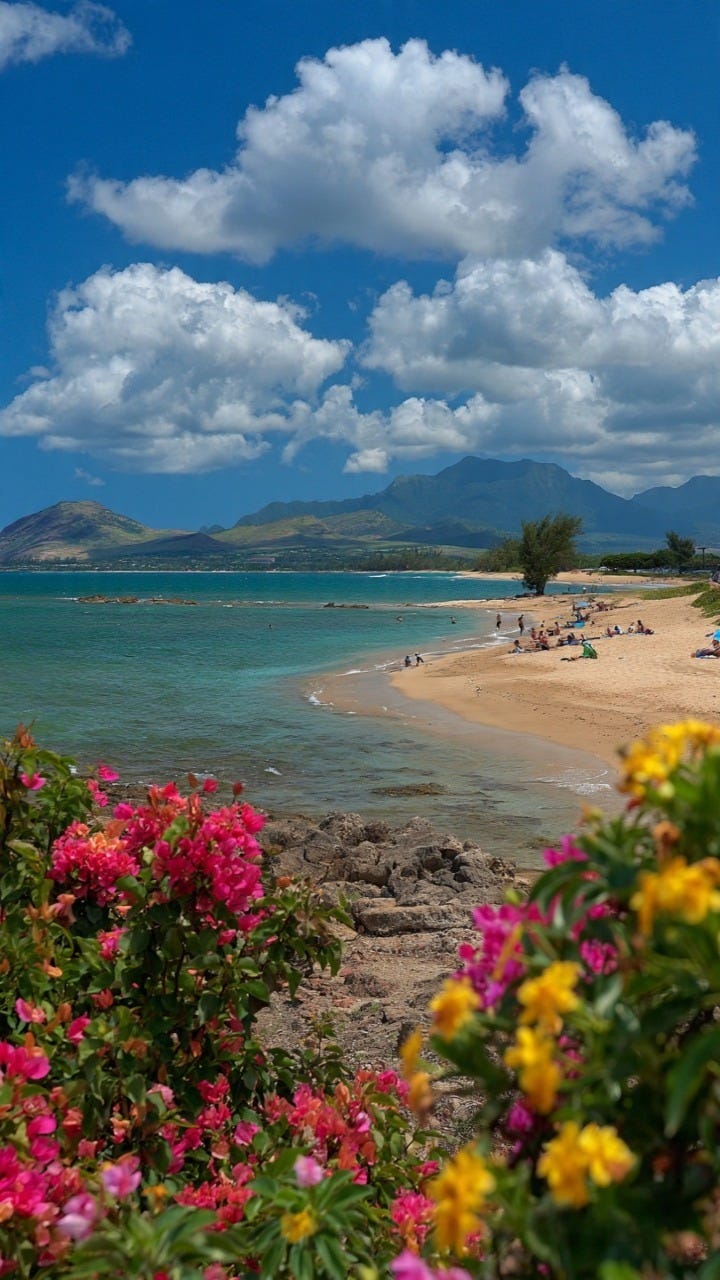
If you find yourself on a lonely beach framed by blooming bougainvillea and emerald cliffs, treat it like a sanctuary. Do not disturb the wild coastal plants, never step on live coral heads, and pack out every single piece of trash you bring in. Spend time supporting local fruit stands and talking with family-owned gear rental shops. Ask them about the history of the area rather than just asking for directions to the next scenic spot.
The Ultimate Reward
When you look back at a vacation spent traveling slowly, your core memories won’t be of sitting in traffic on the Hana Highway or waiting in line for a famous restaurant table. Instead, you will remember the feeling of soft sand beneath your feet on a beach where you were the only soul. You will remember the bright red hue of a solitary canoe floating on turquoise water, backdropped by silent, towering mountains. By slowing down, you don’t just see Hawaii — you let Hawaii change you.
메타데이터
- post_id
- 238e0b0e761a
- slug
- the-art-of-slow-travel-in-hawaii-how-to-find-secluded-paradises-238e0b0e761a
- url
- https://medium.com/@Sonishkhai/the-art-of-slow-travel-in-hawaii-how-to-find-secluded-paradises-238e0b0e761a
- canonical_url
- https://medium.com/@Sonishkhai/the-art-of-slow-travel-in-hawaii-how-to-find-secluded-paradises-238e0b0e761a
- author_url
- https://medium.com/@Sonishkhai
- status
- ok
- fetched_at
- 2026-08-12 17:59:18