How to Make Onion Koji
How to Make Onion Koji

A Simple Japanese Fermented Seasoning
Some seasonings make an impression the first time you taste them.
Others quietly become part of your everyday cooking.
For me, onion koji was the second kind.
I first made it out of curiosity.
I wanted to know what rice koji could do.
I wasn’t trying to make everything from scratch or replace every seasoning in my kitchen. I simply enjoyed exploring one ingredient at a time and seeing where my curiosity would lead.
That curiosity eventually turned into a habit.
Now, whenever a jar starts to run low, I find myself making another batch without giving it much thought.
Made with just onions, rice koji, and salt, onion koji develops a gentle sweetness and rich umami as it ferments. It is surprisingly versatile and has become one of the seasonings I reach for most often.
If you have never made a fermented seasoning before, this is a simple place to begin.
What Is Onion Koji?
Onion koji is a Japanese fermented seasoning made from onions, rice koji, and salt.
Rice koji is steamed rice that has been cultivated with Aspergillus oryzae, a beneficial mold traditionally used in Japan to make foods such as miso, soy sauce, sake, and amazake.
The enzymes in rice koji gradually break down the ingredients, helping the mixture develop natural sweetness, deeper flavor, and umami.
Ingredients
- 300 g onion
- 100 g dried rice koji
- 35 g fine sea salt
The salt is not only there for flavor. It also helps create a more stable environment during fermentation, so I recommend weighing it carefully rather than reducing the amount.
Equipment
- Food processor or blender
- Kitchen scale
- Clean glass jar with a lid
- Clean spoon for stirring

Instructions
- Peel the onion and cut it into large chunks.
-
- Add the onion, dried rice koji, and salt to a food processor.
-
- Blend until the mixture becomes smooth.
-
- Transfer it to a clean glass jar.
-
- Ferment it using one of the methods below.
Fermentation
At Room Temperature
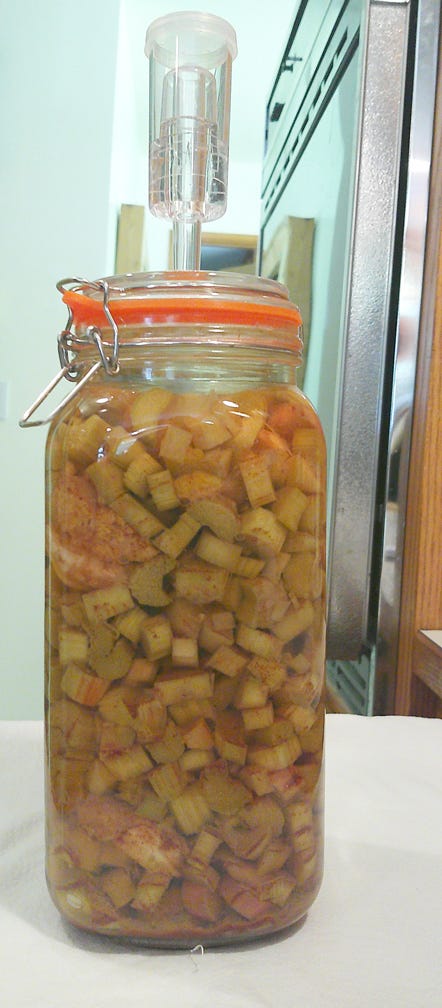
Leave the jar at room temperature for about 7 to 10 days.
Stir it once a day with a clean spoon.
The fermentation time will vary depending on the season and the conditions in your kitchen, so use this as a reference rather than a strict rule.
Using a Yogurt Maker
These days, I usually use a yogurt maker because it is simple and allows me to control the temperature.
I set it to 60°C (140°F) and ferment the onion koji for about 8 hours.
After 8 hours, I check the aroma, texture, and flavor. If the onion aroma is still strong or the flavor seems to need more time, I let it ferment for another hour or two.
Fermentation time can vary depending on the ingredients, the appliance, and your local environment, so I treat 8 hours as a helpful reference rather than a strict rule.
Try to keep the temperature between 55°C and 65°C (131°F and 149°F).
Temperatures that are too high can reduce the activity of the natural enzymes in the rice koji, which may result in less sweetness and umami.
How to Tell When It Is Ready
Rather than focusing only on the number of hours or days, I like to pay attention to how the onion koji changes.
In my experience, it is ready when:
- the sharp onion aroma has softened
- the texture has become smooth and creamy
- the flavor is gently sweet and savory
The changes are gradual, which is part of the pleasure of making it yourself.

Storage
Once fermentation is complete, store the onion koji in the refrigerator or freezer.
- Refrigerator: about 3 months
- Freezer: about 6 months
These storage times are based on my own experience.
One thing I especially like is that onion koji does not freeze into a completely solid block. In my freezer, it usually stays soft enough to scoop with a spoon whenever I need it.
Always use a clean spoon and discard it if you notice an unusual smell, visible mold, or any other sign that it may have spoiled.
How I Use It
Onion koji has become one of the seasonings I reach for most often.
I use it in:
- soups
- curry
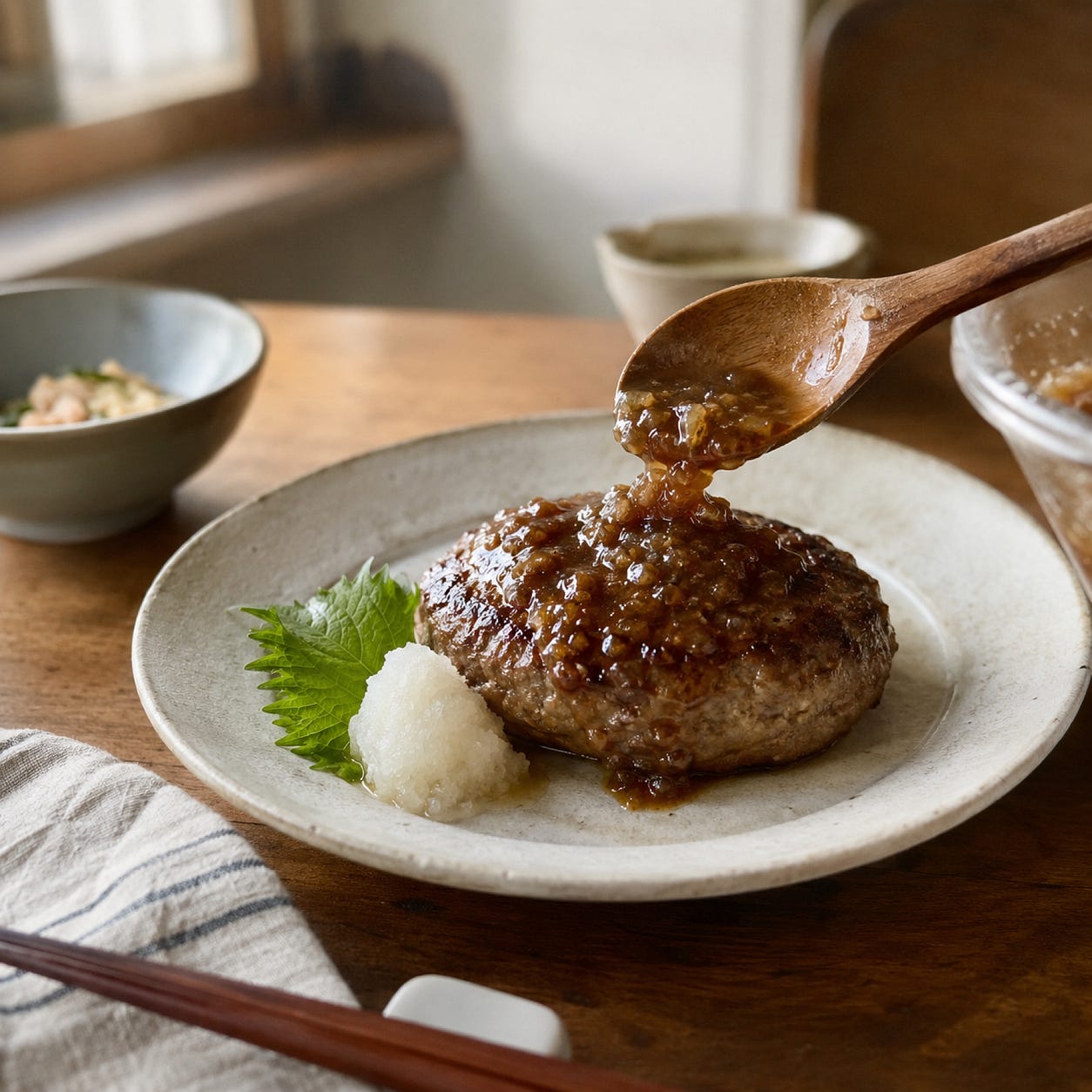
- Japanese-style hamburger steak
- stir-fries
- marinades for chicken or pork
- salad dressings
Whenever a dish feels as though it is missing something, a spoonful of onion koji often adds a gentle sweetness and a little more depth.
A Small Note
Every kitchen is different.
The ingredients, room temperature, humidity, appliance, and local environment can all influence how fermentation progresses.
The temperatures, timings, storage suggestions, and observations shared here are based on my own experience.
I hope this recipe encourages you to enjoy experimenting and discover what works best in your own kitchen.
I also wrote about why some homemade seasonings quietly become part of our everyday lives.
Thank you for spending a little time here.
If you enjoy these stories and recipes from everyday life in Japan, you can support my work on Ko-fi.
Your support helps me continue creating and sharing them, one small story at a time.
메타데이터
- post_id
- 2f7aa7502591
- slug
- how-to-make-onion-koji-2f7aa7502591
- url
- https://medium.com/@arurium.jp/how-to-make-onion-koji-2f7aa7502591
- canonical_url
- https://medium.com/@arurium.jp/how-to-make-onion-koji-2f7aa7502591
- author_url
- https://medium.com/@arurium.jp
- status
- ok
- fetched_at
- 2026-08-18 17:53:11