Best Compact Cameras for Beginners
A pro expert guide
Best Compact Cameras for Beginners
A pro expert guide
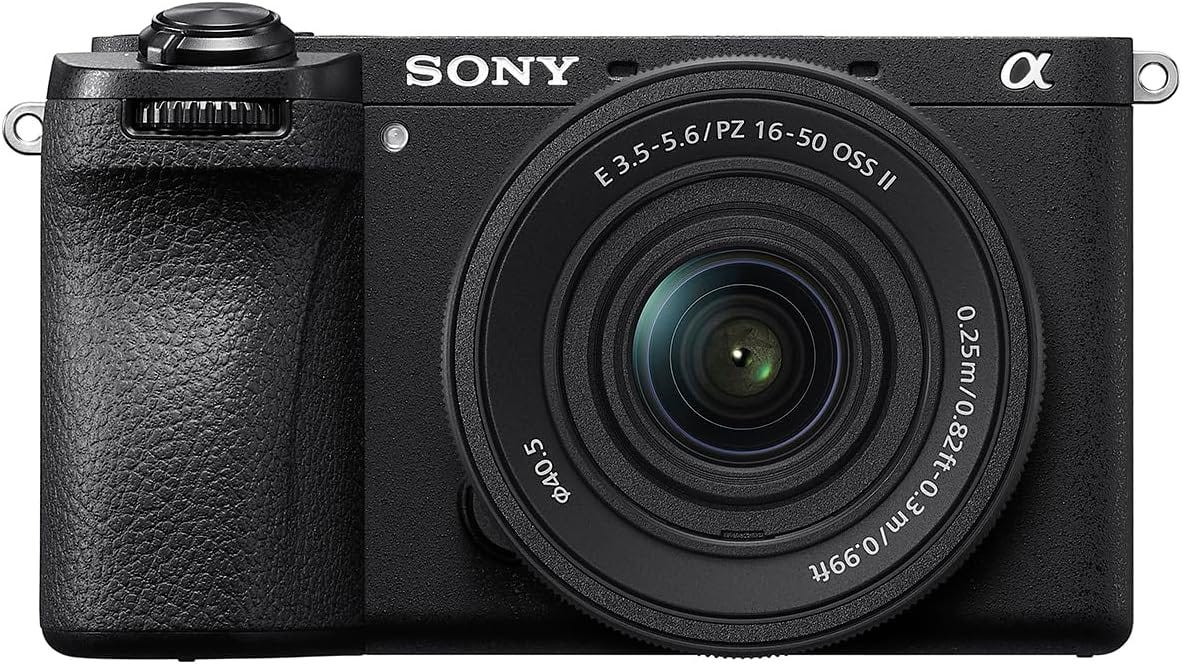
Let me tell you a little story. Early in my career, I was assisting a workshop in the Rockies. A student showed up with a top of the line DSLR, loaded with gear he barely knew how to hold. Another student had a simple, sturdy compact camera. By the end of the week, who was capturing more compelling images? The one with the compact. She was focused on seeing, not on fumbling with dials. That lesson stuck with me. Starting your photography journey shouldn’t be about complexity. It should be about falling in love with the craft. That’s where a great compact camera comes in. It’s your gateway to real photography without the overwhelming bulk.
After testing countless models over the years, I’ve narrowed down the list to cameras that offer genuine creative control, stunning image quality, and, most importantly, a joy to use. These are my personal recommendations for any beginner ready to step up from a smartphone.
What Makes a Great Beginner Compact Camera?
Before we dive in, let’s talk basics. In my book, a perfect starter compact needs three things: superior image quality to a phone (that means a larger sensor), intuitive controls that teach you photography, and a size that encourages you to carry it everywhere. If it has a viewfinder, that’s a huge bonus for composing shots in bright light. Forget megapixel counts for now. Look for a camera that feels good in your hands and makes you want to explore.
In a rush and just need the quick answer? Here are my top-rated picks you can confidently choose from right now.
Sony ZV-1: The Content Creator’s Dream

I’ll be honest, I initially got this camera for vlogging behind the scenes content. But its brilliance for beginners quickly became apparent. The Sony ZV-1 is designed for clarity and ease. Its front and center feature is a vari angle screen that flips out to the side, perfect for framing yourself or shooting from odd angles.
The real magic is in its autofocus. It locks onto a subject’s face or eyes with a tenacity I usually see in professional mirrorless cameras. For a beginner, this is a game changer. You can focus on your composition and story, not on whether the camera is sharp. The built in microphone is surprisingly good, and it has a hot shoe for adding an external mic later. The sensor delivers crisp, vibrant images that blow any smartphone out of the water, especially in low light.
My Experience: I took this camera to a busy farmer’s market. The product showcase button instantly blurred the background for beautiful food shots, and the fast autofocus kept up with moving subjects. It’s a camera that handles thinking for you when you need it to, but offers full manual mode when you’re ready to learn.
A User’s Take: “I’m a small business owner,” says Lisa from Austin. “I use the **ZV-1** for product photos and social media videos. It was so easy to learn. The background blur feature makes my products look professional instantly. It’s my all in one tool.”
Canon PowerShot G7 X Mark III: The All-Rounder

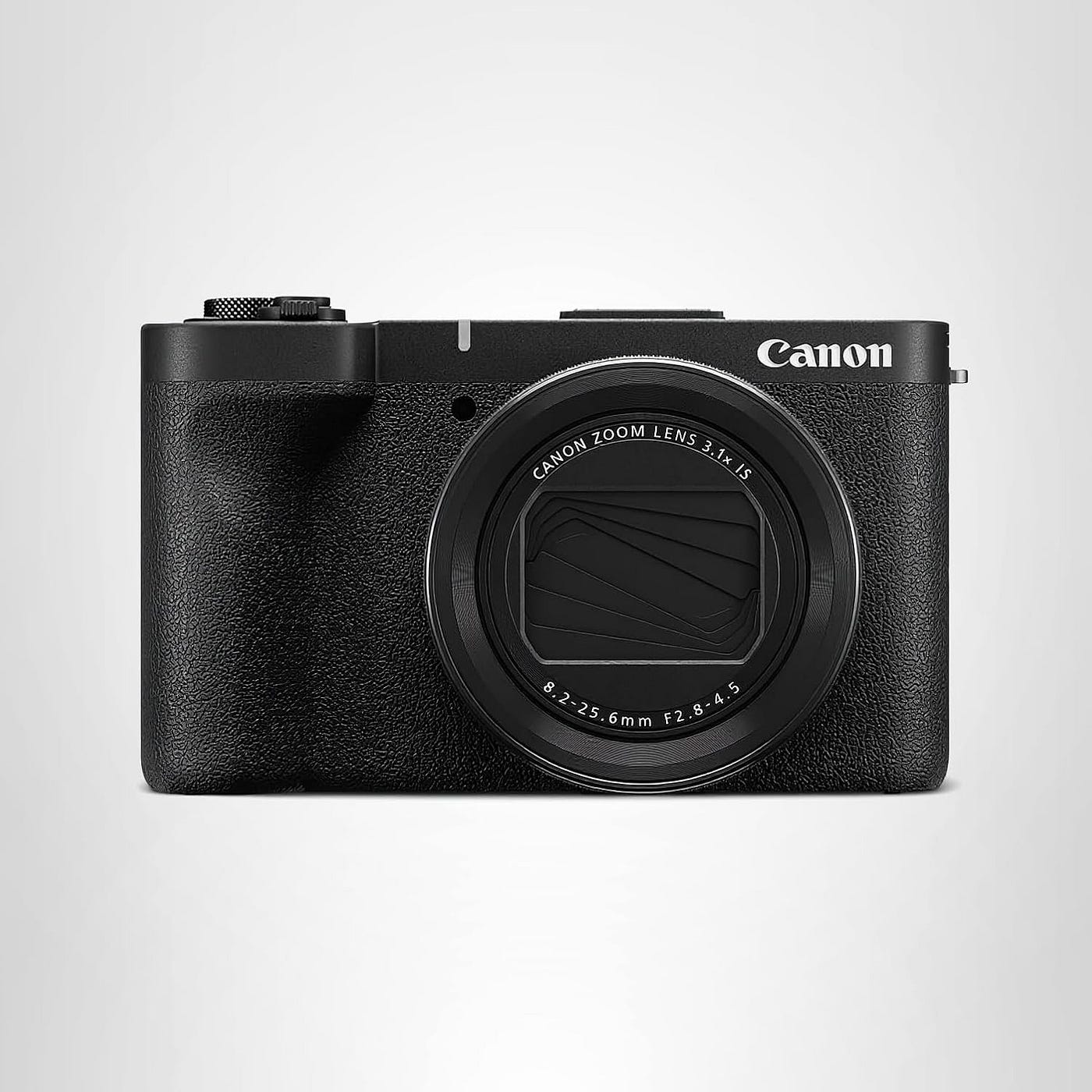
This is a legend for a reason. The Canon PowerShot G7 X Mark III has been the go to compact for travel bloggers and hobbyists for years, and its reputation is well earned. The lens is where it shines. It’s fast and versatile, giving you a beautiful blurred background at its widest aperture and enough zoom for everyday scenes.
The colors it produces are classic Canon. They’re warm, pleasing, and require very little editing. For a beginner, this is incredibly rewarding. You get great shots straight out of the camera, which builds confidence. The touchscreen interface is one of the most intuitive I’ve used. You can tap to focus, swipe through menus, and it just feels responsive.
My Experience: This camera lived in my jacket pocket for a whole European trip. From low light cathedral interiors to casual street portraits, it never missed a beat. The silent shooting mode is perfect for discreet photography. It’s the camera I recommend most to friends who want one device to do it all well.
A User’s Take: “As a hiking enthusiast, I needed something light,” explains David from Colorado. “The **G7 X Mark III** is perfect. The image stabilization lets me shoot handheld at sunset, and the wifi lets me send photos to my phone right away to share. It’s the perfect travel companion.”
Fujifilm X100V: For the Aspiring Artist

Now, let’s talk about a camera that teaches you to see. The Fujifilm X100V is a different beast. It has a fixed lens, meaning it doesn’t zoom. That might sound like a limitation, but it’s its greatest strength. It forces you to move your feet and think critically about framing. This is how you develop your photographic eye.
The image quality, thanks to its larger sensor, is simply exquisite. Fujifilm’s film simulations are legendary. You can get classic black and white, vibrant slide film looks, and more, all baked into the camera. The hybrid viewfinder is a work of art. You can switch between an electronic screen and an optical window, which is a pure, distraction free way to compose.
My Experience: I use the X100V for my personal street photography. The tactile dials for shutter speed and aperture mimic old film cameras. This direct control is the best photography teacher you could ask for. It makes the process slow, intentional, and deeply satisfying.
**A User’s Take: *“I was bored with my phone photos,” shares Anya, a graphic designer from Portland. “The [X100V](https://amzn.to/48BuxOe)* made photography a hobby again. The colors are so unique, and I love the challenge of a fixed lens. It feels like making art, not just taking pictures.”
Panasonic Lumix ZS200/TZ200: The Travel Zoom Powerhouse

Have you ever been on a trip and missed a shot because you couldn’t get close enough? Enter the Panasonic Lumix ZS200. This camera packs an incredible 15x optical zoom into a body that still fits in your pocket. It’s the ultimate “do everything” travel camera for a beginner who doesn’t want to compromise on range.
Despite the long zoom, it has a relatively large sensor, so image quality holds up well. The 4K video capabilities are robust, and Panasonic’s interface is logical and easy to navigate. For wildlife, architecture, or capturing your kids on the soccer field from the stands, this camera delivers.
My Experience: On a safari trip, a fellow traveler had one of these. While others struggled with massive lenses, he casually zoomed in on a distant leopard. The image was sharp and detailed. It’s a testament to the engineering. For a beginner who wants versatility above all else, this is a top contender.
A User’s Take: “My wife and I cruise a lot,” says Robert from Florida. “The **ZS200 **is all we need. I can get a wide shot of the ship and then zoom in on a dolphin in the water. The battery life is great, and it’s so simple to use in full auto mode.”
Ricoh GR III: The Street Photography Secret

This is the specialist. The Ricoh GR III is a cult classic for a reason. It’s impossibly thin, light, and has a sensor that rivals many larger cameras. Its snap focus feature lets you pre set a focus distance for instant, silent shooting. It’s the most discreet camera here.
The image quality, particularly in black and white, has a gritty, real character that is hard to replicate. It’s a tool for expression. The touchscreen allows for quick focus point selection, and the menu system is highly customizable.
My Experience: This is my “always with me” camera. When I’m not on a professional job, the GR III is in my pocket. It’s so responsive that it becomes an extension of your vision. For a beginner serious about developing a street photography style, there is no better teacher.
A User’s Take: “I document city life,” notes Marcus from New York. “The **GR III** is fast and invisible. The image sharpness is insane for its size. It’s not for everyone, but if you want to capture candid moments, nothing beats it.”
How to Choose Your Perfect Match
Think about what you love to shoot. Are you into family videos and selfies? The Sony ZV-1 calls your name. Do you want a balanced, do it all tool? The Canon G7 X Mark III is your friend. Do you crave a tactile, artistic experience? The Fujifilm X100V awaits. Need incredible zoom for travel? The Panasonic ZS200 delivers. Want the ultimate pocketable street shooter? The Ricoh GR III is your match.
Go to a camera store if you can. Hold them. Do the controls feel right? That connection is more important than any spec sheet.
Frequently Asked Questions
Q: What is the real advantage of a compact camera over my smartphone? A: It comes down to sensor size and control. A larger sensor captures more light and detail, especially in low light, and gives you that beautiful background blur. More importantly, a dedicated camera gives you manual controls. You learn how shutter speed, aperture, and ISO work together to create an image. A smartphone automates everything. A camera teaches you the art.
Q: Do I need a viewfinder? A: It’s highly recommended. An electronic viewfinder (EVF) lets you compose your shot in bright sunlight when the screen is washed out. It also stabilizes the camera against your face, leading to sharper images. It makes the experience feel more like “real” photography.
Q: How important is image stabilization? A: For beginners, it’s very important. It allows you to shoot handheld at slower shutter speeds without blur from your hand shake. This is crucial for indoor shots or at dusk. All the cameras listed here have effective stabilization.
Q: Can I use these for video? A: Absolutely. Modern compact cameras are fantastic for video. The Sony ZV-1 is arguably the best vlogging camera in its class. The others offer high quality 4K video. If video is a primary focus, prioritize camera
s with flip out screens and good microphone inputs.
Q: What accessory should I buy first? A: A spare battery. Compact cameras have small batteries. Always carry at least one extra. After that, a simple protective case and a good quality memory card from a reputable brand like SanDisk or Sony.
The best camera is the one you have with you. These compact cameras ensure you’ll actually want to carry it. Choose one that sparks your curiosity, and go out and shoot. The world is waiting for your perspective.
Affiliate Disclaimer: This guide is reader-supported. If you buy through the links on this page, I may earn a small commission at no extra cost to you. I only recommend gear I’ve actually used and trust. Thanks for your support!
Photo by Johannes Andersson on Unsplash
Photo by Fauzan Saari on Unsplash
Photo by Humberto Arellano on Unsplash
Photo by omid armin on Unsplash
Photo by Brian Babb on Unsplash
메타데이터
- post_id
- 3db4c30dfb75
- slug
- best-compact-cameras-for-beginners-3db4c30dfb75
- url
- https://medium.com/@kashafshahid467/best-compact-cameras-for-beginners-3db4c30dfb75
- canonical_url
- https://medium.com/@kashafshahid467/best-compact-cameras-for-beginners-3db4c30dfb75
- author_url
- https://medium.com/@kashafshahid467
- status
- ok
- fetched_at
- 2026-08-19 10:46:59