How to Decorate Tarts and Cakes Like a Pastry Chef
I spent years in a New York hotel kitchen watching guests react to desserts before they even tasted them. The reaction was always the same…
How to Decorate Tarts and Cakes Like a Pastry Chef

I spent years in a New York hotel kitchen watching guests react to desserts before they even tasted them. The reaction was always the same: eyes wide, phone out, photo first. That moment taught me something important in pastry, decoration is not vanity. It is technique.
The good news? Professional decoration is learnable. You do not need expensive equipment or years of training. You need to understand a few core principles that pastry chefs use every single day.
Here is everything I know about decorating tarts and cakes like a professional.
## Start With a Clean Base
Before any decoration, your base must be perfect.
For tarts, this means a smooth, even surface. If your filling has cracks or uneven spots, no amount of decoration will hide them it will only draw attention to them. Fill any imperfections with a thin layer of cream or ganache and let it set completely before moving on.
For cakes, this means a crumb coat. Apply a thin layer of frosting all over the cake and refrigerate for 30 minutes. This locks in crumbs and gives you a smooth canvas. Skipping the crumb coat is the number one mistake home bakers make.
A clean base is not optional. It is the foundation everything else builds on.
## The French Approach to Color
French pastry uses color sparingly and intentionally.
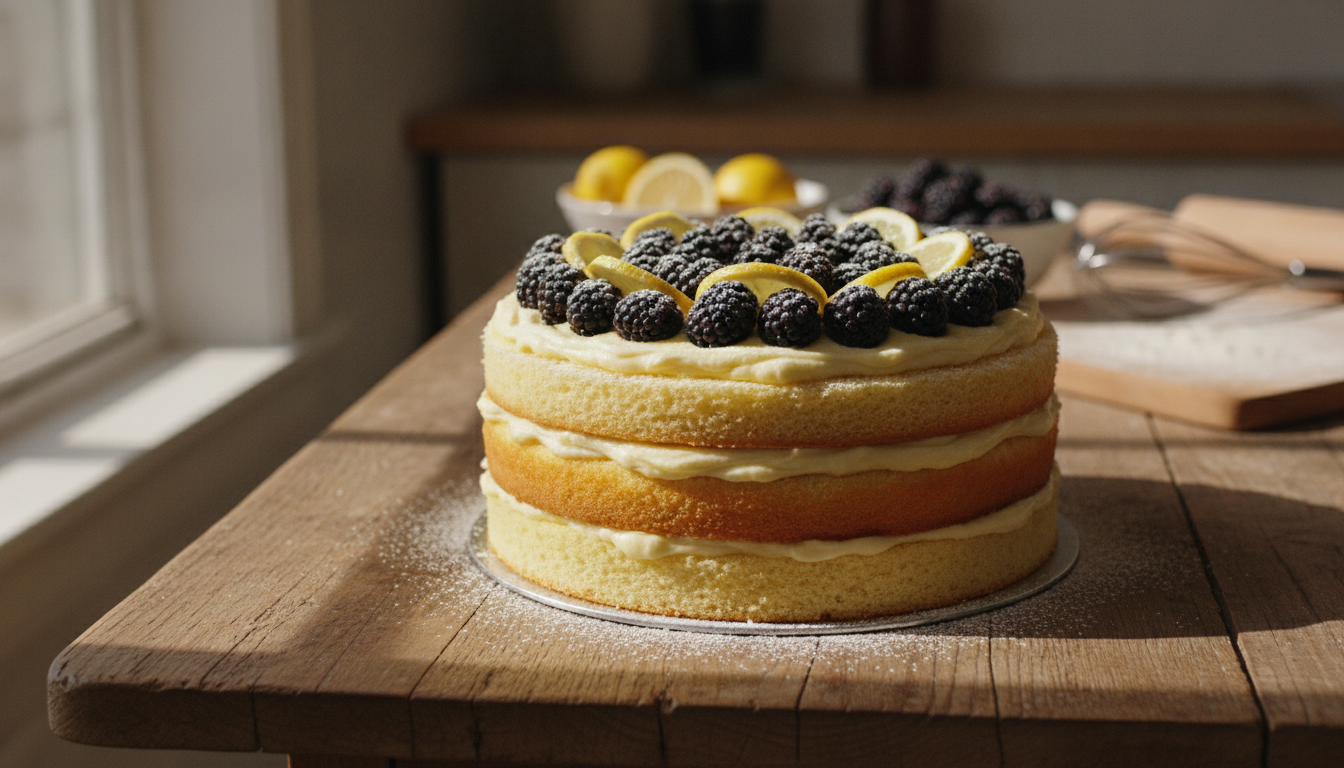
Walk into any Parisian patisserie and you will notice the palette is controlled deep burgundy berries against pale cream, gold leaf on dark chocolate, a single green pistachio on white glaze. Nothing is random.
The rule professional pastry chefs follow: choose one dominant color, one accent color, and one neutral. That is it. Three colors maximum.
For a classic fruit tart, this might be:
- Dominant: red strawberries
- Accent: green mint leaves
- Neutral: golden pastry cream
For a chocolate cake:
- Dominant: dark chocolate ganache
- Accent: gold leaf or caramel drizzle
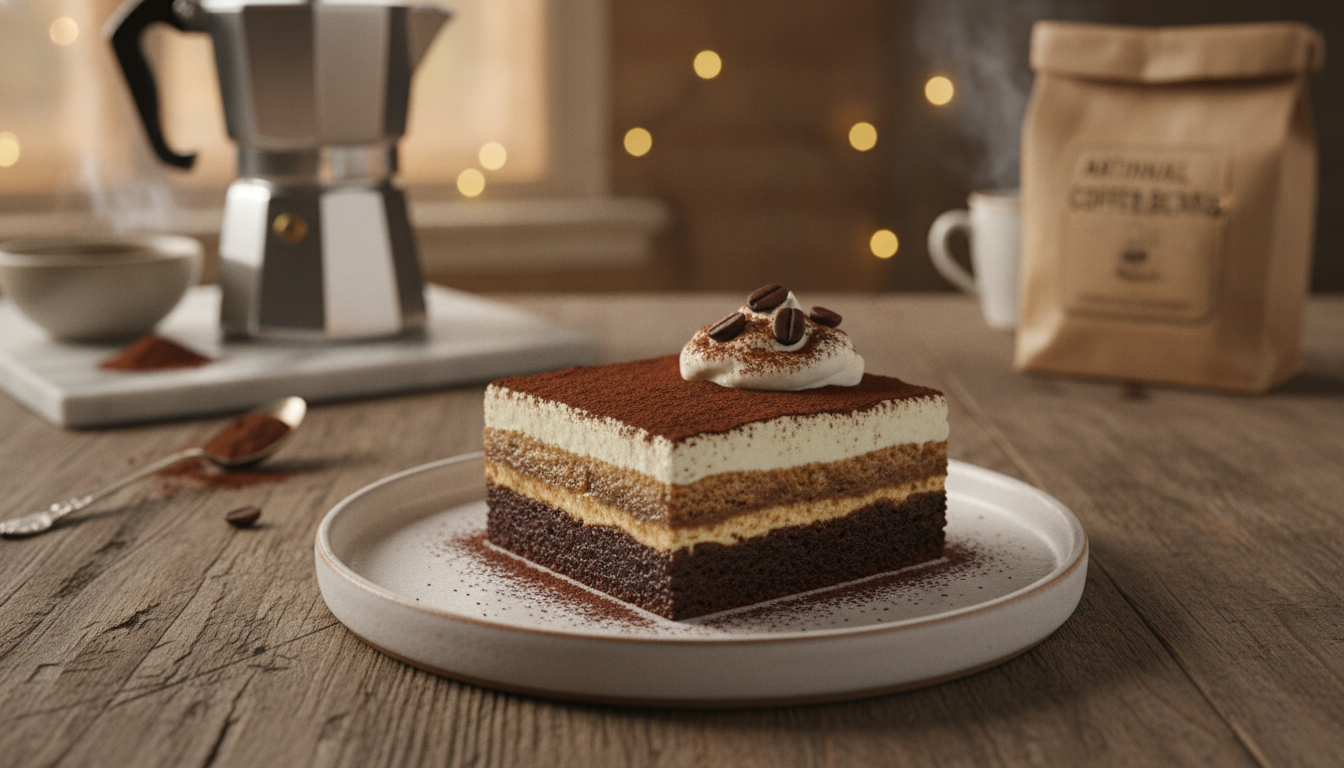
- Neutral: white cream rosettes
This restraint is what makes French pastry look sophisticated rather than busy.
## Fruit Placement on Tarts
Fruit decoration on tarts follows one simple rule: work from the outside in.
Start by placing your largest fruit pieces around the outer edge of the tart. Then work inward in concentric circles, overlapping slightly as you go. Finish the center with your smallest elements a single berry, a curl of zest, a small mint leaf.
This technique creates visual depth and makes the tart look intentionally designed rather than randomly assembled.
For mixed fruit tarts, group similar fruits together rather than scattering them. A section of raspberries, a section of blueberries, a section of sliced strawberries each color block reads clearly and creates a graphic, professional result.
Always add a glaze at the end. Brush warm apricot jam thinned with a little water over all the fruit. This protects the fruit, adds shine, and instantly elevates the appearance from home baked to patisserie quality.
## Piping Techniques for Cakes
Piping intimidates most home bakers. It should not.
The three piping techniques every pastry chef uses are:
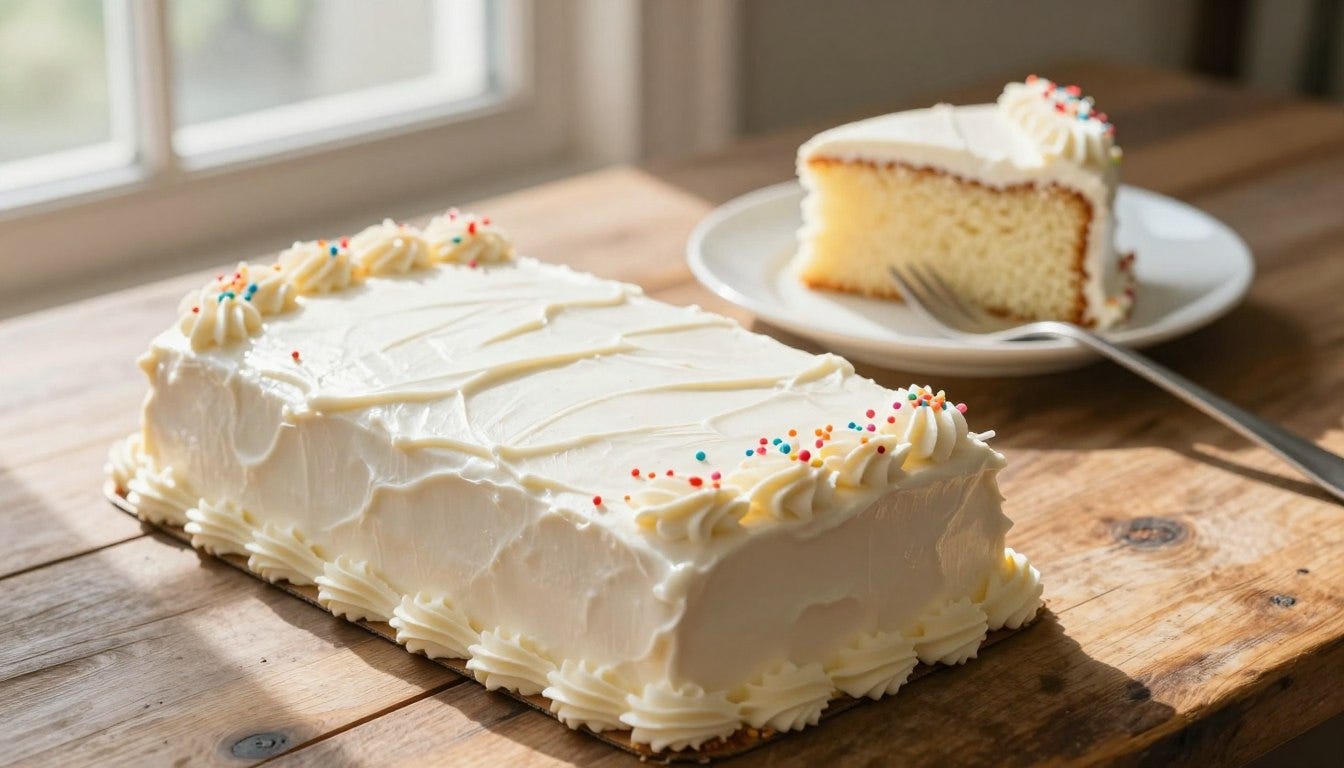
The Rosette Use a large star tip. Hold the bag perpendicular to the cake surface. Pipe in a tight circle starting from the outside, spiraling inward, then lift straight up. Practice ten rosettes on parchment paper before touching the cake.
The Straight Border Use a round tip. Hold the bag at a 45 degree angle. Apply even pressure and move in a straight line. Release pressure before lifting. This creates clean, precise borders around the base or top edge of any cake.
The Ruffle Use a petal tip. Hold the bag so the wide end touches the surface. Move the tip in a gentle zigzag motion while moving forward. This creates soft, romantic ruffles that work beautifully on wedding-style cakes.
The secret to all piping is consistent pressure. Inconsistent pressure is what creates uneven, unprofessional results. Practice is the only solution.
## Texture Creates Visual Interest
Professional pastry chefs think in textures, not just flavors.
A cake covered entirely in smooth ganache is beautiful but flat. Add a contrast crushed pistachios pressed around the base, a rough swipe of cream on top, chocolate shards standing upright. Suddenly the cake has dimension.
For tarts, texture contrast comes from combining smooth cream with fresh fruit, crunchy nuts, or delicate herbs. A no bake cheesecake tart topped with smooth mango curd and a single candied basil leaf tells a story. It signals that someone with knowledge made this.
The rule: always combine at least two textures in your final decoration. Smooth plus crunchy. Glossy plus matte. Soft plus sharp.
## The Power of Negative Space
This is the most underused tool in home baking.
Negative space empty space on the plate or surface is not wasted space. It is breathing room. It makes what is there look more intentional and more valuable.
Look at high end restaurant plating. A single quenelle of ice cream, a thin caramel line, two raspberries. The empty white plate makes each element matter more.
Apply this to your tarts and cakes. You do not need to cover every centimeter. A tart with fruit arranged on two thirds of the surface, leaving one third as visible cream, looks more professional than a tart packed edge to edge.
Resist the urge to fill every space. Edit ruthlessly.
## Final Touches That Make the Difference
These are the small details that separate good from exceptional:
Edible gold leaf : a small piece on dark chocolate or dark berry instantly signals luxury. Available online for very little cost.
Microgreens or fresh herbs : a single sprig of thyme on a lemon tart, mint on a berry tart. Adds color and signals freshness.
Powdered sugar : sifted lightly over a finished cake or tart just before serving. Never in advance, it dissolves. This simple step photographs beautifully.
Zest curls : use a zester to create long, elegant citrus curls. Place two or three on top of any citrus dessert. Instant patisserie look.
Temperature : always decorate cold tarts and cakes. Room temperature fillings shift and smear. Cold surfaces hold decoration in place precisely.
## Practice Is the Real Secret
Every pastry chef you admire has decorated hundreds of tarts and cakes that no one ever saw.
The rosettes that collapsed. The fruit arrangements that looked wrong. The ganache that cracked. These are not failures they are the education.
Decoration is a physical skill. It lives in your hands, not in your head. Read all the guides you want, but nothing replaces thirty minutes of practice piping on parchment paper.
Start simple. Master one technique completely before adding another. Be patient with yourself.
The results will come.
— -
Lisa Charman is a professional pastry chef with a background in New York hotel kitchens. She shares French inspired pastry and dessert recipes at **Step44.com** where every recipe comes with professional tips to help you bake with confidence.
→ Explore tart and cake recipes at **Step44.com**
메타데이터
- post_id
- 45a57ddafa05
- slug
- how-to-decorate-tarts-and-cakes-like-a-pastry-chef-45a57ddafa05
- url
- https://medium.com/@media.buying200/how-to-decorate-tarts-and-cakes-like-a-pastry-chef-45a57ddafa05
- canonical_url
- https://medium.com/@media.buying200/how-to-decorate-tarts-and-cakes-like-a-pastry-chef-45a57ddafa05
- author_url
- https://medium.com/@media.buying200
- status
- ok
- fetched_at
- 2026-06-15 20:49:13