The Unfinished Business: A Mental Loop
Before I started writing this blog, I found myself thinking about what I should write and what I could offer you, my readers. But soon…
The Unfinished Business: A Mental Loop
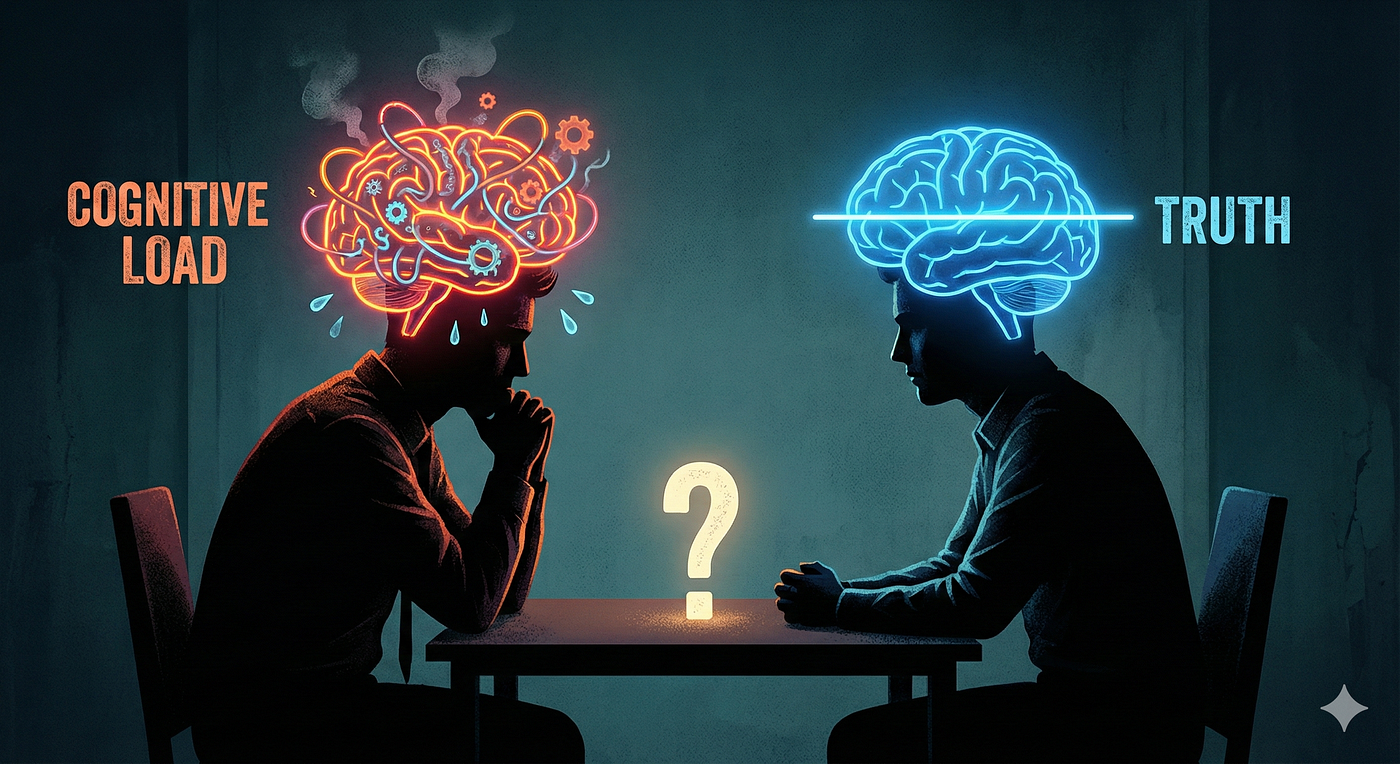
- Before I started writing this blog, I found myself thinking about what I should write and what I could offer you, my readers. But soon, something interesting happened. I kept thinking about the same matter again and again. Whenever I was reading something, eating, or even watching television, my mind would suddenly return to the same question: “What am I going to write?” It felt like my mind was caught in a mental loop. The same unfinished thought kept returning, and without realising it, I was indirectly creating tension in my own mind. Then, one day, I happened to read an article that perfectly suited my current situation. The name of the article was The Zeigarnik Effect. The name itself struck me. I found it fascinating and attractive. I had never heard such a beautiful and unusual psychological term before. So, I thought, why not explore this amazing concept and explain it to my readers? The Zeigarnik Effect What I described earlier—constantly thinking about my unfinished blog and repeatedly returning to the same thought—can be understood through a psychological phenomenon called the Zeigarnik Effect. But where did this interesting name come from?
- The Zeigarnik Effect is named after Bluma Zeigarnik, a psychologist known for her research on how people remember unfinished tasks. The story behind this concept is quite interesting. While sitting in a restaurant, Zeigarnik reportedly observed the waiters taking and remembering multiple customer orders. She became curious about how they could remember so many details. Her observations led to an interesting finding: people often tend to remember unfinished or interrupted tasks better than completed tasks. Once a task is completed, the mental attention connected to it may reduce. But when something remains unfinished, it can continue occupying our thoughts. This tendency for unfinished tasks to remain mentally active is known as the Zeigarnik Effect. Imagine having several open tabs on your phone or computer. The tabs remain open until you close them. Similarly, unfinished tasks can sometimes remain like open tabs in our minds.

Bluma Zeigarnik – The psychologist behind the Zeigarnik Effect
The Brain’s Role in the Zeigarnik Effect The funny part about the Zeigarnik Effect is that sometimes the villain seems to be our own brain! Our brain may keep bringing unfinished tasks back into our awareness. It is as if the brain keeps sending reminders: “You haven’t finished this yet!” “What are you going to do about that?” “Don’t forget this!” Of course, the brain is not literally trying to trouble us. But unfinished tasks can remain mentally active, especially when they are important to us. Sometimes, I think the brain behaves a little like a child when it comes to unfinished things. Imagine a child who wants a particular toy. The child may keep asking, crying, and demanding the toy until they get it. Similarly, our mind may keep returning to something that feels incomplete. It keeps reminding us. It keeps returning to the same thought. It keeps the matter mentally active. Until something changes. Until the task is completed. Or until we finally decide to let it go. Do We Experience the Zeigarnik Effect Every Day? The answer is yes, we probably experience it more often than we realise. It can appear in different situations in our daily lives.
- The Artist and the Unfinished Work Imagine an artist drawing a picture. The artist finishes the drawing but is not satisfied with the result. Something feels incomplete or imperfect. The artist may keep thinking about the picture and wondering: “How can I improve this?” “What should I change?” “How can I make it better?” The unfinished feeling keeps the work mentally active until the artist feels satisfied or decides to stop working on it.
- The Unexpected Meeting
Imagine a colleague telling you: “There is a meeting with the boss today.” From that moment onwards, your mind may start creating different possibilities. You may wonder: “Why is there a meeting?” “Did I do something wrong?” “Will this affect my job?” “What is going to happen?” Until the meeting actually takes place and you receive answers, your mind may keep returning to the situation. The uncertainty creates an open mental loop. 3. The Suspenseful Television Episode You are watching your favourite serial, and suddenly the episode ends at the most interesting moment. The main character discovers something shocking. But the episode ends. To be continued... What happens next? You may continue thinking about the story until the next episode. Television creators often use suspense and cliffhangers because our minds naturally want to know what happens next. The story feels incomplete. And our brain wants closure. 4. An Unfinished Conversation Someone tells you: “I need to talk to you about something important.” Then they leave without explaining. Now your mind starts working. “What do they want to say?” “Is something wrong?” “Did I do something?” Until you get an answer, the conversation remains mentally unfinished. Can the Zeigarnik Effect Have Positive or Negative Effects? The Zeigarnik Effect can have both positive and negative effects. Much depends on the situation and how an individual responds to the unfinished task.
- It Can Motivate Us Imagine someone writing an article. The person may keep thinking about: What should I write? How should I begin? What points should I include? What should I remove? How can I improve it? Will readers find it interesting? These thoughts may sometimes motivate the person to continue working and eventually create a meaningful article. In this situation, the unfinished task encourages action. So, the mental tension can sometimes become motivation.
- It May Help Us Return to Important Tasks When something remains unfinished, it may stay in our awareness and remind us to return to it. For example: You have an assignment to complete. You may try to avoid it initially, but the unfinished work continues to remain in your mind. Eventually, this may encourage you to take action. In some situations, the discomfort of leaving something unfinished may push a person to stop delaying and start working.
- Too Many Open Loops Can Become Overwhelming However, the Zeigarnik Effect can also have a negative side. Imagine having: Five unfinished assignments An unresolved argument Unanswered messages An important decision to make Pending household responsibilities Work-related worries
Suddenly, your mind is carrying too many open loops. This can feel mentally exhausting. When unfinished tasks become overwhelming, it can contribute to stress, anxiety, and repetitive thinking. One helpful strategy is to write down the tasks and create a realistic plan. A simple to-do list can sometimes help the brain understand: “I haven’t forgotten this. I have a plan for it.” You don’t always have to finish everything immediately. Sometimes, simply knowing what you will do next can reduce mental pressure. Why Does the Zeigarnik Effect Happen? Why do unfinished things remain in our minds? There can be several reasons.
- Motivation and Importance When we care deeply about something, we are more likely to keep thinking about it. Excitement, dedication, responsibility, or worry about completing a task can keep it mentally active. For example, if you are preparing for an important interview, your mind may repeatedly return to the preparation because the situation matters to you.
- The Desire for Closure Human beings often want answers. We want stories to have endings. We want questions to have answers. We want uncertainty to disappear. In simple terms, our minds often prefer a closed loop rather than an open loop. An unfinished task can feel like an open chapter. A completed task feels like closing that chapter. This is why unanswered questions, unresolved conversations, and incomplete work can sometimes continue occupying our thoughts. Final Thoughts The Zeigarnik Effect, named after Bluma Zeigarnik, is a fascinating psychological concept that helps us understand why unfinished things can continue occupying our minds. Sometimes our brain feels like it is playing a funny game with us. It keeps reminding us. It keeps returning to the same thought. It keeps bringing unfinished matters back into our awareness. Until the task is completed, the question is answered, or we finally find a way to accept the situation. Think about watching a television series that ends with suspense. You immediately want to know what happens next. Or imagine someone speaking to you in a strange or indirect way. Afterwards, you may repeatedly think: “Why did they say that?” “What did they really mean?” These are situations where something feels mentally incomplete. Our minds often look for closure. But here is something important to remember: Not every unfinished thing needs to be completed immediately. Some things require action. Some require answers. And some things may never give us the closure we are looking for. Sometimes, we have to learn to close the loop ourselves. The Final Line Perhaps the most exhausting unfinished task is not the one on our desk—but the one that keeps running silently inside our mind. So, the next time a thought keeps returning to your mind, pause and ask yourself: “Is this an unfinished task that needs my action, or is it simply an open loop that I need to learn to let go?” Maybe understanding the difference is the first step towards giving our minds a little rest.
메타데이터
- post_id
- 4865dafc93bf
- slug
- the-unfinished-business-a-mental-loop-4865dafc93bf
- url
- https://medium.com/@remyap_47563/the-unfinished-business-a-mental-loop-4865dafc93bf
- canonical_url
- https://medium.com/@remyap_47563/the-unfinished-business-a-mental-loop-4865dafc93bf
- author_url
- https://medium.com/@remyap_47563
- status
- ok
- fetched_at
- 2026-09-06 00:10:50